English
×
All rights reserved. All content and images used on this website
belong to EMA Kimya and may not be used without permission.
cour
 EMA Kimya | Concrete Admixtures, Cement Additives, Construction Chemicals, Superplasticizers, High-Range Water Reducers, Concrete Performance Solutions, Ready-Mix and Precast Concrete Technologies, Infrastructure, Industrial Projects, Technical Support, Production and Cost Consulting  EMA Kimya | Concrete Admixtures, Cement Additives, Construction Chemicals, Superplasticizers, High-Range Water Reducers, Concrete Performance Solutions, Ready-Mix and Precast Concrete Technologies, Infrastructure, Industrial Projects, Technical Support, Production and Cost Consulting
EMA Kimya | Concrete Admixtures, Cement Additives, Construction Chemicals, Superplasticizers, High-Range Water Reducers, Concrete Performance Solutions, Ready-Mix and Precast Concrete Technologies, Infrastructure, Industrial Projects, Technical Support, Production and Cost Consulting

"Strength in Every Mix,
Quality in Every Drop"

×

Quality, reliability, and a commitment to sustainable production.

We provide professional solutions in concrete admixtures and construction chemicals.

Menu

Quality, reliability, and a commitment to sustainable production.

We provide professional solutions in concrete admixtures and construction chemicals.

07 October 2026

Concrete setting and early strength development are important performance criteria in terms of production speed, construction schedules, formwork removal time and environmental application conditions.

Especially at low temperatures, cement hydration reactions may slow down. This can extend concrete setting time and delay early-age strength development.

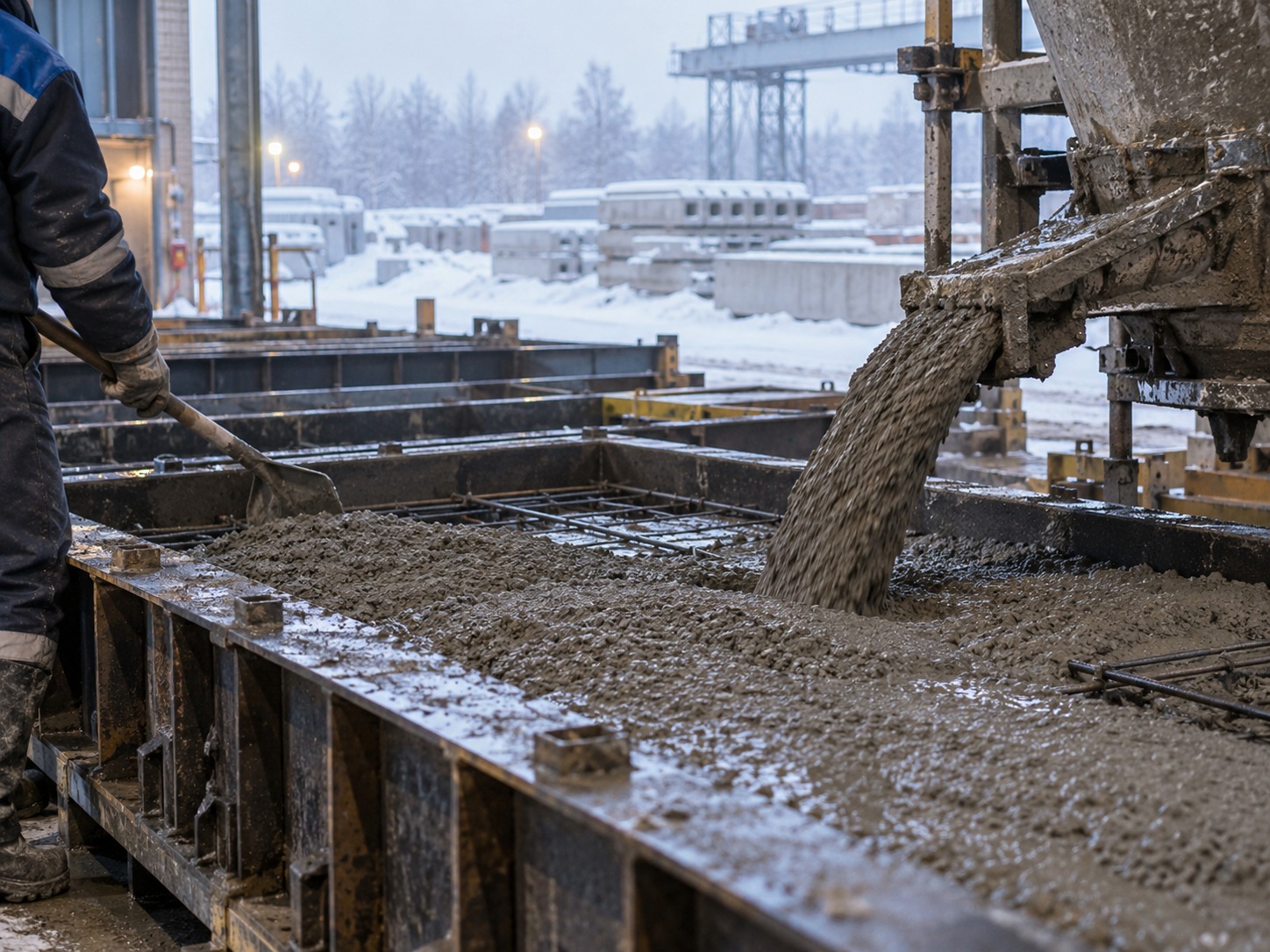
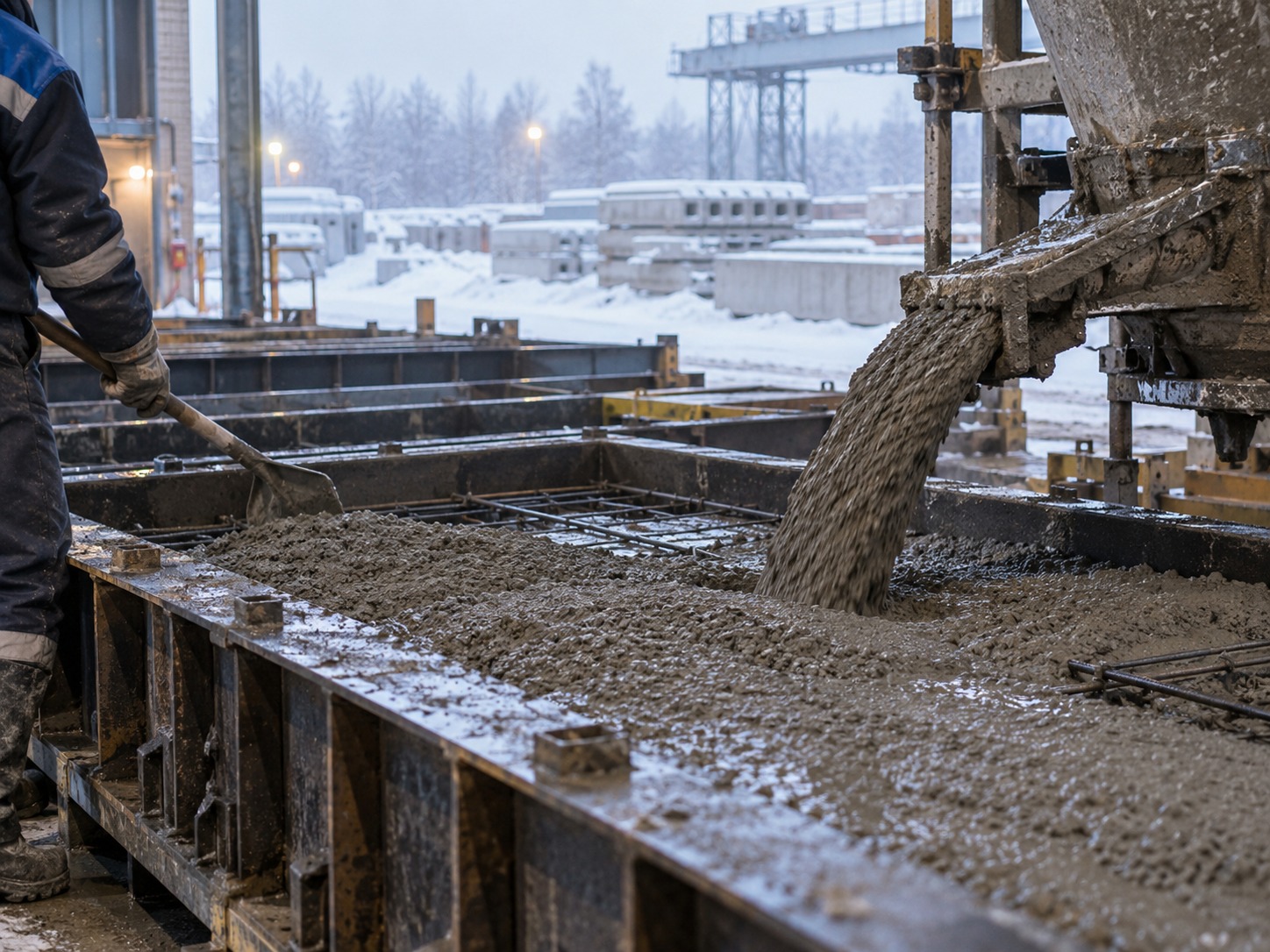
In precast concrete production, applications requiring fast mold cycles and concrete pours performed under cold-weather conditions, set-accelerating concrete admixtures can help manage early-age concrete behavior in a more controlled manner.

However, a set accelerator should not be selected simply to make concrete harden faster. Cement type, concrete temperature, water/cement ratio, admixture dosage and target early strength should all be evaluated together.

What Is a Set-Accelerating Concrete Admixture?

Set-accelerating admixtures are chemical admixture systems used to accelerate the setting behavior of concrete or mortar.

These products can be used in applications where the transition from a plastic state to a hardened state needs to occur more quickly according to project requirements.

Their effect may vary depending on the cement used, concrete temperature, dosage and compatibility with other chemical admixtures.

For this reason, the same set accelerator should not be expected to provide identical results in every concrete mix.

What Is Concrete Setting?

Concrete setting refers to the process in which fresh concrete gradually changes from a workable state into a more rigid and hardened structure.

Initial setting represents the stage when concrete begins to lose a significant amount of its workability, while final setting indicates a more advanced stage of hardening.

Setting time and compressive strength are not the same.

Concrete that sets faster does not automatically achieve higher final strength.

For this reason, setting behavior and strength development should be monitored separately.

How Does Cold Weather Affect Concrete Setting Time?

As temperature decreases, cement hydration reactions generally progress more slowly.

This can cause concrete to remain workable for a longer period, extend setting time and delay early strength development.

In regions where nighttime temperatures are low, proper protection of concrete during the first hours after placement becomes particularly important.

Relying only on chemical admixtures in cold-weather concreting is not sufficient.

Concrete temperature, raw material temperatures, placement conditions, formwork and curing should all be managed together.

What Do Set Accelerators Provide in Cold Weather?

Suitable set-accelerating systems can help support early hydration reactions that slow down at lower temperatures.

This can help control setting time and improve early-age performance in certain applications.

However, using an accelerating admixture in cold weather does not automatically protect fresh concrete against freezing.

Concrete must still be protected against excessively low temperatures during its early stages, and suitable curing conditions should be maintained.

Are Set Accelerators and Early-Strength Admixtures the Same?

Not exactly.

The main purpose of a set accelerator is to shorten or control concrete setting time.

Early-strength admixtures focus more directly on improving the mechanical performance developed during the first hours or days.

Some admixture technologies may contribute to both properties, but the primary performance target should be clearly defined before product selection.

For example, in precast production, the early compressive strength required for demolding may be more important than setting time alone.

Why Are Set Accelerators Important in Precast Concrete Production?

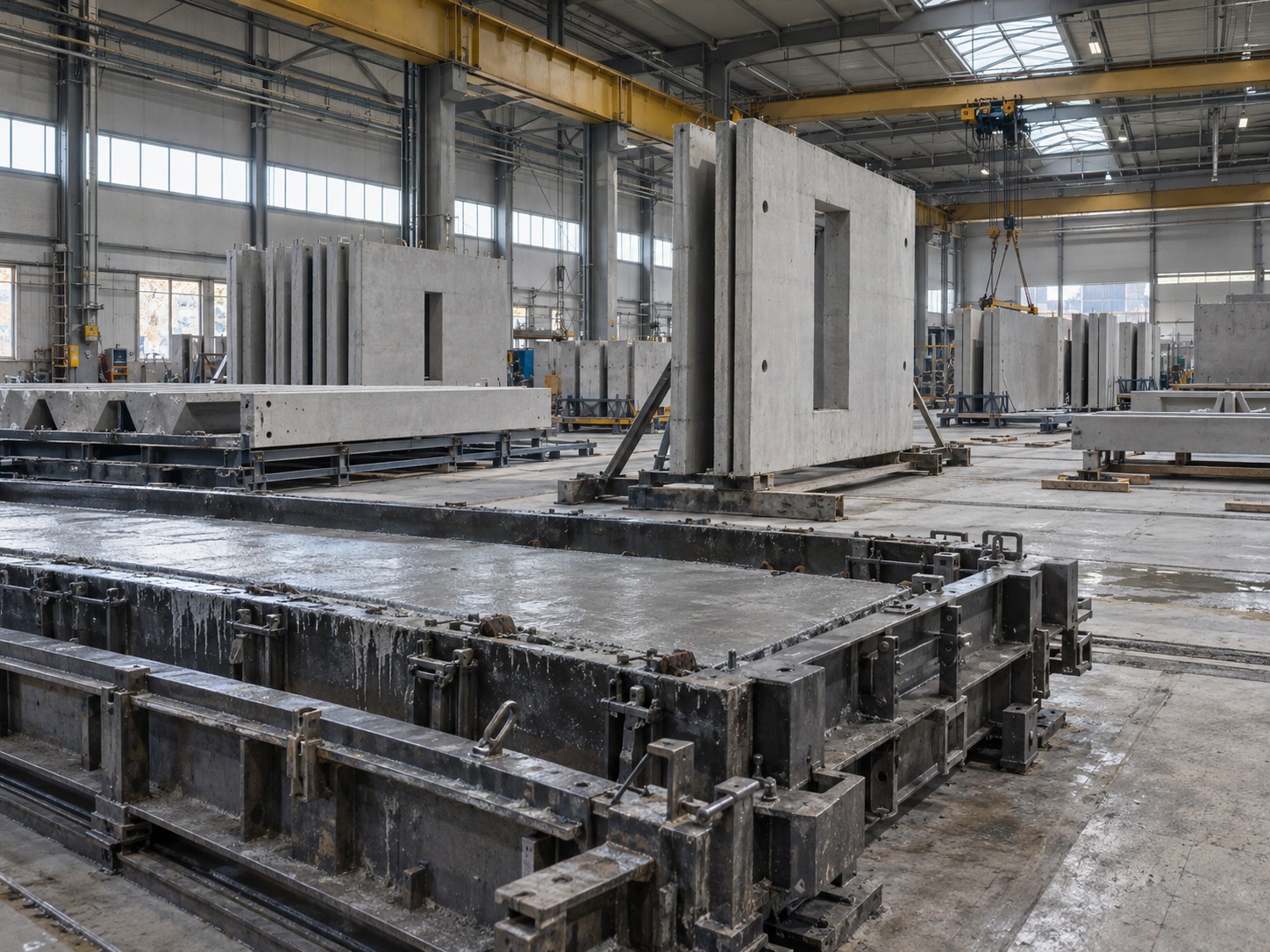
Production capacity in precast and prefabricated concrete plants is closely related to mold-cycle time.

If concrete reaches the required early strength in a shorter period, molds may be removed sooner and reused more quickly.

For this reason, precast concrete should provide suitable workability, properly fill the mold, maintain good surface quality and develop early strength in a controlled manner.

Set-accelerating and early-strength-supporting admixture systems can be optimized according to these production requirements.

Can Set Accelerators Be Used with Superplasticizers?

Yes, but compatibility between the admixtures must be checked carefully.

In ready-mixed or precast concrete, set accelerators may be used together with superplasticizers or high-range water-reducing admixtures.

The main plasticizing admixture can support workability at a lower water/cement ratio, while the accelerating system helps control early-age behavior.

However, combining different admixtures may affect setting time, air content or slump-retention performance.

For this reason, admixture combinations should be tested together under laboratory conditions.

How Does the Water/Cement Ratio Affect Early Strength?

Water content has a significant effect on both early and final concrete strength.

An excessively high water/cement ratio can create a more porous hardened concrete structure.

This may make it more difficult to achieve the required early strength.

High-performance water-reducing admixtures can help achieve the required workability with less water and support early strength development.

For this reason, set-accelerating and water-reducing admixture technologies should be evaluated together within the complete concrete mix design.

Why Is Concrete Temperature a Critical Parameter?

Chemical admixture performance is not independent of concrete temperature.

The same admixture used at the same dosage may behave differently at around 20°C compared with significantly lower concrete temperatures.

For this reason, laboratory trials should represent actual production and site temperatures as closely as possible.

Monitoring concrete temperature from production through placement can help achieve more consistent results in cold-weather applications.

What Happens If Too Much Set Accelerator Is Used?

A higher dosage does not always mean better performance.

Excessive accelerator dosage may shorten the available workability period too much and make concrete placement more difficult.

Depending on the admixture technology and concrete system, strength development and other fresh concrete properties may also be affected.

For this reason, optimum dosage should be determined through laboratory trials at different usage levels.

The objective should not be the fastest possible setting time, but controlled setting behavior suitable for the production and application schedule.

Using Set Accelerators in Long-Distance Ready-Mixed Concrete Delivery

Special attention is required when set accelerators are considered for ready-mixed concrete with long transportation times.

Concrete should not lose workability excessively while still inside the transit mixer or before pumping begins.

Transportation time, waiting periods at the construction site and pumping duration should therefore be considered when selecting the admixture system.

Where necessary, the admixture strategy can be planned according to different stages of production and application.

How Can Formwork Removal Time Be Optimized?

Formwork removal should not be determined only according to whether the concrete has set.

The concrete must develop sufficient mechanical strength for the relevant structural element.

For this reason, early-age compressive strength should be monitored regularly in applications targeting fast mold or formwork cycles.

When the admixture system, concrete temperature and curing conditions are optimized together, production cycles can be managed more effectively.

Why Is Curing Important for Early Strength?

Using a set accelerator does not eliminate the need for proper curing.

Suitable temperature and moisture conditions during the early stages are important for cement hydration to continue effectively.

Especially in cold weather, concrete surfaces and concrete inside the formwork may need protection against rapid heat loss.

Insufficient curing can prevent the expected early performance from being achieved even when an accelerating admixture is used.

Is Adding More Cement the Solution in Cold Weather?

Not always.

Increasing cement dosage excessively to improve early strength can increase concrete production cost and affect other concrete properties.

A more effective approach is to optimize cement type, binder content, water/cement ratio, concrete temperature and the chemical admixture system together.

The objective should not simply be faster concrete, but a technically and economically balanced concrete mix.

Why Do Ready-Mixed Concrete Plants Need Winter Mix Designs?

The same concrete mix should not be expected to behave identically in summer and winter.

Ambient temperature, aggregate temperature, mixing water temperature and transportation conditions can change significantly between seasons.

For this reason, concrete mix designs and admixture dosages should be re-evaluated during cold-weather periods.

Seasonal mix optimization can help achieve more consistent setting and strength performance.

Cold-Weather Concrete Applications in Central Anatolia

Low winter temperatures in Central Anatolia can significantly affect ready-mixed concrete production and site applications.

Production conditions may change considerably during winter in cities such as Konya, Ankara, Kayseri, Aksaray, Niğde, Nevşehir, Kırşehir, Sivas and Yozgat.

For this reason, when selecting a ready-mixed concrete admixture for Central Anatolia, setting and early-strength performance under cold-weather conditions should be evaluated through laboratory and field trials.

Testing with local cement and aggregates provides more reliable mix optimization.

How Should Set-Accelerating Admixture Prices Be Evaluated?

Admixture performance should not be evaluated only according to price per kilogram or ton.

Actual dosage, early-strength performance, effect on mold-cycle time and contribution to production capacity should all be considered.

Especially in precast production, shorter mold cycles can directly affect daily production efficiency.

For this reason, the economic value of the admixture should be evaluated according to total production cost and the technical benefit achieved, rather than unit price alone.

Which Parameters Should Be Checked in Laboratory Trials?

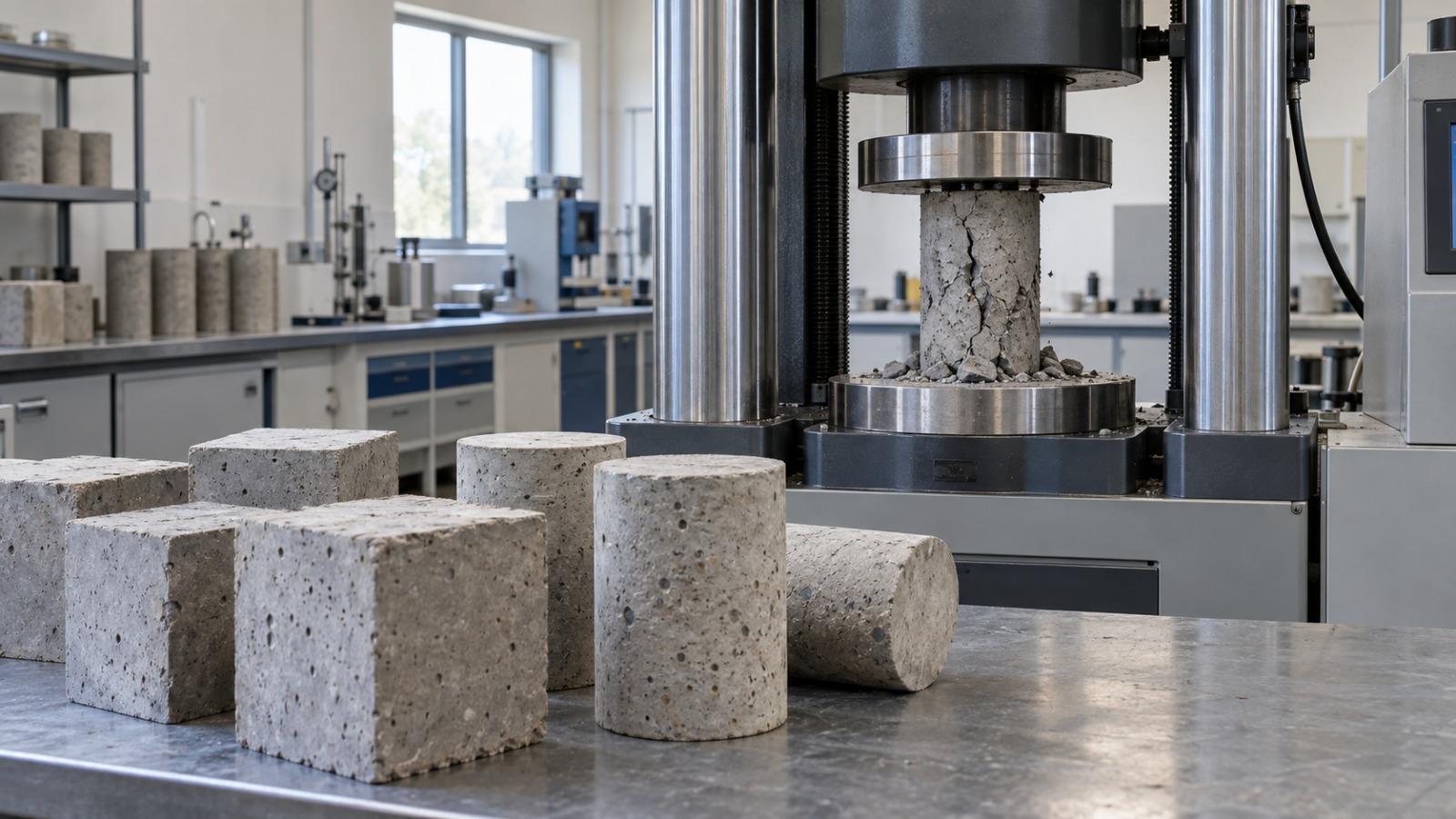
Evaluating only setting time is not sufficient when testing a set-accelerating admixture.

Initial workability, time-dependent consistency, concrete temperature, initial setting, final setting, air content and segregation behavior should also be monitored.

For hardened concrete, early-age and 28-day compressive strength should be measured according to application requirements.

These results provide a more complete understanding of how the admixture affects overall concrete performance.

EMA Kimya Set-Accelerating Concrete Admixture Solutions

EMA Kimya develops professional concrete admixture technologies for ready-mixed concrete plants, batching plants, precast and prefabricated concrete manufacturers, cold-weather concrete applications and high-performance concrete production.

Set-accelerating and auxiliary admixture systems can be optimized according to cement type, aggregate characteristics, water/cement ratio, concrete temperature, target setting time and early-strength requirements.

Superplasticizers, high-range water reducers, water-reducing admixtures and set-accelerating concrete admixtures can be evaluated together to develop solutions suitable for actual production conditions.

EMA Kimya's technical approach focuses not only on accelerating concrete setting, but also on optimizing workability, early strength, mold-cycle performance, concrete class, production continuity and cost performance together.

The right set-accelerating admixture system should not simply make concrete harden faster; it should provide controlled early-age performance that is compatible with the actual production and construction schedule.

Related News

What Is Alkali-Silica Reaction (ASR) in Concrete? How Can Internal Cracking and Long-Term Durability Loss Be Prevented?

Publication Date: 07 Ekim 2026

More Durable Concrete Against Freeze-Thaw Cycles with Air-Entraining Admixtures

Publication Date: 07 Ekim 2026

How Is Low-Carbon Concrete Produced?

Publication Date: 07 Ekim 2026

What Are Concrete Strength-Enhancing Admixtures? How Can Concrete Compressive Strength Be Increased?

Publication Date: 07 Ekim 2026

How Can Reinforcement Corrosion Be Prevented in Reinforced Concrete Structures? The Importance of Concrete Protection Products

Publication Date: 07 Ekim 2026

The Right Admixture Technology for Early Strength and Faster Demolding in Precast Concrete Production

Publication Date: 07 Ekim 2026

Higher and More Consistent Concrete Performance with Strength-Enhancing Admixtures

Publication Date: 07 Ekim 2026

Shotcrete Admixtures for Fast and Controlled Application in Tunnel and Underground Projects

Publication Date: 07 Ekim 2026

Why Do Segregation and Bleeding Occur in Concrete? The Right Admixture Technology for Homogeneous Concrete

Publication Date: 07 Ekim 2026

How to Improve Concrete Pumpability? Choosing the Right Admixture for Pumped Concrete

Publication Date: 07 Ekim 2026

How Can Concrete Strength Be Increased?

Publication Date: 07 Ekim 2026

What Causes Efflorescence in Concrete? How Can White Stains on Concrete Surfaces Be Prevented?

Publication Date: 07 Ekim 2026

What Is a Set-Accelerating Concrete Admixture? How Can Setting Time and Early Strength Be Controlled in Cold Weather?

Publication Date: 07 Ekim 2026

How Can Hydration Heat Be Controlled in Mass Concrete? The Right Admixture Technology for Dams and Large Concrete Pours

Publication Date: 07 Ekim 2026

More Efficient Production and Balanced Cement Performance with Cement Grinding Aids

Publication Date: 07 Ekim 2026

Web Design & Software | COUR Media