English
×
All rights reserved. All content and images used on this website
belong to EMA Kimya and may not be used without permission.
cour
 EMA Kimya | Concrete Admixtures, Cement Additives, Construction Chemicals, Superplasticizers, High-Range Water Reducers, Concrete Performance Solutions, Ready-Mix and Precast Concrete Technologies, Infrastructure, Industrial Projects, Technical Support, Production and Cost Consulting  EMA Kimya | Concrete Admixtures, Cement Additives, Construction Chemicals, Superplasticizers, High-Range Water Reducers, Concrete Performance Solutions, Ready-Mix and Precast Concrete Technologies, Infrastructure, Industrial Projects, Technical Support, Production and Cost Consulting
EMA Kimya | Concrete Admixtures, Cement Additives, Construction Chemicals, Superplasticizers, High-Range Water Reducers, Concrete Performance Solutions, Ready-Mix and Precast Concrete Technologies, Infrastructure, Industrial Projects, Technical Support, Production and Cost Consulting

"Strength in Every Mix,
Quality in Every Drop"

×

Quality, reliability, and a commitment to sustainable production.

We provide professional solutions in concrete admixtures and construction chemicals.

Menu

Quality, reliability, and a commitment to sustainable production.

We provide professional solutions in concrete admixtures and construction chemicals.

09 October 2026

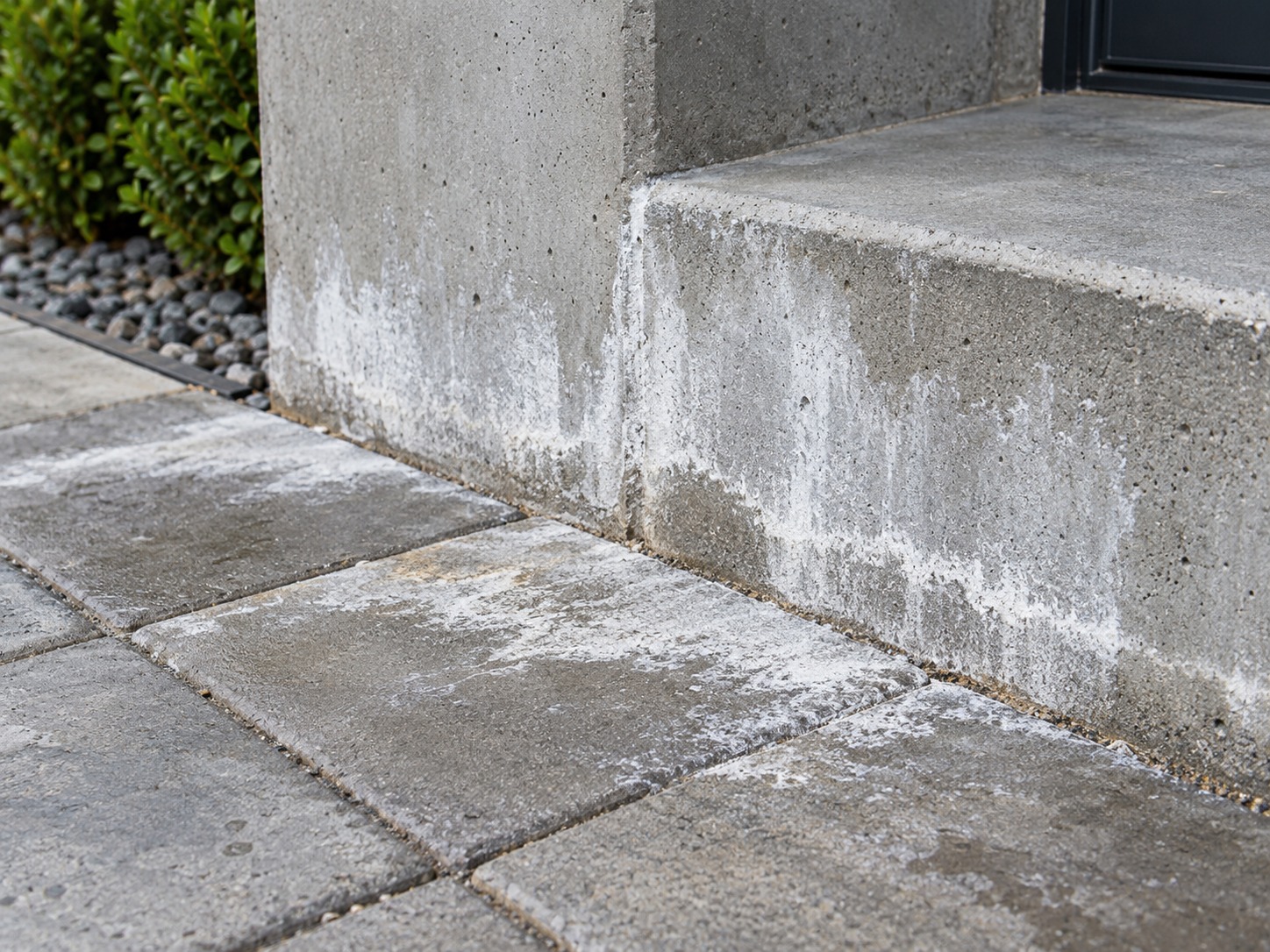
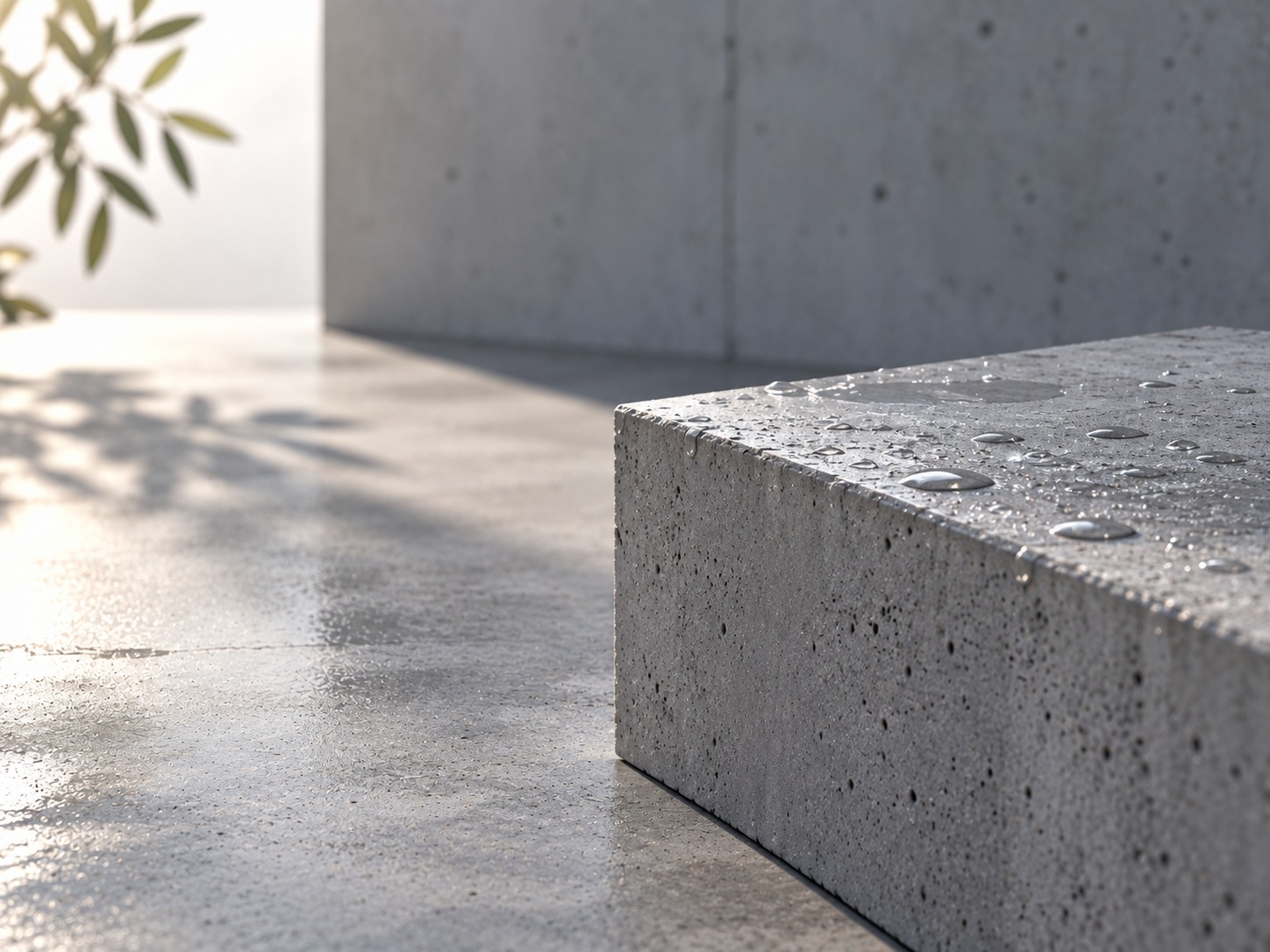
White stains, discoloration and mineral deposits that appear on concrete surfaces over time are common surface problems, particularly in precast concrete, architectural concrete, concrete paving blocks, industrial floors and outdoor concrete applications.

Many of these formations are associated with a process known as efflorescence in concrete, which occurs when dissolved salts and mineral components are transported to the concrete surface by water.

White deposits on concrete surfaces do not always indicate a structural problem. However, they can negatively affect surface quality, especially in applications where architectural appearance is important, and may sometimes indicate moisture movement within the concrete.

Proper concrete mix design, a controlled water/cement ratio, suitable concrete admixtures, effective curing and, where necessary, concrete protection products can help reduce the risk of efflorescence.

What Is Efflorescence in Concrete?

Efflorescence is the formation of mineral deposits on concrete surfaces when certain water-soluble components within the concrete are transported to the surface through moisture movement and remain there after the water evaporates.

These deposits generally appear as white, light gray or other light-colored stains.

For efflorescence to occur, soluble mineral components, sufficient moisture to dissolve them and water movement toward the surface must be present.

Therefore, efflorescence is related not only to the chemical composition of concrete but also to moisture movement and environmental conditions.

Why Do White Stains Appear on Concrete Surfaces?

White stains on concrete surfaces can have several causes.

Certain compounds formed during cement hydration may be transported to the surface through water movement within the concrete.

In particular, components such as calcium hydroxide may react with atmospheric carbon dioxide after reaching the surface, forming calcium carbonate deposits.

Additionally, soluble salts present in raw materials may accumulate on the surface under certain conditions.

However, not every white stain on concrete is efflorescence. Lime residues, application-related deposits and various forms of surface contamination can create similar appearances.

For this reason, identifying the actual cause is important before selecting an appropriate treatment method.

Does Efflorescence Affect Concrete Strength?

Efflorescence visible on the concrete surface does not necessarily indicate low compressive strength.

In many applications, it is primarily an aesthetic surface issue.

However, continuous moisture movement associated with efflorescence may sometimes provide information about concrete permeability or water exposure.

Therefore, particularly in cases of recurring efflorescence or heavy mineral deposits, not only the surface appearance but also the moisture source and environmental conditions should be evaluated.

How Does the Water/Cement Ratio Affect Efflorescence?

The water/cement ratio is an important parameter affecting the capillary pore structure of hardened concrete.

An excessively high water/cement ratio may lead to the formation of more interconnected pores, making water movement within the concrete easier.

This can facilitate the transport of certain dissolved mineral components toward the surface.

Suitable water-reducing and superplasticizing concrete admixtures can help achieve the required workability with less mixing water, supporting the development of a denser concrete structure.

However, a low water/cement ratio alone does not guarantee the complete prevention of efflorescence.

Why Is Concrete Permeability Important?

Concrete permeability plays an important role in the movement of water and certain dissolved substances within the concrete.

In highly permeable concrete, environmental water may penetrate more easily, and internal moisture may move toward the surface more readily.

For this reason, one of the main objectives of concrete protection is to control water movement.

Balanced aggregate grading, a suitable binder system, controlled water content, adequate compaction and effective curing can help develop a denser concrete structure.

Can Superplasticizers Prevent Efflorescence?

The primary purpose of superplasticizing concrete admixtures is to reduce water demand and improve workability by enhancing the dispersion of cement particles within the mixture.

A lower water/cement ratio can help reduce concrete permeability under suitable conditions.

This may help limit the water movement that contributes to efflorescence formation.

However, superplasticizers are not products that directly eliminate all efflorescence problems.

Cement characteristics, mineral components, aggregate properties, curing conditions and environmental moisture should also be evaluated together.

Can Aggregate Properties Cause Efflorescence?

The mineral composition of aggregates and certain soluble components they contain may influence the formation of surface deposits.

Aggregate cleanliness, fine material content, moisture levels and mixing-water quality are important for overall concrete performance.

Uncontrolled changes in raw materials can also affect water demand and the internal structure of concrete.

Therefore, when efflorescence occurs, not only cement but also aggregates and other raw materials should be examined.

Does Concrete Curing Affect Efflorescence?

Yes.

Proper curing helps cement hydration continue under suitable conditions.

Insufficient curing may result in a more permeable structure, particularly near the concrete surface.

This can influence the movement of water and dissolved substances.

However, the curing method should be selected according to surface conditions and the products being applied.

The objective is not only to prevent early-age drying but also to support long-term concrete durability.

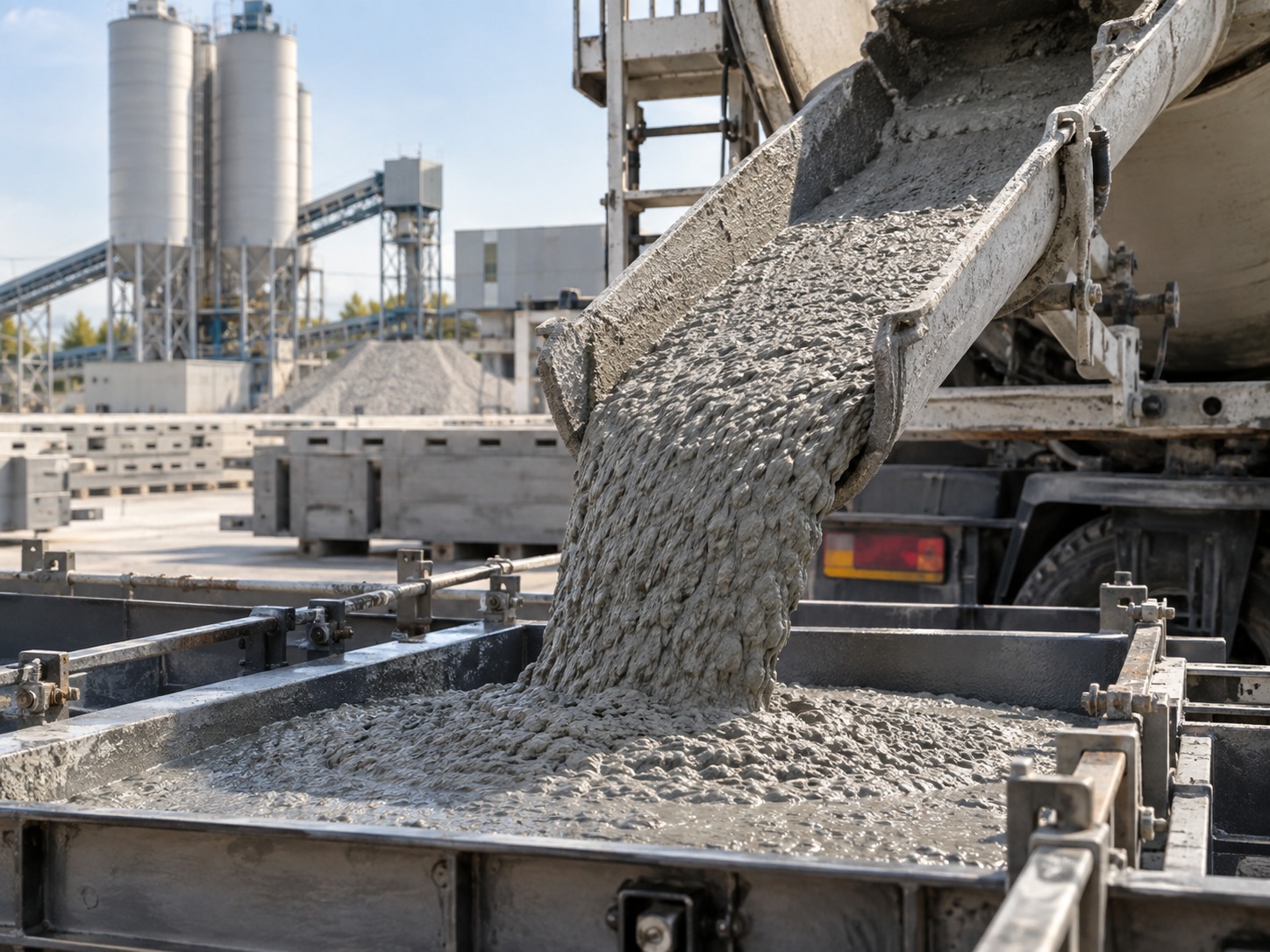
Why Is Efflorescence Important in Precast Concrete Production?

Surface appearance is an important quality criterion in precast concrete production.

Architectural facade panels, decorative concrete elements, concrete blocks and exposed precast products are expected to have a consistent color and texture.

White mineral deposits on the surface can negatively affect the visual consistency of these products.

For this reason, concrete mix design, mold conditions, curing schedules and product storage conditions should be evaluated together in precast production.

Proper manufacturing and storage practices can help reduce unwanted surface formations.

Efflorescence in Concrete Paving Blocks and Outdoor Products

Concrete paving blocks and outdoor concrete products may be exposed to rain, ground moisture and temperature changes during service.

These conditions can cause water movement within the concrete.

Dissolved mineral components transported to the surface may leave white deposits after evaporation.

For this reason, concrete paving block production should consider not only strength and color but also raw material quality, water content, curing conditions and storage.

How Can Surface Quality Be Maintained in Architectural Concrete?

In architectural concrete applications, the concrete surface is a visible part of the structure itself.

Therefore, discoloration, mineral deposits and irregular stains may negatively affect the overall architectural appearance.

A balanced concrete mix, controlled production, suitable formwork and proper curing can help achieve more uniform surfaces.

Where necessary, project-specific surface protection products may also be considered.

However, concrete moisture conditions and subsequent service requirements should be evaluated before selecting a surface protection system.

White Stains on Industrial Concrete Floors

White stains on industrial concrete floors may result from different causes.

Moisture movement, mineral deposits, cleaning chemicals or specific operating conditions can create similar surface appearances.

For this reason, white stains on an industrial concrete floor should not automatically be diagnosed as efflorescence.

The source of the deposits should first be identified.

Where necessary, the moisture condition of the concrete and the existing surface protection system should be technically evaluated.

Do Rain and Groundwater Affect Efflorescence?

Yes.

Continuous or repeated water exposure can influence the movement of dissolved components within concrete.

Water movement may continue, particularly in concrete elements with inadequate drainage or persistent moisture exposure.

For this reason, outdoor concrete applications should consider drainage, water removal and environmental conditions in addition to concrete mix design.

Controlling the moisture source is one of the fundamental approaches to reducing efflorescence risk.

What Do Concrete Protection Products Do?

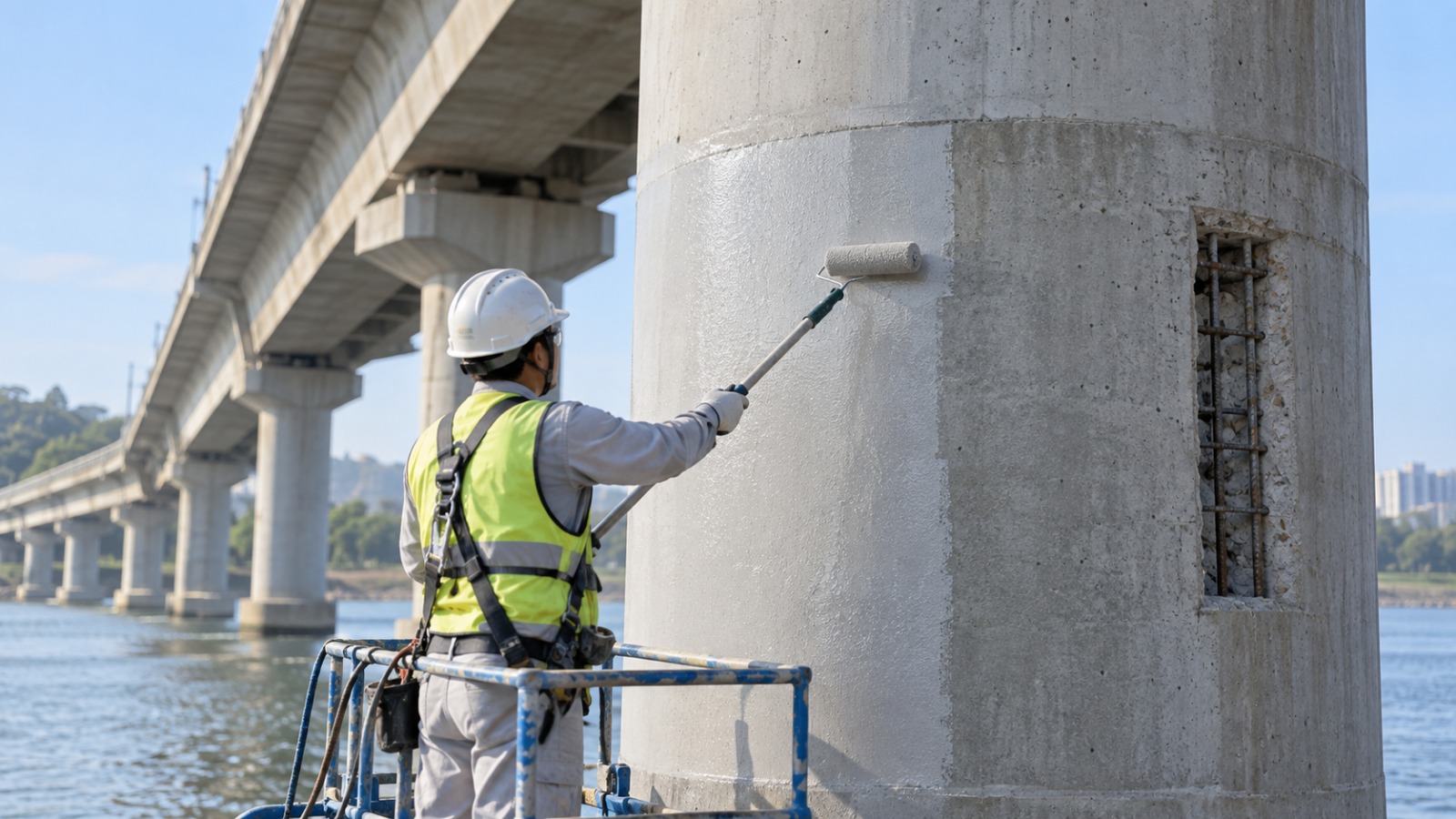
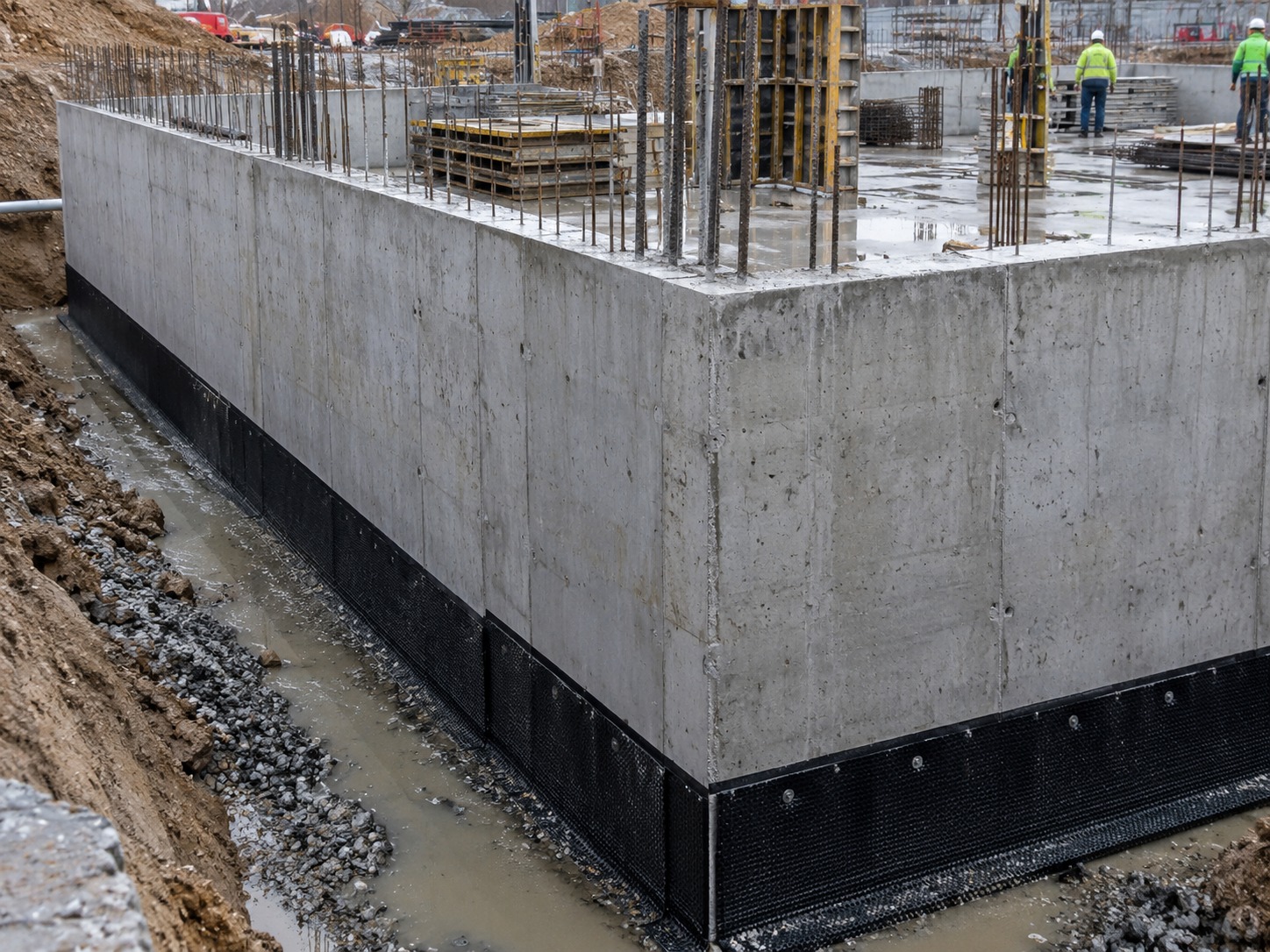
Depending on their technology, concrete protection products can help protect concrete surfaces against water and certain environmental effects.

Some surface protection systems are designed to reduce liquid water absorption.

In suitable applications, these systems may help limit water penetration through the concrete surface.

However, the performance of surface protection products depends on the condition of the concrete, its cracking characteristics, moisture level and environmental exposure.

Therefore, a concrete protection product should not be selected simply to conceal white surface stains.

The Relationship Between Efflorescence and Concrete Carbonation

Certain calcium compounds within concrete can react with carbon dioxide to form calcium carbonate.

During efflorescence, calcium hydroxide transported to the surface may undergo carbonation, contributing to the formation of white mineral deposits.

However, calcium carbonate deposits on a concrete surface and the carbonation process that progresses into concrete over time and reduces its alkalinity are not the same phenomenon.

Therefore, the presence of white mineral deposits does not automatically indicate reinforcement corrosion.

How Can Efflorescence Be Removed?

The appropriate cleaning method depends on the type of deposit and the characteristics of the concrete surface.

Some light surface deposits may be reduced using suitable dry-cleaning methods.

However, heavy or persistent mineral deposits may require other technical cleaning procedures.

Uncontrolled use of acids or aggressive chemicals that could damage the concrete surface should be avoided.

Especially on architectural and decorative concrete, the selected cleaning method should be tested on a small area before full application.

Most importantly, if the moisture source responsible for efflorescence remains active after cleaning, the problem may recur.

Can Efflorescence Be Completely Prevented?

The risk of efflorescence can be reduced, but guaranteeing zero risk under all concrete systems and environmental conditions is not technically realistic.

Raw material characteristics, internal pore structure, moisture conditions and environmental exposure can all influence the result.

The correct approach is to control concrete permeability, select suitable raw materials, apply proper curing and minimize uncontrolled water movement wherever possible.

These measures can help reduce the likelihood of unwanted mineral deposits forming on concrete surfaces.

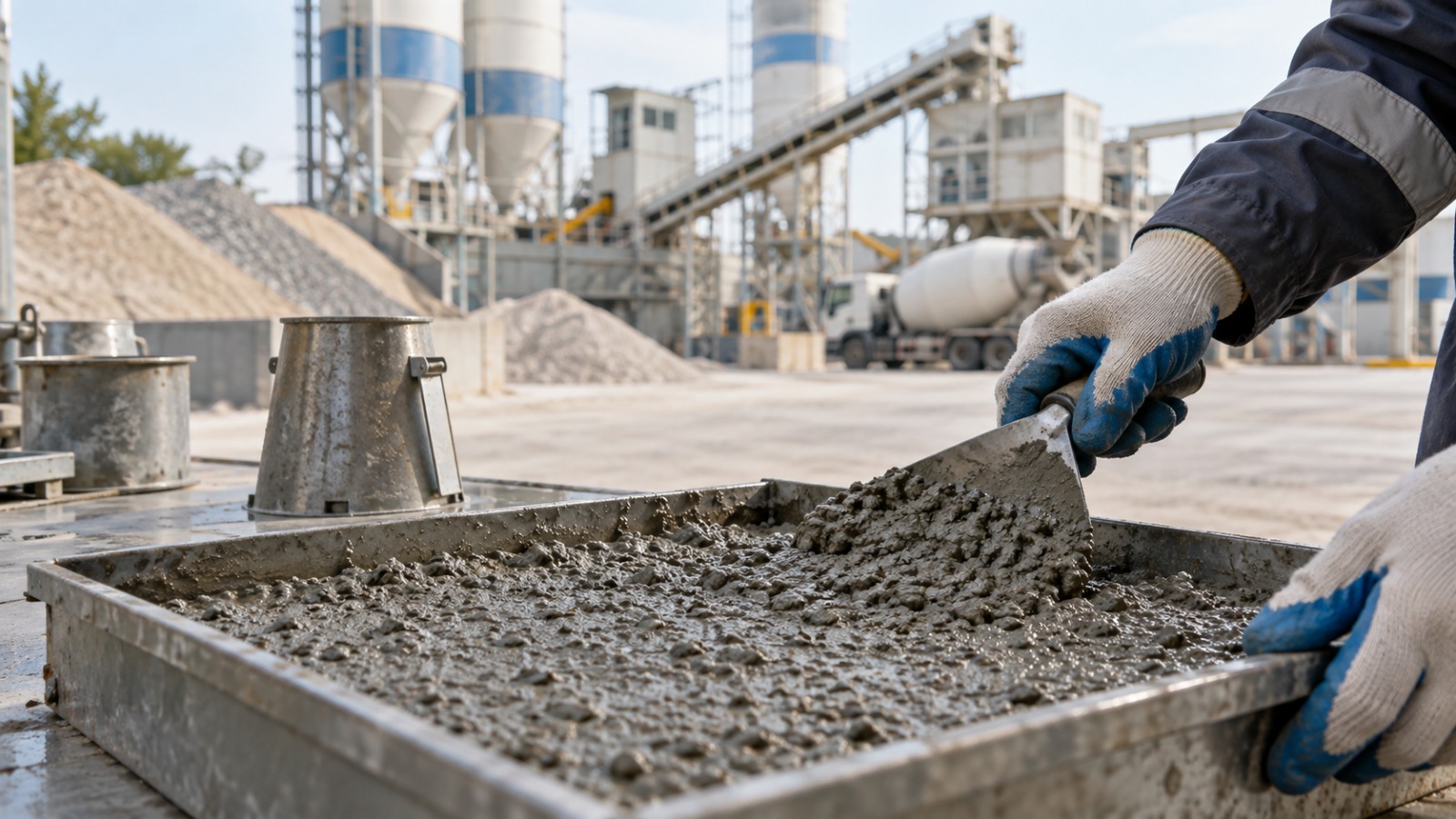
How Can Surface Quality Be Improved in Ready-Mixed Concrete Plants?

Surface quality in ready-mixed concrete production does not depend only on slump.

Cement and aggregate characteristics, water/cement ratio, admixture dosage, mixture homogeneity and placement methods should all be evaluated together.

High-performance concrete admixtures can help achieve the required workability through more controlled water consumption.

However, proper placement and curing on site are also important for surface performance.

For this reason, ready-mixed concrete producers and construction teams should work in coordination.

Concrete Surface Protection Applications in Central Anatolia

Hot and dry summer conditions, winter precipitation and seasonal temperature changes in Central Anatolia can affect moisture behavior in concrete.

Cement, aggregate and local environmental conditions may vary between cities such as Konya, Ankara, Kayseri, Aksaray, Karaman, Niğde, Nevşehir, Kırşehir, Eskişehir, Sivas and Yozgat.

For this reason, the surface performance of precast concrete, concrete paving blocks, ready-mixed concrete and outdoor concrete applications in the region should be evaluated according to local conditions.

Laboratory and batching-plant trials can help determine the appropriate combination of concrete admixtures and mix design.

EMA Kimya Concrete Protection and High-Performance Concrete Admixture Solutions

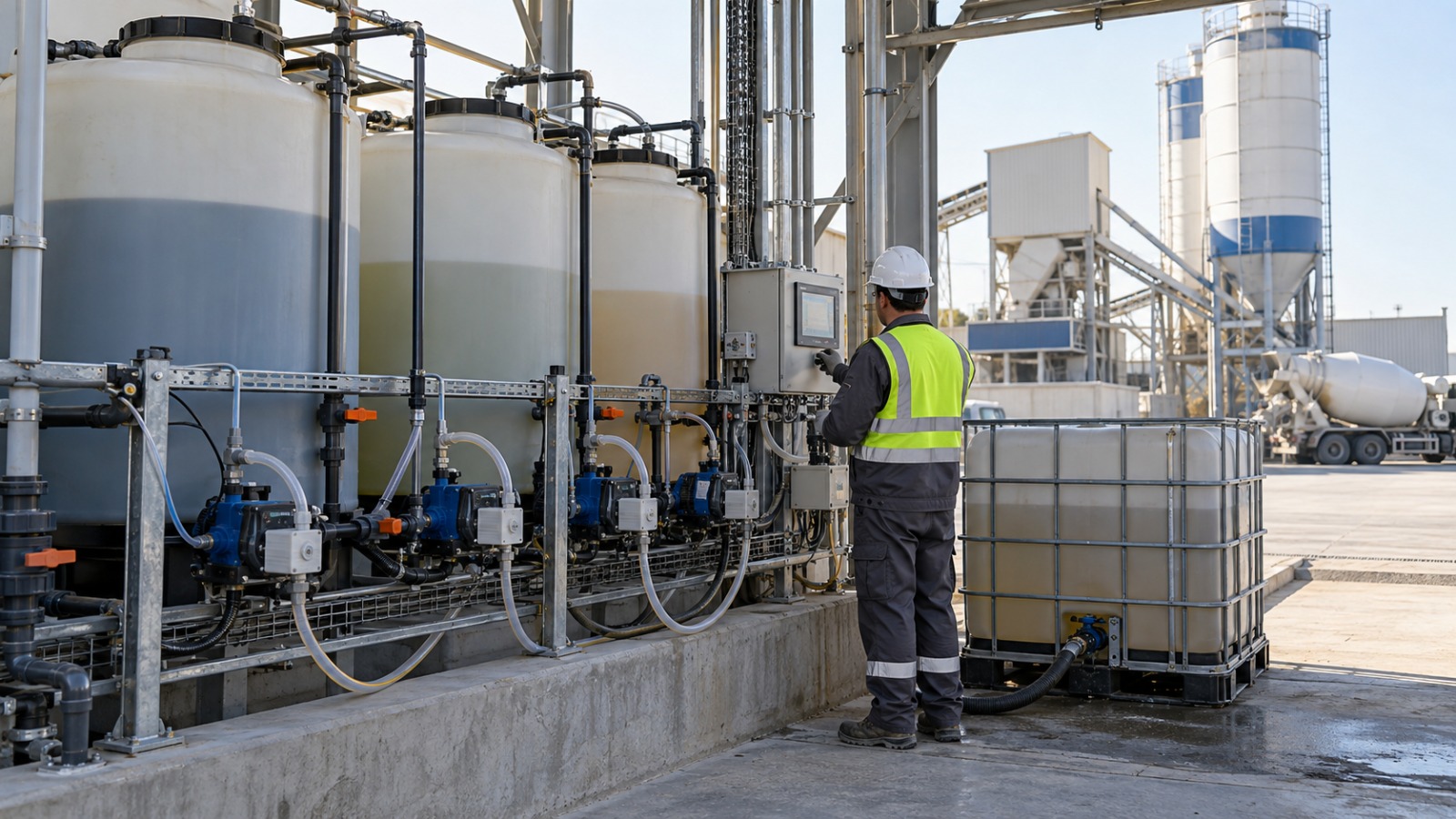
EMA Kimya develops professional concrete admixtures, concrete protection products and construction chemical solutions for ready-mixed concrete plants, batching plants, precast and prefabricated concrete manufacturers, architectural concrete applications, industrial floors and large-scale infrastructure projects.

Suitable admixture systems can be optimized by evaluating cement characteristics, aggregate structure, water/cement ratio, concrete temperature, target workability, surface quality and environmental conditions.

Superplasticizers, high-range water reducers, water-reducing concrete admixtures and auxiliary concrete admixtures can help support homogeneous concrete production and the development of a more controlled internal structure.

EMA Kimya's technical approach focuses not only on achieving high compressive strength but also on improving controlled water consumption, low permeability, surface quality, production consistency and long-term concrete durability together.

High-quality concrete is not simply concrete that provides high strength; it is a homogeneous and durable concrete system in which water movement and surface performance are properly managed from production through application.

Related News

Higher Performance with Less Water Using High-Range Water-Reducing Concrete Admixtures

Publication Date: 09 Ekim 2026

Concrete Protection Products and Their Advantages

Publication Date: 09 Ekim 2026

How Can Reinforcement Corrosion Be Prevented in Reinforced Concrete Structures? The Importance of Concrete Protection Products

Publication Date: 09 Ekim 2026

How to Improve Water Resistance in Concrete? The Right Admixture Technology for Low-Permeability Concrete

Publication Date: 09 Ekim 2026

Support Surface Strength and Long-Term Performance with Concrete Curing and Protection Products

Publication Date: 09 Ekim 2026

What Are Auxiliary Concrete Admixtures? How Can Stability and Performance Be Controlled in Ready-Mixed Concrete?

Publication Date: 09 Ekim 2026

What Are Concrete Admixture Dosing Errors? Correct Storage and Use in Ready-Mixed Concrete Plants

Publication Date: 09 Ekim 2026

What Do Cement Grinding Aids Do? How Can Cement Performance and Production Efficiency Be Improved?

Publication Date: 09 Ekim 2026

Why Do Honeycombing and Voids Occur in Concrete? The Right Application and Admixture Technology for More Homogeneous Concrete

Publication Date: 09 Ekim 2026

How to Choose Ready-Mix Concrete Admixtures? Key Factors That Determine Concrete Performance

Publication Date: 09 Ekim 2026

What Is Alkali-Silica Reaction (ASR) in Concrete? How Can Internal Cracking and Long-Term Durability Loss Be Prevented?

Publication Date: 09 Ekim 2026

What Causes Segregation and Bleeding in Concrete? How Can Homogeneous Concrete Be Achieved?

Publication Date: 09 Ekim 2026

How to Improve Concrete Pumpability? Choosing the Right Admixture for Pumped Concrete

Publication Date: 09 Ekim 2026

What Is an Air-Entraining Concrete Admixture? How Can Freeze-Thaw Resistance and Long-Term Concrete Durability Be Improved?

Publication Date: 09 Ekim 2026

The Importance of Concrete Admixtures in the Construction Industry

Publication Date: 09 Ekim 2026

Web Design & Software | COUR Media