English
×
All rights reserved. All content and images used on this website
belong to EMA Kimya and may not be used without permission.
cour
 EMA Kimya | Concrete Admixtures, Cement Additives, Construction Chemicals, Superplasticizers, High-Range Water Reducers, Concrete Performance Solutions, Ready-Mix and Precast Concrete Technologies, Infrastructure, Industrial Projects, Technical Support, Production and Cost Consulting  EMA Kimya | Concrete Admixtures, Cement Additives, Construction Chemicals, Superplasticizers, High-Range Water Reducers, Concrete Performance Solutions, Ready-Mix and Precast Concrete Technologies, Infrastructure, Industrial Projects, Technical Support, Production and Cost Consulting
EMA Kimya | Concrete Admixtures, Cement Additives, Construction Chemicals, Superplasticizers, High-Range Water Reducers, Concrete Performance Solutions, Ready-Mix and Precast Concrete Technologies, Infrastructure, Industrial Projects, Technical Support, Production and Cost Consulting

"Strength in Every Mix,
Quality in Every Drop"

×

Quality, reliability, and a commitment to sustainable production.

We provide professional solutions in concrete admixtures and construction chemicals.

Menu

Quality, reliability, and a commitment to sustainable production.

We provide professional solutions in concrete admixtures and construction chemicals.

23 September 2026

Concrete performance does not depend solely on the amount of cement used in the mix. The water/cement ratio, aggregate properties, placement quality, curing conditions and chemical admixtures can all directly affect both early-age and final strength.

In structures requiring high strength, simply increasing the cement content is not always the most efficient solution. Modern concrete technology focuses on achieving a more controlled, homogeneous and high-performance concrete structure through an optimized mix design and the correct use of strength-enhancing concrete admixtures.

What Is Concrete Compressive Strength?

Compressive strength is one of the key performance criteria used to define the maximum compressive load that concrete can withstand.

It is an important parameter for determining concrete classes and evaluating the load-bearing capacity, safety and service life of structures.

However, achieving high compressive strength does not depend only on increasing cement dosage. Reducing internal voids and creating a denser concrete structure are also essential.

How Can Concrete Strength Be Increased?

One of the most important parameters affecting concrete strength is the water/cement ratio.

Using excessive water may improve initial workability, but it can also increase porosity after hardening.

This can negatively affect both compressive strength and long-term durability.

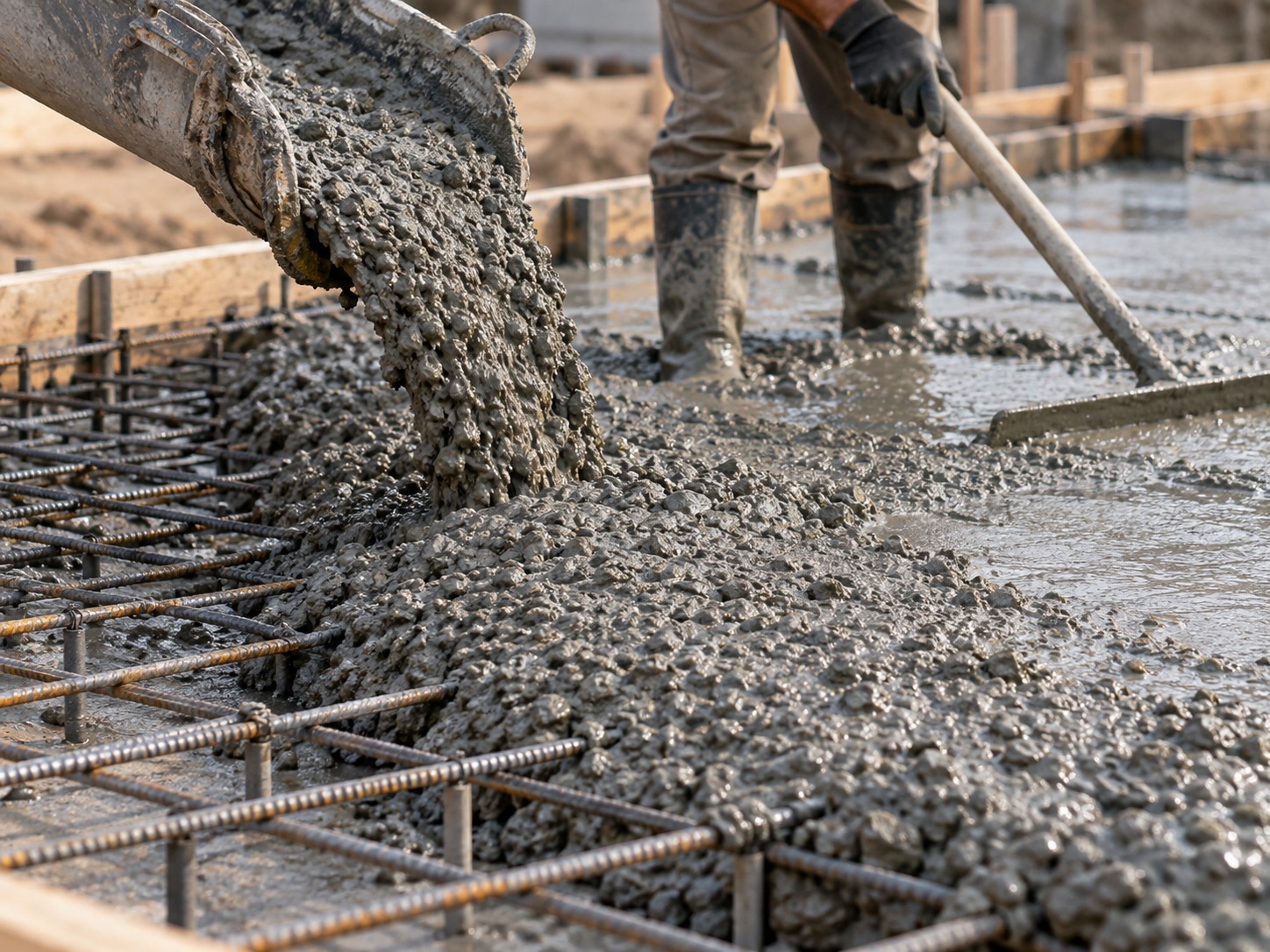
High-performance concrete admixtures can help maintain the required workability with less mixing water. This supports the formation of a denser and more homogeneous concrete structure.

What Do Strength-Enhancing Concrete Admixtures Do?

Strength-enhancing concrete admixtures are specialized chemical systems used to improve the mechanical performance of concrete.

Depending on the admixture technology and concrete mix design, these products can support more efficient cement hydration, improve concrete microstructure and help achieve targeted strength values.

The admixture system can be optimized to improve early strength, final strength or both.

The Difference Between Early and Final Strength

Early strength refers to the mechanical performance concrete develops during the first hours and days after placement.

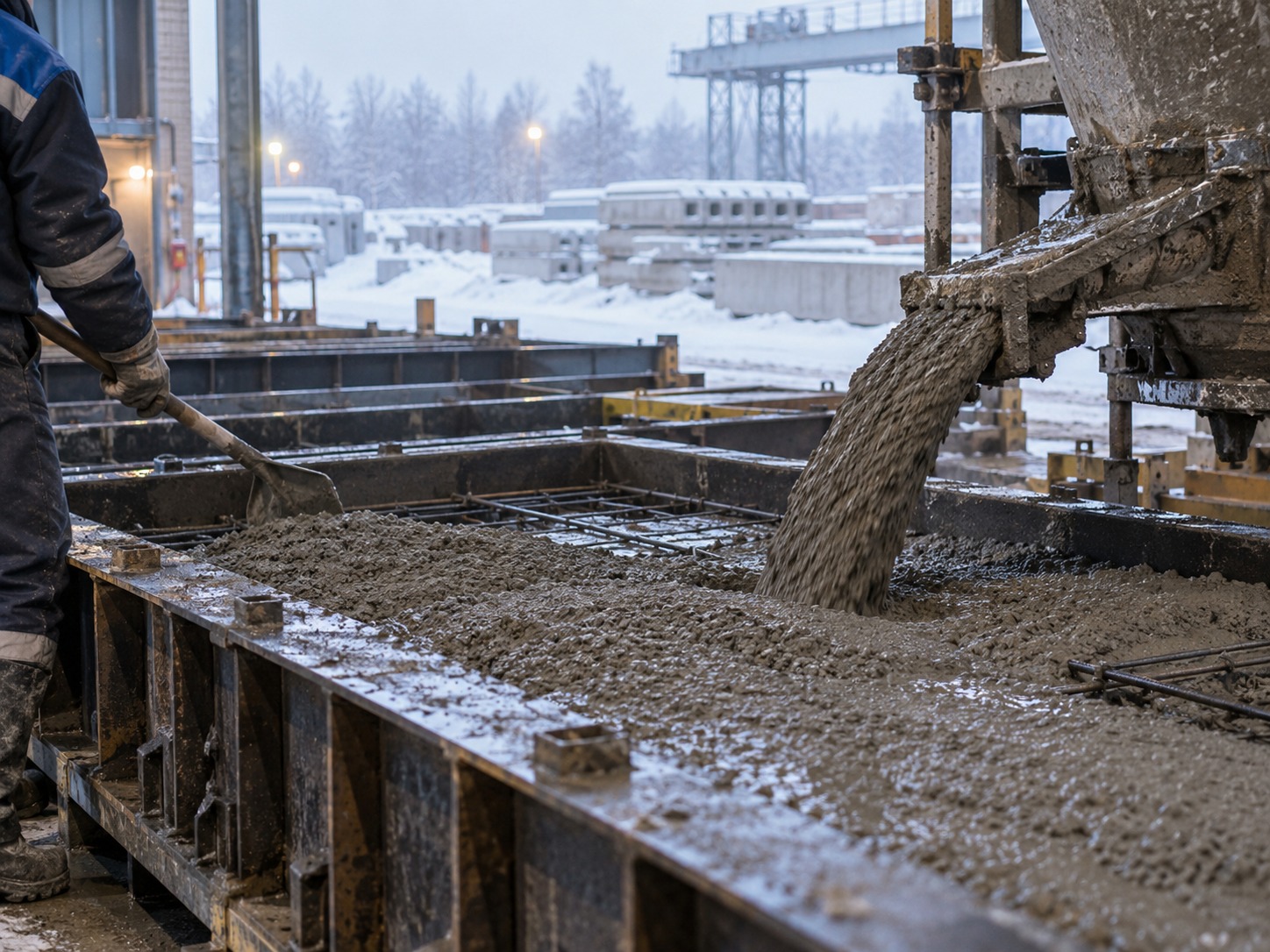
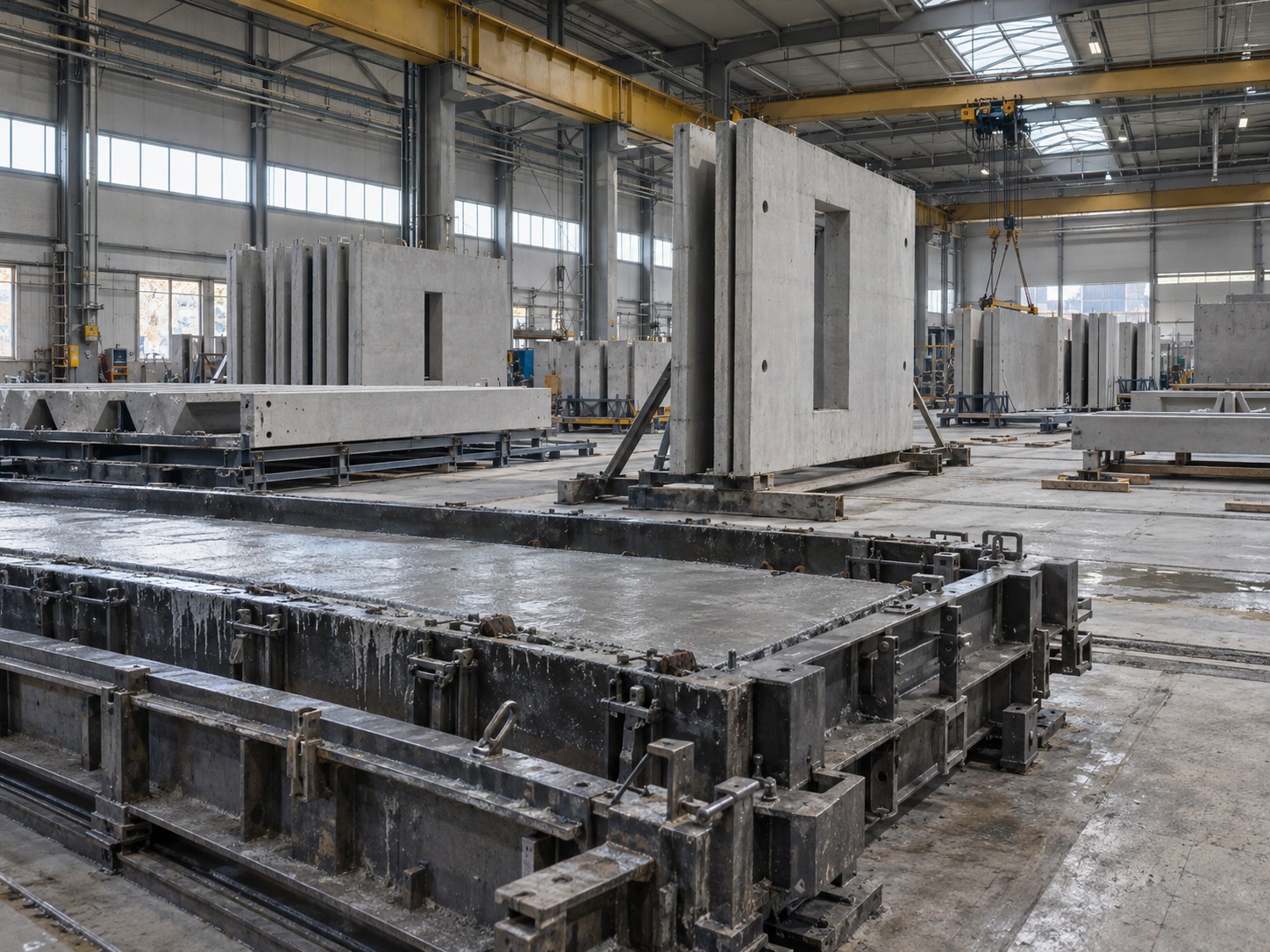
It is particularly important in precast production, fast demolding applications and projects requiring short production cycles.

Final strength refers to the performance concrete reaches at later ages.

An admixture system should not be evaluated only by the strength achieved during the first days. The 28-day and long-term performance of the concrete must also meet project requirements.

For this reason, the balance between early and final strength should be considered during admixture selection.

Why Is a Low Water/Cement Ratio Important?

Excess water in concrete can leave pores within the hardened structure as it evaporates or is consumed during different processes.

An increase in these pores can negatively affect the mechanical properties of concrete.

A properly designed concrete mix with a low water/cement ratio supports a more compact structure.

The combined use of high-range water-reducing and strength-supporting admixtures can help maintain the required workability even at lower water contents.

Strength Consistency in Ready-Mixed Concrete Production

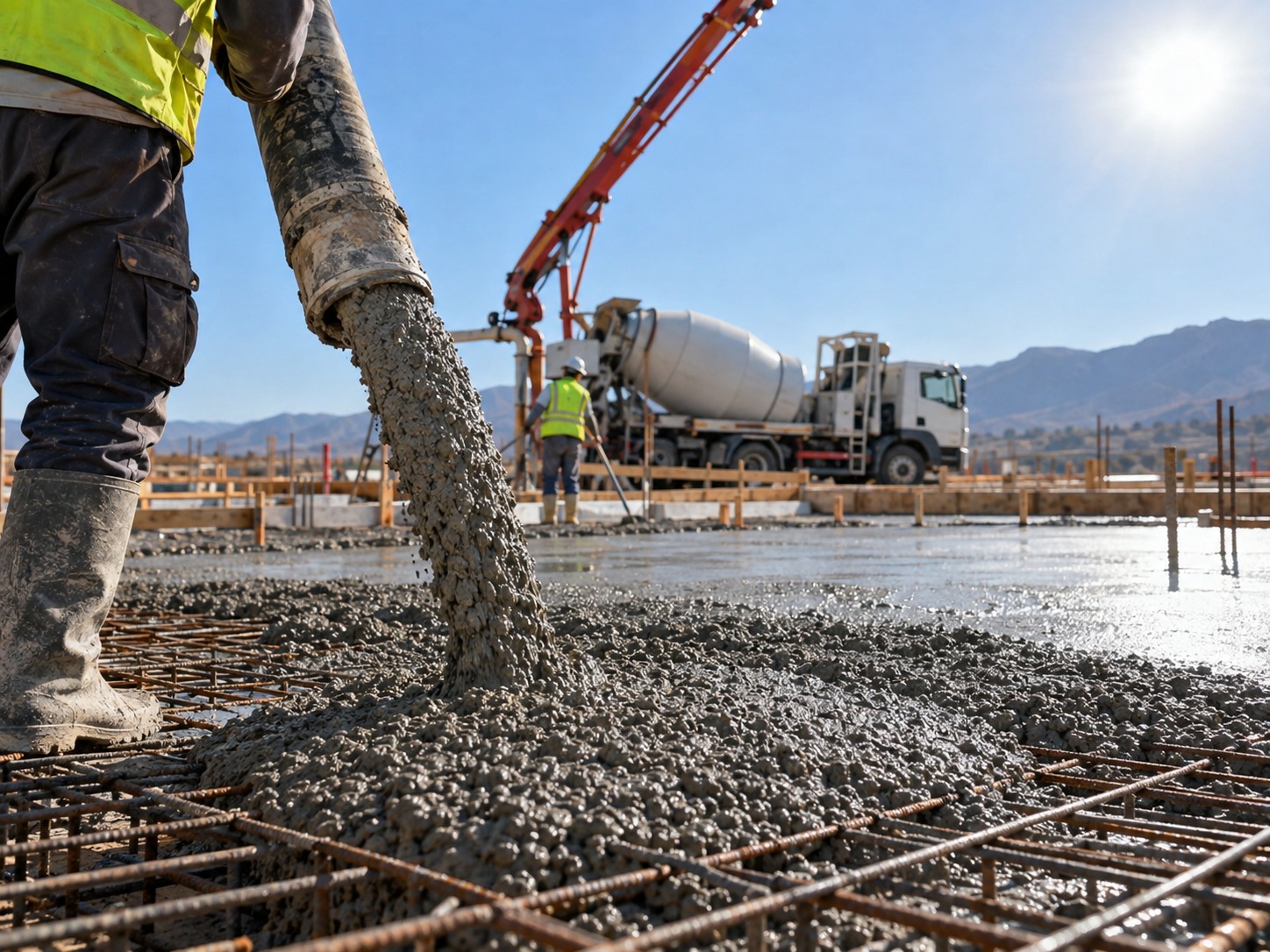
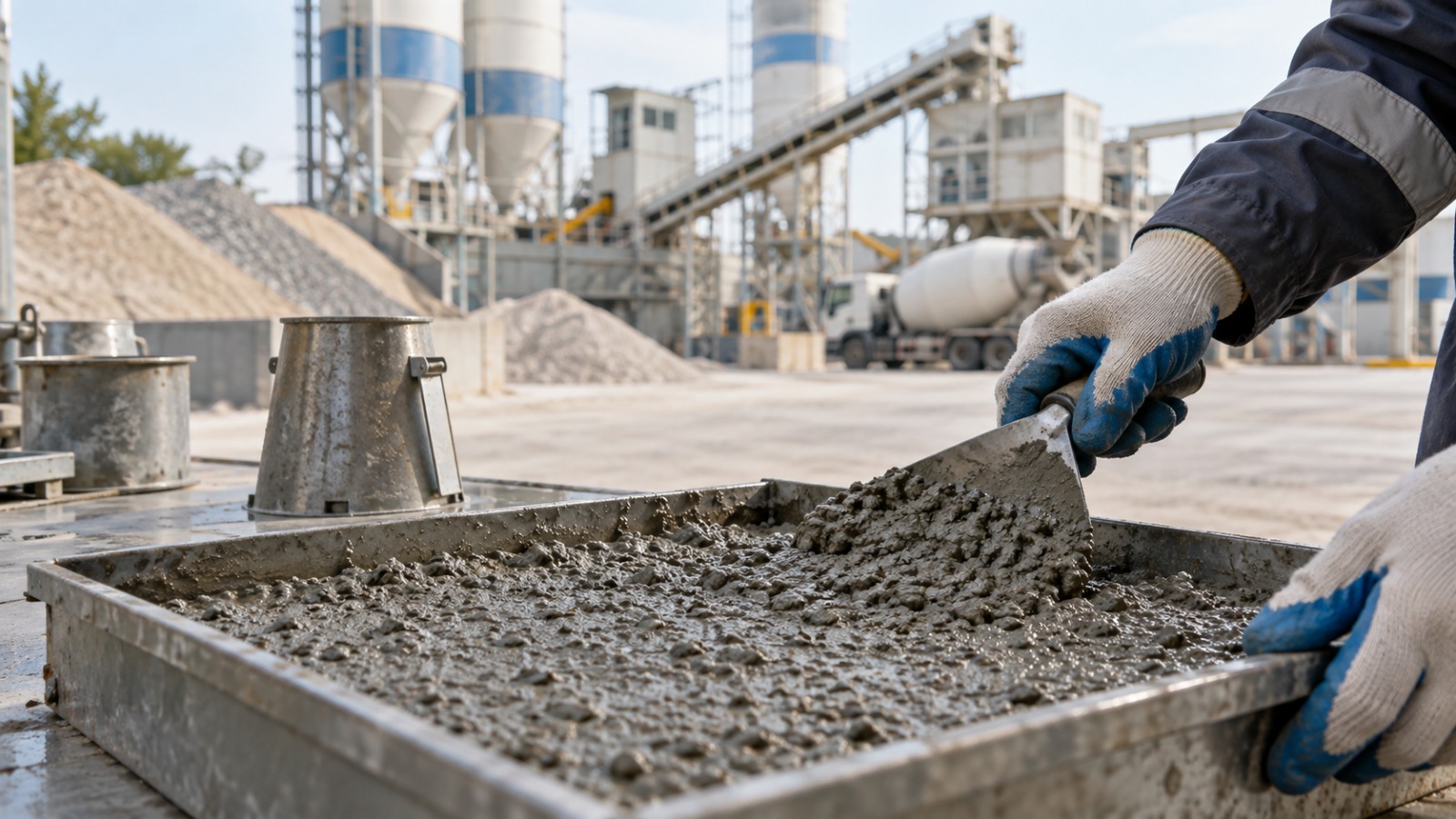
In ready-mixed concrete plants, achieving high strength is important, but maintaining consistent performance from batch to batch is equally critical.

Changes in cement characteristics, aggregate moisture, temperature and production conditions can cause variations in concrete strength.

For this reason, concrete mix designs should be monitored regularly, and the admixture system should be optimized when raw material conditions change.

Professional technical support and laboratory control can help achieve more stable strength performance throughout production.

Where Is High-Strength Concrete Used?

High-strength concrete may be preferred in structures exposed to heavy loads or in projects where structural sections need to be optimized.

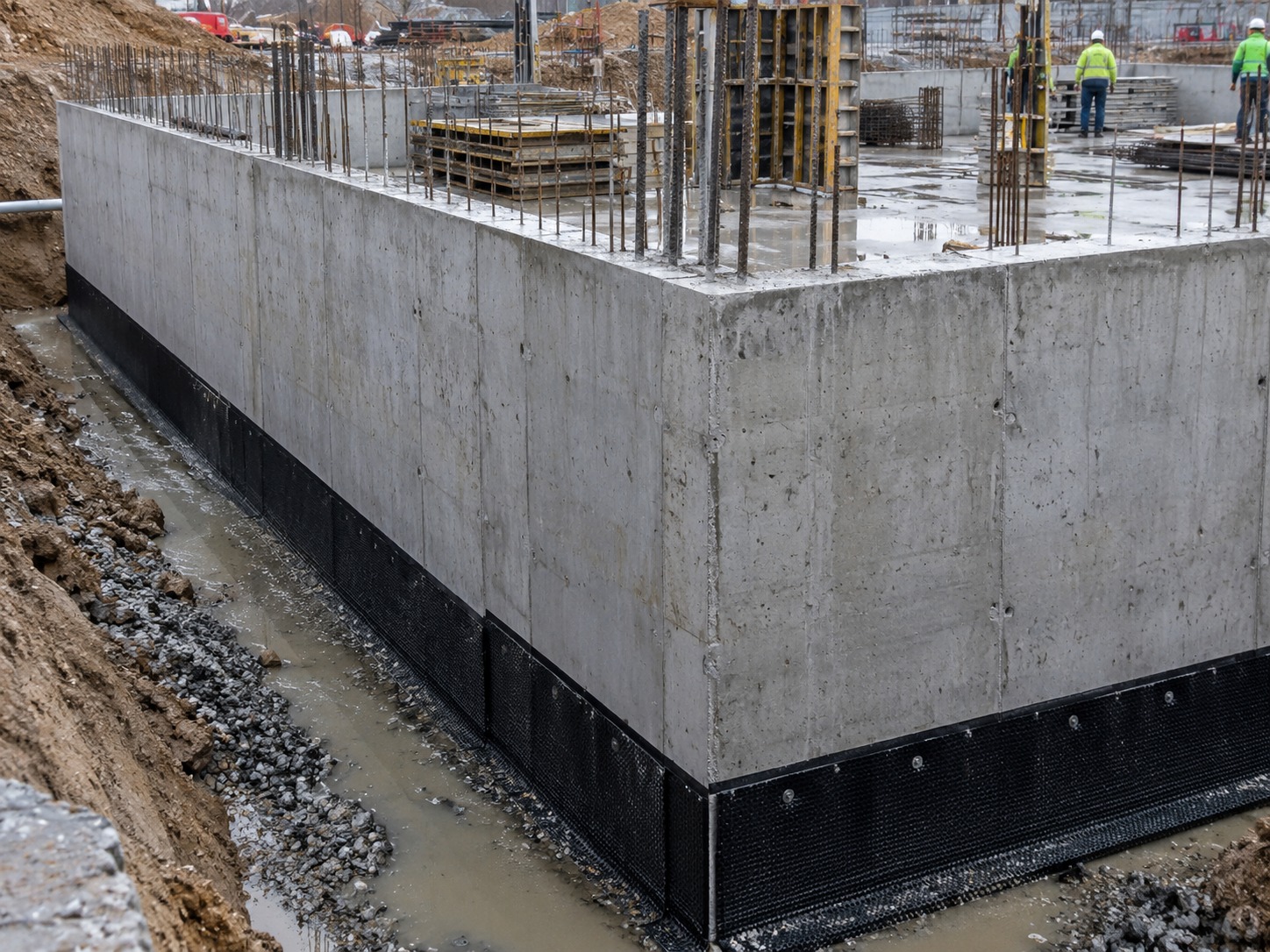
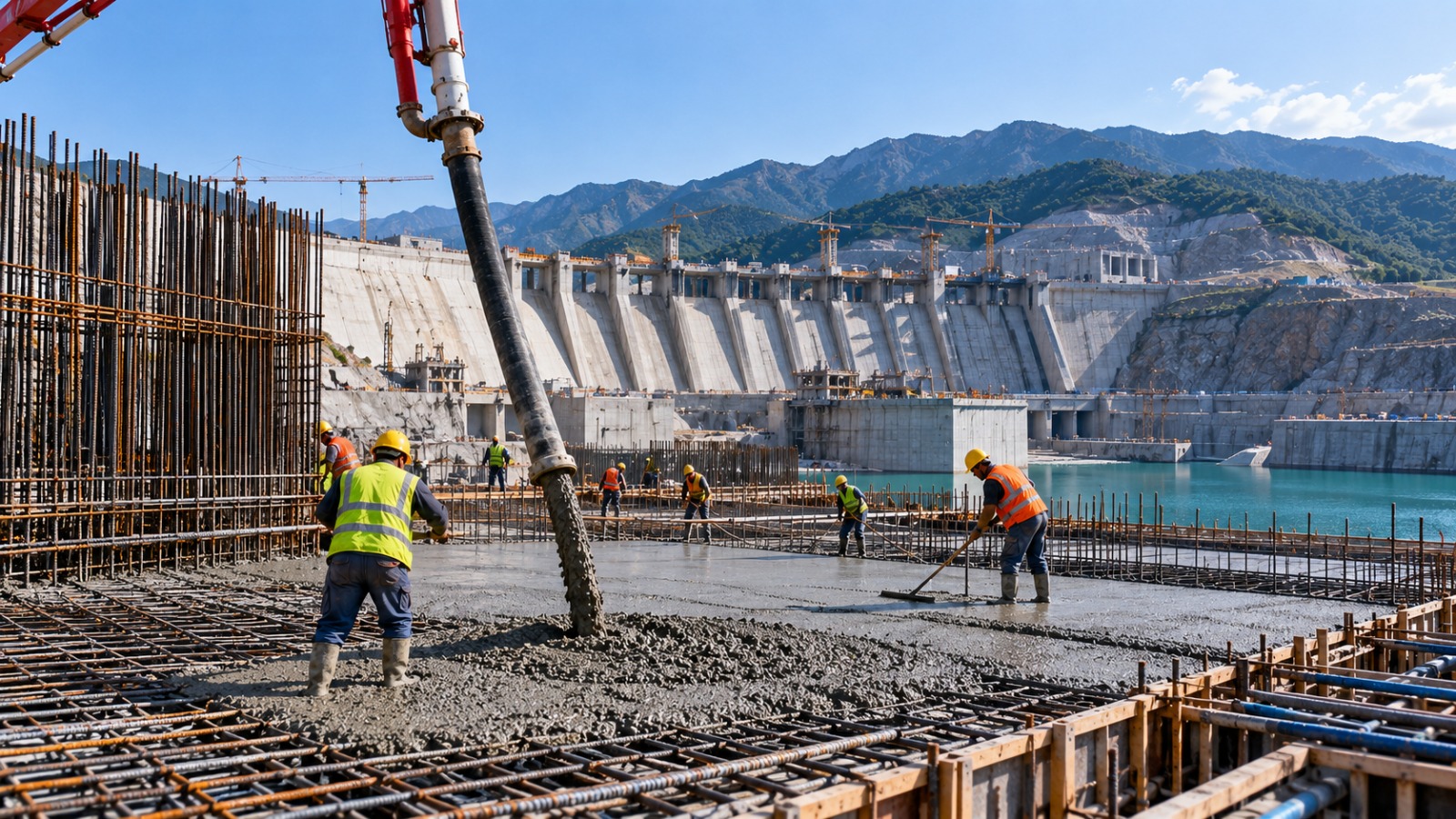
High-rise buildings, bridges, viaducts, industrial facilities, infrastructure projects, precast elements and special engineering structures are among the applications where high concrete performance is important.

In these projects, strength should be evaluated together with pumpability, workability, slump retention and durability.

Is Increasing Cement Content Always the Right Solution?

Increasing cement content without proper optimization is not always the most economical or technically efficient way to improve concrete strength.

Higher cement dosage can increase production costs and may also affect thermal behavior and shrinkage characteristics.

A mix design optimized according to the required concrete performance provides a more balanced approach.

Suitable admixture technology can help use available raw materials more efficiently and optimize overall concrete performance.

Why Are Laboratory Trials Necessary?

Every cement and aggregate combination can interact differently with chemical admixtures.

For this reason, the performance of a strength-enhancing admixture should not be evaluated only from technical product data.

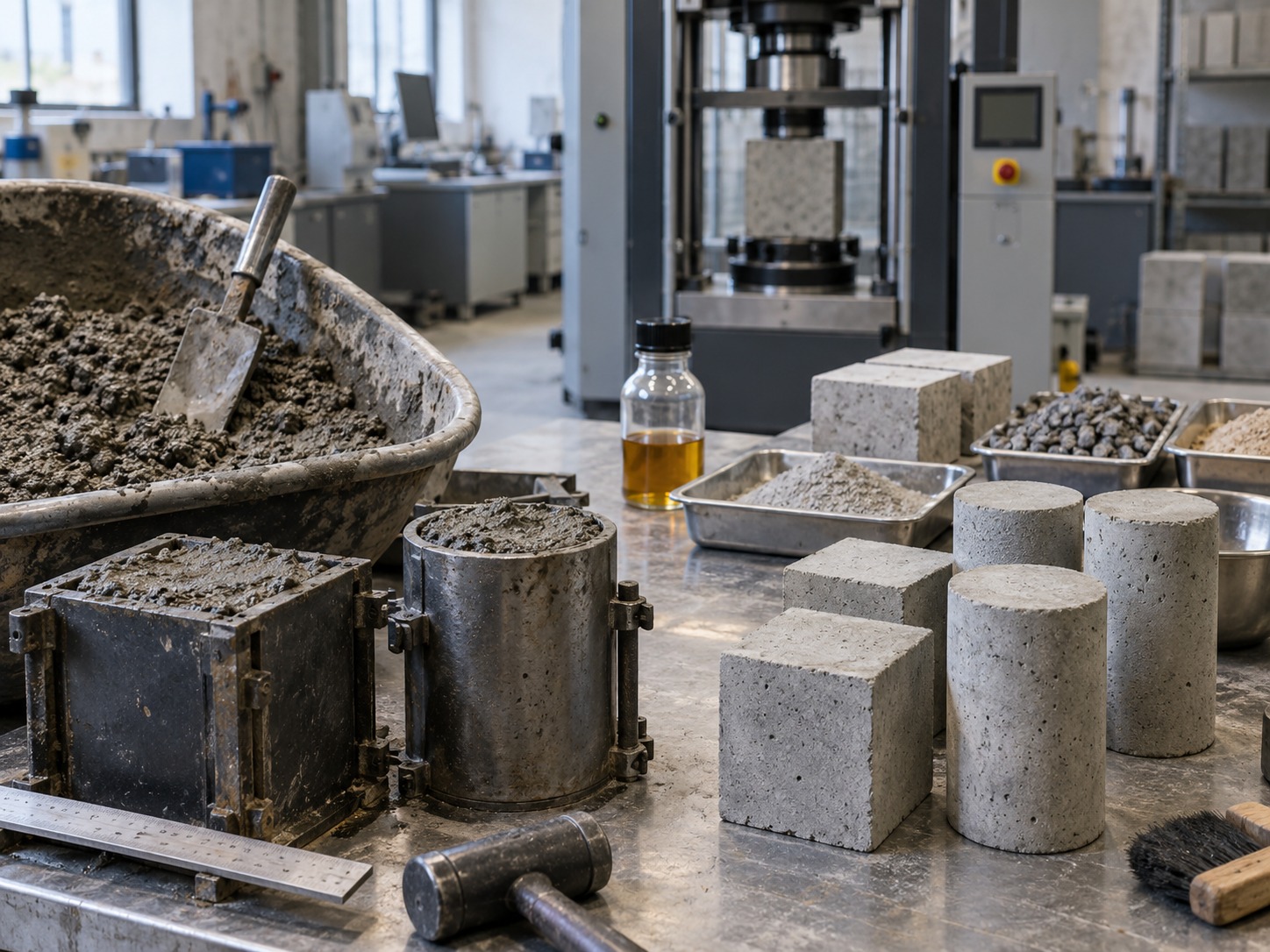
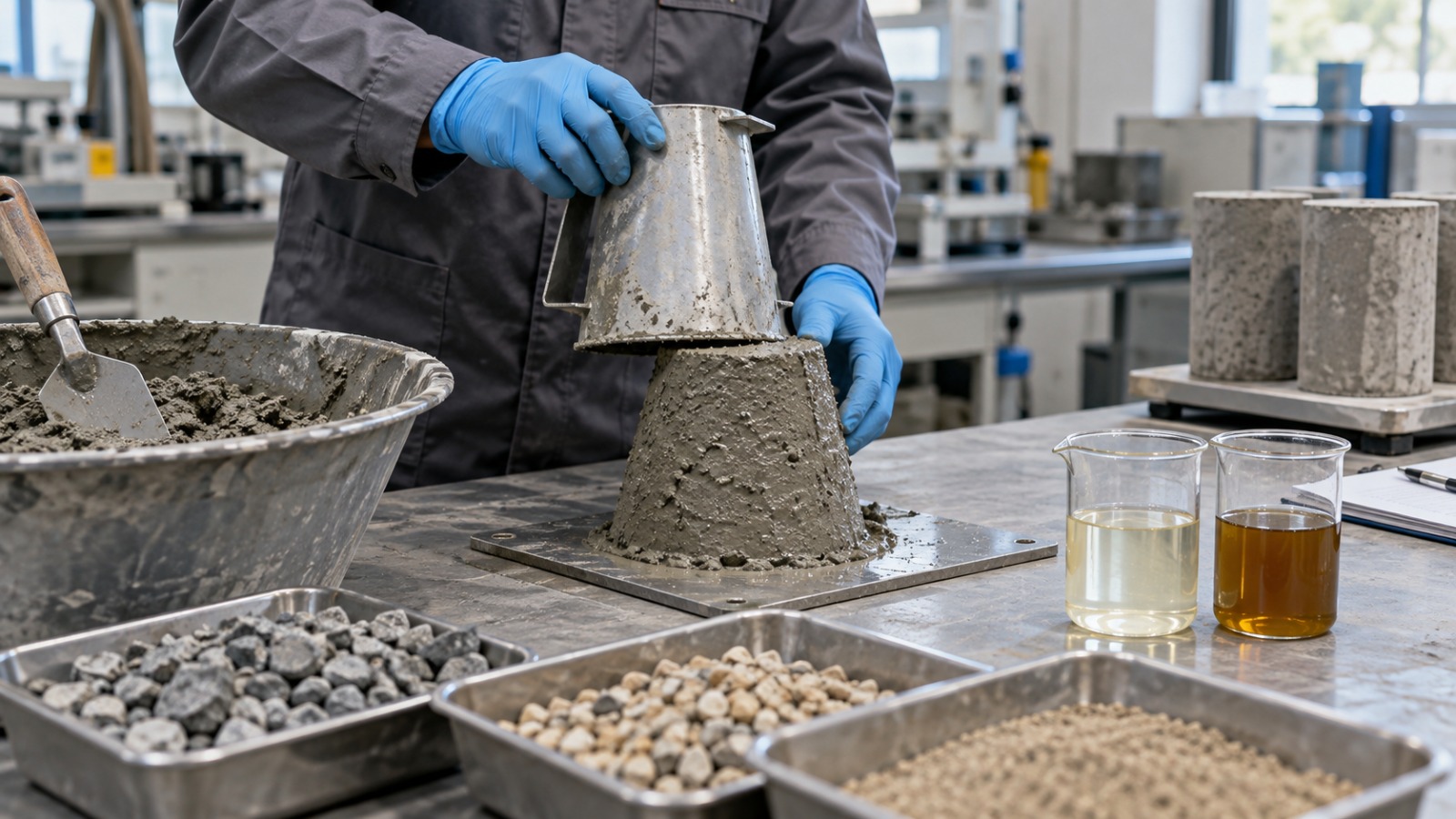
Laboratory trials using actual production materials can be used to evaluate water demand, workability, slump retention, early strength and final strength together.

These studies help determine the most suitable admixture type and dosage for the concrete mix and support more controlled field performance.

EMA Kimya Strength-Enhancing Concrete Admixture Solutions

EMA Kimya develops professional concrete admixture technologies for ready-mixed concrete plants, precast and prefabricated manufacturers, high-strength concrete applications and large-scale infrastructure projects.

Strength-enhancing and auxiliary concrete admixture systems can be developed according to cement type, aggregate characteristics, target concrete class, production conditions and project requirements.

EMA Kimya's technical approach focuses not only on achieving higher strength, but also on optimizing concrete workability, homogeneity, production consistency and long-term performance.

The right concrete mix design and the right admixture technology should be evaluated together for higher strength, more controlled production and longer-lasting concrete structures.

Related News

What Is a Set-Accelerating Concrete Admixture? How Can Setting Time and Early Strength Be Controlled in Cold Weather?

Publication Date: 23 Eylül 2026

What Is a Set-Retarding Concrete Admixture? How Can Concrete Setting Time Be Controlled in Hot Weather?

Publication Date: 23 Eylül 2026

How to Improve Water Resistance in Concrete? The Right Admixture Technology for Low-Permeability Concrete

Publication Date: 23 Eylül 2026

What Are Concrete Admixture Dosing Errors? Correct Storage and Use in Ready-Mixed Concrete Plants

Publication Date: 23 Eylül 2026

What Is High-Performance Concrete? What Are Its Main Properties?

Publication Date: 23 Eylül 2026

What Is the Difference Between Superplasticizers and High-Range Water-Reducing Concrete Admixtures?

Publication Date: 23 Eylül 2026

How Can Hydration Heat Be Controlled in Mass Concrete? The Right Admixture Technology for Dams and Large Concrete Pours

Publication Date: 23 Eylül 2026

What Is an Air-Entraining Concrete Admixture? How Can Freeze-Thaw Resistance and Long-Term Concrete Durability Be Improved?

Publication Date: 23 Eylül 2026

The Importance of Concrete Admixtures in the Construction Industry

Publication Date: 23 Eylül 2026

What Are Auxiliary Concrete Admixtures? How Can Stability and Performance Be Controlled in Ready-Mixed Concrete?

Publication Date: 23 Eylül 2026

Why Do Segregation and Bleeding Occur in Concrete? The Right Admixture Technology for Homogeneous Concrete

Publication Date: 23 Eylül 2026

What Are Concrete Admixtures? Types and Applications

Publication Date: 23 Eylül 2026

What Are Construction Chemicals and Where Are They Used?

Publication Date: 23 Eylül 2026

The Right Admixture Technology for Early Strength and Faster Demolding in Precast Concrete Production

Publication Date: 23 Eylül 2026

More Durable Concrete Against Freeze-Thaw Cycles with Air-Entraining Admixtures

Publication Date: 23 Eylül 2026

Web Design & Software | COUR Media