English
×
All rights reserved. All content and images used on this website
belong to EMA Kimya and may not be used without permission.
cour
 EMA Kimya | Concrete Admixtures, Cement Additives, Construction Chemicals, Superplasticizers, High-Range Water Reducers, Concrete Performance Solutions, Ready-Mix and Precast Concrete Technologies, Infrastructure, Industrial Projects, Technical Support, Production and Cost Consulting  EMA Kimya | Concrete Admixtures, Cement Additives, Construction Chemicals, Superplasticizers, High-Range Water Reducers, Concrete Performance Solutions, Ready-Mix and Precast Concrete Technologies, Infrastructure, Industrial Projects, Technical Support, Production and Cost Consulting
EMA Kimya | Concrete Admixtures, Cement Additives, Construction Chemicals, Superplasticizers, High-Range Water Reducers, Concrete Performance Solutions, Ready-Mix and Precast Concrete Technologies, Infrastructure, Industrial Projects, Technical Support, Production and Cost Consulting

"Strength in Every Mix,
Quality in Every Drop"

×

Quality, reliability, and a commitment to sustainable production.

We provide professional solutions in concrete admixtures and construction chemicals.

Menu

Quality, reliability, and a commitment to sustainable production.

We provide professional solutions in concrete admixtures and construction chemicals.

24 September 2026

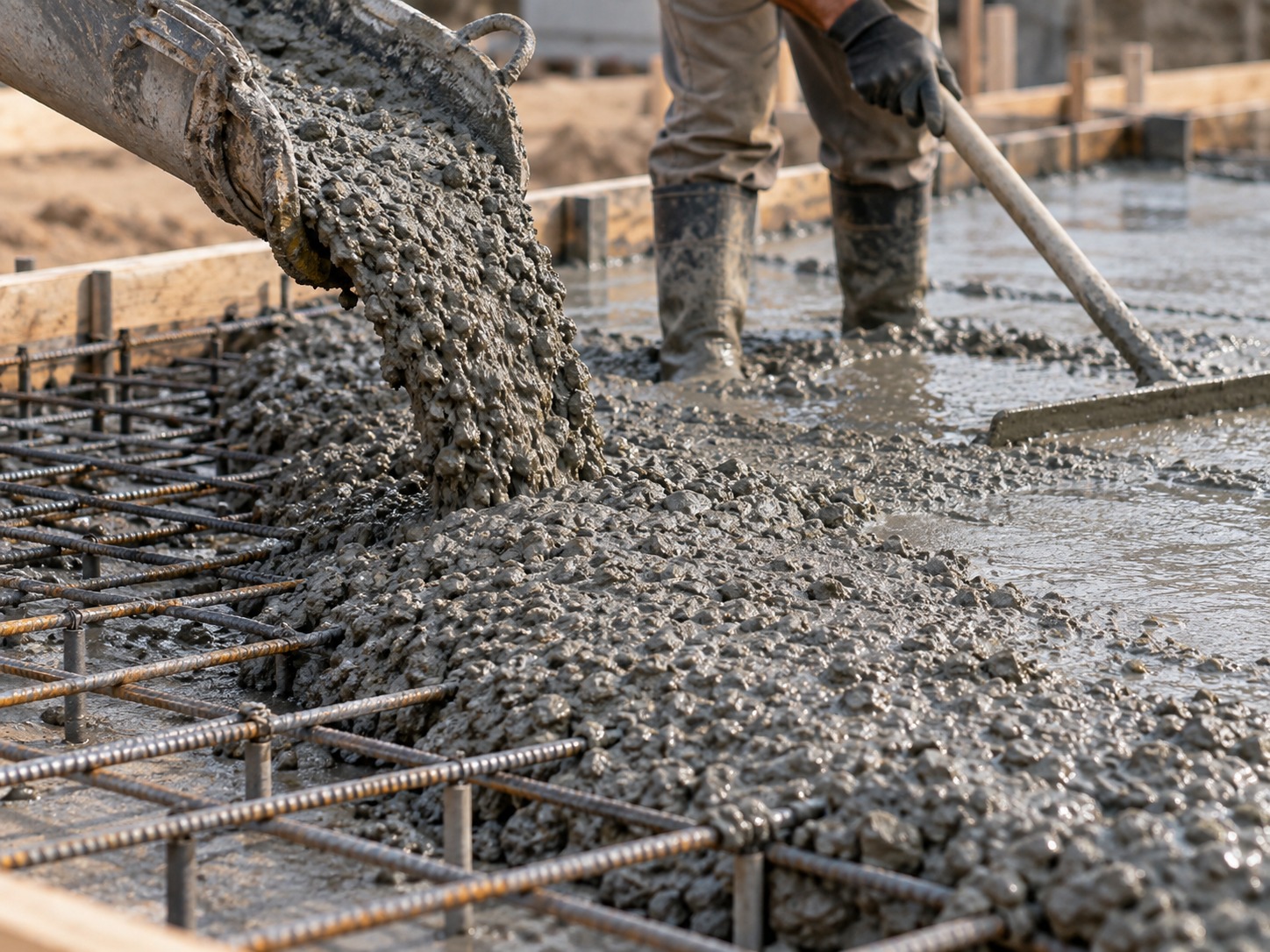
High flowability alone does not mean that high-quality concrete has been achieved. Cement paste, water, fine materials and aggregates must maintain a homogeneous structure throughout the concrete mix.

The separation of concrete constituents from each other is defined as segregation, while the upward movement of mix water toward the concrete surface is called bleeding.

Segregation and bleeding can negatively affect surface quality, pumpability, strength and the long-term performance of concrete.

The right concrete mix design and suitable concrete admixture technologies help maintain mixture stability while providing high workability.

What Is Segregation in Concrete?

Concrete consists of many components with different particle sizes and densities.

When the stability of the mix is disturbed, coarse aggregates may separate from the cement paste and become concentrated in certain areas.

This leads to a non-homogeneous structure within the concrete.

In concrete affected by segregation, some areas may contain excessive aggregate while other areas may contain excess cement paste.

As a result, mechanical performance and surface quality may not remain uniform throughout the structure.

What Is Bleeding in Concrete?

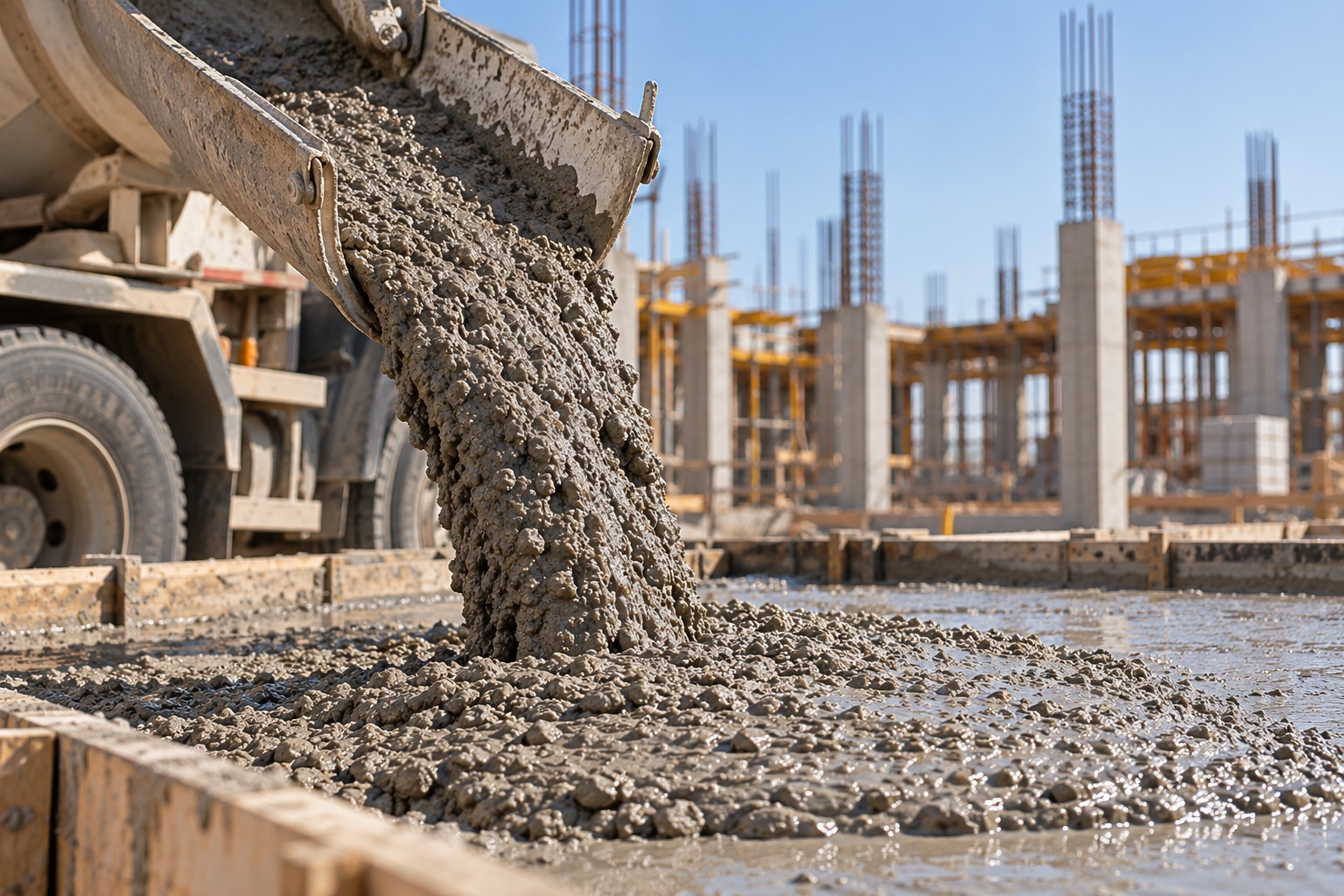
Bleeding is the movement of water within fresh concrete toward the surface as aggregates and solid particles settle.

A certain level of bleeding may naturally occur in some concrete mixes. However, excessive bleeding can cause water accumulation on the surface and negatively affect the concrete structure.

Excess surface water may create a weak upper layer, especially if finishing operations are carried out too early.

For this reason, the bleeding behavior of concrete should be evaluated together with the application conditions.

Why Does Concrete Segregate?

There are many factors that can cause segregation in concrete.

Adding excessive water to the mix, unsuitable aggregate grading, insufficient fine material, excessive flowability and uncontrolled discharge of concrete from a height can all increase the risk of segregation.

Transporting concrete for too long or under unsuitable conditions can also affect mix stability.

For this reason, segregation is influenced not only by the admixture used, but by the entire production and application process.

How Does Excess Water Affect Segregation and Bleeding?

Adding water to concrete in an uncontrolled manner in order to improve workability is a common mistake.

Excess water can reduce concrete viscosity and allow coarse aggregates to separate more easily within the mix.

At the same time, an increase in free water content can raise the risk of bleeding.

For this reason, workability should be controlled not by adding water, but by using suitable high-range water-reducing and water-reducing concrete admixtures.

The Effect of Aggregate Grading on Mix Stability

A balanced distribution of coarse and fine aggregates is an important parameter for concrete stability.

Significant gaps in aggregate particle grading may cause the mix to require more cement paste and fine materials.

Proper aggregate grading helps coarse particles remain more evenly surrounded and supports a homogeneous distribution within the concrete.

For this reason, when designing a concrete mix, not only the total aggregate amount but also particle distribution should be considered.

Why Is Fine Material Content Important?

Cement and other fine materials make up an important part of the paste phase that helps hold aggregates together in concrete.

Insufficient fine material content may reduce mix stability, especially in highly flowable concrete.

However, the use of excessive fine material may also increase water and admixture demand.

For this reason, the goal is not the highest possible fine material content, but the creation of an optimum fine material balance suitable for the concrete mix design.

Does High Flowability Always Mean Segregation?

No.

In properly designed high-performance concrete, high flowability and mix stability can be achieved together.

The key point is that concrete must be able to flow while carrying aggregates and cement paste together.

This balance becomes especially critical in self-compacting concrete and highly flowable pumped concrete.

With the right high-range water-reducing and auxiliary admixture system, concrete flowability can be increased while maintaining segregation resistance.

What Do Viscosity-Modifying Concrete Admixtures Do?

In some concrete mix designs, controlling the mixture only with plasticizing admixtures may not be sufficient.

In such applications, viscosity-modifying admixtures can help water and solid constituents within concrete form a more stable structure.

The goal is not to make the concrete excessively stiff.

With the right viscosity, concrete can move easily while limiting coarse aggregate separation from the cement paste and restricting uncontrolled movement of free water.

Why Is Segregation a Problem in Pumped Concrete?

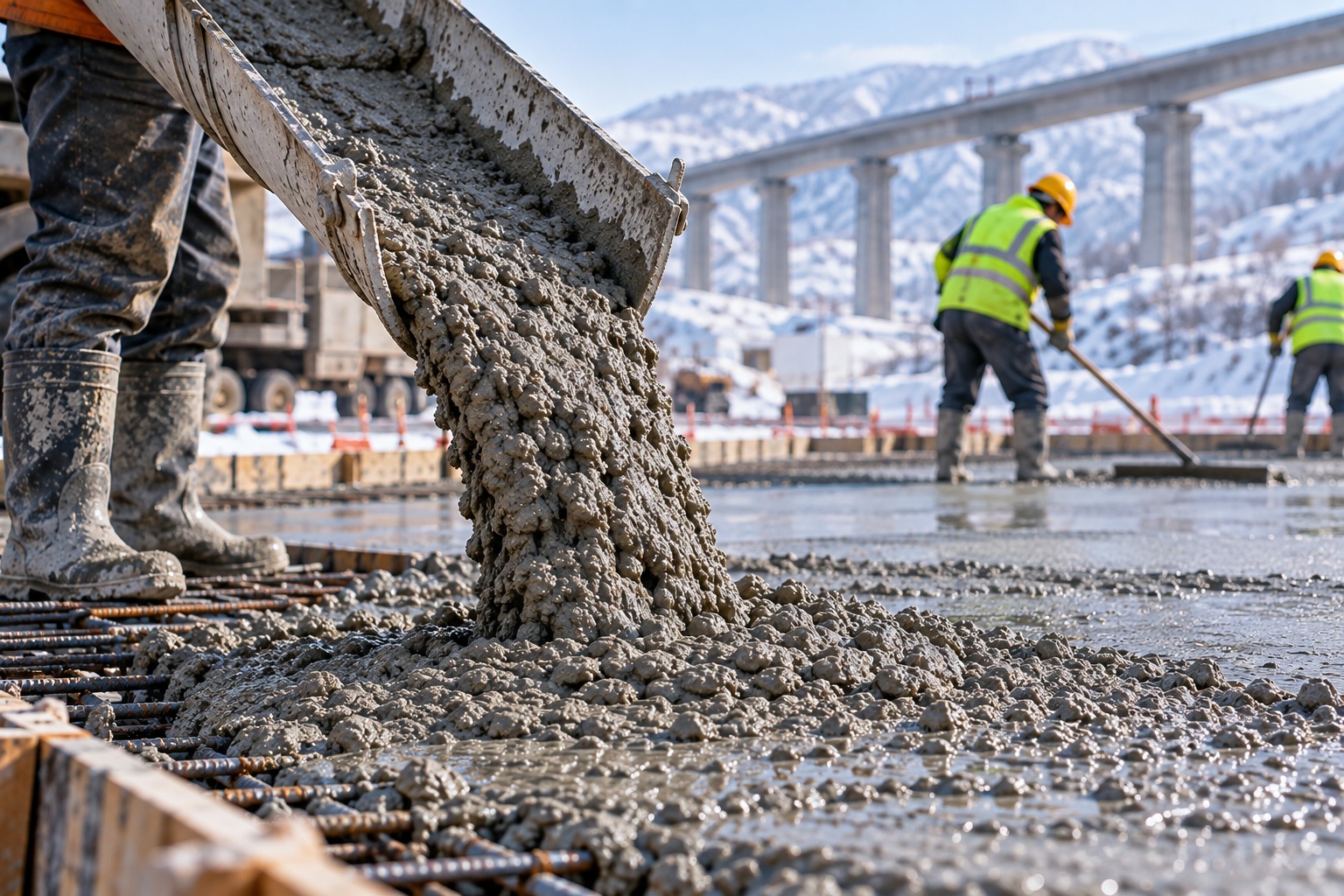
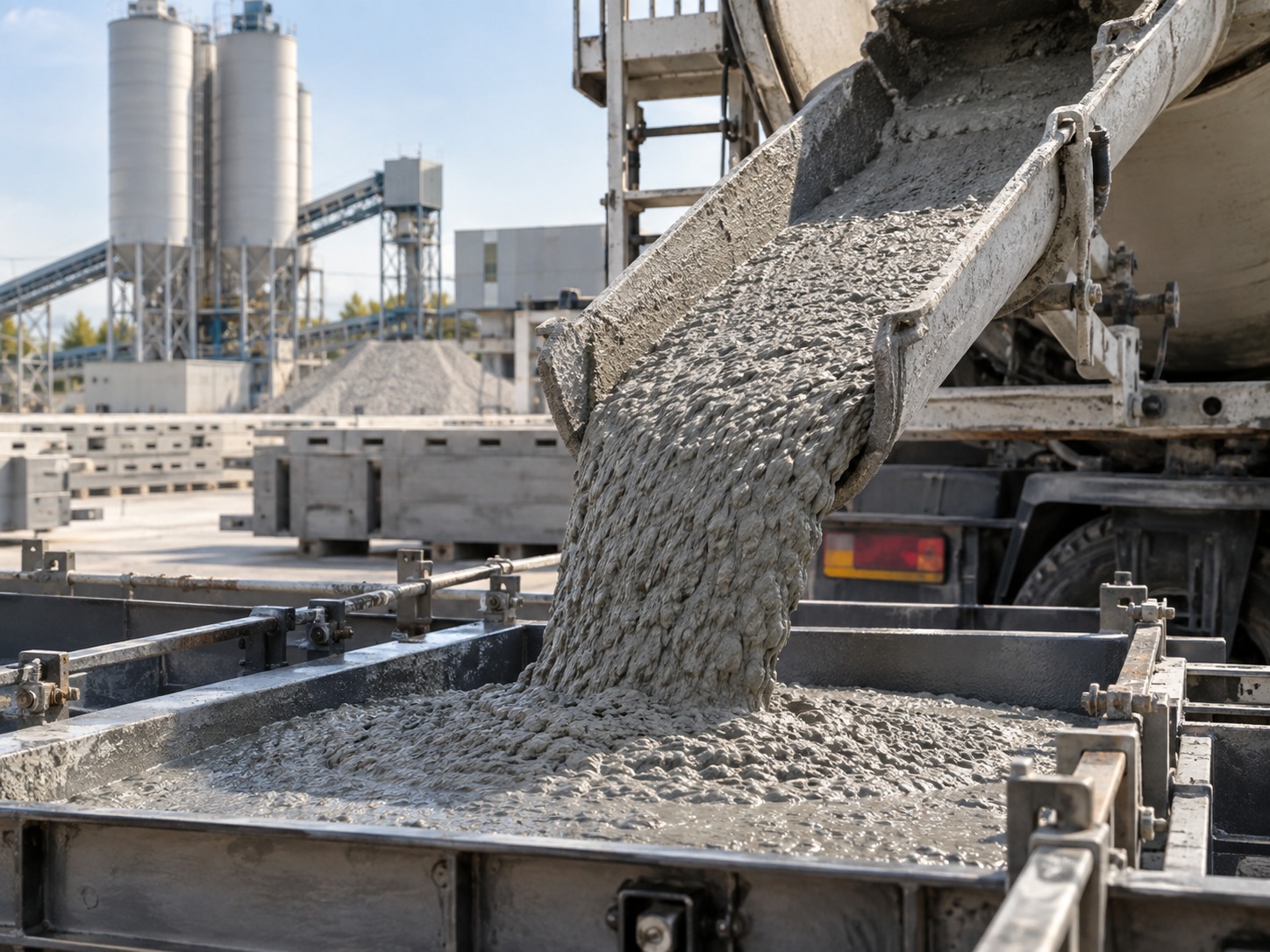
In pumped concrete, it is essential for all components of the mix to move together.

If coarse aggregates separate from the paste phase, irregular flow, pressure increase and in some cases blockage may occur in the pump line.

For this reason, in pumpable concrete mix designs, not only flowability but also mix stability should be taken into account.

Slump retention, aggregate grading and suitable auxiliary admixtures can help preserve the homogeneous structure of concrete during pumping.

The Effect of Bleeding on Surface Quality

Excess water rising to the concrete surface can affect surface quality, especially in industrial floors and exposed concrete applications.

If finishing operations are carried out before bleed water has completely disappeared, the water may be reworked back into the concrete surface.

This can create a weak surface layer with a higher water/cement ratio.

As a result, dusting, surface wear and visual defects may occur.

For this reason, finishing timing is just as important as the concrete mix design.

Does Temperature Affect Segregation and Bleeding?

Concrete temperature and environmental conditions can affect fresh concrete behavior.

In hot weather, water loss and consistency changes may accelerate, while under different temperature conditions the setting and bleeding behavior of concrete may also change.

Adding water in an uncontrolled manner on site to preserve workability during hot weather or long transportation times can increase the risk of segregation.

For this reason, concrete temperature, transportation time and the admixture system should be evaluated together.

How Can Segregation and Bleeding Be Reduced?

To improve concrete stability, the entire mix design should be considered rather than relying on a single measure.

A suitable water/cement ratio, balanced aggregate grading, sufficient fine material, correct mixing time and the appropriate chemical admixture system must work together.

The transportation and placement method of concrete also plays an important role in preserving mix stability.

Especially in highly flowable concrete, determining the optimum admixture type and dosage through laboratory testing provides more reliable results.

Why Are Laboratory Trials Important?

The segregation and bleeding behavior of concrete may vary depending on the raw materials used.

The same concrete admixture may produce different results when used with different cements or aggregates.

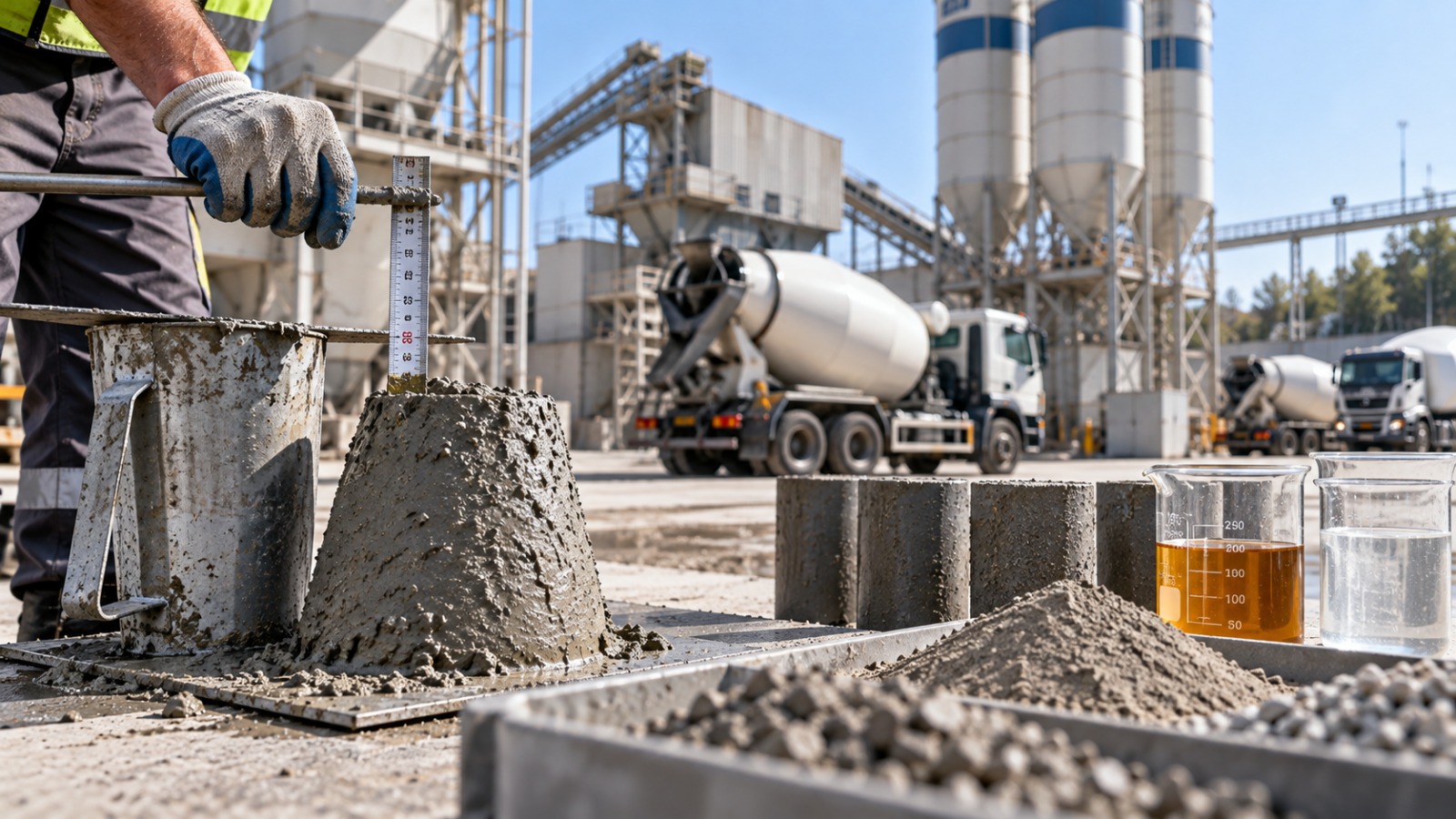
In laboratory studies, workability, time-dependent consistency changes, segregation tendency, air content, setting behavior and strength values can all be evaluated together.

Based on these results, the concrete mix design and admixture dosage can be optimized to achieve more stable performance in actual production.

EMA Kimya Mix Stability and Concrete Admixture Solutions

EMA Kimya develops professional concrete admixture technologies for ready-mixed concrete plants, batching plants, precast and prefabricated manufacturers, pumpable concrete, self-compacting concrete and high-performance concrete applications.

High-range water-reducing, water-reducing and auxiliary concrete admixture systems can be optimized by evaluating the cement used, aggregate structure, fine material content, water/cement ratio and target workability.

EMA Kimya’s technical approach focuses not only on making concrete more flowable, but also on improving flowability, mix stability, segregation resistance, surface quality and concrete strength together.

Quality concrete is not simply concrete that flows easily; it is concrete that preserves its homogeneous structure from production to placement.

Related News

Why Are Cement Additives Used?

Publication Date: 24 Eylül 2026

What Is an Air-Entraining Concrete Admixture? How Is Freeze-Thaw Resistant Concrete Produced?

Publication Date: 24 Eylül 2026

How to Improve Water Resistance in Concrete? The Right Admixture Technology for Low-Permeability Concrete

Publication Date: 24 Eylül 2026

What Is High-Performance Concrete? What Are Its Main Properties?

Publication Date: 24 Eylül 2026

How to Choose Ready-Mix Concrete Admixtures? Key Factors That Determine Concrete Performance

Publication Date: 24 Eylül 2026

What Is a Set-Accelerating Concrete Admixture? How Can Setting Time and Early Strength Be Controlled in Cold Weather?

Publication Date: 24 Eylül 2026

Why Do Honeycombing and Voids Occur in Concrete? The Right Application and Admixture Technology for More Homogeneous Concrete

Publication Date: 24 Eylül 2026

How Can Reinforcement Corrosion Be Prevented in Reinforced Concrete Structures? The Importance of Concrete Protection Products

Publication Date: 24 Eylül 2026

What Should Be Considered When Choosing a Ready-Mixed Concrete Admixture? How Does the Right Admixture Affect Concrete Performance?

Publication Date: 24 Eylül 2026

What Is Cement-Admixture Incompatibility? How Can Rapid Slump Loss, Setting Problems and Admixture Performance Be Controlled in Ready-Mixed Concrete?

Publication Date: 24 Eylül 2026

How Can Concrete Strength Be Increased?

Publication Date: 24 Eylül 2026

Higher Performance with Less Water Using High-Range Water-Reducing Concrete Admixtures

Publication Date: 24 Eylül 2026

What Are Polycarboxylate-Based Concrete Admixtures? Next-Generation Superplasticizer Technology

Publication Date: 24 Eylül 2026

What Are Concrete Admixture Dosing Errors? Correct Storage and Use in Ready-Mixed Concrete Plants

Publication Date: 24 Eylül 2026

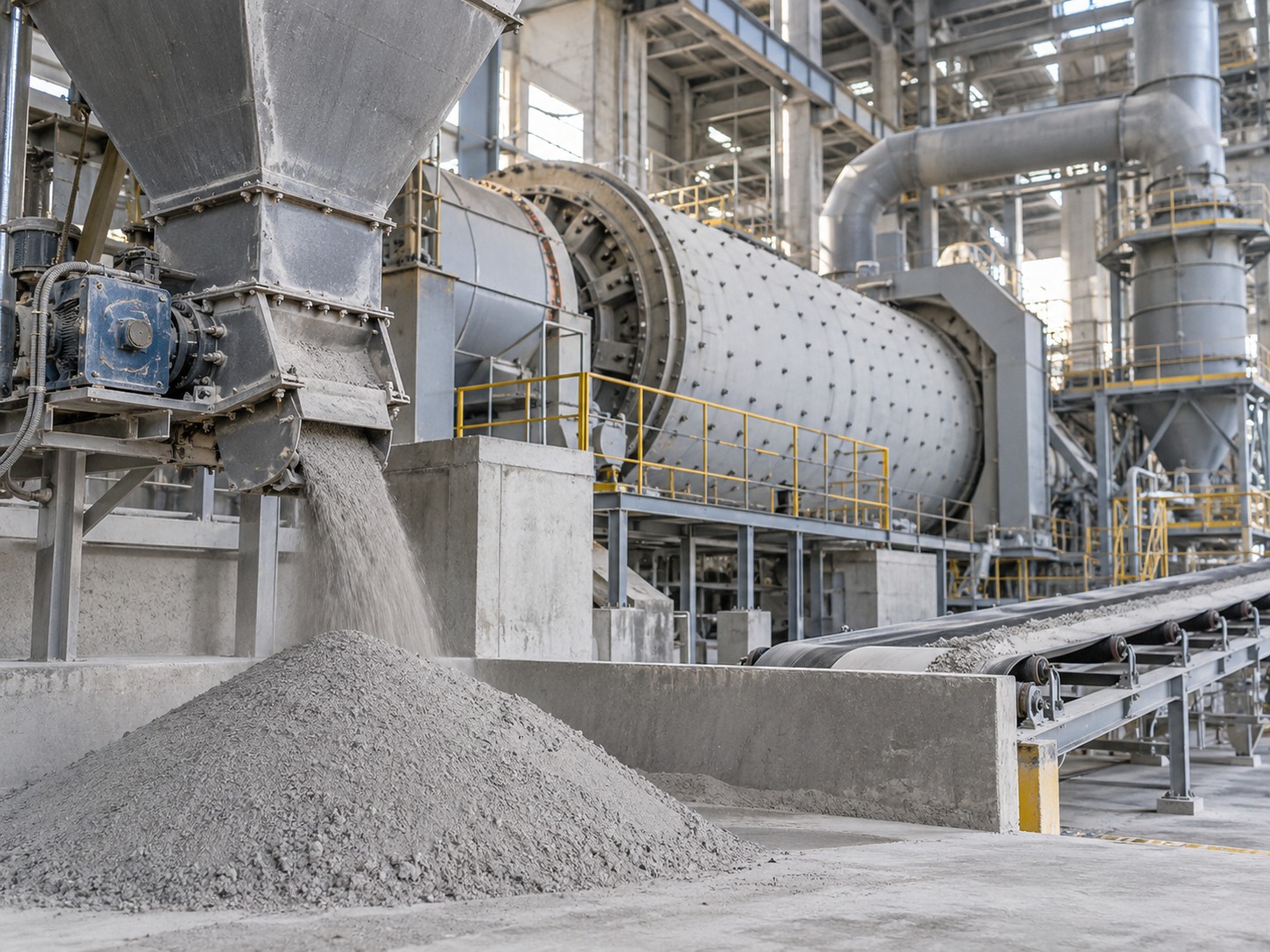
What Do Cement Grinding Aids Do? How Can Cement Performance and Production Efficiency Be Improved?

Publication Date: 24 Eylül 2026

Web Design & Software | COUR Media