English
×
All rights reserved. All content and images used on this website
belong to EMA Kimya and may not be used without permission.
cour
 EMA Kimya | Concrete Admixtures, Cement Additives, Construction Chemicals, Superplasticizers, High-Range Water Reducers, Concrete Performance Solutions, Ready-Mix and Precast Concrete Technologies, Infrastructure, Industrial Projects, Technical Support, Production and Cost Consulting  EMA Kimya | Concrete Admixtures, Cement Additives, Construction Chemicals, Superplasticizers, High-Range Water Reducers, Concrete Performance Solutions, Ready-Mix and Precast Concrete Technologies, Infrastructure, Industrial Projects, Technical Support, Production and Cost Consulting
EMA Kimya | Concrete Admixtures, Cement Additives, Construction Chemicals, Superplasticizers, High-Range Water Reducers, Concrete Performance Solutions, Ready-Mix and Precast Concrete Technologies, Infrastructure, Industrial Projects, Technical Support, Production and Cost Consulting

"Strength in Every Mix,
Quality in Every Drop"

×

Quality, reliability, and a commitment to sustainable production.

We provide professional solutions in concrete admixtures and construction chemicals.

Menu

Quality, reliability, and a commitment to sustainable production.

We provide professional solutions in concrete admixtures and construction chemicals.

18 September 2026

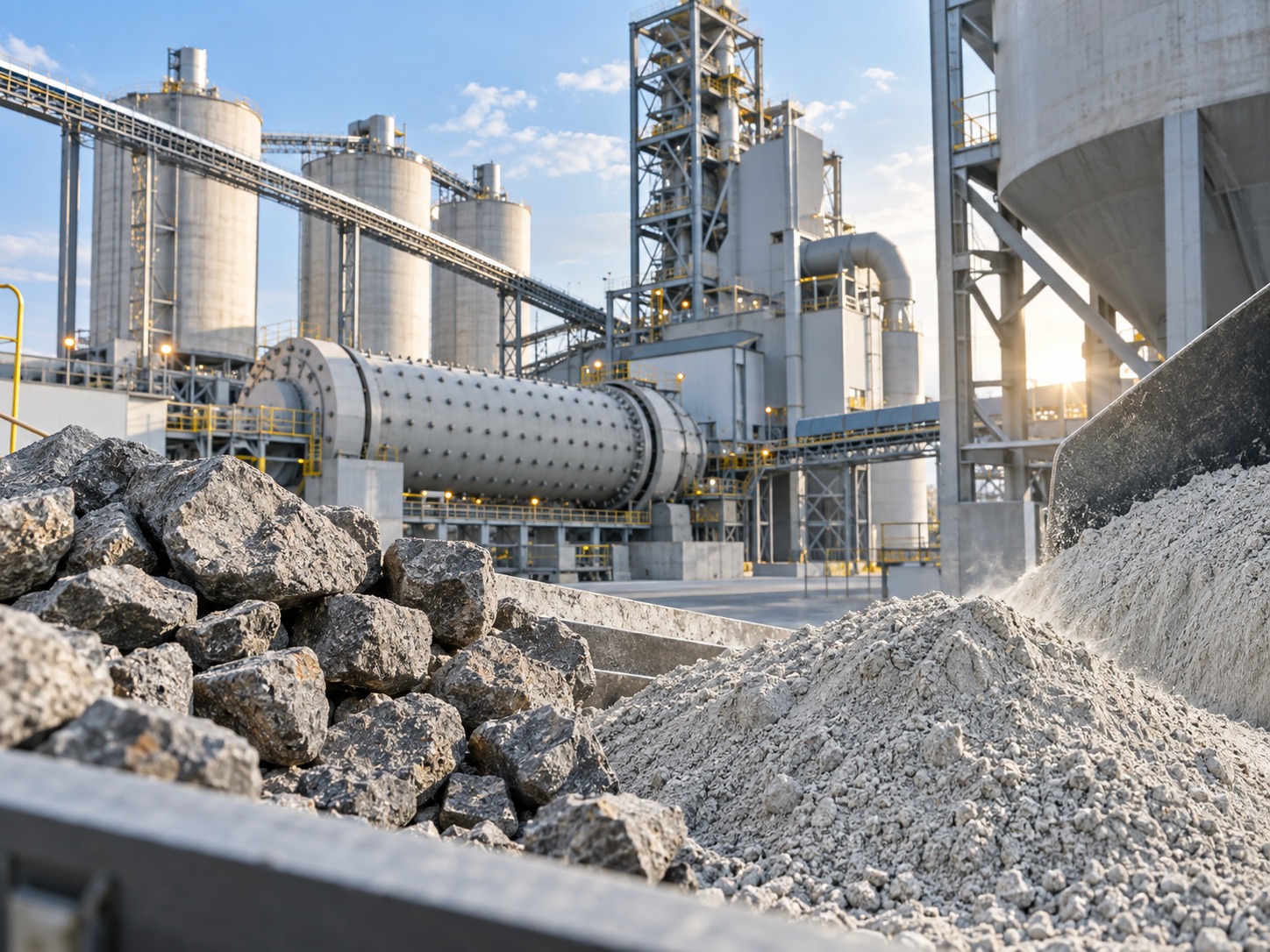
In cement production, achieving high strength values is not the only priority. It is equally important to manage the grinding process efficiently, control energy consumption and maintain consistent final product quality.

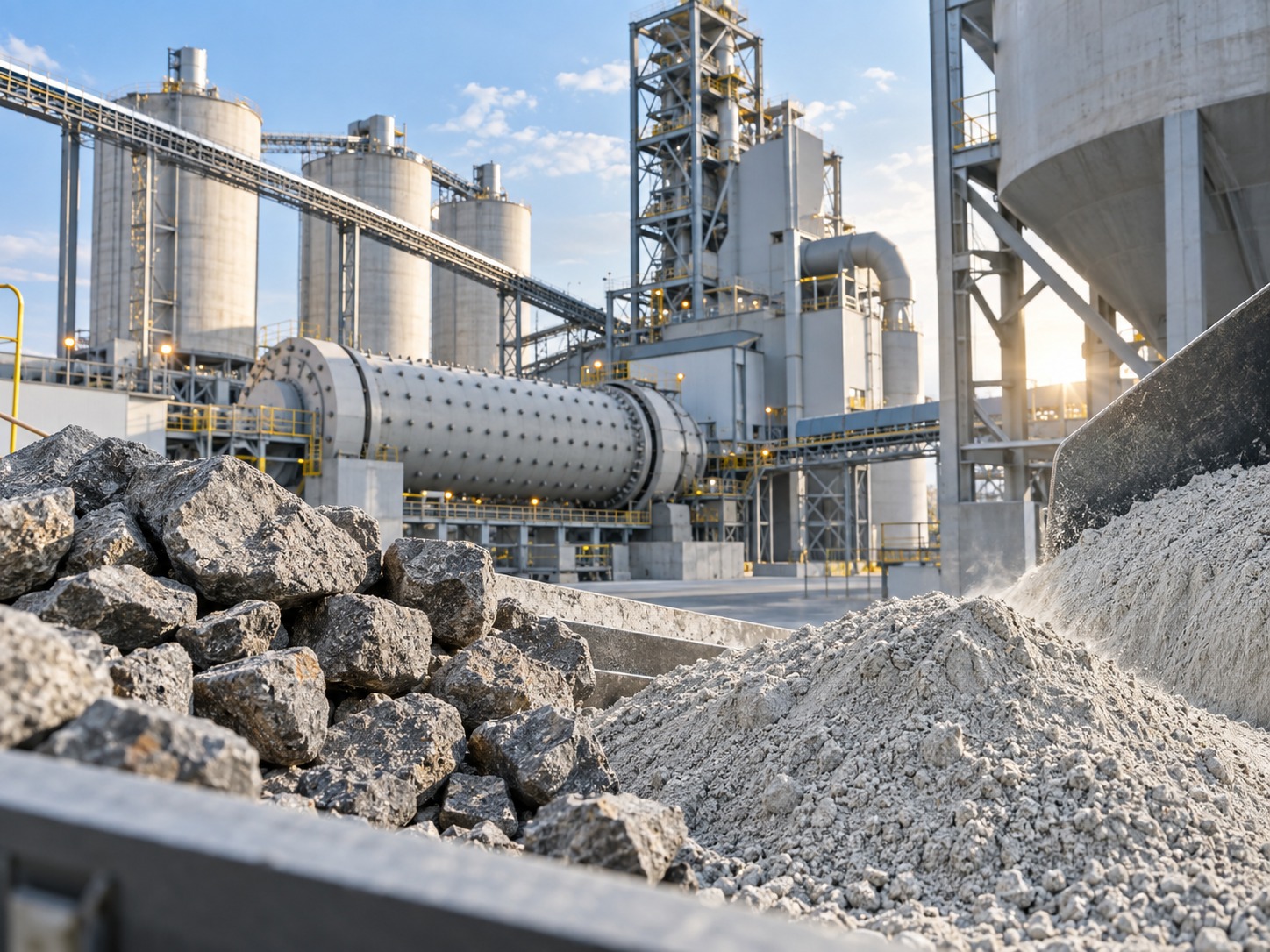
Grinding is one of the most energy-intensive stages of cement manufacturing. The efficient operation of mill systems used to achieve the target fineness of clinker and other mineral components directly affects the overall production performance of the plant.

At this point, cement grinding aids can help improve particle dispersion during grinding, support process optimization and contribute to a more homogeneous cement structure.

What Are Cement Grinding Aids?

Cement grinding aids are special chemical additives used during the grinding of clinker and other cement components to support process performance.

During grinding, very fine particles may tend to agglomerate and stick together. This can negatively affect material flow inside the mill and reduce grinding efficiency.

Properly selected grinding aids can help reduce this interaction between particles and support a more balanced particle size distribution.

Why Is Grinding Efficiency Important?

In cement plants, mill performance is critical in terms of production capacity, energy consumption and product quality.

Achieving more stable and controlled grinding with the same production equipment can help improve overall process efficiency.

With the correct use of grinding aids, material flow inside the mill can be supported, particle agglomeration can be reduced and the target fineness can be reached in a more controlled manner.

This can provide significant advantages, especially in cement plants with high production volumes.

Supporting the Optimization of Energy Consumption

Energy costs represent a significant share of total production expenses in cement manufacturing.

An inefficient grinding process may require more energy to produce the same amount of cement.

Professional cement additive technologies can help the grinding process operate more effectively and support the optimization of energy consumption per ton of cement produced.

However, actual performance may vary depending on clinker characteristics, mill type, target fineness, mineral additives and production conditions.

For this reason, the selection of the appropriate additive should be based on plant-specific requirements.

Particle Size Distribution and Cement Quality

Particle size distribution is one of the important factors affecting final cement performance.

An unbalanced particle size distribution during grinding can influence cement hydration behavior and strength development.

By using the right grinding aid system, a more balanced particle distribution can be targeted. This can contribute to maintaining product quality consistency and achieving more controlled cement performance.

Regular monitoring of product characteristics is particularly important in plants using different clinker types or varying mineral additive ratios.

Supporting Early and Final Strength Performance

There is a direct relationship between grinding fineness and strength development in cement production.

A more balanced particle size distribution and controlled grinding process can help improve cement hydration behavior.

Cement additives selected according to project and production requirements can also support early and final strength targets.

However, additive performance does not depend only on the chemical product itself. Clinker mineralogy, gypsum content, supplementary materials, grinding equipment and production parameters should all be evaluated together.

Additive Systems for Different Cement Types

The clinker, mineral additives and production equipment used in each cement plant are different.

For this reason, a standard additive system should not be expected to deliver the same performance in every plant.

The grinding aids used in Portland cement, blended cements and products containing different mineral components should be selected according to plant conditions.

Laboratory studies and plant trials are important for determining the most suitable additive type and dosage and achieving more controlled results.

Supporting Production Capacity

A more stable grinding process can help cement plants use their production capacity more efficiently.

Improving material flow within the mill and reducing particle agglomeration can support continuity in the production process.

For this reason, grinding aid performance should not be evaluated only in terms of final cement strength. Mill capacity, energy consumption, production continuity and product fineness should also be assessed together.

EMA Kimya Cement Additive Solutions

EMA Kimya develops high-performance cement and concrete additive technologies for cement plants, ready-mixed concrete facilities, precast manufacturers and industrial construction material producers.

Customized grinding aid solutions can be developed by evaluating the clinker structure, mill system, production capacity and targeted product characteristics of cement plants.

EMA Kimya's technical approach focuses not only on additive supply, but also on process optimization through laboratory studies, production trials and field evaluations.

The right cement additive technology can provide an important process advantage for more efficient grinding, more balanced product quality and more controlled production.

Related News

Web Design & Software | COUR Media