English
×
All rights reserved. All content and images used on this website
belong to EMA Kimya and may not be used without permission.
cour
 EMA Kimya | Concrete Admixtures, Cement Additives, Construction Chemicals, Superplasticizers, High-Range Water Reducers, Concrete Performance Solutions, Ready-Mix and Precast Concrete Technologies, Infrastructure, Industrial Projects, Technical Support, Production and Cost Consulting  EMA Kimya | Concrete Admixtures, Cement Additives, Construction Chemicals, Superplasticizers, High-Range Water Reducers, Concrete Performance Solutions, Ready-Mix and Precast Concrete Technologies, Infrastructure, Industrial Projects, Technical Support, Production and Cost Consulting
EMA Kimya | Concrete Admixtures, Cement Additives, Construction Chemicals, Superplasticizers, High-Range Water Reducers, Concrete Performance Solutions, Ready-Mix and Precast Concrete Technologies, Infrastructure, Industrial Projects, Technical Support, Production and Cost Consulting

"Strength in Every Mix,
Quality in Every Drop"

×

Quality, reliability, and a commitment to sustainable production.

We provide professional solutions in concrete admixtures and construction chemicals.

Menu

Quality, reliability, and a commitment to sustainable production.

We provide professional solutions in concrete admixtures and construction chemicals.

01 October 2026

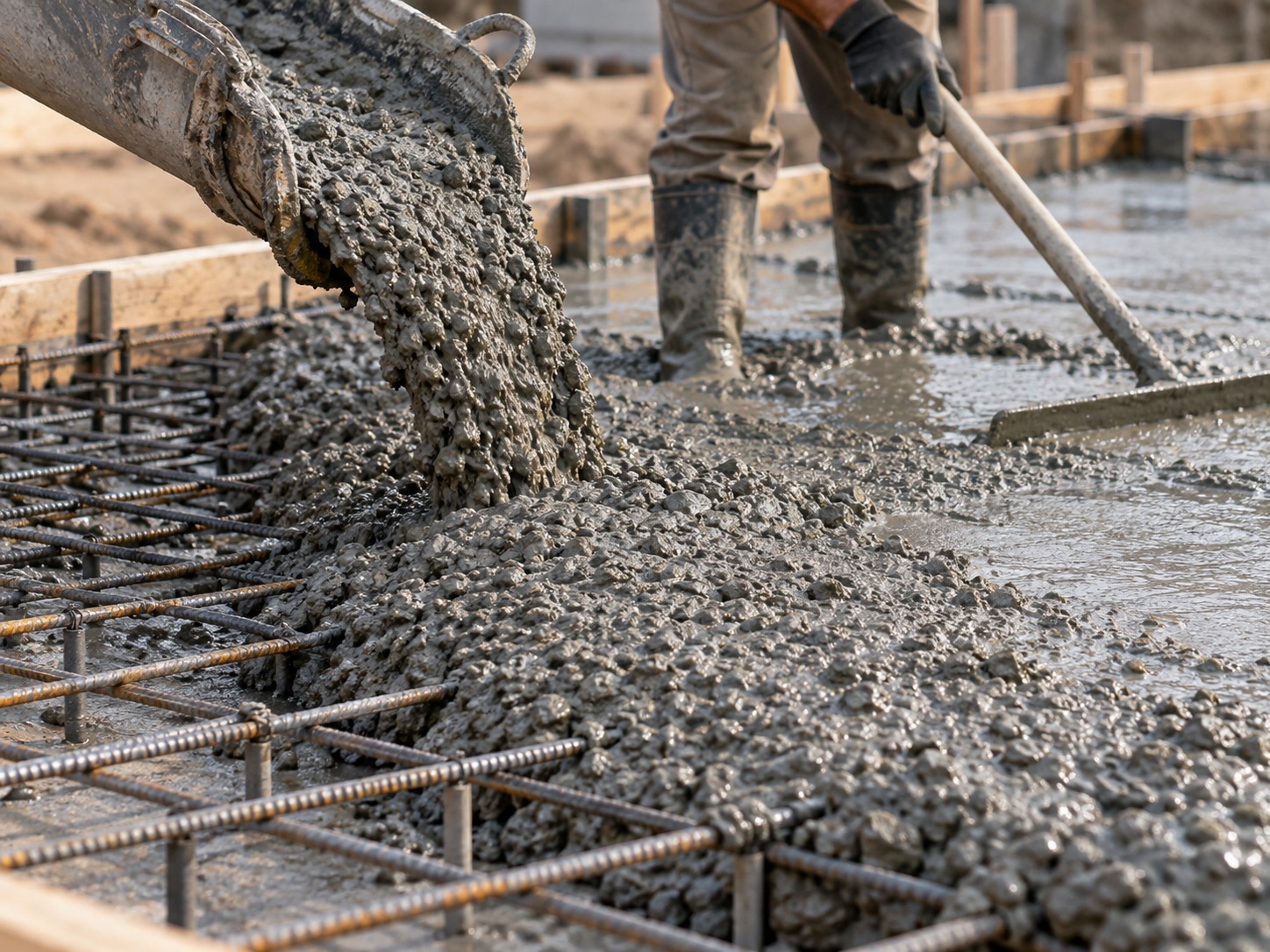
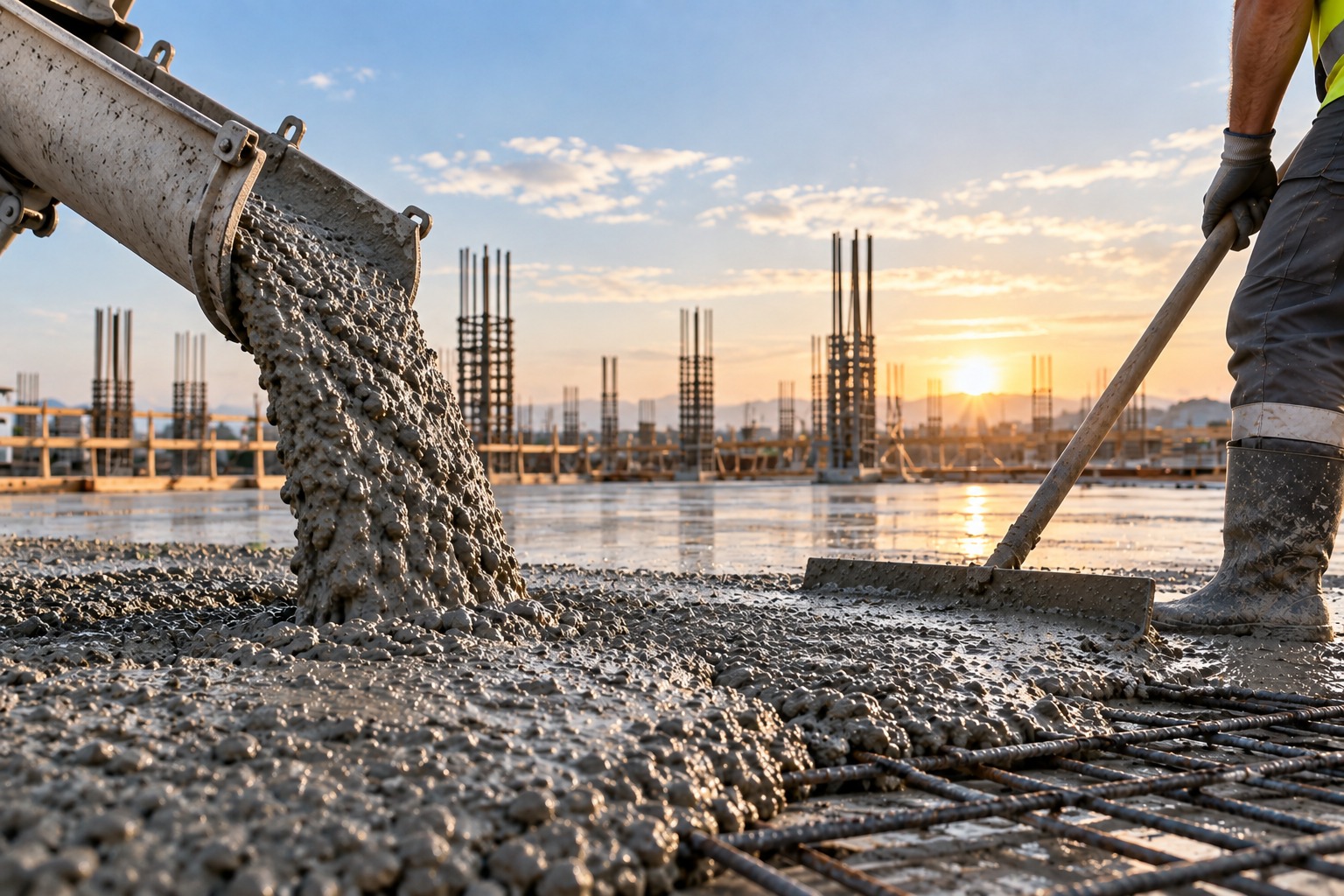
Reinforced concrete structures can provide high strength and long service life. However, if the steel reinforcement inside the concrete is not adequately protected against environmental effects, the risk of corrosion may increase over time.

Bridges, viaducts, tunnels, parking structures, industrial facilities and outdoor concrete elements are especially exposed to demanding conditions such as moisture, water, carbonation, chlorides and various environmental effects.

For this reason, the long-term performance of reinforced concrete structures should not be evaluated only by compressive strength. Low permeability, proper concrete mix design, sufficient concrete cover, controlled cracking and suitable concrete protection products should all be considered together.

What Is Reinforcement Corrosion in Reinforced Concrete Structures?

Under normal conditions, steel reinforcement is protected by the highly alkaline environment of concrete.

However, environmental effects can gradually change the internal chemistry of the concrete.

Carbon dioxide penetrating into the concrete or harmful substances such as chlorides reaching the reinforcement level can damage the natural protective layer around the steel.

Once this protection is weakened, corrosion can begin in the presence of moisture and oxygen.

How Does Reinforcement Corrosion Damage Concrete?

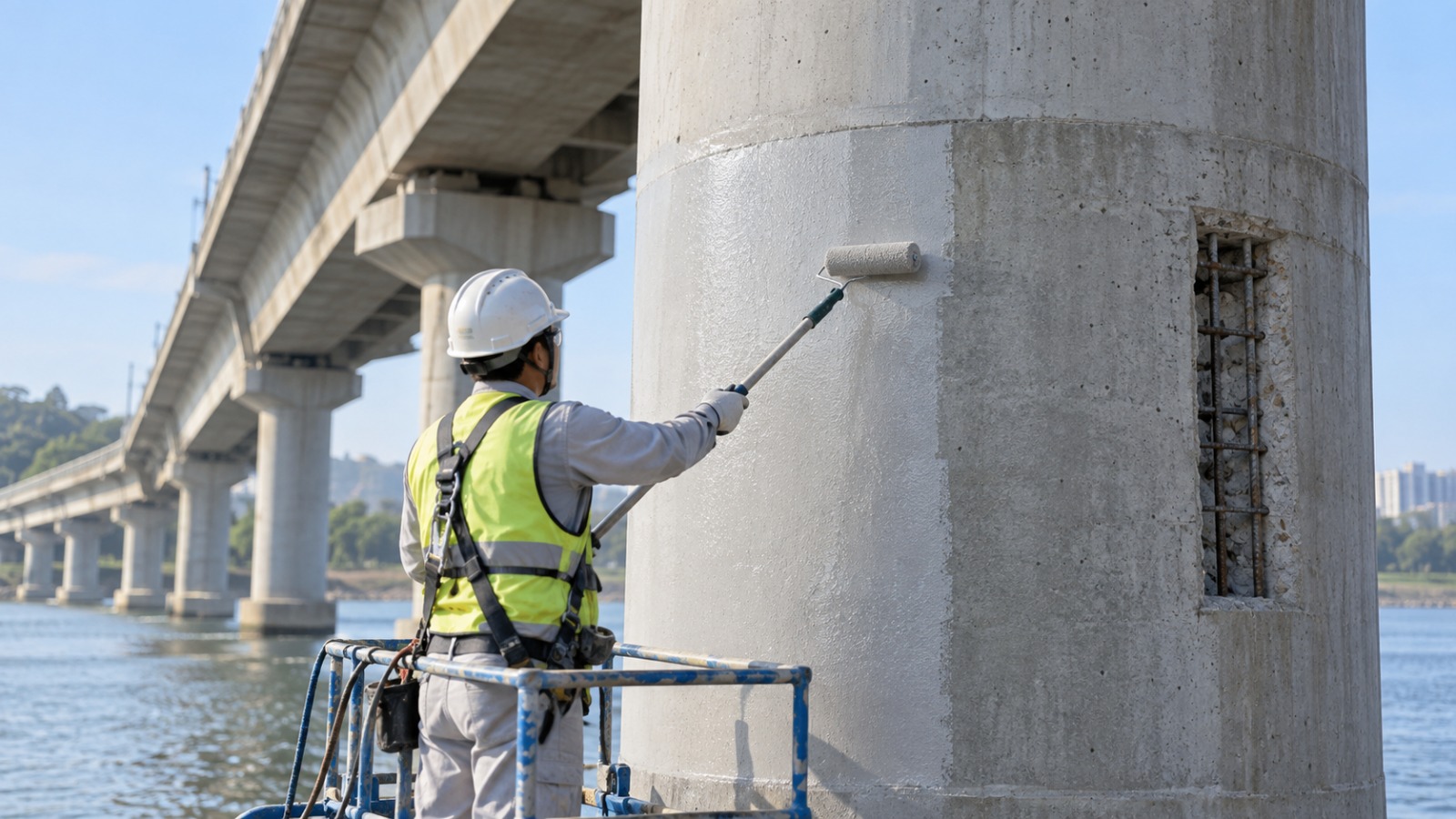
When steel reinforcement corrodes, the corrosion products formed on its surface can occupy a larger volume than the original steel.

This volume expansion can create internal stresses within the surrounding concrete.

Over time, cracks may develop along the reinforcement and the concrete cover may begin to delaminate or spall.

At advanced stages, both the concrete and the reinforcement may experience reduced structural performance.

For this reason, preventing reinforcement corrosion is an important strategy for extending the service life of reinforced concrete structures.

Why Is Concrete Permeability Important?

The resistance of concrete to environmental substances depends largely on its internal structure.

In highly permeable concrete, water, chlorides and other harmful substances can penetrate more easily.

Low-permeability concrete can slow down the movement of these substances toward the reinforcement.

For this reason, one of the main objectives of durable concrete design is to create a denser and less permeable concrete structure.

Does the Water/Cement Ratio Affect Corrosion Risk?

Yes.

The water/cement ratio is one of the main parameters affecting pore structure and permeability.

Excessive mixing water can create more capillary pores in hardened concrete.

These pores may provide pathways for water and harmful substances to move deeper into the concrete.

Suitable water-reducing and superplasticizing concrete admixtures can help achieve the required workability with less water and support the formation of a denser concrete structure.

Why Is Concrete Cover Important?

Concrete cover plays an important role in protecting reinforcement from the external environment.

Insufficient cover can allow environmental effects to reach the steel more quickly.

However, simply increasing cover thickness is not always enough.

If the concrete cover is cracked, porous or highly permeable, its protective performance may be reduced.

For this reason, concrete cover thickness and concrete quality should be evaluated together.

Do Cracks Increase the Risk of Reinforcement Corrosion?

Cracks can create direct pathways for water and harmful substances to reach the reinforcement.

Shrinkage, temperature changes, improper curing or structural movements can cause cracking.

For this reason, durable concrete design should consider not only strength but also crack control.

Proper mix design, suitable admixture technology, controlled curing and correct joint design can help reduce cracking risk.

What Is Carbonation in Concrete?

Carbonation is the process in which carbon dioxide from the atmosphere reacts with components in the concrete and gradually reduces its alkalinity.

When the carbonation front reaches the reinforcement level, the natural protective environment around the steel may be weakened.

Under suitable moisture and oxygen conditions, this can increase the risk of corrosion.

The rate of carbonation is influenced by permeability, curing quality, cracking and environmental exposure.

How Do Chlorides Affect Reinforced Concrete Structures?

Chloride ions are one of the major causes of reinforcement corrosion.

Marine environments, saltwater exposure and de-icing salts used in cold regions can expose concrete structures to chlorides.

When chlorides penetrate through the concrete and reach the reinforcement, they can break down the protective layer on the steel.

For this reason, low permeability and an appropriate concrete protection strategy become especially important in chloride-exposed environments.

What Do Concrete Protection Products Do?

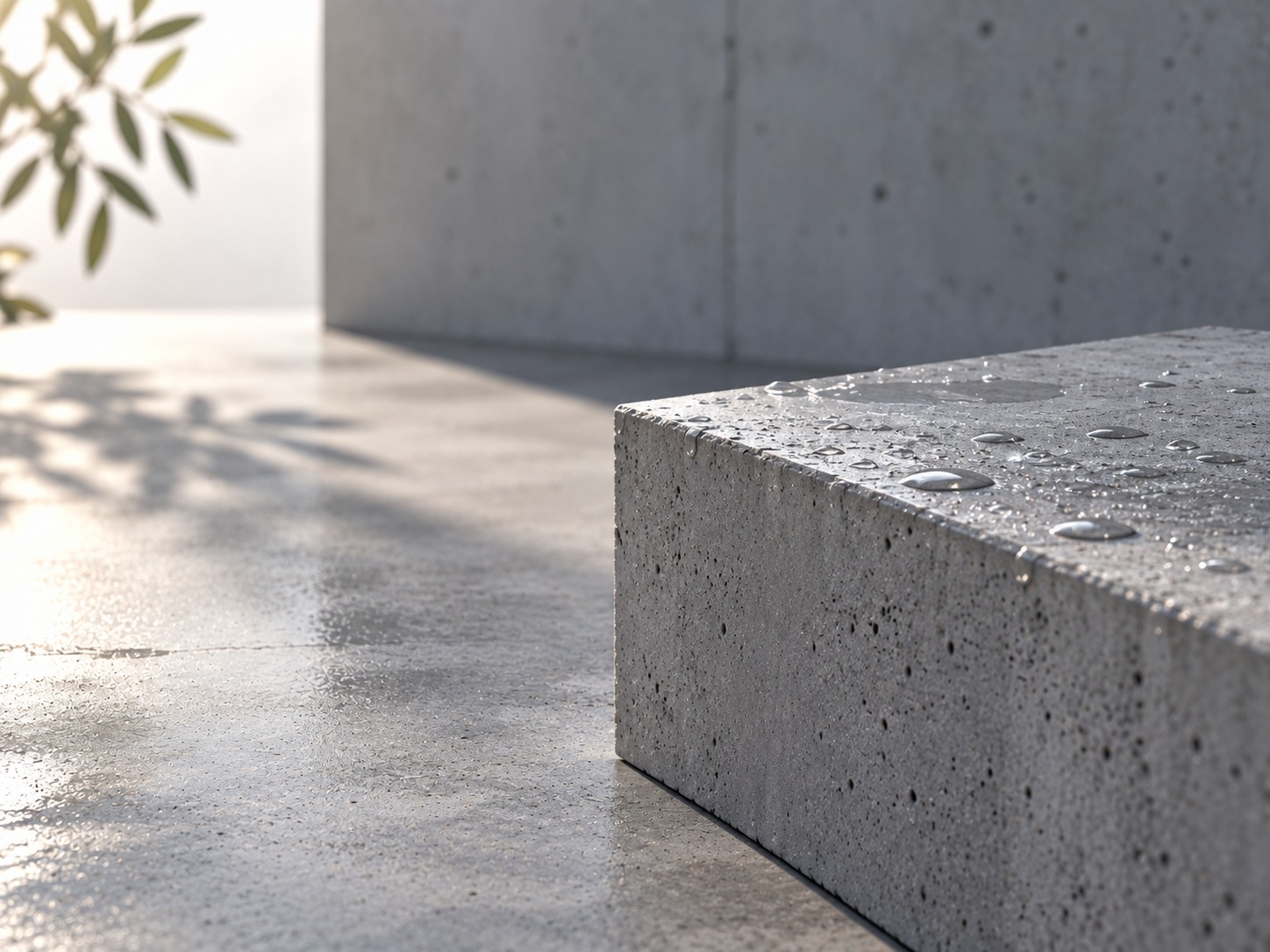
Concrete protection products include systems designed to help protect hardened concrete surfaces against water and certain environmental effects.

Depending on the technology and application, these products may help reduce surface water absorption, protect the concrete against external exposure or support the service performance of existing concrete.

However, a concrete protection product should not be considered a complete solution for poorly designed concrete or serious structural defects.

The best results are achieved when a high-quality concrete substrate is combined with a suitable surface protection system.

When Should Protection Be Planned for New Concrete Structures?

Concrete protection is not only relevant to existing or damaged structures.

For new structures, environmental exposure and service conditions should be evaluated from the design stage.

Concrete mix design, cover thickness, admixture system, curing conditions and, when necessary, surface protection products can be planned together.

This approach can help reduce future maintenance and repair requirements.

Concrete Protection in Bridges and Viaducts

Bridges and viaducts are continuously exposed to rain, temperature changes, traffic loads and atmospheric conditions.

In some regions, de-icing salts can also increase chloride exposure.

For this reason, bridge and viaduct concrete should be evaluated not only for high strength but also for low permeability and long-term environmental durability.

Suitable concrete admixtures and protection products can form part of the overall durability strategy for these structures.

Concrete Protection in Tunnels and Metro Structures

Tunnel and metro structures may be exposed to groundwater, continuous moisture and different chemical conditions.

Uncontrolled water penetration through concrete can affect both service conditions and long-term durability.

Low-permeability concrete, crack control, joint detailing and suitable protection systems should be considered together.

In underground structures, it is particularly important to define the protection strategy during the design stage.

Concrete Surface Protection in Industrial Structures

In factories and industrial facilities, concrete surfaces may be exposed not only to water but also to oils, chemical splashes, abrasion and heavy traffic depending on the application.

For this reason, the protection system should be selected according to the actual exposure conditions.

Not every concrete protection product provides the same performance against every chemical or mechanical effect.

Product selection should therefore be based on the real service environment.

How Does Curing Affect Concrete Durability?

Proper curing during the early stages of concrete helps cement hydration continue effectively.

Insufficient curing may lead to early surface drying, microcracking and increased permeability.

This can make it easier for water and harmful substances to penetrate the concrete later in service.

For this reason, concrete protection does not begin only with surface-applied products; it starts from the first days after placement.

Is High Compressive Strength Enough to Prevent Corrosion?

No.

High concrete strength is important, but it does not guarantee long-term corrosion protection on its own.

Permeability, cracking, curing quality, concrete cover and environmental exposure also play major roles.

For this reason, durable concrete should not be designed only according to compressive strength.

What Are the Signs of Corrosion in Existing Structures?

Cracks following the direction of reinforcement, rust staining, swelling or spalling of concrete cover may indicate possible reinforcement corrosion.

However, visual inspection alone may not be sufficient to determine the severity of the problem.

When necessary, specialist evaluation and appropriate testing methods should be used.

Once the source of the problem is identified, the repair and protection system can be selected accordingly.

How Should the Right Concrete Protection System Be Selected?

The selection of a protection product should not be based only on product name or price.

The current condition of the concrete, exposure to water or chemicals, ambient temperature, application surface and expected service life should all be considered.

Protection systems for new concrete and existing structures may also differ.

For this reason, the correct product should be selected after a technical evaluation.

EMA Kimya Concrete Protection and High-Performance Concrete Solutions

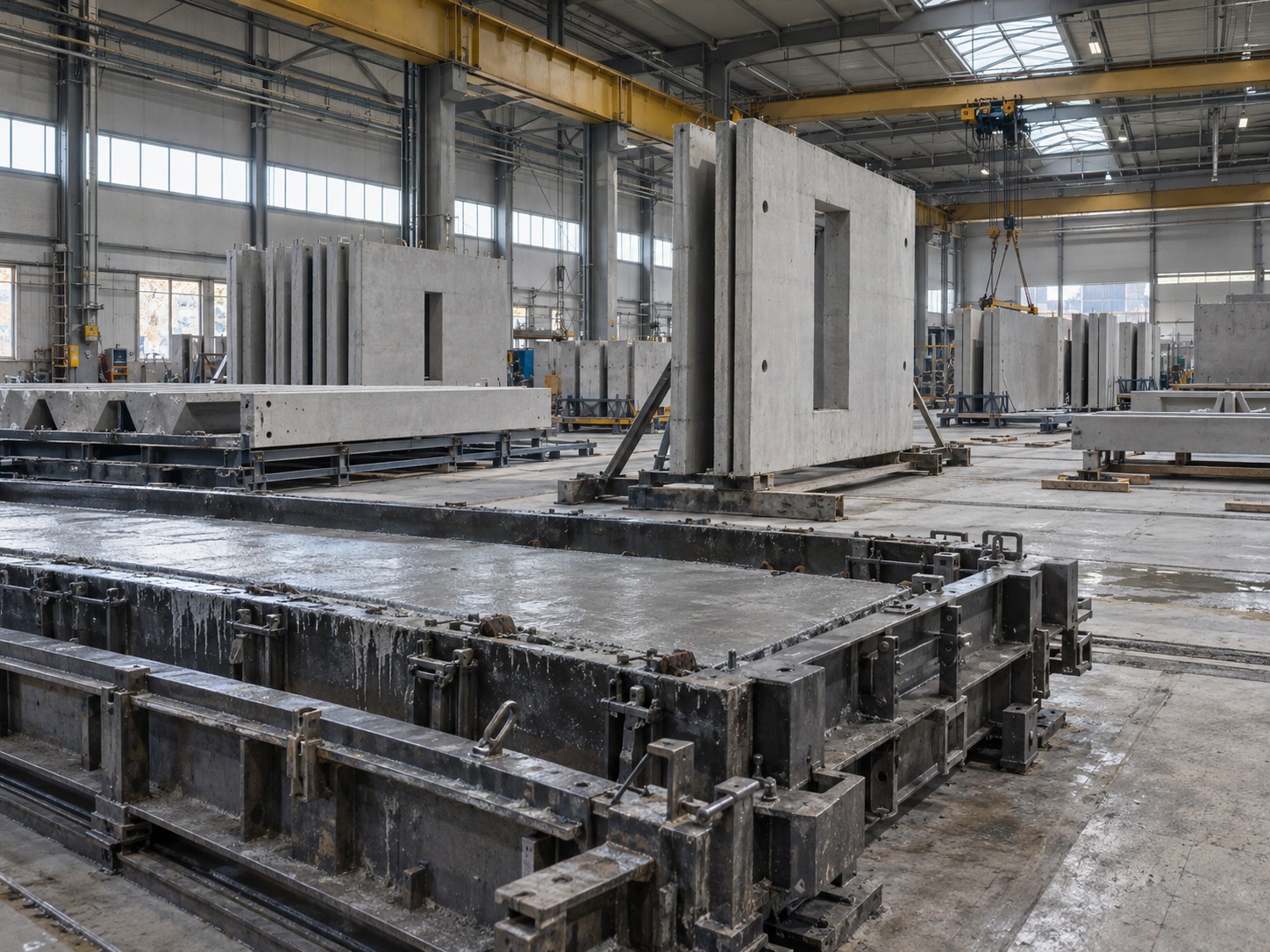
EMA Kimya develops concrete admixtures, concrete protection products and professional construction chemical solutions for ready-mixed concrete plants, precast and prefabricated manufacturers, bridges, viaducts, tunnels, metro systems, dams, roads, airports and large-scale infrastructure projects.

Concrete class, cement and aggregate properties, water/cement ratio, environmental exposure and project conditions can be evaluated together to identify systems that support durability and long-term concrete performance.

EMA Kimya's technical approach focuses not only on achieving high compressive strength, but also on improving low permeability, controlled cracking, concrete protection and long service life together.

Long-lasting reinforced concrete is achieved not only with strong concrete, but with the right concrete design and protection system that makes it more difficult for water and environmental effects to reach the reinforcement.

Related News

The Importance of Concrete Admixtures in the Construction Industry

Publication Date: 01 Ekim 2026

Why Does Concrete Lose Slump? How Can Workability Be Maintained in Ready-Mixed Concrete?

Publication Date: 01 Ekim 2026

What Do Cement Grinding Aids Do? How Can Cement Performance and Production Efficiency Be Improved?

Publication Date: 01 Ekim 2026

How to Improve Concrete Pumpability? Choosing the Right Admixture for Pumped Concrete

Publication Date: 01 Ekim 2026

How Does the Use of Recycled Water in Ready-Mixed Concrete Production Affect Concrete Quality? Concrete Admixtures and Water Management

Publication Date: 01 Ekim 2026

What Is Cement-Admixture Incompatibility? How Can Rapid Slump Loss, Setting Problems and Admixture Performance Be Controlled in Ready-Mixed Concrete?

Publication Date: 01 Ekim 2026

How Can Ready-Mixed Concrete Production Costs Be Reduced? Mix Design and Cost Optimization with Concrete Admixtures

Publication Date: 01 Ekim 2026

Why Do Segregation and Bleeding Occur in Concrete? The Right Admixture Technology for Homogeneous Concrete

Publication Date: 01 Ekim 2026

The Right Admixture Technology for Early Strength and Faster Demolding in Precast Concrete Production

Publication Date: 01 Ekim 2026

How to Choose Ready-Mix Concrete Admixtures? Key Factors That Determine Concrete Performance

Publication Date: 01 Ekim 2026

Support Surface Strength and Long-Term Performance with Concrete Curing and Protection Products

Publication Date: 01 Ekim 2026

How to Improve Quality in Ready-Mixed Concrete Production

Publication Date: 01 Ekim 2026

Concrete Protection Products and Their Advantages

Publication Date: 01 Ekim 2026

What Is a Set-Accelerating Concrete Admixture? How Can Setting Time and Early Strength Be Controlled in Cold Weather?

Publication Date: 01 Ekim 2026

How Is Low-Carbon Concrete Produced?

Publication Date: 01 Ekim 2026

Web Design & Software | COUR Media