English
×
All rights reserved. All content and images used on this website
belong to EMA Kimya and may not be used without permission.
cour
 EMA Kimya | Concrete Admixtures, Cement Additives, Construction Chemicals, Superplasticizers, High-Range Water Reducers, Concrete Performance Solutions, Ready-Mix and Precast Concrete Technologies, Infrastructure, Industrial Projects, Technical Support, Production and Cost Consulting  EMA Kimya | Concrete Admixtures, Cement Additives, Construction Chemicals, Superplasticizers, High-Range Water Reducers, Concrete Performance Solutions, Ready-Mix and Precast Concrete Technologies, Infrastructure, Industrial Projects, Technical Support, Production and Cost Consulting
EMA Kimya | Concrete Admixtures, Cement Additives, Construction Chemicals, Superplasticizers, High-Range Water Reducers, Concrete Performance Solutions, Ready-Mix and Precast Concrete Technologies, Infrastructure, Industrial Projects, Technical Support, Production and Cost Consulting

"Strength in Every Mix,
Quality in Every Drop"

×

Quality, reliability, and a commitment to sustainable production.

We provide professional solutions in concrete admixtures and construction chemicals.

Menu

Quality, reliability, and a commitment to sustainable production.

We provide professional solutions in concrete admixtures and construction chemicals.

24 September 2026

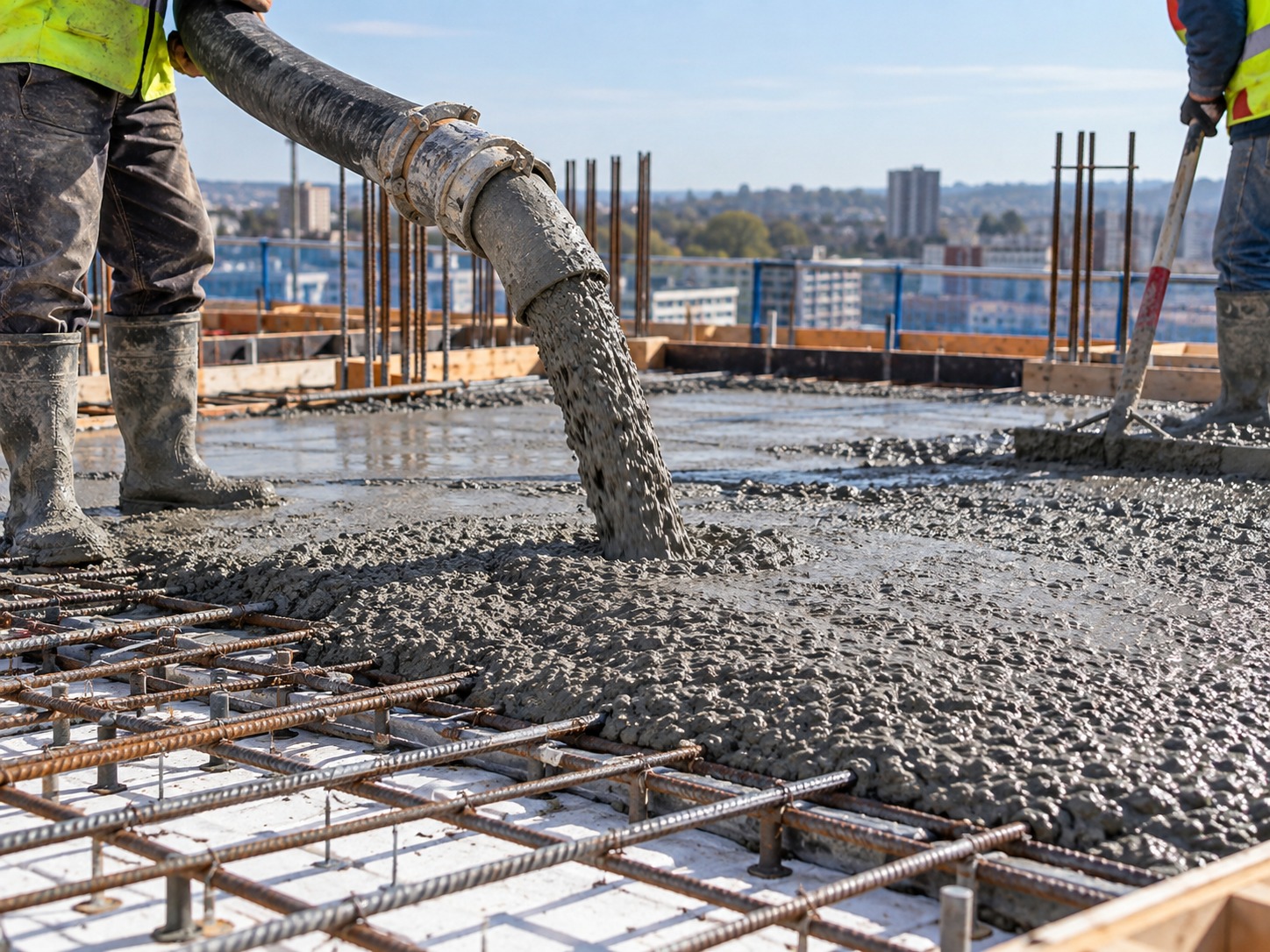
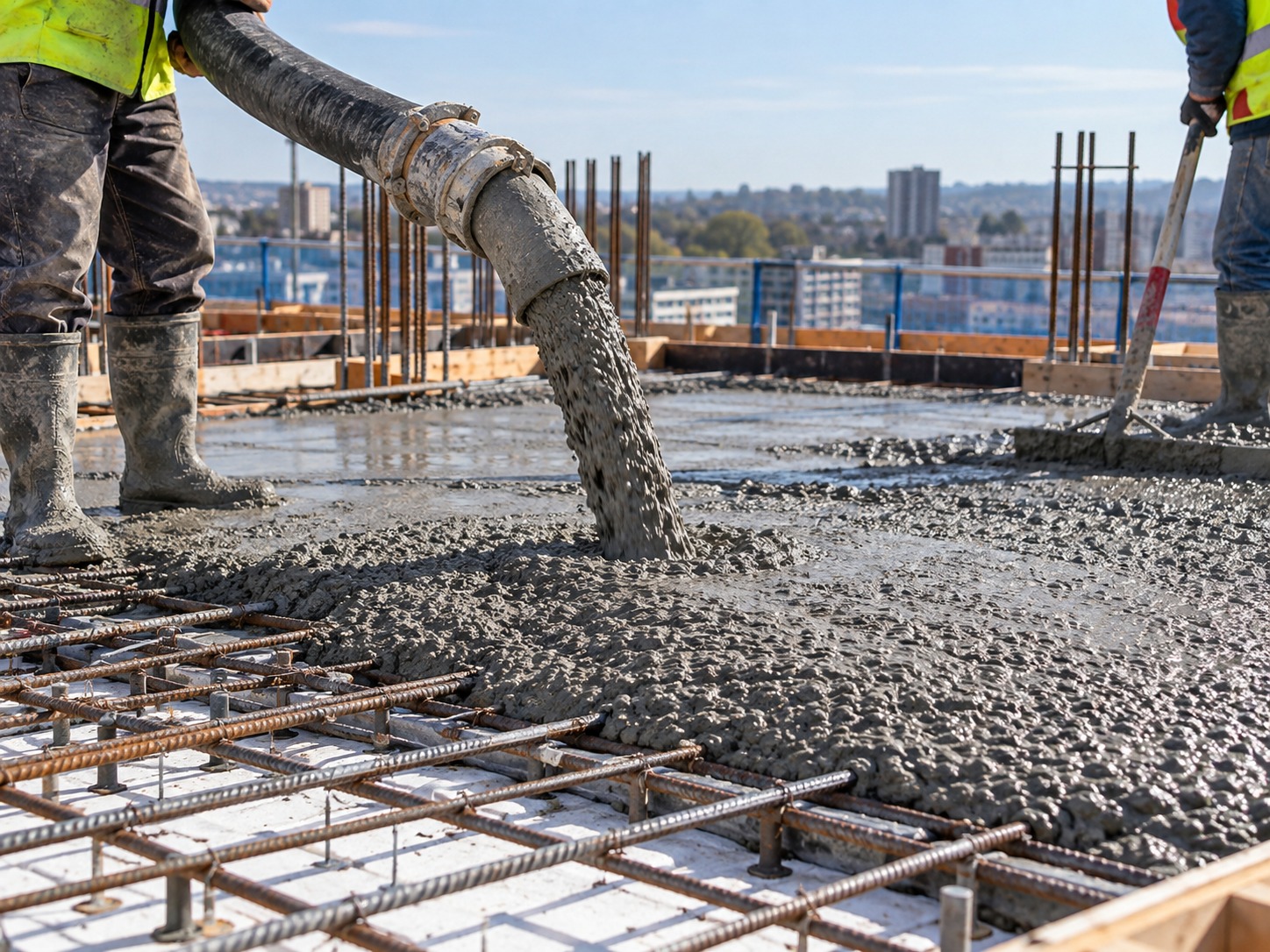
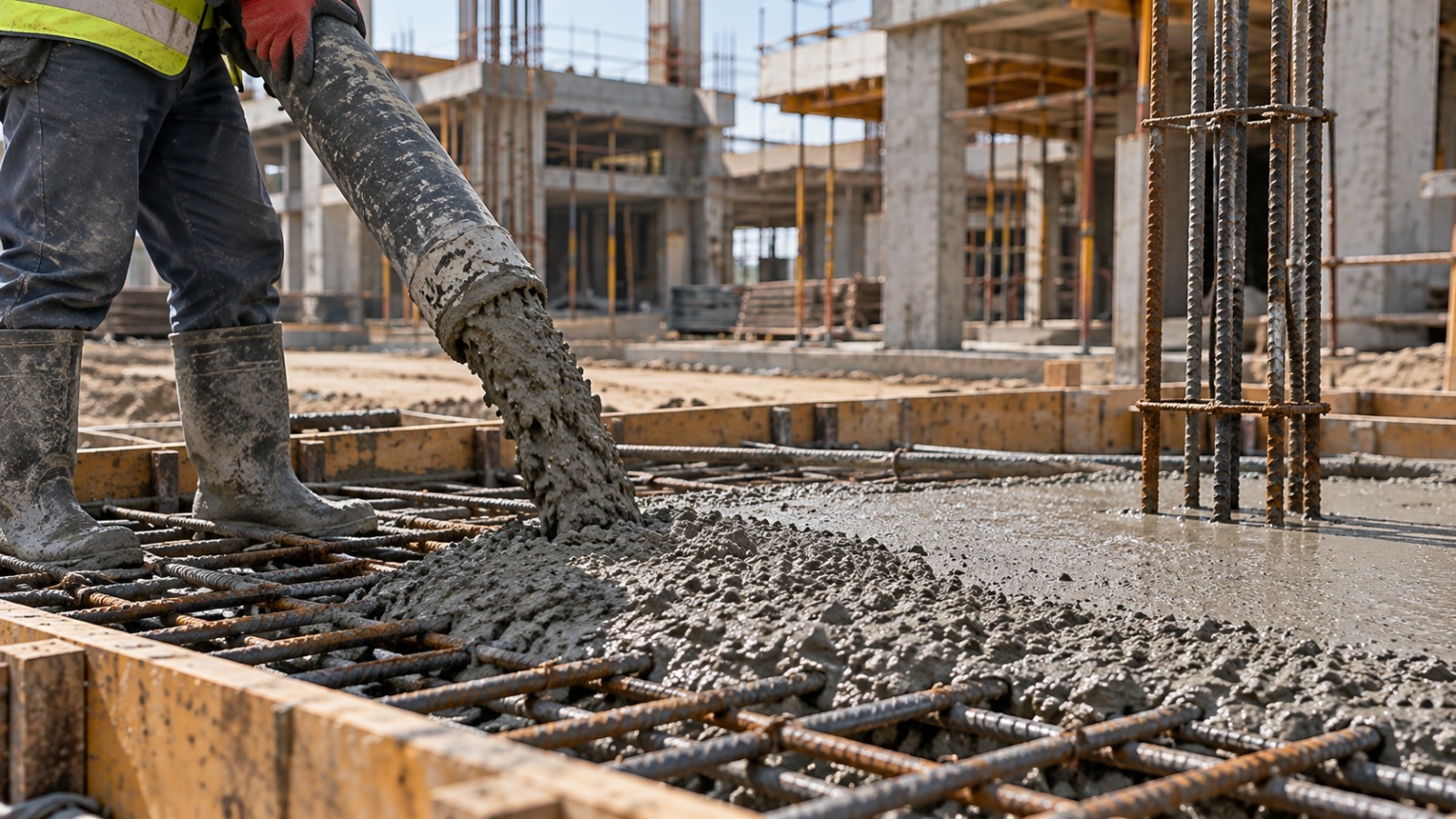
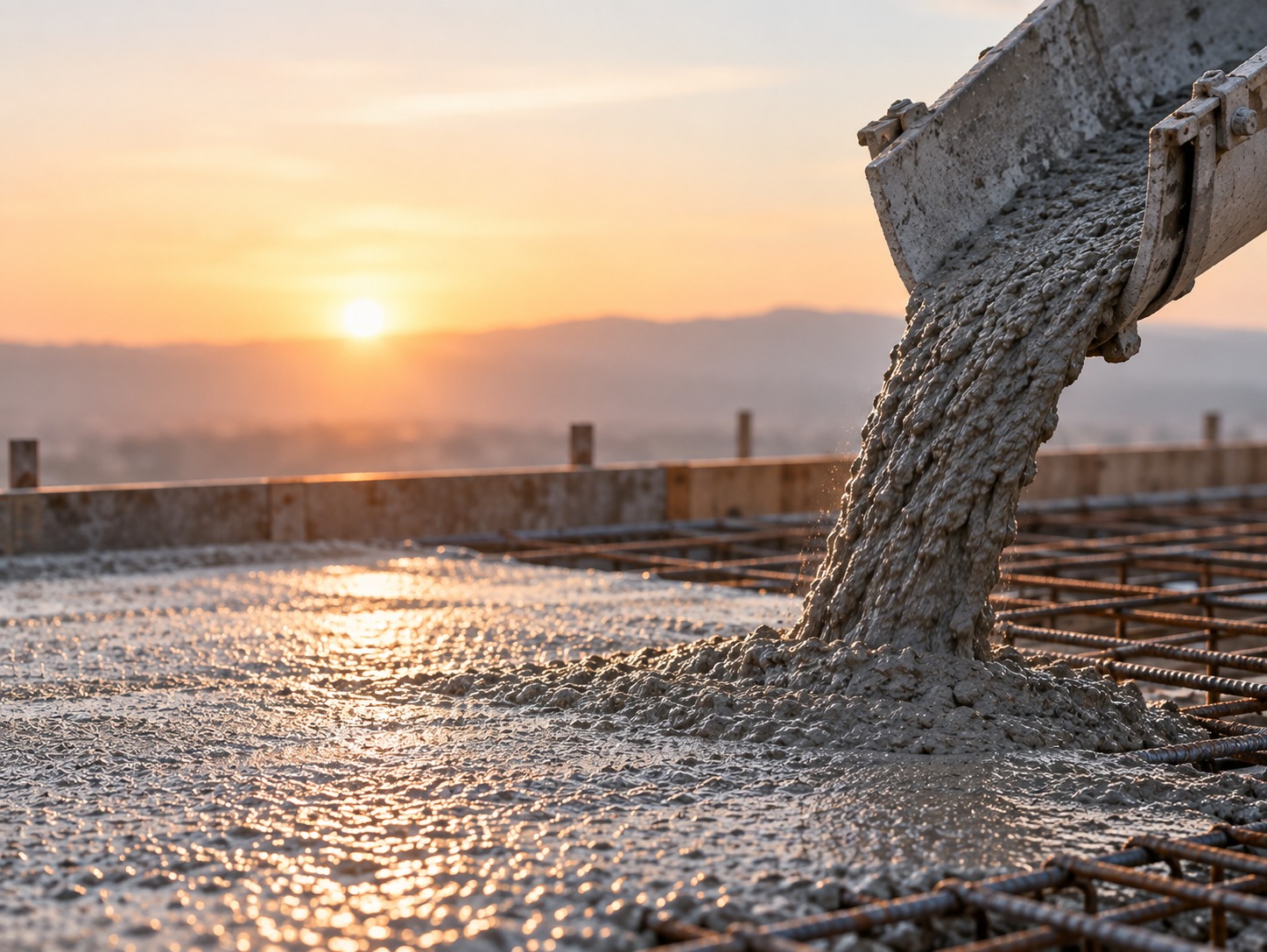
In modern construction projects, high concrete strength alone is not enough. Concrete must also be transported from the batching plant to the site, pumped through pipelines and delivered to the placement area while maintaining a stable and homogeneous structure.

Especially in high-rise buildings, large construction sites, tunnels and projects with long pumping distances, concrete pumpability is an important performance criterion that directly affects application speed and site efficiency.

The right concrete mix design and suitable concrete admixture system can help concrete move more smoothly through the pipeline, maintain workability and reduce problems that may occur during pumping.

What Is Concrete Pumpability?

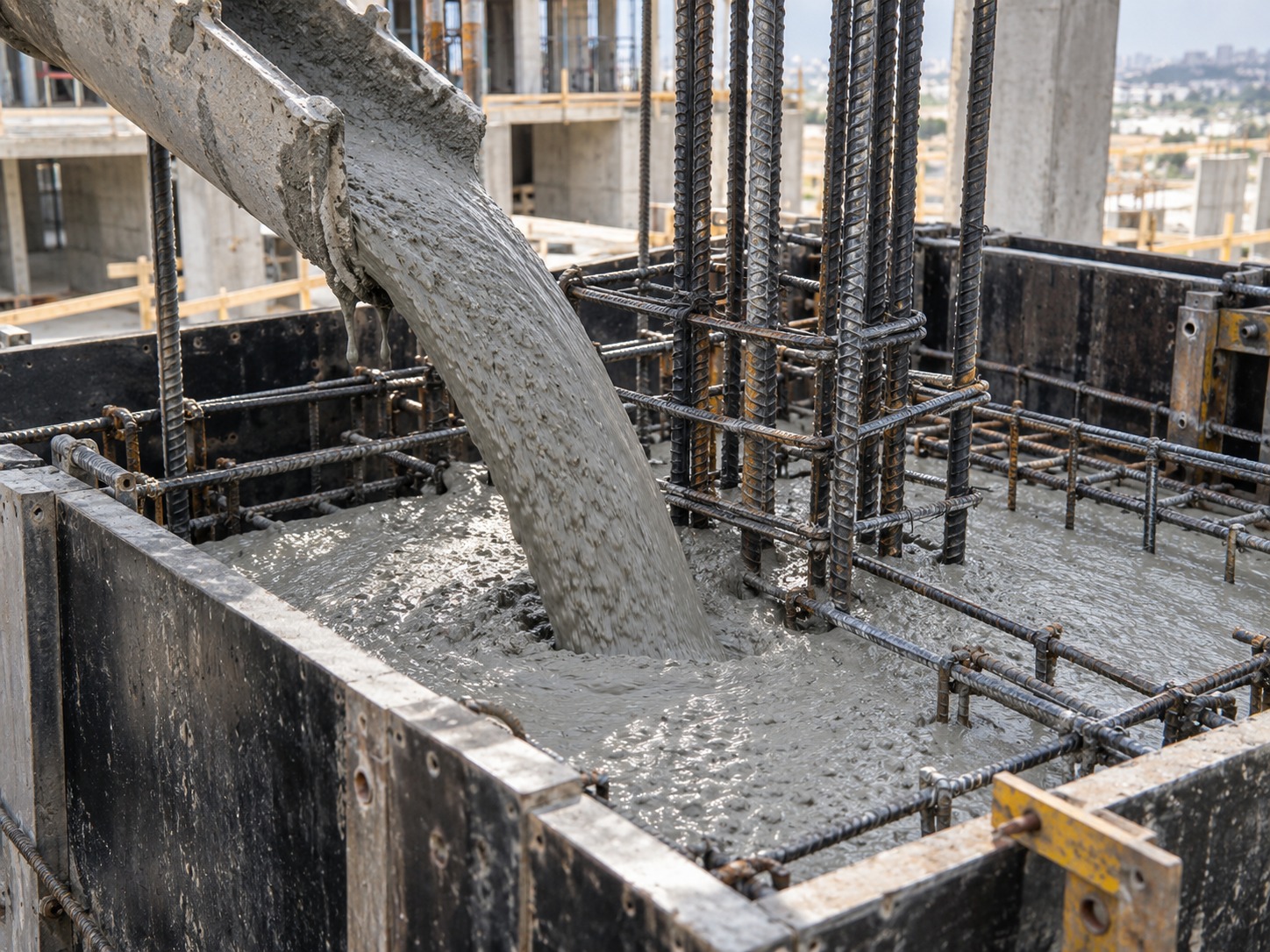
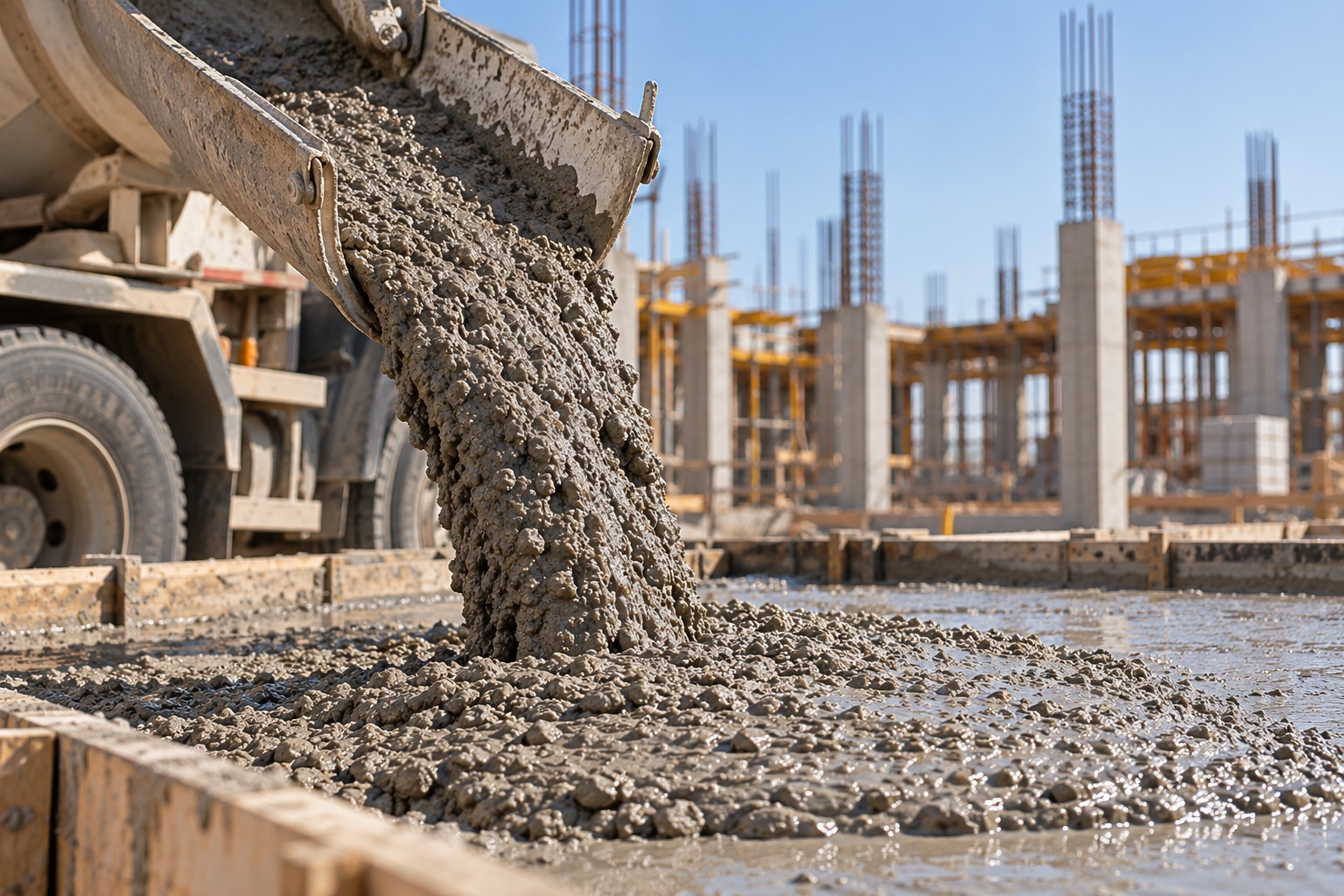
Concrete pumpability is the ability of fresh concrete to move through a pump and pipeline without segregation, excessive pressure buildup or loss of flow.

A pumpable concrete mix should not only be workable but also remain stable, allowing cement paste, fine materials and aggregates to move together.

Concrete that is too dry may increase pumping resistance, while excessive water can lead to segregation and poor mix stability.

For this reason, pumpability depends on the correct balance between flowability and stability.

Why Does a Concrete Pump Line Become Blocked?

There can be many different causes of pump line blockage.

Unsuitable aggregate grading, insufficient fine material, low workability, rapid slump loss, segregation or increased friction inside the pipeline can negatively affect pumping performance.

In particular, separation of coarse aggregates from the cement paste may lead to irregular material movement inside the pipeline.

For this reason, pumping problems are related not only to the equipment but also to the overall concrete mix design.

Does Adding Water Improve Concrete Pumpability?

Adding uncontrolled amounts of water on site to make concrete easier to pump is not the correct solution.

Excess water may temporarily increase flowability, but it can also increase the water/cement ratio, raise the risk of segregation and negatively affect concrete strength.

For this reason, pumpability should be improved through suitable high-range water-reducing and water-reducing admixtures instead of simply adding more water.

The correct admixture system can help provide the required workability while maintaining a lower water content.

The Role of High-Range Water-Reducing Admixtures in Pumped Concrete

High-range water-reducing admixtures can improve concrete flowability by helping cement particles disperse more effectively.

This can allow concrete to move more easily through the pump line while maintaining a lower water/cement ratio.

However, high flowability alone is not enough.

If the concrete becomes highly fluid but loses mix stability, coarse aggregates may separate and pumping performance can deteriorate.

For this reason, the admixture system should be optimized according to the concrete mix design.

Why Is Slump Retention Important?

Ready-mixed concrete requires time to travel from the batching plant to the construction site and complete the pumping process.

Long transportation distances, hot weather and waiting times on site can cause concrete to lose workability.

If concrete has already lost a significant amount of its initial workability before entering the pump line, pumping pressure may increase and placement can become more difficult.

For this reason, slump-retaining admixture technologies can play an important role in managing time-dependent workability during long applications.

The Effect of Aggregate Grading on Pumpability

Aggregate selection is critical in pumpable concrete design.

A balanced proportion of coarse and fine aggregates helps concrete move more consistently through the pipeline.

Poor aggregate grading can increase void content and create a greater demand for cement paste.

Maximum aggregate size should also be selected according to pipeline diameter and project conditions.

Why Are Fine Materials and Cement Paste Important?

As concrete moves through a pump line, a lubricating mortar layer should form between the concrete and the inner surface of the pipe.

Sufficient cement paste and an appropriate amount of fine material help create this lubricating layer.

If the mix contains insufficient fines, friction inside the pipeline may increase.

However, excessive fine material can also increase water and admixture demand.

For this reason, the mix should be designed around an optimum balance.

Concrete Pumping in High-Rise Buildings

In high-rise construction, concrete may need to travel through pump lines extending hundreds of meters.

As pumping height increases, pressure and concrete rheology become increasingly important.

Concrete must maintain its homogeneity throughout the long pumping distance, avoid excessive slump loss and resist segregation.

In these projects, concrete mix design, pumping equipment, pipe diameter, pumping distance and the admixture system should be evaluated together.

When Is Viscosity Control Necessary?

In some highly flowable concrete mixes, superplasticizers alone may not provide sufficient mix stability.

In such cases, auxiliary or viscosity-modifying concrete admixtures can help maintain a more stable concrete structure.

The goal is not to stop the concrete from flowing, but to ensure that the aggregate and cement paste continue moving together during high-flow conditions.

This becomes particularly important in self-compacting and highly flowable pumped concrete.

Does Higher Pump Pressure Always Mean an Equipment Problem?

No.

Higher pump pressure can be caused by equipment issues, but it may also result from concrete properties.

Slump loss, segregation or insufficient fine material can increase resistance inside the pump line.

For this reason, when pumping problems occur, concrete slump, temperature, aggregate structure and the admixture system should also be checked.

The Importance of Laboratory and Field Trials

Pumpable concrete should not be designed only through theoretical calculations.

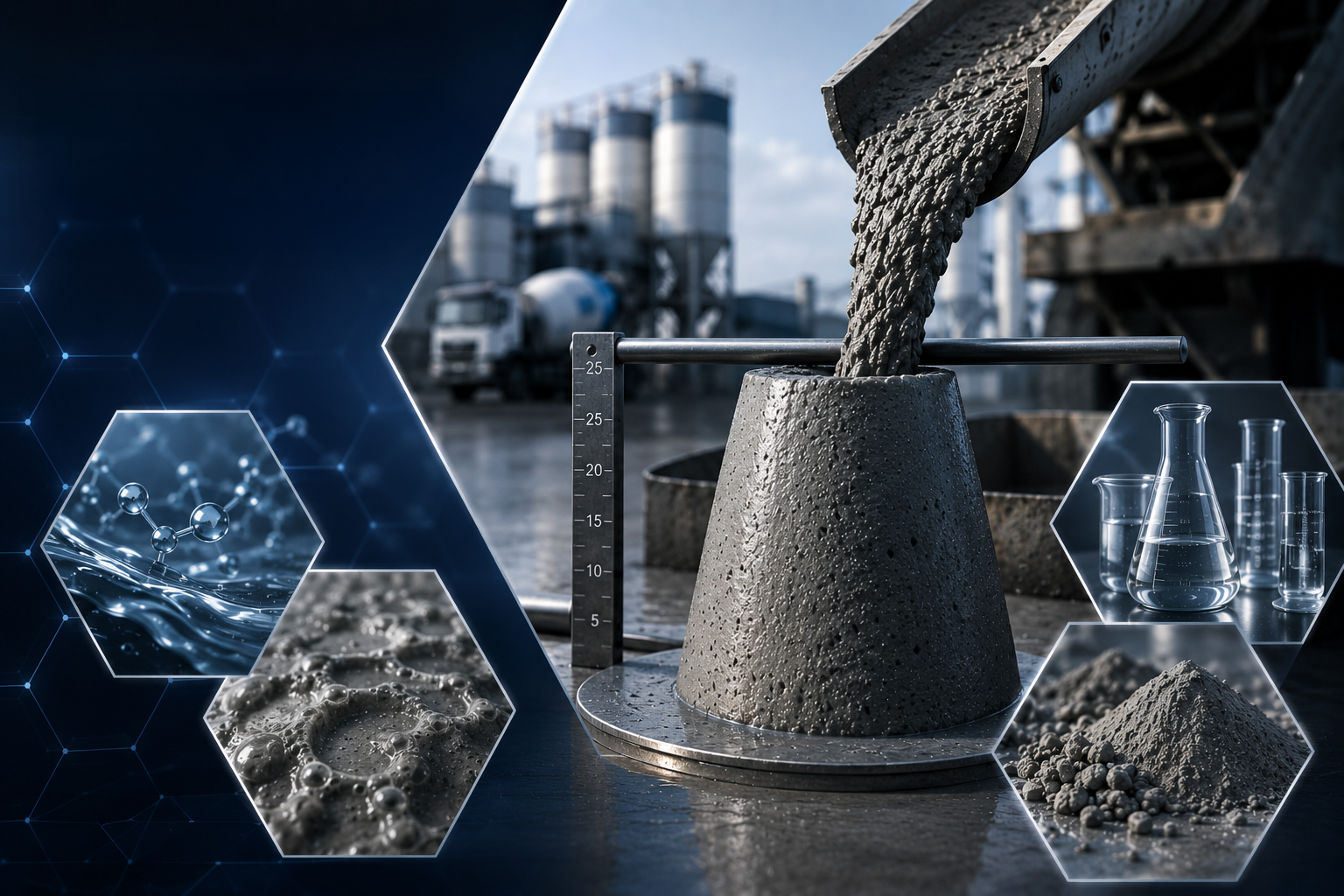
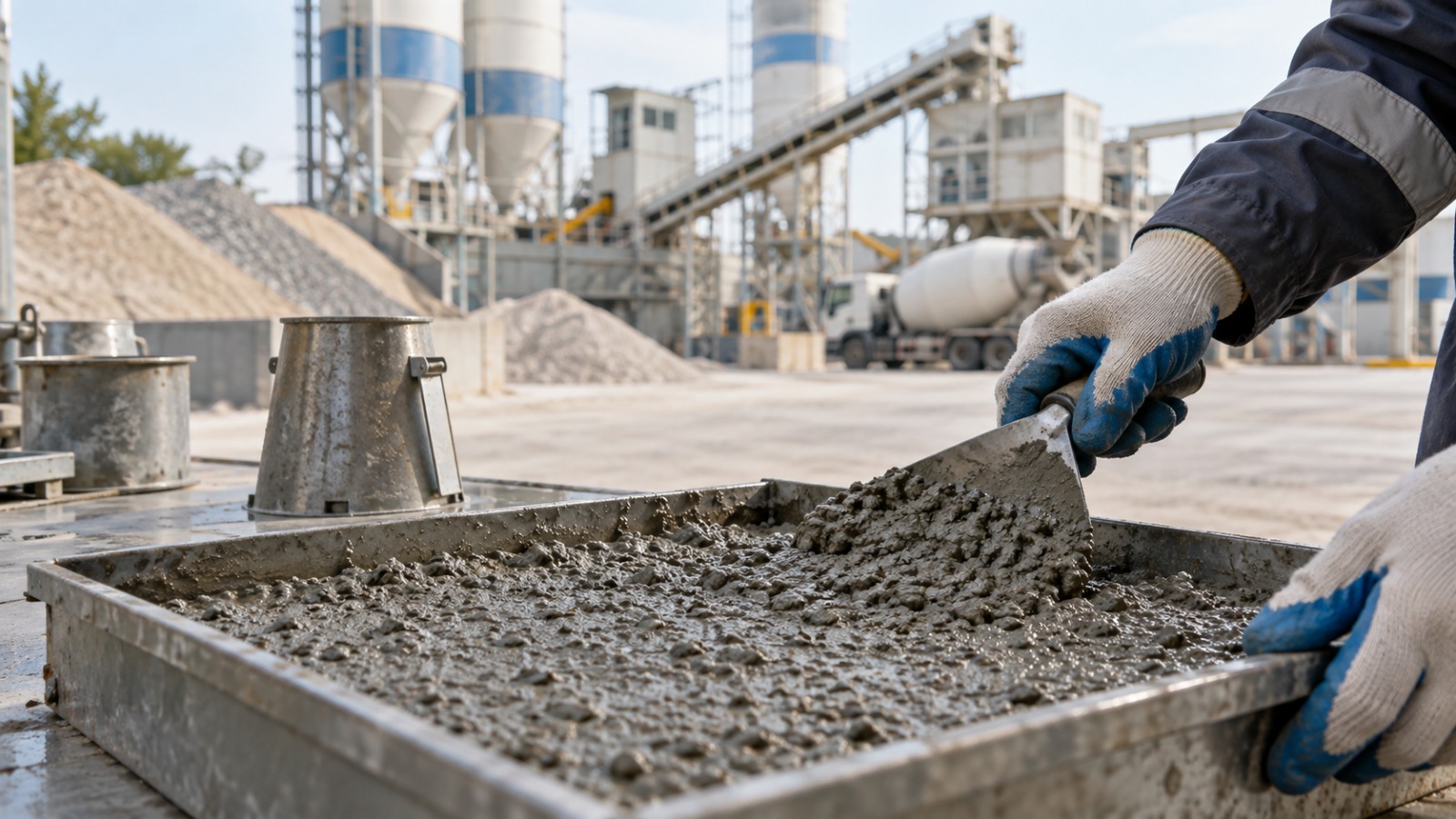
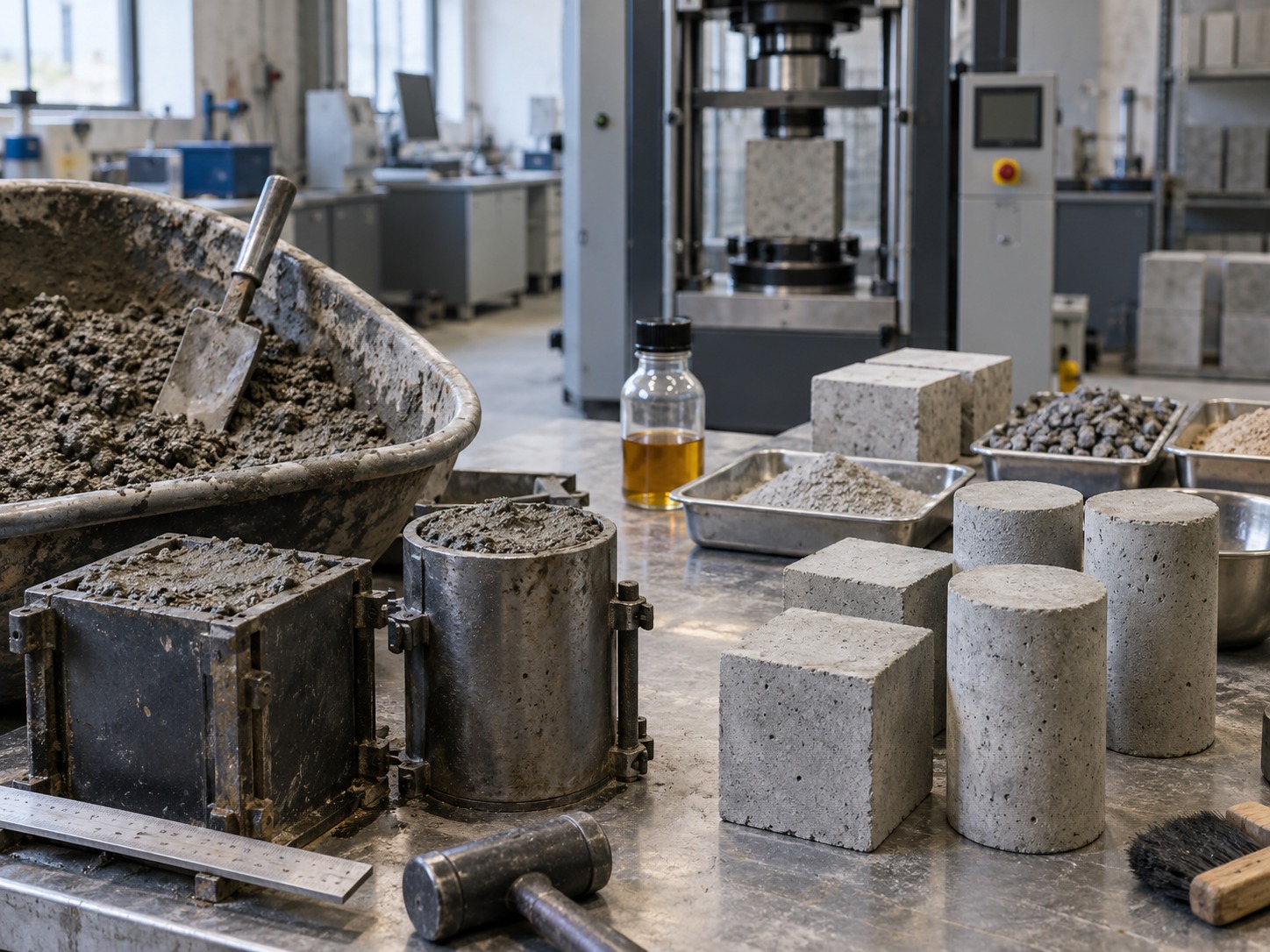
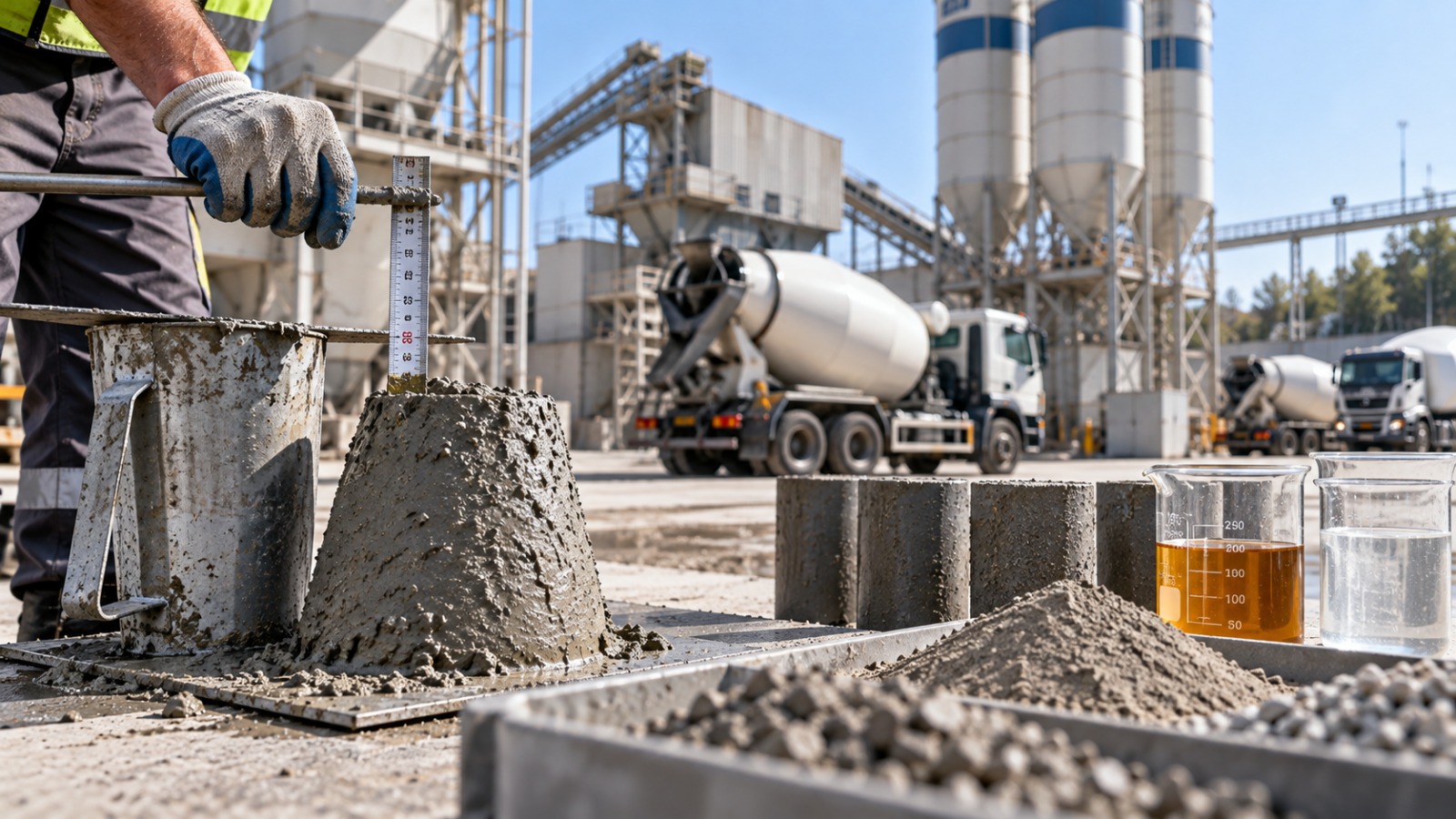
Laboratory testing using the actual cement and aggregates intended for production can be used to evaluate initial slump, slump retention, segregation resistance and other fresh concrete properties.

Field and pumping trials can then provide valuable information about concrete behavior under actual application conditions.

Based on these results, admixture type and dosage can be optimized more accurately.

EMA Kimya Pumpable Concrete Admixture Solutions

EMA Kimya develops professional concrete admixture technologies for ready-mixed concrete plants, high-rise construction projects, large infrastructure applications, tunnels, precast manufacturers and high-performance concrete applications.

High-range water-reducing, slump-retaining and auxiliary concrete admixture systems can be optimized according to cement type, aggregate structure, pumping distance, concrete temperature, target consistency and application time.

EMA Kimya's technical approach focuses not only on making concrete more fluid, but also on improving pumpability, mix stability, slump retention, strength and overall field performance together.

Successful pumped concrete is not simply concrete with high flowability; it is concrete that maintains the correct consistency and homogeneous structure throughout the pumping process.

Related News

What Causes Plastic Shrinkage Cracks in Concrete? How Can Early Surface Cracking Be Prevented?

Publication Date: 24 Eylül 2026

How Can Concrete Workability Be Improved?

Publication Date: 24 Eylül 2026

High Flowability and Controlled Concrete Performance with Self-Compacting Concrete Admixtures

Publication Date: 24 Eylül 2026

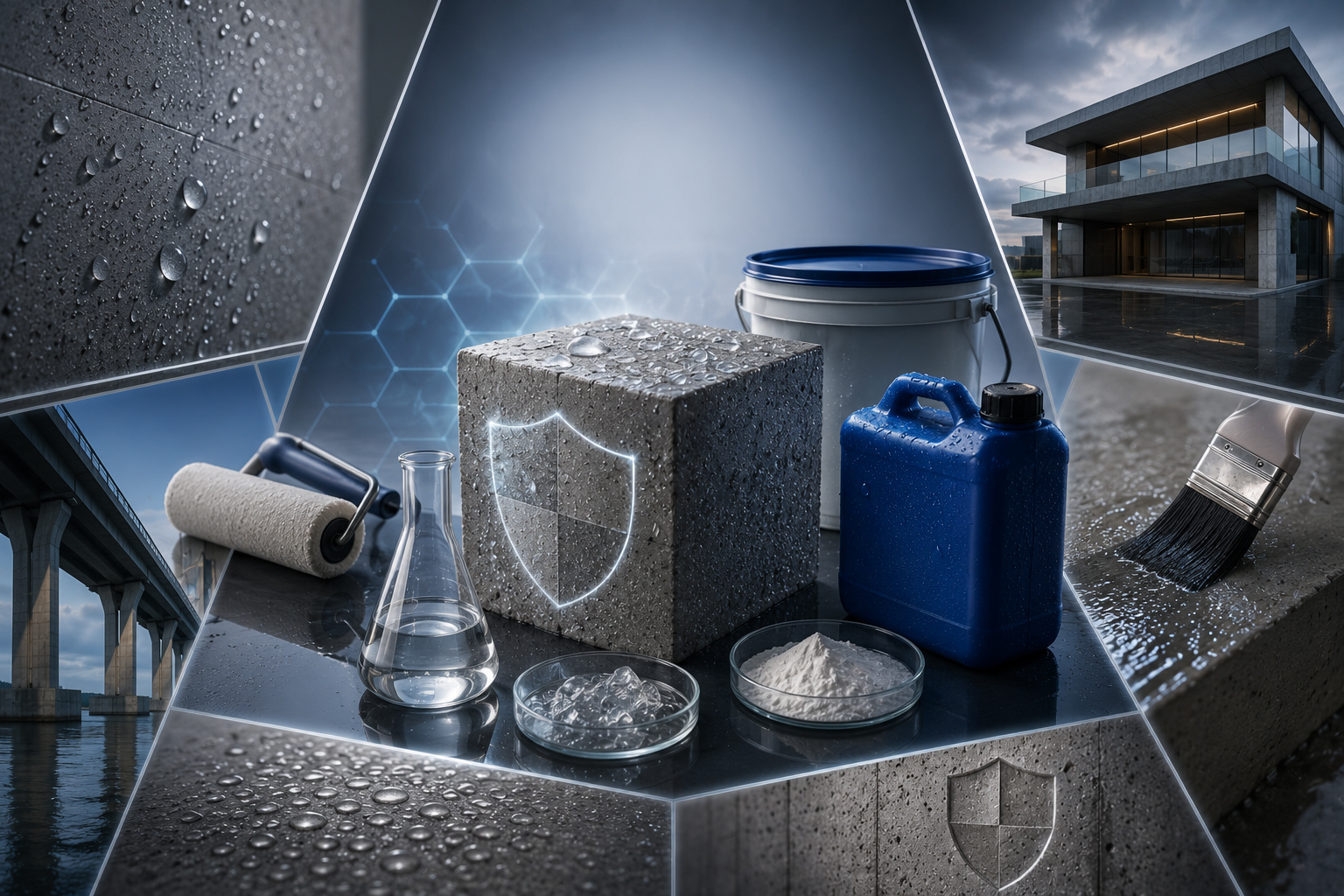
Concrete Protection Products and Their Advantages

Publication Date: 24 Eylül 2026

What Are Auxiliary Concrete Admixtures? How Can Stability and Performance Be Controlled in Ready-Mixed Concrete?

Publication Date: 24 Eylül 2026

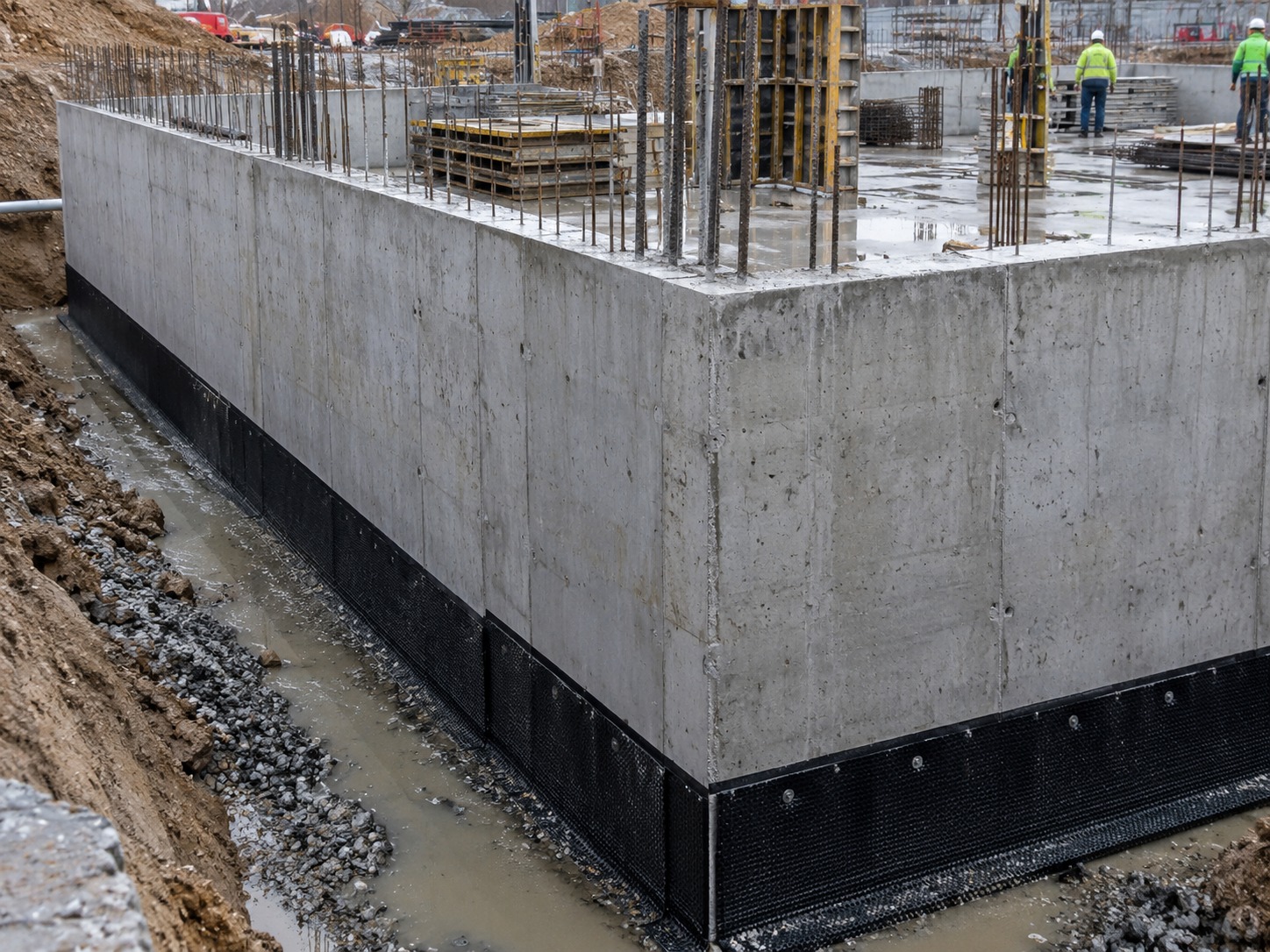
How to Improve Water Resistance in Concrete? The Right Admixture Technology for Low-Permeability Concrete

Publication Date: 24 Eylül 2026

What Are Polycarboxylate-Based Concrete Admixtures? Next-Generation Superplasticizer Technology

Publication Date: 24 Eylül 2026

What Do Cement Grinding Aids Do? How Can Cement Performance and Production Efficiency Be Improved?

Publication Date: 24 Eylül 2026

How to Improve Concrete Pumpability? Choosing the Right Admixture for Pumped Concrete

Publication Date: 24 Eylül 2026

Higher and More Consistent Concrete Performance with Strength-Enhancing Admixtures

Publication Date: 24 Eylül 2026

What Are Concrete Admixture Dosing Errors? Correct Storage and Use in Ready-Mixed Concrete Plants

Publication Date: 24 Eylül 2026

Why Do Honeycombing and Voids Occur in Concrete? The Right Application and Admixture Technology for More Homogeneous Concrete

Publication Date: 24 Eylül 2026

What Is Alkali-Silica Reaction (ASR) in Concrete? How Can Internal Cracking and Long-Term Durability Loss Be Prevented?

Publication Date: 24 Eylül 2026

The Importance of Set-Retarding Concrete Admixtures in Hot Weather and Long Transportation Times

Publication Date: 24 Eylül 2026

What Is Cement-Admixture Incompatibility? How Can Rapid Slump Loss, Setting Problems and Admixture Performance Be Controlled in Ready-Mixed Concrete?

Publication Date: 24 Eylül 2026

Web Design & Software | COUR Media