English
×
All rights reserved. All content and images used on this website
belong to EMA Kimya and may not be used without permission.
cour
 EMA Kimya | Concrete Admixtures, Cement Additives, Construction Chemicals, Superplasticizers, High-Range Water Reducers, Concrete Performance Solutions, Ready-Mix and Precast Concrete Technologies, Infrastructure, Industrial Projects, Technical Support, Production and Cost Consulting  EMA Kimya | Concrete Admixtures, Cement Additives, Construction Chemicals, Superplasticizers, High-Range Water Reducers, Concrete Performance Solutions, Ready-Mix and Precast Concrete Technologies, Infrastructure, Industrial Projects, Technical Support, Production and Cost Consulting
EMA Kimya | Concrete Admixtures, Cement Additives, Construction Chemicals, Superplasticizers, High-Range Water Reducers, Concrete Performance Solutions, Ready-Mix and Precast Concrete Technologies, Infrastructure, Industrial Projects, Technical Support, Production and Cost Consulting

"Strength in Every Mix,
Quality in Every Drop"

×

Quality, reliability, and a commitment to sustainable production.

We provide professional solutions in concrete admixtures and construction chemicals.

Menu

Quality, reliability, and a commitment to sustainable production.

We provide professional solutions in concrete admixtures and construction chemicals.

23 September 2026

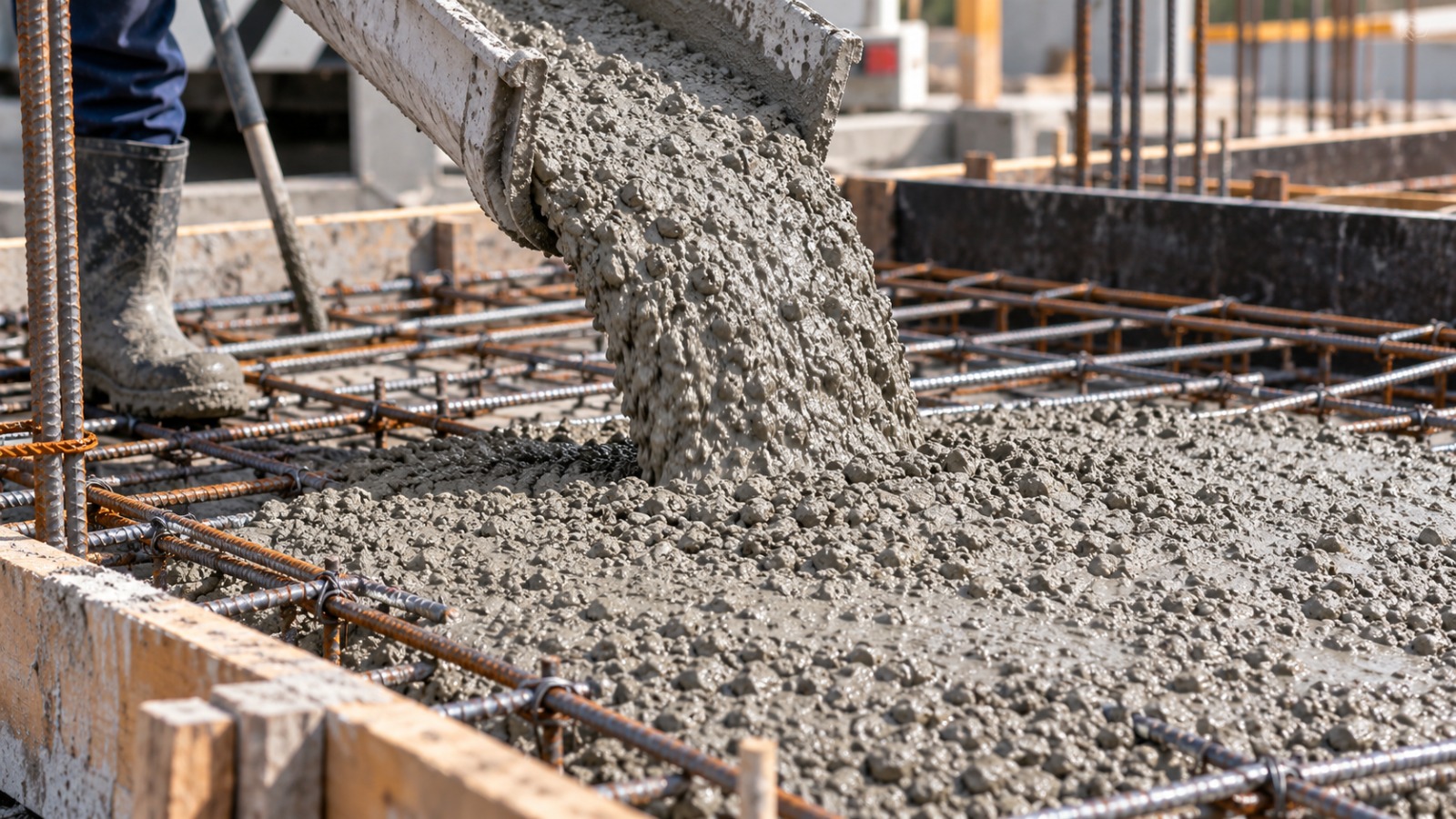
Cold weather conditions are among the most important factors that must be carefully managed during concrete production and placement. As temperature decreases, cement hydration reactions can slow down, setting time may become longer and early strength development can be delayed.

Especially in ready-mixed concrete applications during winter, precast production and projects requiring fast construction cycles, achieving controlled setting and sufficient early strength is essential for both production efficiency and site planning.

In these conditions, set-accelerating concrete admixtures can help support early-age concrete performance and provide a more controlled hardening process at low temperatures.

How Does Cold Weather Affect Concrete?

Concrete hardening occurs through hydration reactions between cement and water.

As temperature decreases, the rate of these reactions can also decrease. As a result, setting time may be extended and the concrete may require more time to reach the targeted early strength.

This can directly affect production schedules in projects where demolding time is critical, in precast plants and on construction sites with tight timelines.

For this reason, cold weather concreting should not be evaluated only in terms of placement. Mix design, concrete temperature, admixture system and curing conditions should all be considered together.

What Is a Set-Accelerating Concrete Admixture?

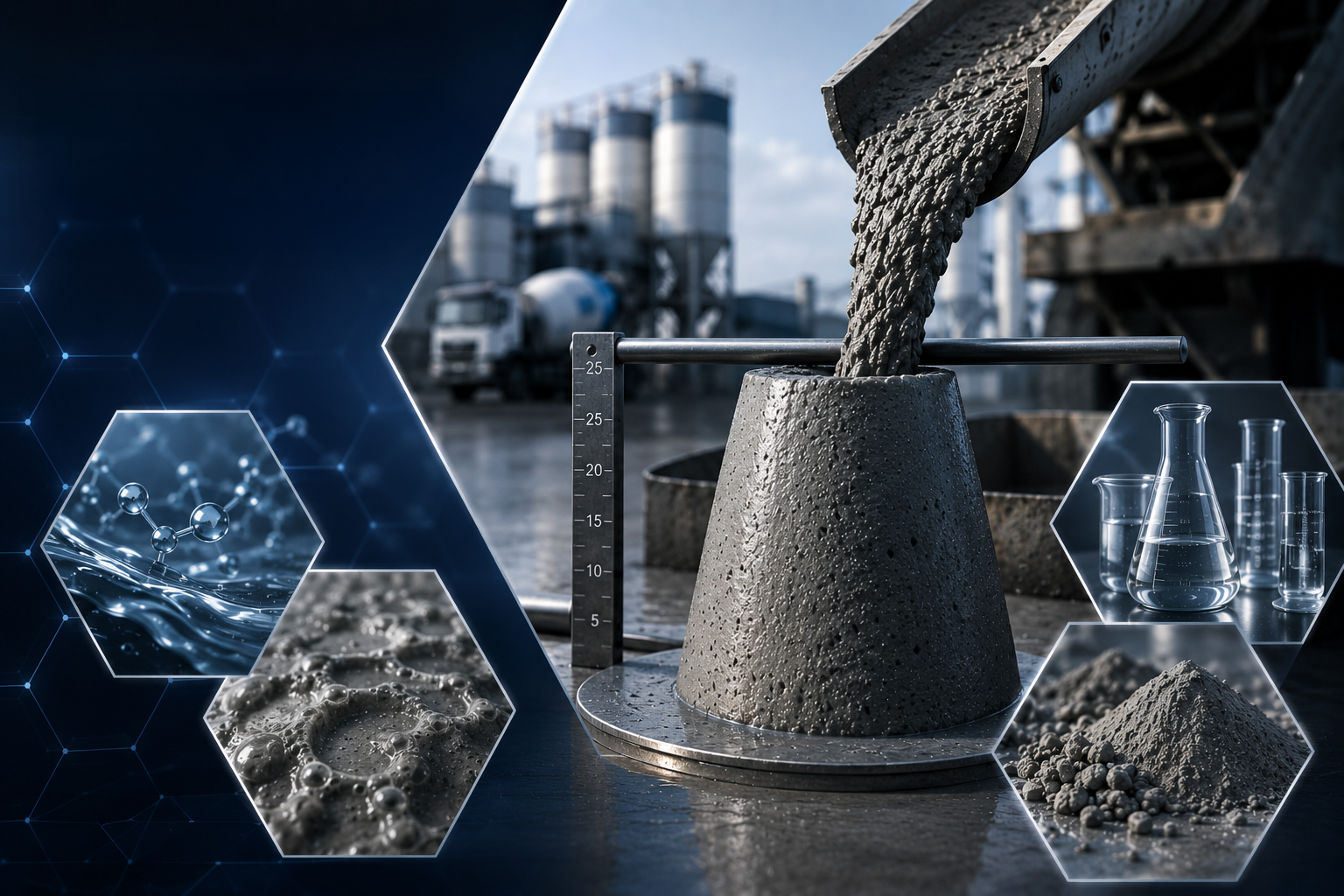
Set accelerators are chemical admixtures used to accelerate the setting process of concrete or mortar according to application requirements.

When the correct product and dosage are used, these admixtures can help concrete gain early strength more quickly.

This can provide an important advantage in cold weather conditions, short mold cycles and concrete applications where production time is critical.

However, set-accelerating admixtures should not be selected only with the goal of faster setting. Final strength, workability and long-term concrete performance should also be evaluated.

Are Setting Time and Early Strength the Same?

Setting time and early strength are related, but they are not the same.

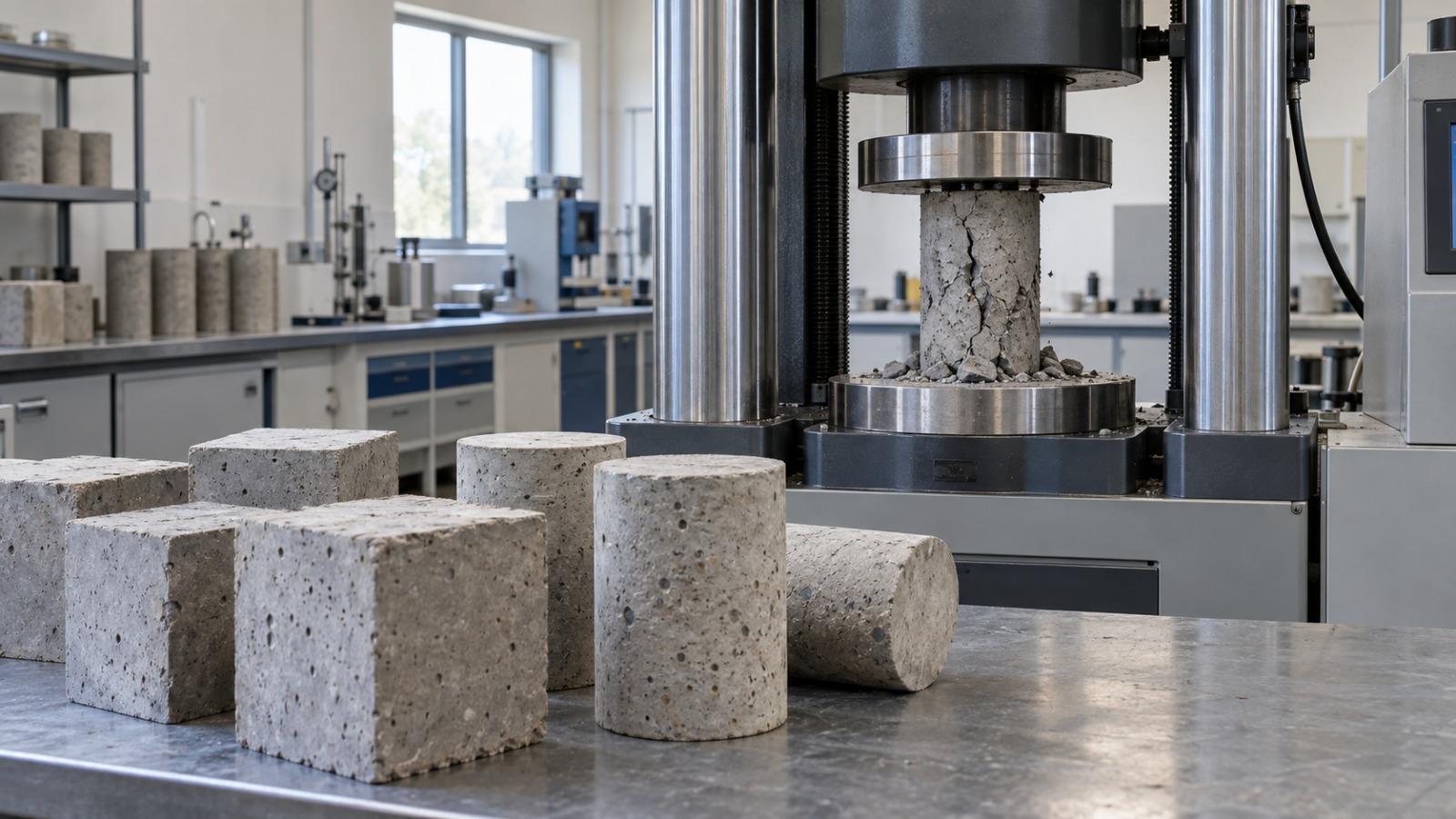
Setting refers to the transition of concrete from a plastic state toward a hardened condition. Early strength refers to the mechanical strength developed by concrete within the first hours and days after placement.

Fast setting does not automatically mean that the concrete has reached the required early strength.

For this reason, in projects requiring fast demolding or early loading, actual strength development should be monitored together with setting time.

Ready-Mixed Concrete Production in Winter

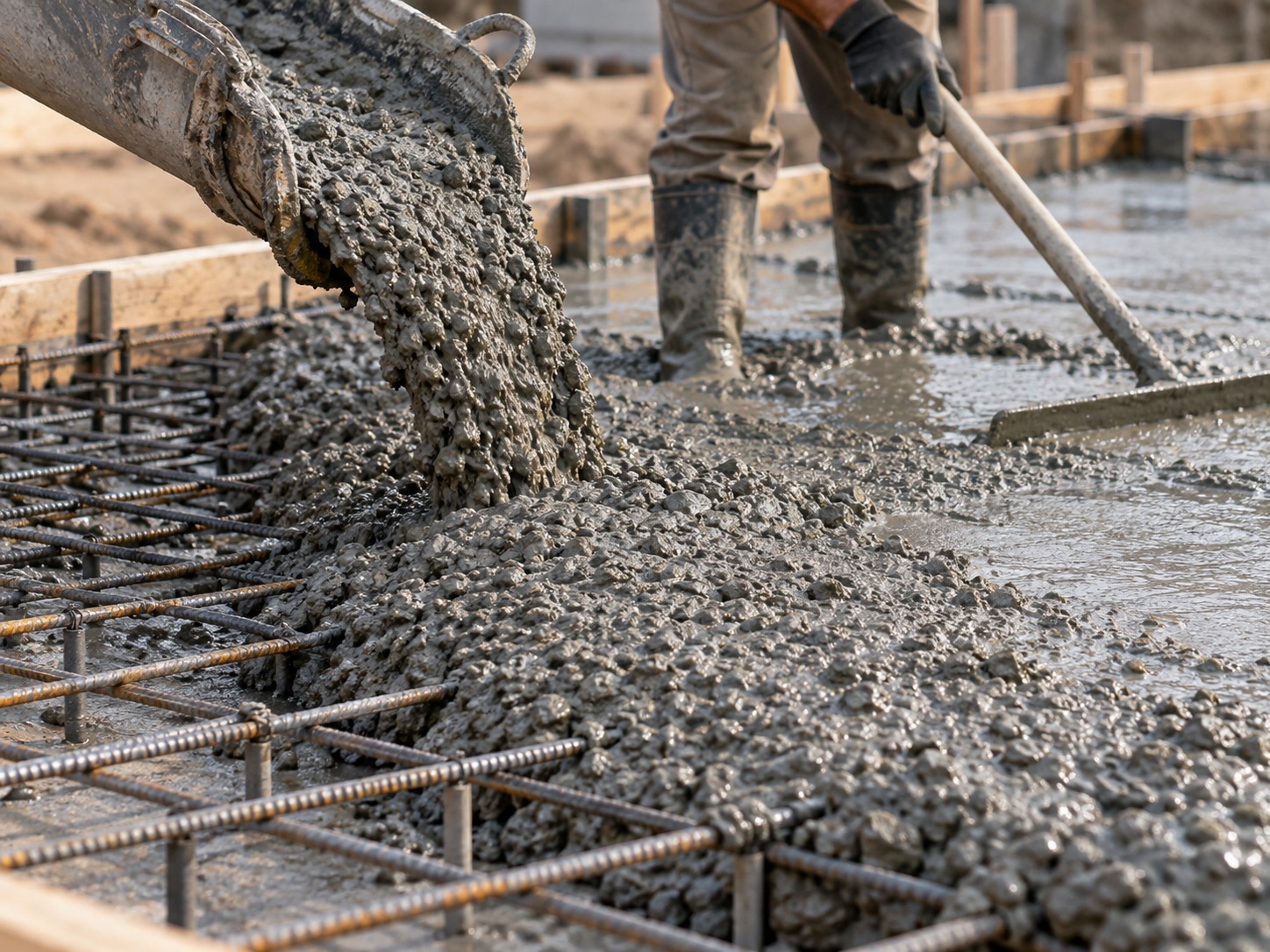
Winter conditions can affect every stage of ready-mixed concrete production, from batching to delivery.

Cold aggregates, low mix temperatures and long transportation times can all change concrete behavior.

For this reason, using exactly the same concrete mix design in winter as in warm-weather conditions may not always provide consistent results.

The admixture system, concrete temperature, water content and production conditions should be optimized together to achieve more stable concrete performance.

Set-Accelerating Admixtures in Precast Concrete Production

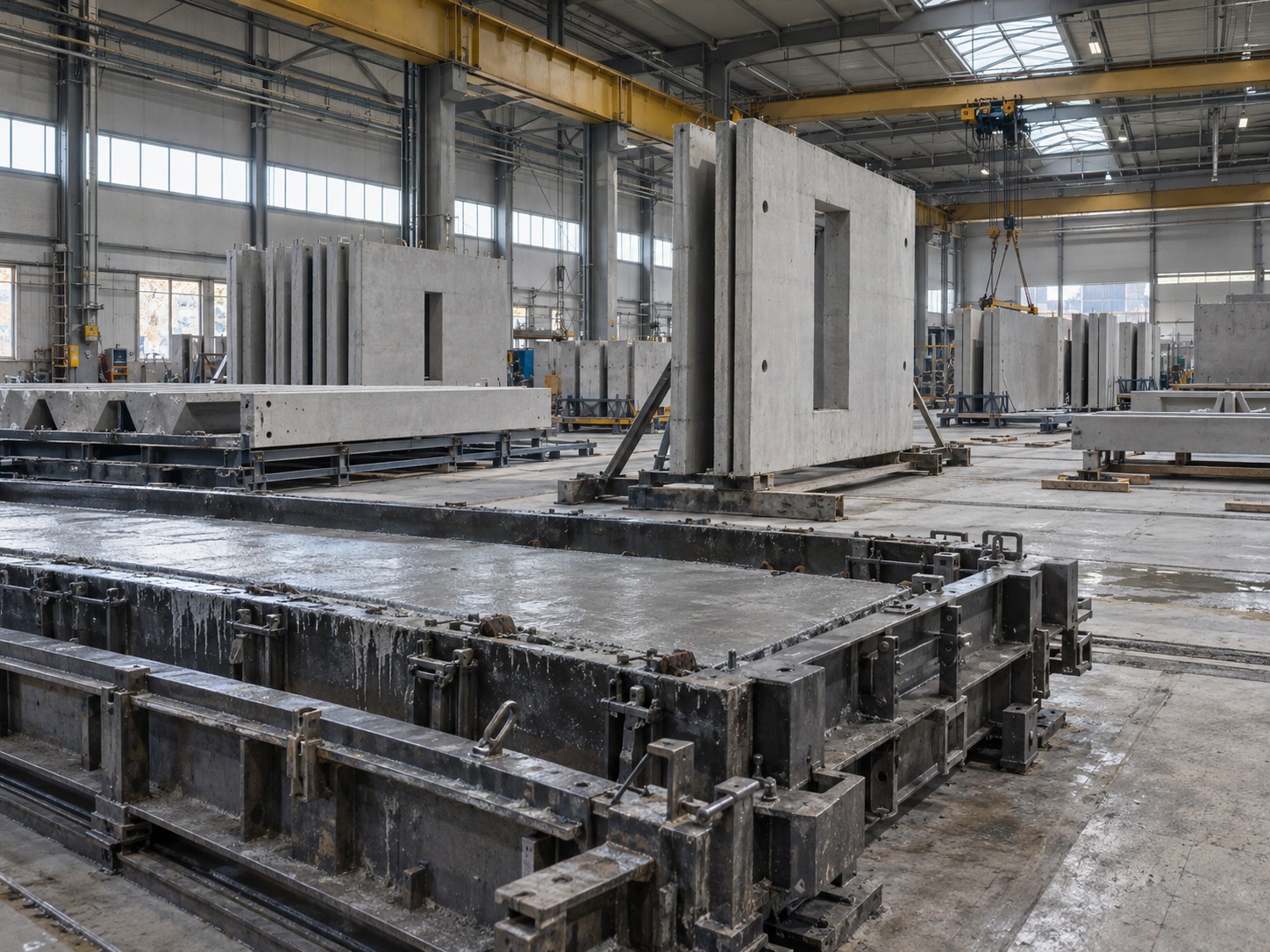
Mold cycle time directly affects production capacity in precast and prefabricated concrete plants.

If concrete develops the required strength too slowly, molds may remain occupied for longer periods.

With the right set-accelerating and early-strength-supporting admixture systems, early-age concrete performance can be managed more efficiently.

This can help optimize demolding time and improve productivity within the same production line.

Why Should Concrete Temperature Be Controlled?

Using chemical admixtures does not mean that concrete temperature can be ignored.

The temperature of mixing water, cement and aggregates directly affects the overall temperature of fresh concrete.

At very low concrete temperatures, hydration can slow down significantly.

For this reason, admixture technology in cold weather should be combined with suitable production temperature, transportation conditions and curing measures.

Freezing Risk and Early-Age Concrete

If newly placed concrete is exposed to freezing before it develops sufficient strength, serious performance loss can occur.

Freezing of free water within the concrete can create internal stresses and negatively affect strength development.

Protecting concrete during the early stages is therefore critical in low-temperature conditions.

Set-accelerating admixtures can support the process, but they cannot replace proper curing and temperature protection on their own.

Why Is Correct Dosage Important?

The performance of set-accelerating admixtures can vary depending on dosage, cement type, concrete temperature and other admixtures used in the mix.

Insufficient dosage may not provide the desired acceleration, while excessive dosage can negatively affect workability or setting behavior.

For this reason, dosage should be determined through laboratory trials and according to actual production conditions.

Cement and Admixture Compatibility

Different cements may not react in the same way with the same set-accelerating admixture.

Cement mineralogy, fineness and chemical characteristics can directly affect admixture performance.

For this reason, laboratory testing should be repeated when changing the cement source or introducing a new admixture.

Proper cement-admixture compatibility helps achieve more consistent setting behavior and early strength development.

Are Admixtures the Only Solution for Cold Weather Concreting?

No. Chemical admixtures are an important tool, but successful cold weather concrete applications require several factors to be managed together.

Concrete temperature must be maintained, formwork and exposed surfaces should be protected, curing should be applied correctly, transportation time should be controlled and the concrete mix design should be adjusted according to environmental conditions.

Admixture technology is an important part of this system, but it should not be evaluated independently from the rest of the application process.

EMA Kimya Set-Accelerating Concrete Admixture Solutions

EMA Kimya develops professional concrete admixture technologies for ready-mixed concrete plants, precast and prefabricated manufacturers, cold weather concrete applications and projects requiring fast production cycles.

Admixture systems can be developed according to cement type, aggregate properties, concrete temperature, required setting time and early strength targets.

EMA Kimya's technical approach focuses not only on accelerating concrete setting, but also on controlling the production process, early strength development and final concrete performance together.

In cold weather conditions, the right mix design, the right admixture system and the right curing method work together to achieve more reliable and controlled concrete performance.

Related News

What Is an Air-Entraining Concrete Admixture? How Can Freeze-Thaw Resistance and Long-Term Concrete Durability Be Improved?

Publication Date: 23 Eylül 2026

What Causes Segregation and Bleeding in Concrete? How Can Homogeneous Concrete Be Achieved?

Publication Date: 23 Eylül 2026

How Can Hydration Heat Be Controlled in Mass Concrete? The Right Admixture Technology for Dams and Large Concrete Pours

Publication Date: 23 Eylül 2026

What Are Concrete Strength-Enhancing Admixtures? How Can Concrete Compressive Strength Be Increased?

Publication Date: 23 Eylül 2026

How to Improve Quality in Ready-Mixed Concrete Production

Publication Date: 23 Eylül 2026

The Importance of Set-Accelerating Admixtures in Cold Weather Concrete Applications

Publication Date: 23 Eylül 2026

Why Does Concrete Lose Slump? How Can Workability Be Maintained in Ready-Mixed Concrete?

Publication Date: 23 Eylül 2026

Why Do Segregation and Bleeding Occur in Concrete? The Right Admixture Technology for Homogeneous Concrete

Publication Date: 23 Eylül 2026

The Importance of Set-Retarding Concrete Admixtures in Hot Weather and Long Transportation Times

Publication Date: 23 Eylül 2026

How Can Concrete Workability Be Improved?

Publication Date: 23 Eylül 2026

The Right Admixture Technology for Early Strength and Faster Demolding in Precast Concrete Production

Publication Date: 23 Eylül 2026

What Do Cement Grinding Aids Do? How Can Cement Performance and Production Efficiency Be Improved?

Publication Date: 23 Eylül 2026

What Are Cement Grinding Aids? How Can Grinding Efficiency, Energy Savings and Cement Performance Be Improved in Cement Plants?

Publication Date: 23 Eylül 2026

What Is the Difference Between Superplasticizers and High-Range Water-Reducing Concrete Admixtures?

Publication Date: 23 Eylül 2026

Why Do Honeycombing and Voids Occur in Concrete? The Right Application and Admixture Technology for More Homogeneous Concrete

Publication Date: 23 Eylül 2026

Web Design & Software | COUR Media