English
×
All rights reserved. All content and images used on this website
belong to EMA Kimya and may not be used without permission.
cour
 EMA Kimya | Concrete Admixtures, Cement Additives, Construction Chemicals, Superplasticizers, High-Range Water Reducers, Concrete Performance Solutions, Ready-Mix and Precast Concrete Technologies, Infrastructure, Industrial Projects, Technical Support, Production and Cost Consulting  EMA Kimya | Concrete Admixtures, Cement Additives, Construction Chemicals, Superplasticizers, High-Range Water Reducers, Concrete Performance Solutions, Ready-Mix and Precast Concrete Technologies, Infrastructure, Industrial Projects, Technical Support, Production and Cost Consulting
EMA Kimya | Concrete Admixtures, Cement Additives, Construction Chemicals, Superplasticizers, High-Range Water Reducers, Concrete Performance Solutions, Ready-Mix and Precast Concrete Technologies, Infrastructure, Industrial Projects, Technical Support, Production and Cost Consulting

"Strength in Every Mix,
Quality in Every Drop"

×

Quality, reliability, and a commitment to sustainable production.

We provide professional solutions in concrete admixtures and construction chemicals.

Menu

Quality, reliability, and a commitment to sustainable production.

We provide professional solutions in concrete admixtures and construction chemicals.

25 September 2026

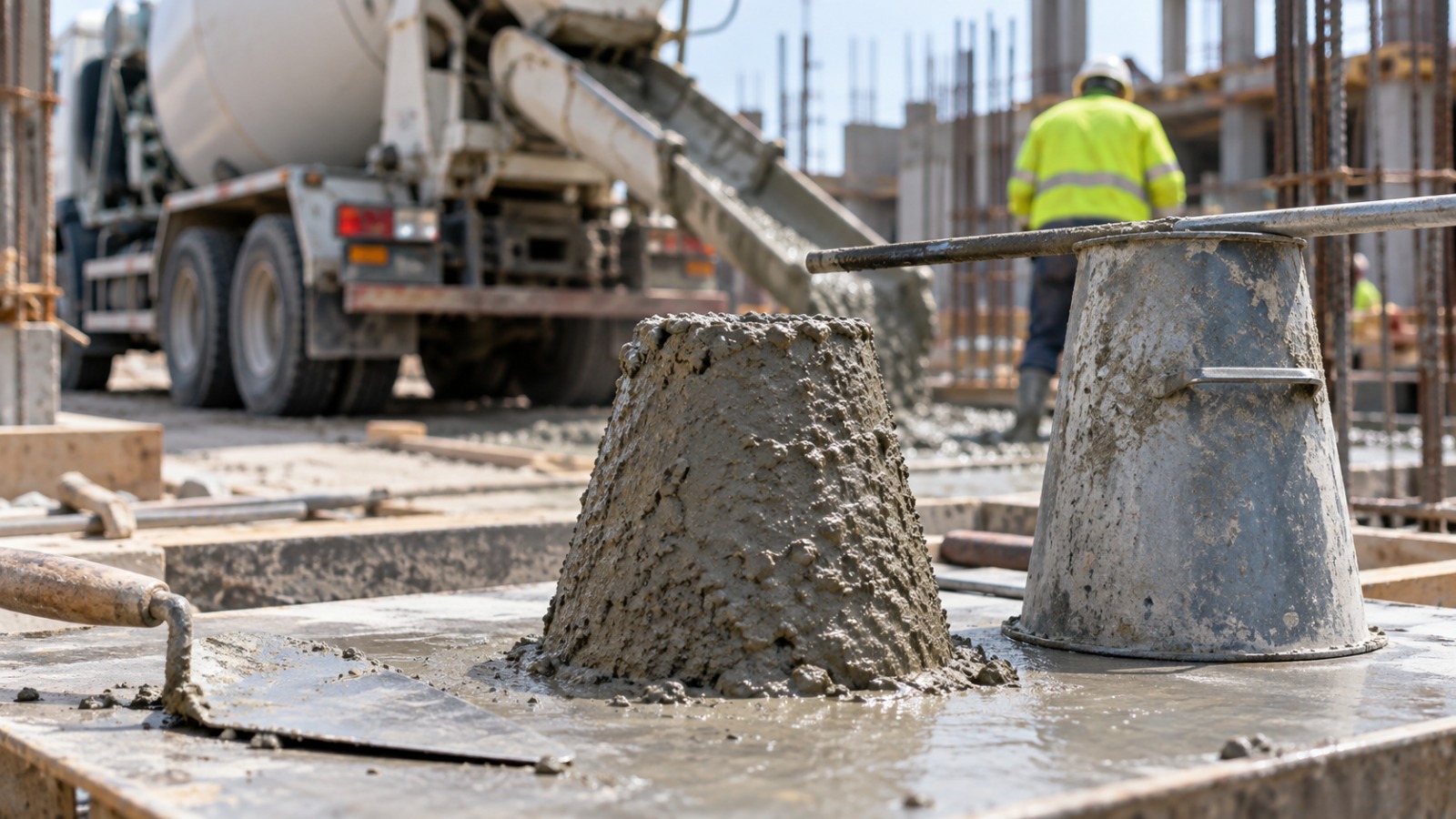
In ready-mixed concrete production, not only the consistency of concrete at the batching plant but also its workability when it reaches the construction site is extremely important. Rapid slump loss between production and placement can make pumping, placing and finishing operations more difficult.

Long transportation distances, hot weather conditions, cement characteristics and unsuitable concrete mix designs can accelerate slump loss in concrete.

The right concrete mix design and suitable slump-retaining concrete admixtures can help preserve workability in a more controlled way over the required period.

What Is Slump Loss in Concrete?

Slump loss can be defined as the gradual reduction in the initial consistency and workability of fresh concrete over time.

Concrete may leave the batching plant at the required slump value, but cement hydration continues during transportation and waiting periods.

As this process progresses, concrete can become stiffer and lose the mobility required for placement.

The rate of slump loss can vary depending on cement type, concrete temperature, water/cement ratio, admixture system and environmental conditions.

Why Does Concrete Lose Slump Quickly?

There is no single reason for rapid slump loss.

High concrete temperature, hot weather, long transportation time, cement characteristics, insufficient admixture dosage and fine material content can all affect workability retention.

Some cements may interact more rapidly with chemical admixtures, causing concrete to lose consistency in a shorter period.

For this reason, slump-retention problems should not be solved only by increasing admixture dosage. The complete concrete mix design should be evaluated.

How Does Hot Weather Affect Slump Loss?

As temperature increases, cement hydration reactions may accelerate.

This can cause concrete to lose workability more quickly.

During summer, high aggregate temperature, warm mixing water and ambient conditions can increase the overall temperature of fresh concrete.

Especially in projects with long transportation times, hot concrete may experience significant slump loss between the batching plant and the construction site.

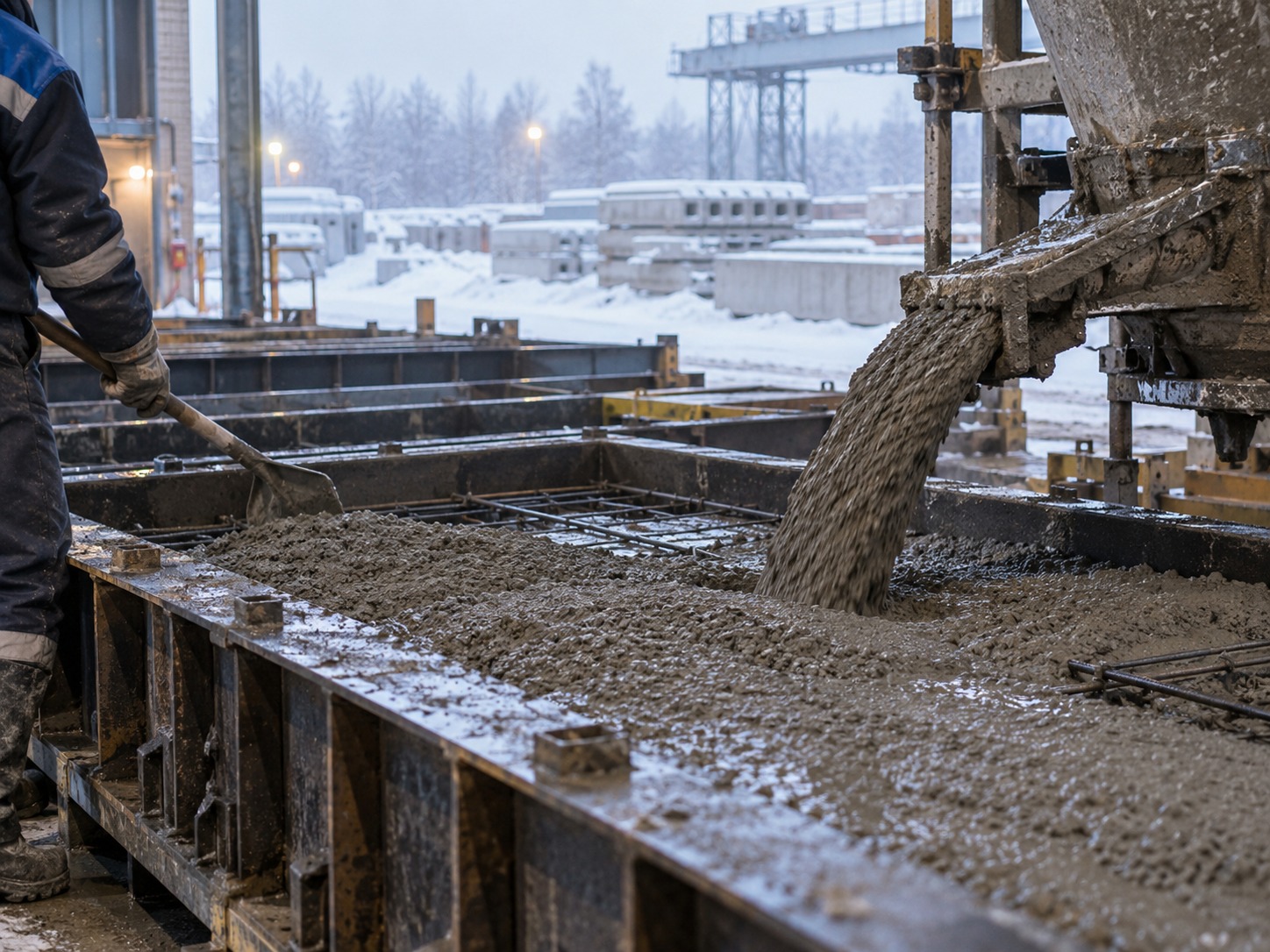
For this reason, the admixture system and concrete temperature should be evaluated together in hot-weather concreting.

How Does Long Transportation Time Affect Concrete Performance?

The distance between the ready-mix plant and the construction site varies from project to project.

Traffic, urban transportation conditions, waiting times on site and preparation of the concrete pump can all extend the total application time.

Because cement hydration continues during this period, concrete workability gradually decreases.

For long-distance applications, not only the initial slump but also the 30-, 60-, 90-minute or longer slump-retention performance required by the project should be evaluated.

What Do Slump-Retaining Concrete Admixtures Do?

Concrete admixtures with slump-retention properties are designed to help fresh concrete maintain its initial workability for a more controlled period.

These admixtures can work together with high-range water-reducing systems to support the required workability at a lower water/cement ratio.

However, the objective is not simply to keep concrete fluid for as long as possible.

Concrete should also remain stable, resist segregation, maintain an appropriate setting time and achieve the targeted strength values.

Are Slump Retention and Set Retardation the Same?

No.

Slump retention and set retardation may be related, but they do not describe the same performance characteristic.

Slump retention refers to the ability of concrete to maintain workability for a certain period.

Set retardation refers to delaying the transition of concrete from a plastic state into the hardening stage.

Concrete may maintain workability for a long time while still showing setting behavior suitable for the project requirements.

For this reason, admixture selection should consider time-dependent workability performance as well as setting time.

Is It Correct to Add Water to Concrete on Site?

Adding uncontrolled amounts of water to concrete that has lost slump can cause serious performance problems.

Additional water increases the water/cement ratio and may negatively affect concrete strength and durability.

It may also lead to segregation, bleeding and surface-quality problems.

For this reason, the required workability period should be planned during production with the correct mix design and suitable admixture system whenever possible.

How Do High-Range Water-Reducing Admixtures Affect Slump Retention?

High-range water-reducing admixtures are used to achieve high workability with a lower amount of mixing water.

However, not every superplasticizer provides the same slump-retention performance.

Some products provide strong initial flowability but may offer shorter workability retention.

Other admixture systems can be designed to provide more controlled slump retention for long transportation and placement periods.

For this reason, product selection should be based on the actual transportation and application time of the project.

Why Is Cement-Admixture Compatibility Important?

Cement-admixture compatibility plays a critical role in determining slump-retention performance.

The mineralogical composition, fineness and chemical properties of cement can change the behavior of the admixture in concrete.

The same admixture may provide different initial slump values and different rates of slump loss when used with different cements.

For this reason, laboratory testing is important before introducing a new cement source or admixture system.

Do Aggregates and Fine Materials Affect Slump Loss?

Yes.

Aggregate moisture content, grading, crushed or natural aggregate characteristics and fine material content can change the water and admixture demand of concrete.

Fine materials containing clay can reduce the efficiency of certain chemical admixtures.

This may cause concrete to lose slump more rapidly at the same dosage.

For this reason, regular monitoring of aggregate properties is important for consistent ready-mix production.

Slump Retention in Pumped Concrete

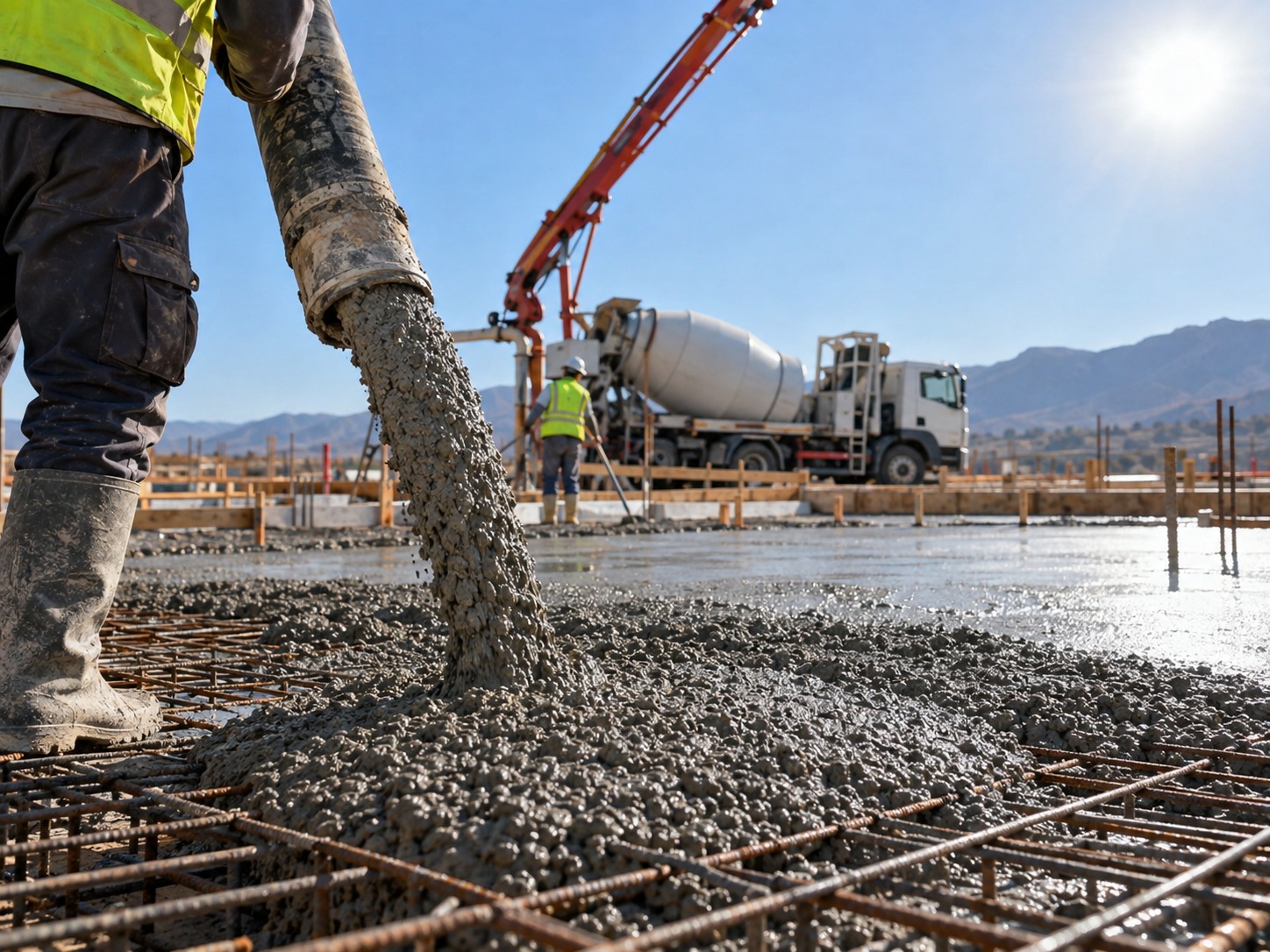
Concrete placement may not begin immediately after the truck reaches the construction site.

Pump setup, site organization or other operational delays may require the concrete to wait for an additional period.

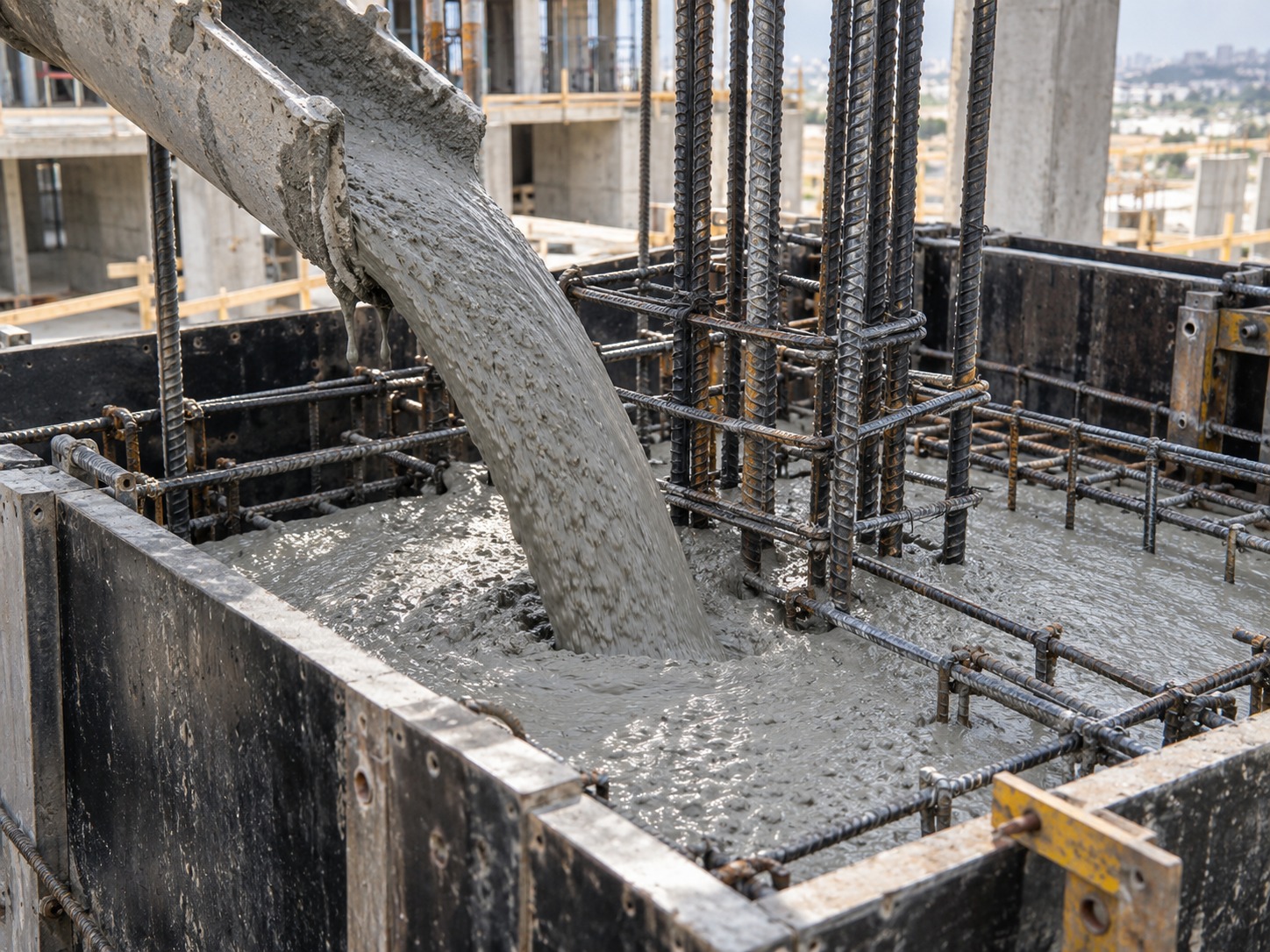
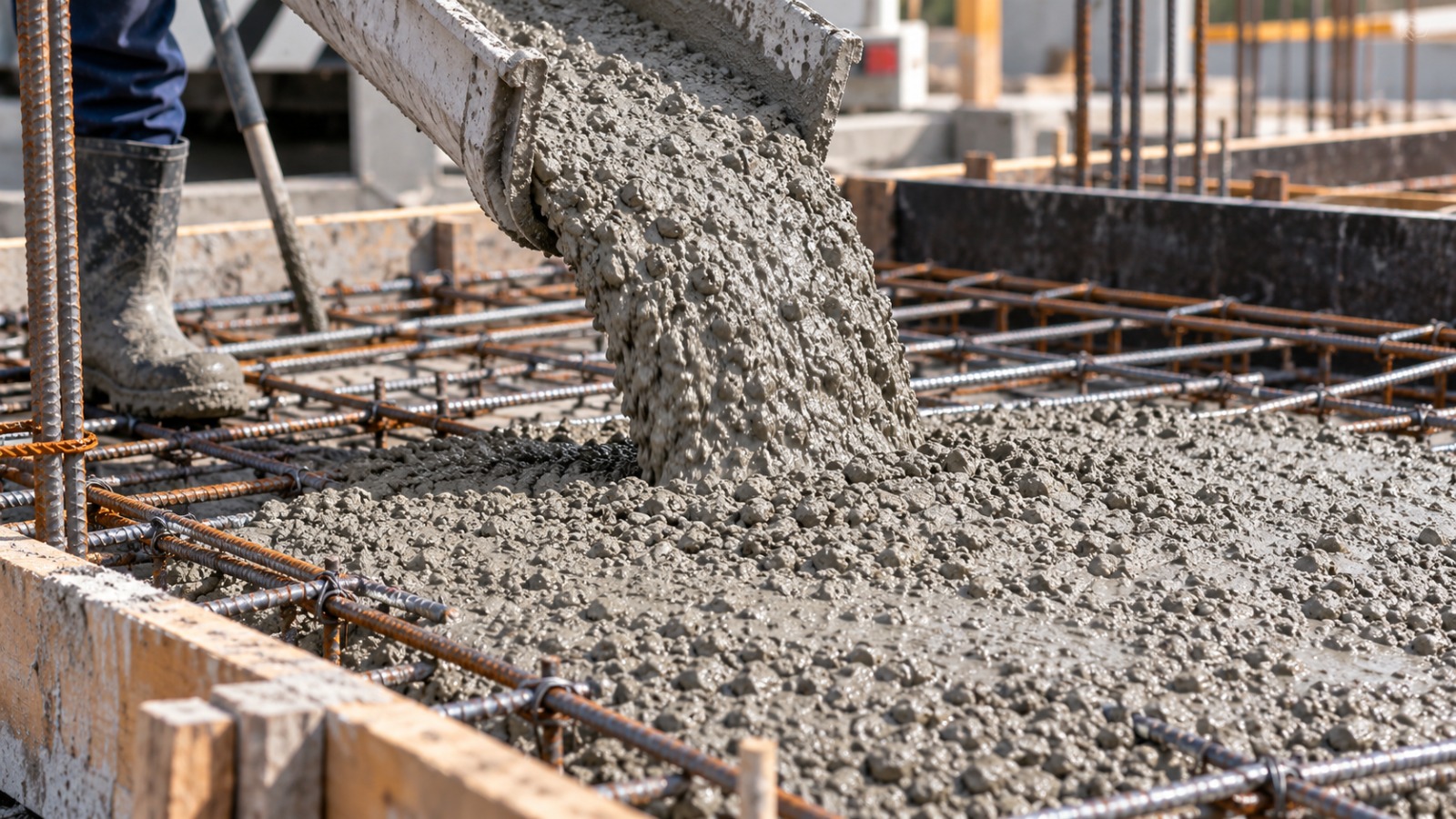
If concrete loses too much slump during this time, pump pressure may increase and placement can become more difficult.

For this reason, the target consistency in pumpable concrete should be achieved not only at the batching plant but also at the actual pumping time.

How Is Slump-Retention Performance Tested?

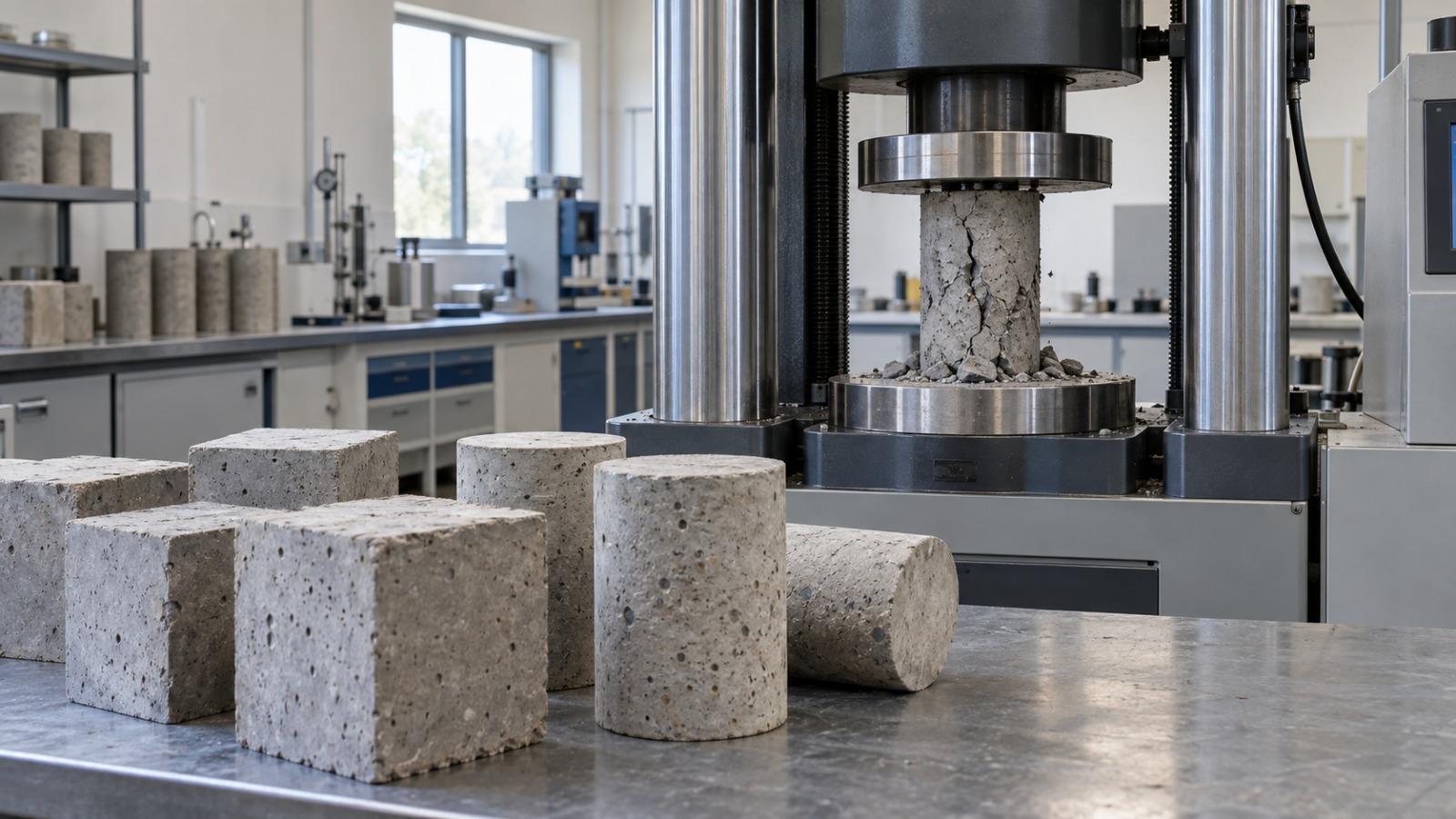
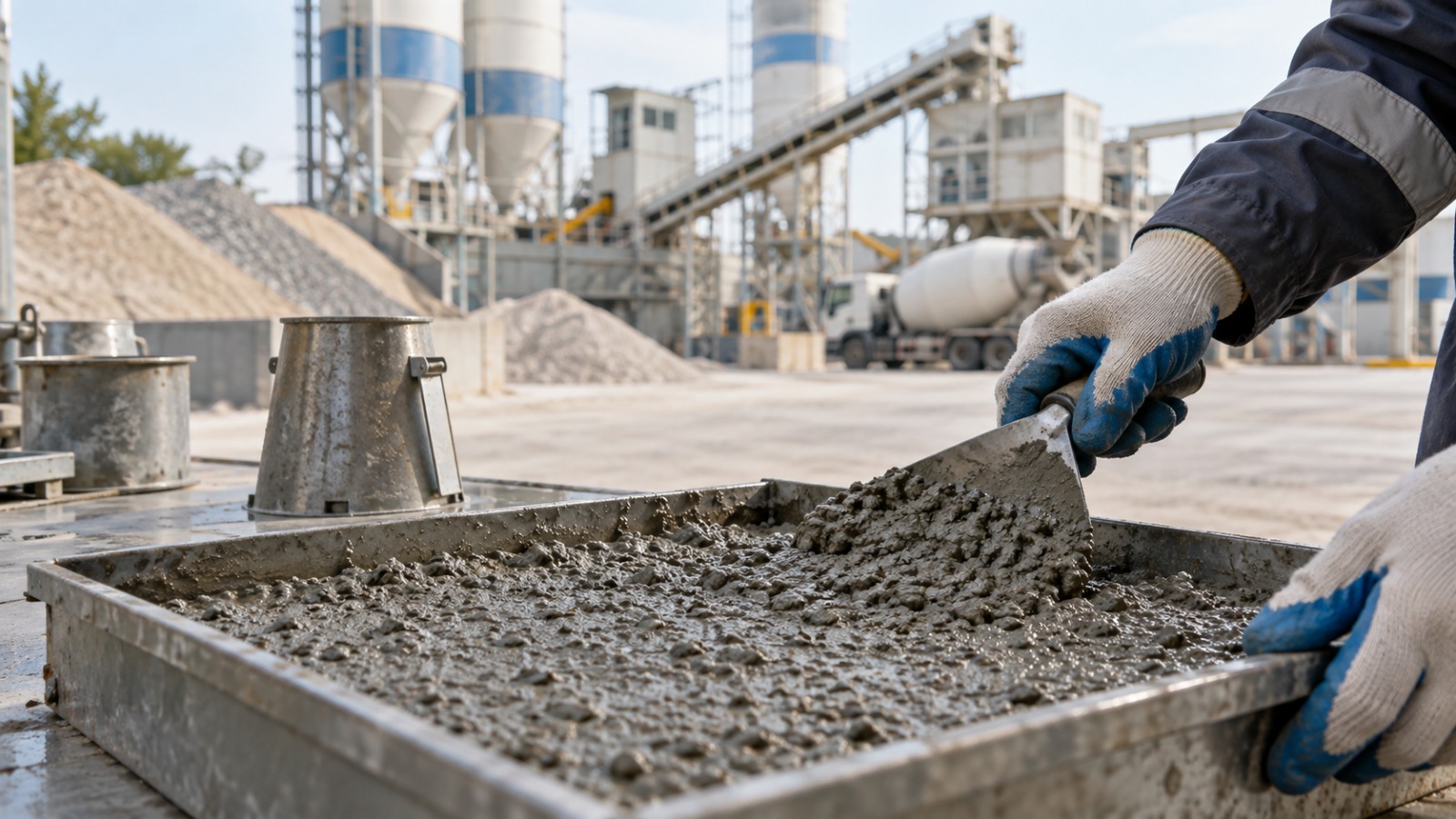
Slump-retention performance can be evaluated through time-dependent concrete tests using the actual raw materials intended for production.

After measuring the initial slump, the test can be repeated at predetermined time intervals.

During this process, concrete temperature, air content, segregation tendency and setting behavior should also be monitored.

The objective is not only to preserve slump but to maintain balanced overall fresh-concrete performance.

Is Admixture Dosage Important for Slump Retention?

Yes. Dosage can directly influence performance just as much as the type of admixture used.

Insufficient dosage may not provide the required workability-retention period.

Excessive dosage may create unwanted effects on setting behavior or mix stability.

For this reason, the optimum dosage should be determined through laboratory trials and production tests at different dosage levels.

EMA Kimya Slump-Retaining Concrete Admixture Solutions

EMA Kimya develops professional concrete admixture technologies for ready-mixed concrete plants, batching plants, long-distance delivery projects, high-rise structures, pumped concrete and large-scale infrastructure applications.

High-range water-reducing and slump-retaining admixture systems can be optimized according to cement type, aggregate properties, concrete temperature, transportation time and required application performance.

EMA Kimya's technical approach focuses not only on providing high initial flowability, but also on helping concrete maintain controlled workability from production through transportation and final placement.

A successful ready-mix concrete admixture system should provide the required performance not only at the batching plant, but also at the actual moment of placement.

Related News

What Do Cement Grinding Aids Do? How Can Cement Performance and Production Efficiency Be Improved?

Publication Date: 25 Eylül 2026

High Flowability and Controlled Concrete Performance with Self-Compacting Concrete Admixtures

Publication Date: 25 Eylül 2026

What Are Concrete Strength-Enhancing Admixtures? How Can Concrete Compressive Strength Be Increased?

Publication Date: 25 Eylül 2026

What Are Auxiliary Concrete Admixtures? How Can Stability and Performance Be Controlled in Ready-Mixed Concrete?

Publication Date: 25 Eylül 2026

What Is a Set-Accelerating Concrete Admixture? How Can Setting Time and Early Strength Be Controlled in Cold Weather?

Publication Date: 25 Eylül 2026

What Causes Segregation and Bleeding in Concrete? How Can Homogeneous Concrete Be Achieved?

Publication Date: 25 Eylül 2026

What Is a Set-Retarding Concrete Admixture? How Can Concrete Setting Time Be Controlled in Hot Weather?

Publication Date: 25 Eylül 2026

Why Do Honeycombing and Voids Occur in Concrete? The Right Application and Admixture Technology for More Homogeneous Concrete

Publication Date: 25 Eylül 2026

How Much Concrete Admixture Should Be Used? How Does the Correct Dosage Affect Concrete Performance?

Publication Date: 25 Eylül 2026

What Are Cement Grinding Aids? How Can Grinding Efficiency, Energy Savings and Cement Performance Be Improved in Cement Plants?

Publication Date: 25 Eylül 2026

Why Do Segregation and Bleeding Occur in Concrete? The Right Admixture Technology for Homogeneous Concrete

Publication Date: 25 Eylül 2026

The Importance of the Right Admixture Technology for Shrinkage and Crack Control in Concrete

Publication Date: 25 Eylül 2026

Higher and More Consistent Concrete Performance with Strength-Enhancing Admixtures

Publication Date: 25 Eylül 2026

Why Are Cement Additives Used?

Publication Date: 25 Eylül 2026

What Is the Difference Between Superplasticizers and High-Range Water-Reducing Concrete Admixtures?

Publication Date: 25 Eylül 2026

Web Design & Software | COUR Media