English
×
All rights reserved. All content and images used on this website
belong to EMA Kimya and may not be used without permission.
cour
 EMA Kimya | Concrete Admixtures, Cement Additives, Construction Chemicals, Superplasticizers, High-Range Water Reducers, Concrete Performance Solutions, Ready-Mix and Precast Concrete Technologies, Infrastructure, Industrial Projects, Technical Support, Production and Cost Consulting  EMA Kimya | Concrete Admixtures, Cement Additives, Construction Chemicals, Superplasticizers, High-Range Water Reducers, Concrete Performance Solutions, Ready-Mix and Precast Concrete Technologies, Infrastructure, Industrial Projects, Technical Support, Production and Cost Consulting
EMA Kimya | Concrete Admixtures, Cement Additives, Construction Chemicals, Superplasticizers, High-Range Water Reducers, Concrete Performance Solutions, Ready-Mix and Precast Concrete Technologies, Infrastructure, Industrial Projects, Technical Support, Production and Cost Consulting

"Strength in Every Mix,
Quality in Every Drop"

×

Quality, reliability, and a commitment to sustainable production.

We provide professional solutions in concrete admixtures and construction chemicals.

Menu

Quality, reliability, and a commitment to sustainable production.

We provide professional solutions in concrete admixtures and construction chemicals.

08 October 2026

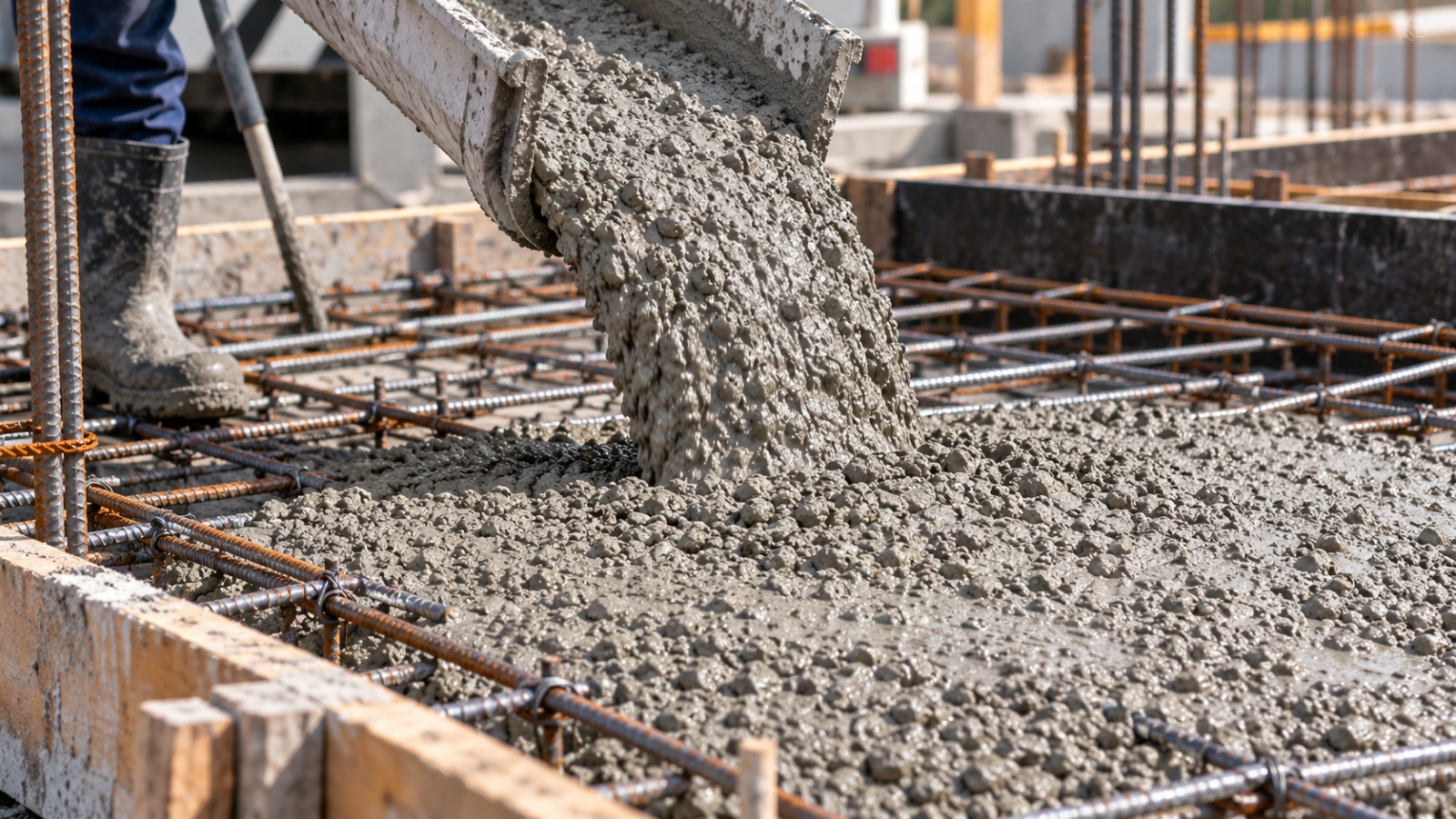
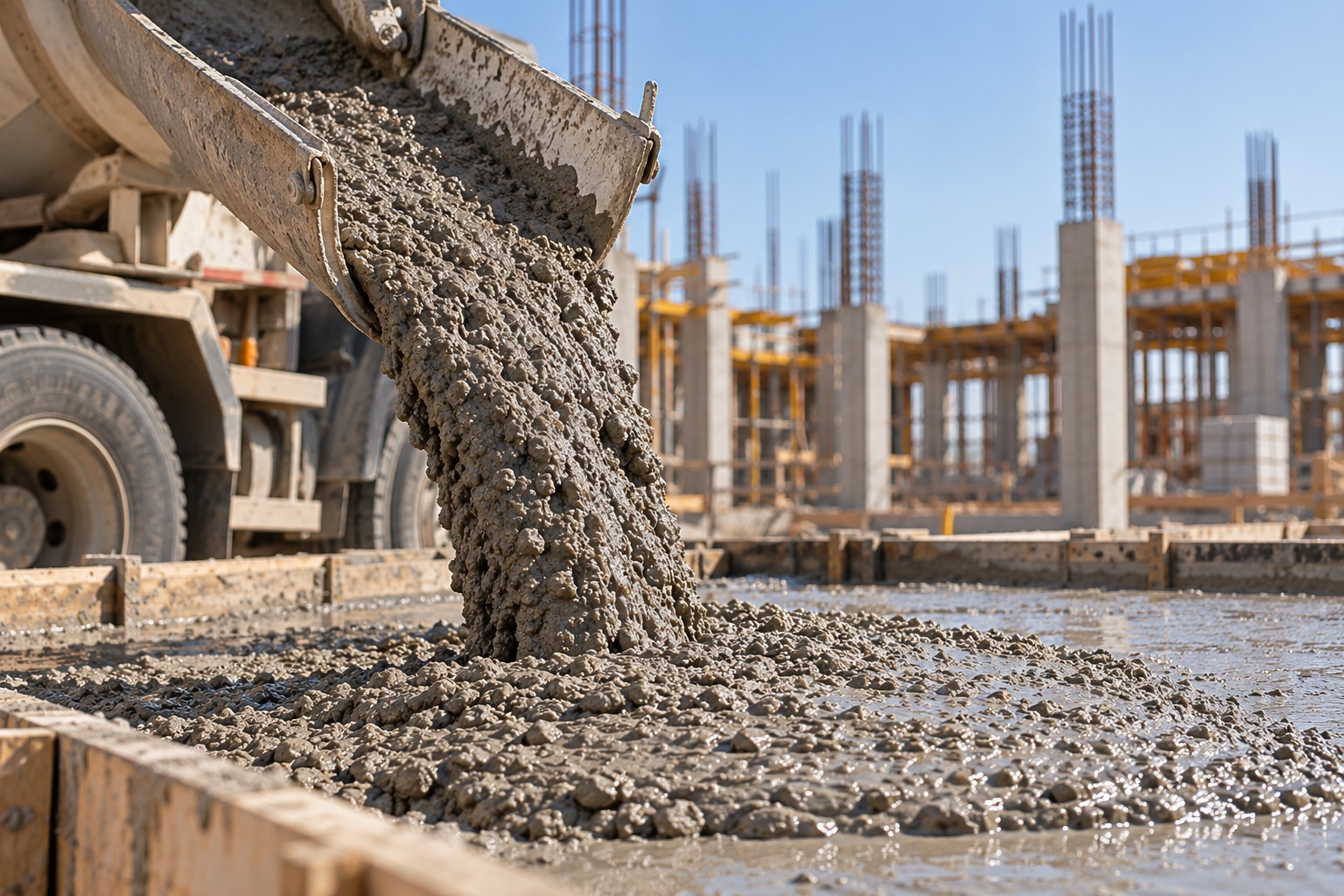
In ready-mixed concrete production, high flowability alone does not guarantee high-quality concrete. Cement paste, fine materials, water and aggregates must maintain a homogeneous structure throughout production, transportation and placement.

The separation of concrete components is known as segregation, while the upward movement of water toward the surface of fresh concrete is referred to as bleeding.

These problems can negatively affect concrete surface quality, pumpability, placement performance and the homogeneity of hardened concrete.

Proper aggregate grading, a controlled water/cement ratio and a suitable concrete admixture system can help improve mixture stability while maintaining the required flowability.

What Is Segregation in Concrete?

Segregation is the separation of the different components of fresh concrete.

In common cases, coarse aggregate particles accumulate in one part of the mixture, while cement paste and fine materials concentrate in another.

As a result, the same composition and performance cannot be achieved throughout the concrete.

The risk of segregation may increase particularly in highly flowable concrete when sufficient mixture stability is not maintained.

What Is Bleeding in Concrete?

Bleeding is the upward movement of water within fresh concrete toward the surface.

As solid particles settle, some of the mixing water rises and may form a thin layer on the concrete surface.

A certain amount of bleeding can be part of the natural behavior of conventional concrete.

However, excessive bleeding can negatively affect surface quality and concrete homogeneity.

Are Segregation and Bleeding the Same Problem?

No.

Segregation involves the separation of solid components within the concrete mixture.

Bleeding primarily refers to the upward movement of mixing water.

However, both problems can occur in the same concrete mix.

For example, concrete containing excessive water and insufficient fine materials may be prone to both segregation and excessive bleeding.

For this reason, identifying the actual cause of the problem is essential.

What Causes Segregation in Concrete?

There is no single cause of concrete segregation.

Excessive water content, unsuitable aggregate grading, insufficient fine materials, excessively high flowability, uncontrolled concrete placement from excessive heights and improper vibration can all increase segregation risk.

Using a chemical admixture at an unsuitable dosage may also disturb mixture stability.

Therefore, concrete stability depends on the entire mix design rather than the admixture alone.

How Does Excess Water Affect Concrete Stability?

Adding uncontrolled amounts of water to concrete can reduce the viscosity of the cement paste.

When the mixture loses its ability to keep aggregate particles uniformly suspended, coarse aggregates may separate more easily.

Excess water may also increase bleeding.

For this reason, the required workability should be achieved through suitable water-reducing and high-range water-reducing concrete admixtures, rather than uncontrolled additional water.

Why Is Aggregate Grading Important?

A balanced distribution of aggregate particles of different sizes plays a critical role in concrete mixture stability.

Poor particle-size distribution can create more voids within the aggregate structure.

Sufficient cement paste and fine materials are required to fill these voids.

Balanced aggregate grading helps improve particle packing and supports more homogeneous concrete behavior.

Does Fine Material Content Affect Segregation?

Yes.

Fine materials contribute to the cohesion of the concrete mixture.

Insufficient fine material content can make it easier for coarse aggregates to separate from the cement paste, particularly in highly flowable concrete.

However, excessive fine material content can increase water and chemical admixture demand.

Therefore, the objective is not to maximize fine materials, but to achieve an optimum fine material balance suitable for the concrete mix.

Does High Flowability Mean Segregation?

No.

Properly designed concrete can maintain high flowability while remaining stable and homogeneous.

Problems occur when the balance between flowability, viscosity and cohesion is disturbed.

Particularly in concrete containing superplasticizers, mixture stability should be checked when high slump or slump-flow values are achieved.

The purpose of high flowability is to improve concrete placement, not to cause separation between the components.

Can Superplasticizers Cause Segregation?

When the correct product and dosage are used, superplasticizing admixtures are valuable tools for producing high-quality concrete.

However, an unsuitable or excessive dosage may make the mixture excessively fluid.

This can increase segregation risk, especially in concrete with insufficient fine material content.

For this reason, admixture dosage should not be determined only to achieve maximum flowability.

Flowability, mixture stability and slump retention must be evaluated together.

How Do Auxiliary Concrete Admixtures Support Stability?

In certain specialized applications, auxiliary concrete admixtures may be used alongside the primary superplasticizing system.

Viscosity-modifying and stability-enhancing admixture technologies can help maintain a homogeneous mixture, particularly in highly flowable concrete.

However, auxiliary admixtures should not be considered a replacement for proper aggregate grading or controlled water content.

The fundamental balance of the concrete mix must be established first.

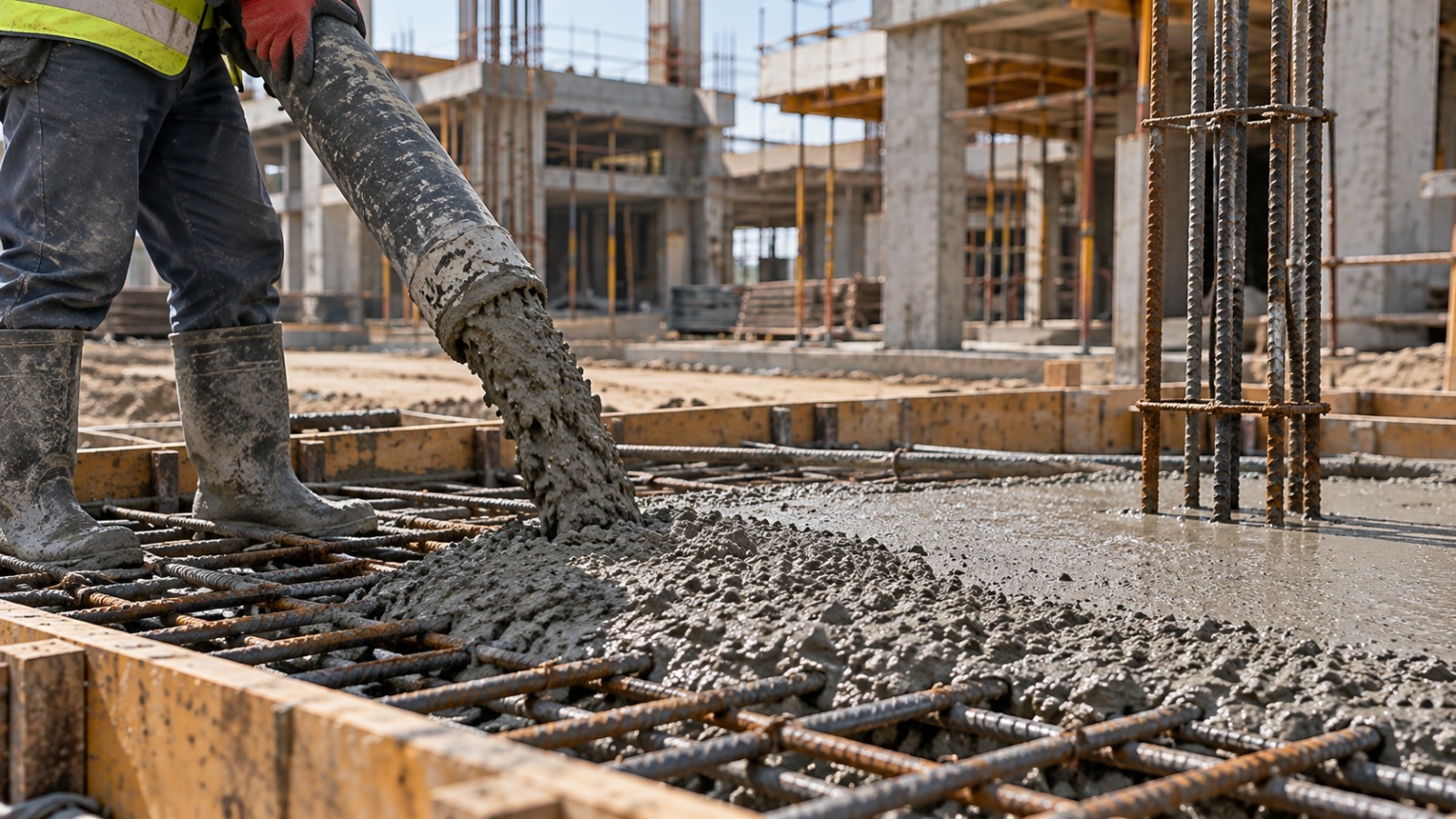
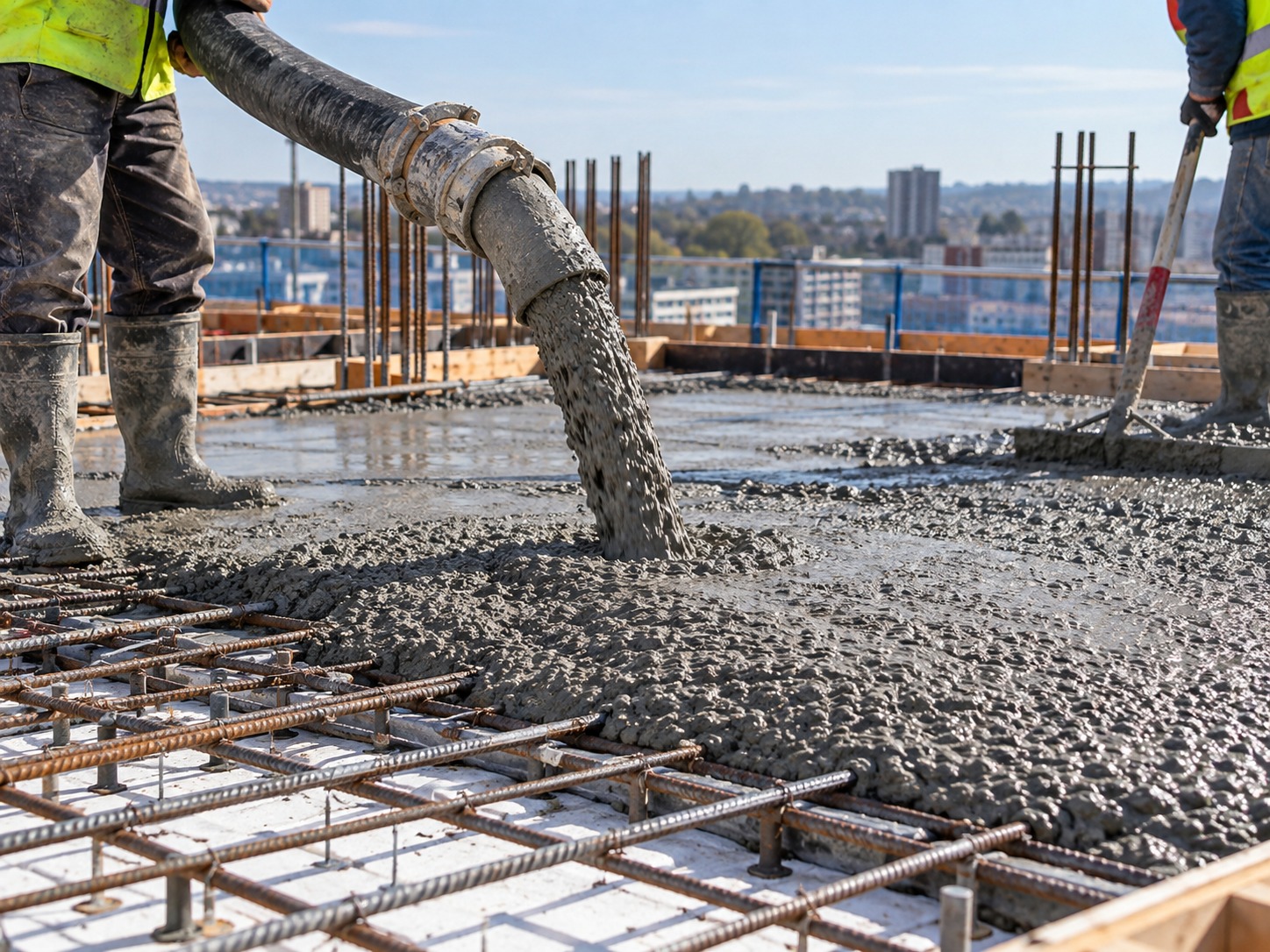
Why Is Segregation Important in Pumped Concrete?

Concrete must move continuously and homogeneously through the pump line.

Separation of coarse aggregates from the cement paste can disturb concrete flow and increase friction or blockage risk in certain sections of the pipeline.

Concrete with insufficient viscosity may also lose stability during pumping.

For this reason, aggregate grading, fine material content, water/cement ratio and the chemical admixture system should be optimized together in pumped concrete applications.

Segregation Control in Self-Compacting Concrete

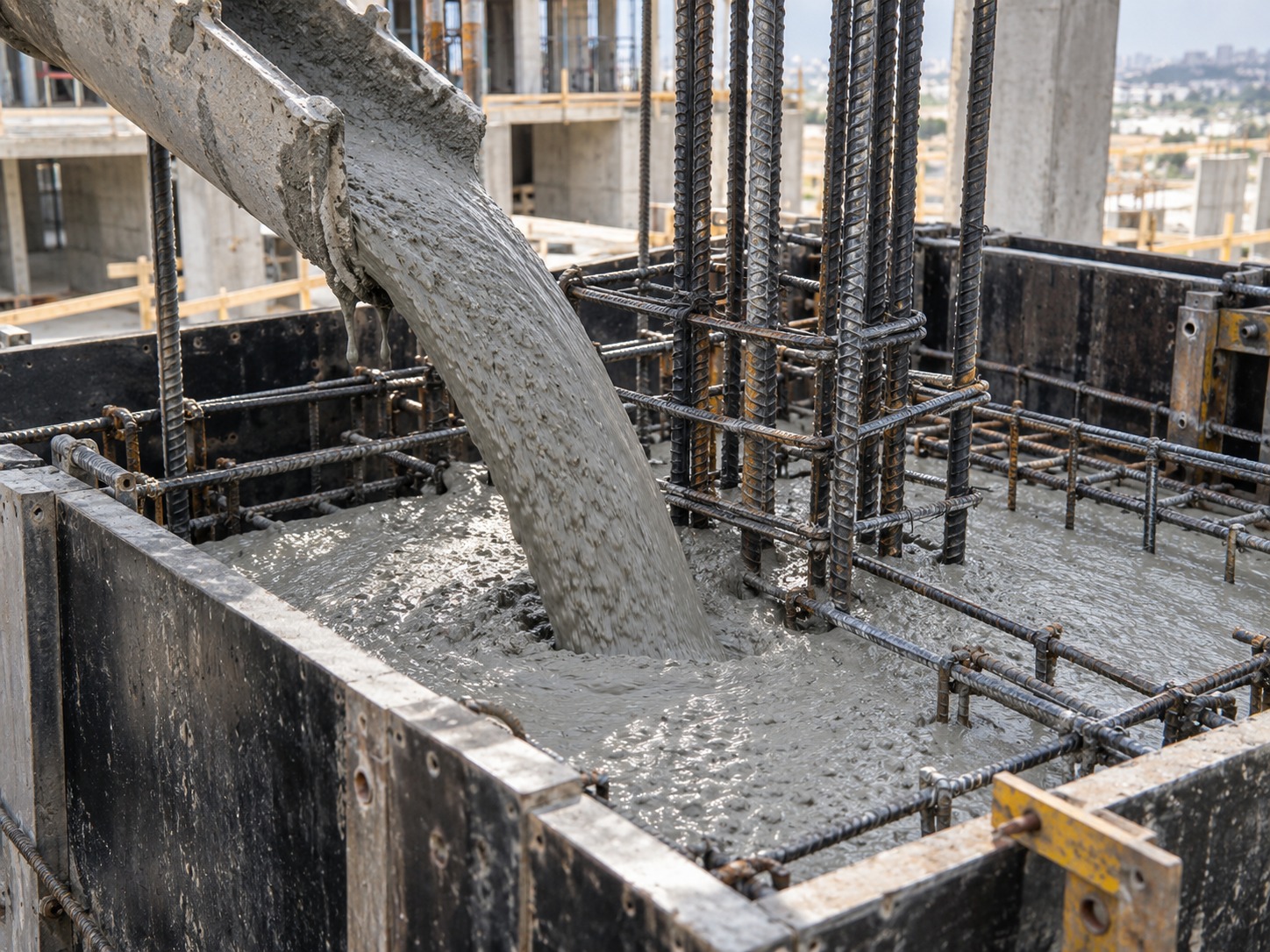
Self-compacting concrete is a specialized concrete system that must provide both high flowability and strong segregation resistance.

Concrete must fill the formwork under its own weight and pass through dense reinforcement.

However, coarse aggregates must remain uniformly distributed within the cement paste throughout this movement.

For this reason, proper balancing of superplasticizers and, where necessary, viscosity-modifying auxiliary admixtures is important in SCC applications.

Does Segregation Affect Surface Quality in Precast Concrete?

Yes.

In precast and prefabricated concrete production, the mold surface often determines the final visible appearance of the product.

Segregation may cause differences in color and texture, surface voids and an uneven appearance.

Different aggregate concentrations may also occur in separate sections of the concrete element.

For this reason, mixture cohesion is just as important as high workability in precast concrete production.

Can Placing Concrete from Excessive Height Cause Segregation?

Uncontrolled concrete placement from an unsuitable height may cause the components of the mixture to move differently.

Coarse aggregates may separate from the cement paste and accumulate in particular areas.

Therefore, the placement method should be selected according to the geometry of the structural element and actual site conditions.

Even a properly designed concrete mix can lose stability when incorrect placement methods are used.

Can Excessive Vibration Cause Concrete Segregation?

Yes.

Vibration is used to remove trapped air and help concrete consolidate properly within the formwork.

However, excessive or improper vibration can cause coarse aggregates to separate, particularly in highly flowable mixtures.

For this reason, vibration duration and technique should be selected according to concrete consistency and the equipment used.

How Does Bleeding Affect Concrete Surfaces?

Excessive bleeding can cause water to accumulate on the concrete surface.

Beginning finishing operations before the bleed water has disappeared can negatively affect the structure and quality of the surface layer.

Localized water pockets may also form beneath coarse aggregate particles or reinforcement.

Therefore, controlling bleeding behavior is important for surface performance, especially in large slabs and industrial concrete floors.

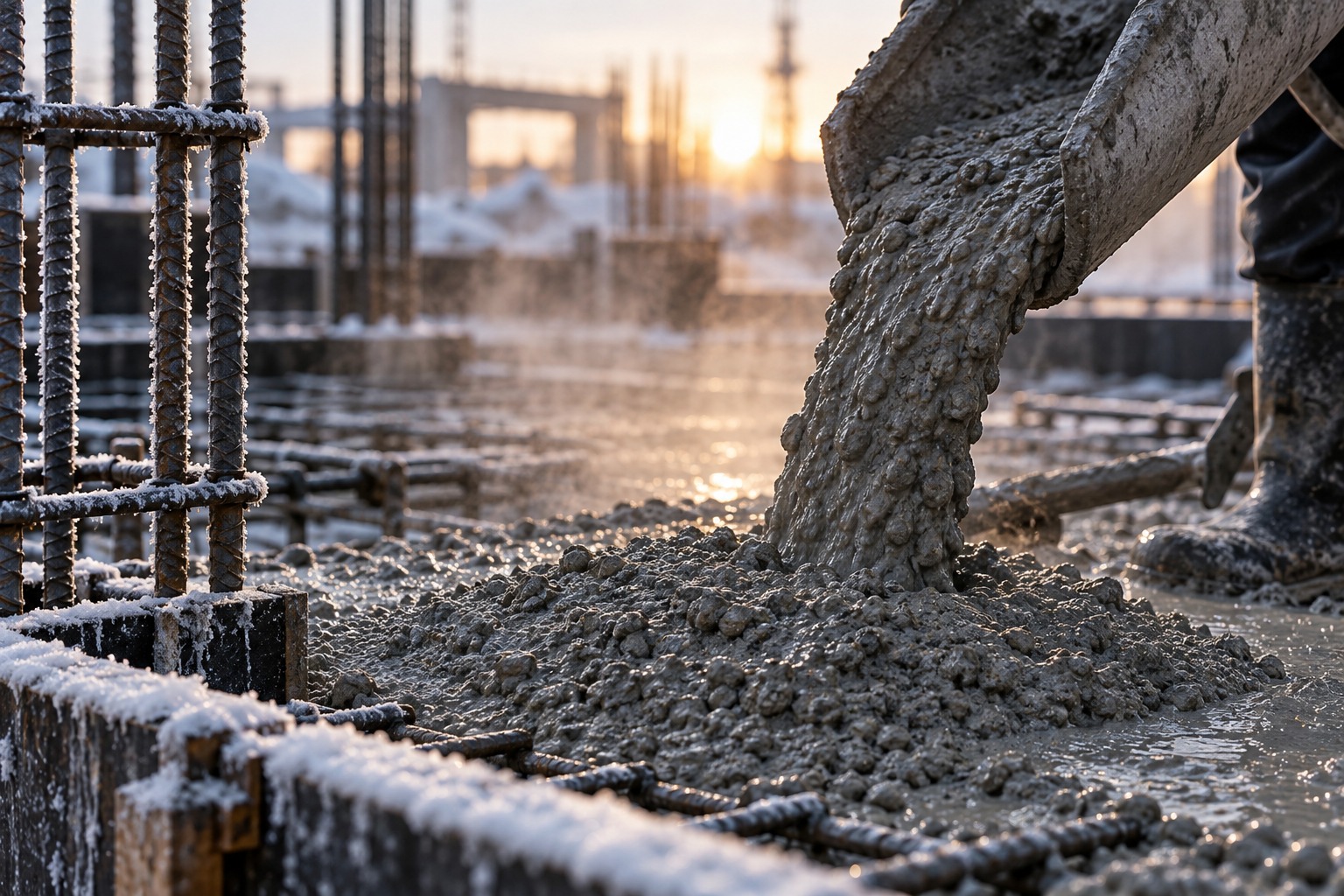
Does Hot Weather Affect Segregation and Bleeding?

High temperatures influence moisture loss, consistency and cement hydration.

Rapid slump loss may lead to uncontrolled water addition on site, increasing the risk of segregation.

For this reason, concrete workability should be planned during production rather than corrected through excessive water addition.

Slump-retaining and high-range water-reducing admixture systems should be optimized according to actual transportation and placement conditions.

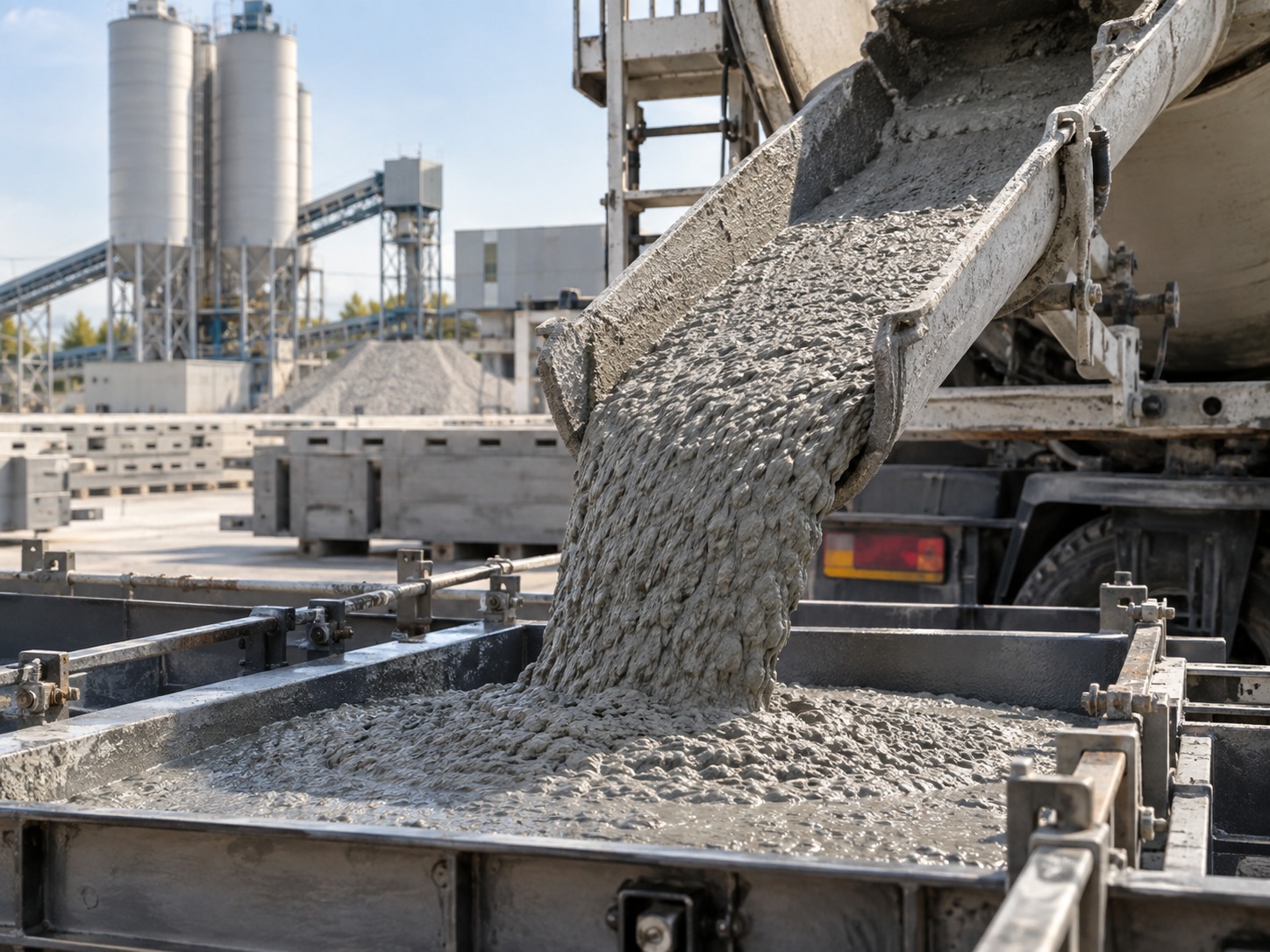
Does Long Transportation Time Affect Concrete Stability?

Concrete inside a transit mixer continues to undergo hydration and mechanical mixing during transportation.

Over time, consistency may change, and concrete behavior upon arrival at the construction site may differ from its behavior at the batching plant.

For this reason, initial slump alone is not sufficient for evaluating long-distance ready-mixed concrete applications.

Mixture stability should also be assessed after 30, 60 and 90 minutes, or over longer periods when required.

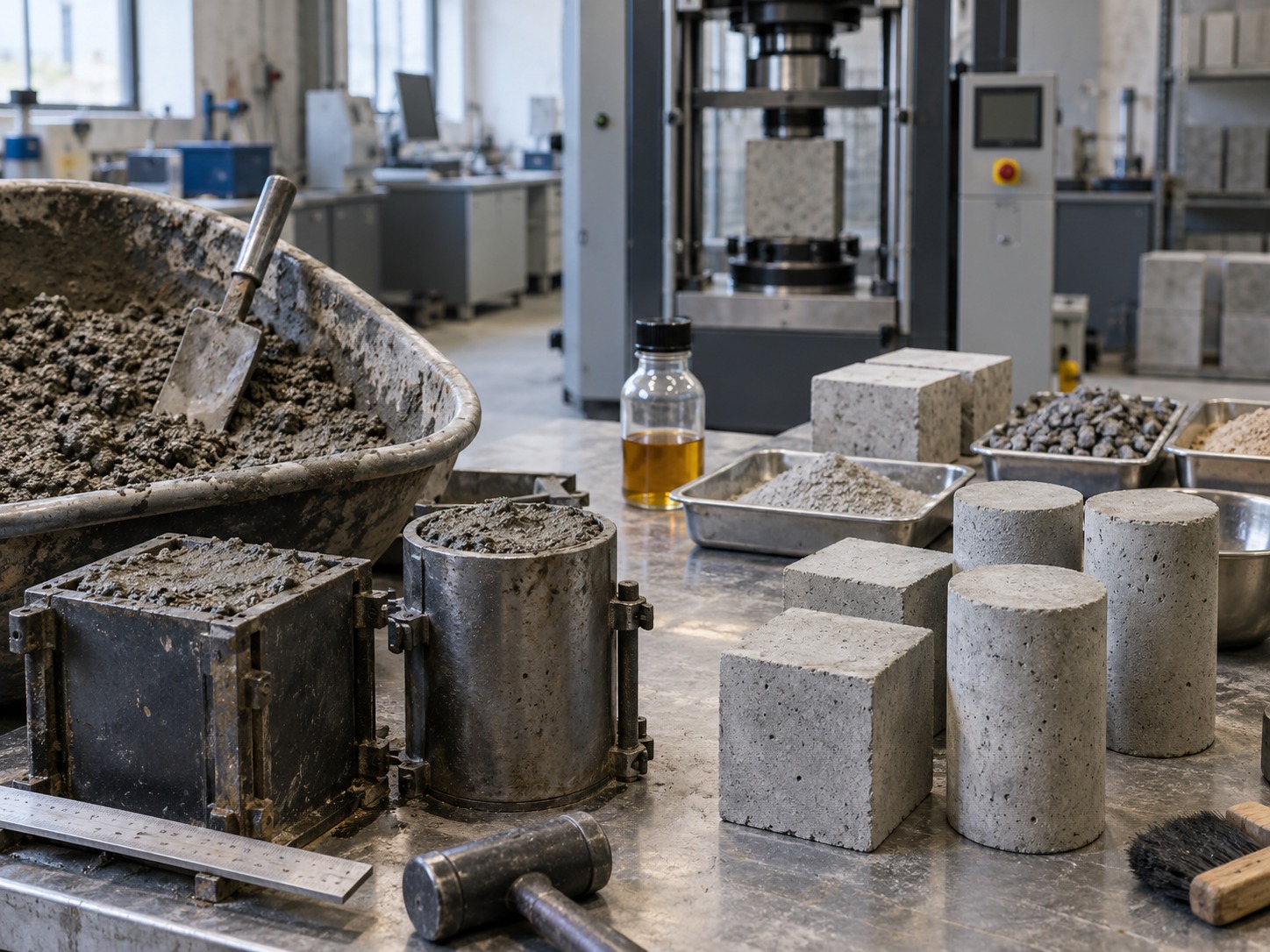
How Can Segregation Be Evaluated in the Laboratory?

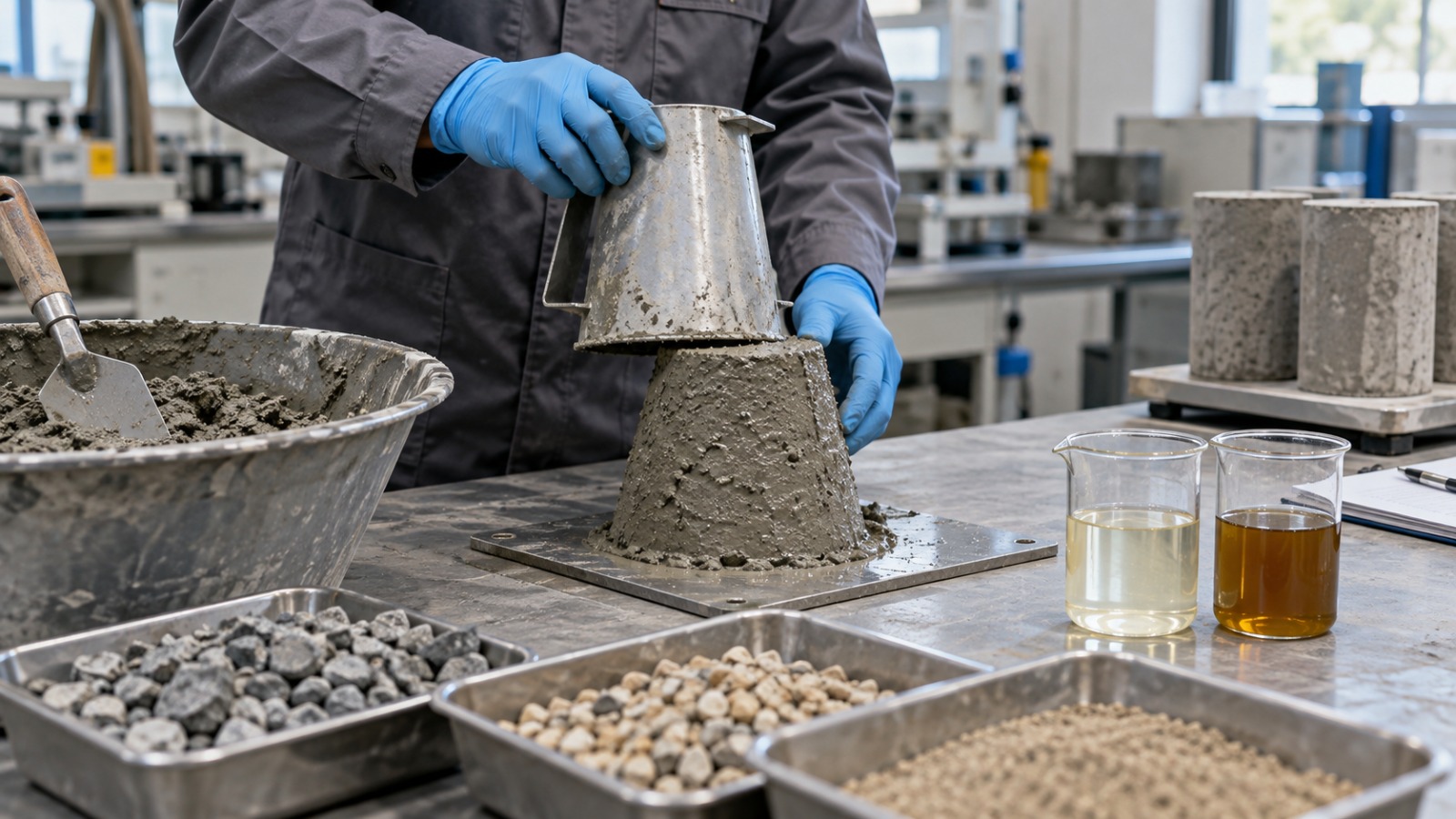
Concrete stability can be evaluated through different fresh concrete tests and visual observations.

Initial slump or slump-flow measurements alone are not sufficient.

It is important to observe whether coarse aggregates separate during flow, whether excessive water appears on the surface and how the mixture behaves over time.

For self-compacting concrete, specialized segregation-resistance and passing-ability tests may also be performed according to the application requirements.

Why Should Stability Be Rechecked After Mix Design Changes?

Changes in cement source, aggregate supplier, fine material content or chemical admixture can affect concrete rheology.

A previously stable concrete mix may show segregation when different raw materials are introduced.

For this reason, significant changes in raw materials should be followed by laboratory and plant testing.

This approach helps reduce unexpected production problems.

How Can Segregation and Bleeding Be Prevented?

There is no single product or procedure that can eliminate every segregation or bleeding problem.

The water/cement ratio should be controlled, aggregate grading should be balanced, fine material content should be suitable and the correct chemical admixture system should be selected.

Proper mixing, transportation, pumping, placement and vibration are equally important.

The objective is not simply to produce flowable concrete, but to achieve concrete that maintains its homogeneous structure from production through hardening.

Concrete Stability Control in Ready-Mixed Concrete Plants in Central Anatolia

Ready-mixed concrete plants in Konya, Ankara, Kayseri, Aksaray, Karaman, Niğde, Nevşehir, Kırşehir, Eskişehir, Sivas and Yozgat may use different cement and aggregate sources.

Changes in aggregate moisture and fine material content can directly influence concrete stability.

For this reason, when selecting ready-mixed concrete admixtures in Central Anatolia, laboratory and batching-plant trials using local raw materials provide more reliable results.

Seasonal changes in raw material properties should also be monitored regularly.

EMA Kimya Concrete Stability and Auxiliary Admixture Solutions

EMA Kimya develops professional concrete admixture technologies for ready-mixed concrete plants, batching plants, precast and prefabricated concrete manufacturers, pumped concrete, self-compacting concrete and high-performance concrete applications.

Superplasticizing, high-range water-reducing and auxiliary concrete admixture systems can be optimized by evaluating cement characteristics, aggregate grading, fine material content, water/cement ratio, concrete temperature and target flowability.

EMA Kimya's technical approach focuses not only on achieving high flowability, but also on improving mixture stability, controlled viscosity, reduced segregation risk, pumpability, surface quality and concrete strength together.

High-quality concrete is not simply concrete that flows easily; it is a stable concrete system in which water, cement paste and aggregates move together homogeneously throughout the application process.

Related News

The Importance of Set-Accelerating Admixtures in Cold Weather Concrete Applications

Publication Date: 08 Ekim 2026

Why Do Honeycombing and Voids Occur in Concrete? The Right Application and Admixture Technology for More Homogeneous Concrete

Publication Date: 08 Ekim 2026

Higher Performance with Less Water Using High-Range Water-Reducing Concrete Admixtures

Publication Date: 08 Ekim 2026

What Are Polycarboxylate-Based Concrete Admixtures? Next-Generation Superplasticizer Technology

Publication Date: 08 Ekim 2026

How Can Reinforcement Corrosion Be Prevented in Reinforced Concrete Structures? The Importance of Concrete Protection Products

Publication Date: 08 Ekim 2026

Higher and More Consistent Concrete Performance with Strength-Enhancing Admixtures

Publication Date: 08 Ekim 2026

How to Improve Concrete Pumpability? Choosing the Right Admixture for Pumped Concrete

Publication Date: 08 Ekim 2026

What Are Construction Chemicals and Where Are They Used?

Publication Date: 08 Ekim 2026

What Causes Efflorescence in Concrete? How Can White Stains on Concrete Surfaces Be Prevented?

Publication Date: 08 Ekim 2026

How to Choose Ready-Mix Concrete Admixtures? Key Factors That Determine Concrete Performance

Publication Date: 08 Ekim 2026

High Flowability and Controlled Concrete Performance with Self-Compacting Concrete Admixtures

Publication Date: 08 Ekim 2026

Shotcrete Admixtures for Fast and Controlled Application in Tunnel and Underground Projects

Publication Date: 08 Ekim 2026

How Does the Use of Recycled Water in Ready-Mixed Concrete Production Affect Concrete Quality? Concrete Admixtures and Water Management

Publication Date: 08 Ekim 2026

How Can Ready-Mixed Concrete Production Costs Be Reduced? Mix Design and Cost Optimization with Concrete Admixtures

Publication Date: 08 Ekim 2026

What Is the Difference Between Superplasticizers and High-Range Water-Reducing Concrete Admixtures?

Publication Date: 08 Ekim 2026

Web Design & Software | COUR Media