English
×
All rights reserved. All content and images used on this website
belong to EMA Kimya and may not be used without permission.
cour
 EMA Kimya | Beton Katkıları, Çimento Katkıları, Yapı Kimyasalları, Süper Akışkanlaştırıcılar, Yüksek Akışkanlaştırıcılar, Beton Yardımcı Katkıları, Beton Koruma Ürünleri, Püskürtme Beton Katkıları, Çimento Performans ve Öğütme Katkıları, Priz Hızlandırıcılar, Priz Geciktiriciler, Hava Sürükleyici Katkılar, Beton Dayanım Artırıcı Katkılar, Endüstriyel Yapı Kimyasalları, Hazır Beton Tesisleri, Prefabrik Beton Üretimi, Çimento Fabrikaları, Beton Santralleri, Köprü, Tünel, Baraj, Yol, Metro, Havalimanı, Viyadük ve Büyük Ölçekli Altyapı Projeleri İçin Yüksek Performanslı Beton ve Çimento Teknolojileri, Teknik Destek, Üretim ve Maliyet Danışmanlığı Hizmetleri  EMA Kimya | Beton Katkıları, Çimento Katkıları, Yapı Kimyasalları, Süper Akışkanlaştırıcılar, Yüksek Akışkanlaştırıcılar, Beton Yardımcı Katkıları, Beton Koruma Ürünleri, Püskürtme Beton Katkıları, Çimento Performans ve Öğütme Katkıları, Priz Hızlandırıcılar, Priz Geciktiriciler, Hava Sürükleyici Katkılar, Beton Dayanım Artırıcı Katkılar, Endüstriyel Yapı Kimyasalları, Hazır Beton Tesisleri, Prefabrik Beton Üretimi, Çimento Fabrikaları, Beton Santralleri, Köprü, Tünel, Baraj, Yol, Metro, Havalimanı, Viyadük ve Büyük Ölçekli Altyapı Projeleri İçin Yüksek Performanslı Beton ve Çimento Teknolojileri, Teknik Destek, Üretim ve Maliyet Danışmanlığı Hizmetleri
EMA Kimya | Beton Katkıları, Çimento Katkıları, Yapı Kimyasalları, Süper Akışkanlaştırıcılar, Yüksek Akışkanlaştırıcılar, Beton Yardımcı Katkıları, Beton Koruma Ürünleri, Püskürtme Beton Katkıları, Çimento Performans ve Öğütme Katkıları, Priz Hızlandırıcılar, Priz Geciktiriciler, Hava Sürükleyici Katkılar, Beton Dayanım Artırıcı Katkılar, Endüstriyel Yapı Kimyasalları, Hazır Beton Tesisleri, Prefabrik Beton Üretimi, Çimento Fabrikaları, Beton Santralleri, Köprü, Tünel, Baraj, Yol, Metro, Havalimanı, Viyadük ve Büyük Ölçekli Altyapı Projeleri İçin Yüksek Performanslı Beton ve Çimento Teknolojileri, Teknik Destek, Üretim ve Maliyet Danışmanlığı Hizmetleri

"Strength in Every Mix,
Quality in Every Drop"

×

Quality, reliability, and a commitment to sustainable production.

We provide professional solutions in concrete admixtures and construction chemicals.

Menu

Quality, reliability, and a commitment to sustainable production.

We provide professional solutions in concrete admixtures and construction chemicals.

16 Haziran 2026

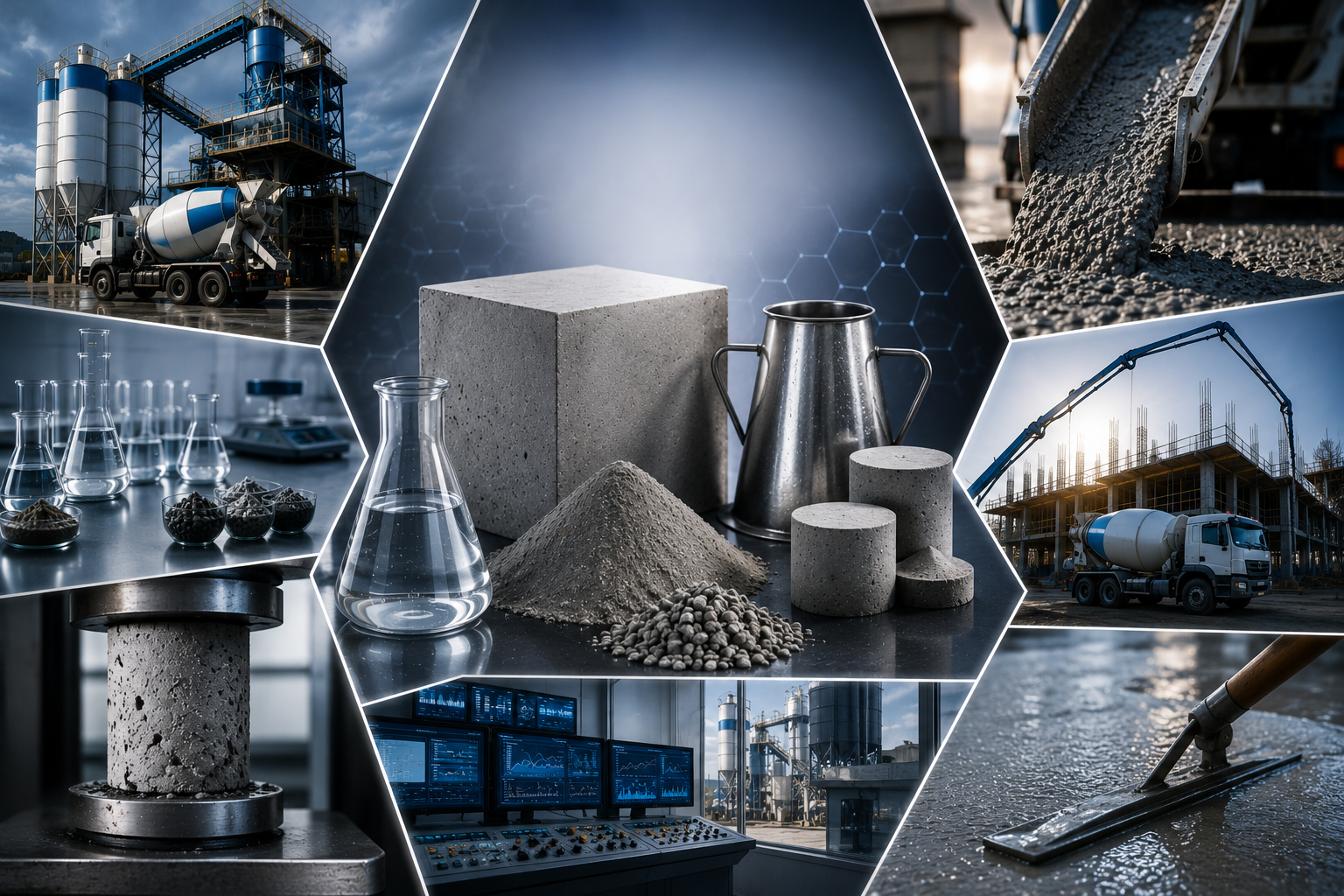
The ready-mixed concrete industry plays a fundamental role in modern construction projects. The safety, durability, and service life of structures are directly related to concrete quality. For this reason, improving quality in ready-mixed concrete production is not only important for manufacturers, but also essential for the overall success of construction projects. High-quality concrete production depends on the correct selection of raw materials, controlled manufacturing processes, precise mix design, and the effective use of advanced construction chemicals.

One of the most important factors affecting quality in ready-mixed concrete production is the selection of raw materials. Cement, aggregates, water, mineral additions, and chemical admixtures must comply with relevant standards and project requirements. Any variation in these materials can directly influence workability, setting behavior, strength development, durability, and overall concrete consistency.

Clean, durable, and properly graded aggregates help create a more homogeneous concrete structure and support effective particle packing. Suitable aggregate grading reduces internal voids, improves workability, lowers segregation risk, and contributes to more stable strength development. Aggregate shape, surface texture, moisture content, and absorption capacity should also be carefully monitored.

The quality and consistency of cement are equally important. Cement type, fineness, chemical composition, strength development characteristics, and compatibility with chemical admixtures all affect final concrete performance. Regular testing and supplier control help reduce production variations and ensure more predictable results.

Water quality and dosage must be carefully controlled. Excess water may temporarily improve workability, but it can increase porosity, reduce compressive strength, raise permeability, and negatively affect long-term durability. Accurate control of the water-to-cement ratio is therefore one of the most critical requirements in quality ready-mixed concrete production.

Concrete admixtures are among the most effective technologies for improving ready-mixed concrete quality. Superplasticizers and high-range water-reducing admixtures make it possible to achieve excellent workability at lower water-to-cement ratios. This supports easier pumping and placement while improving strength, density, durability, and surface quality.

Set-controlling admixtures also provide important advantages. Retarding admixtures help preserve workability during hot weather, long-distance transportation, and large-volume pours, while accelerating admixtures support faster setting and early strength development in cold weather or time-critical applications. The correct admixture must be selected according to cement compatibility, ambient temperature, transport time, and project requirements.

Accurate mix design is essential for achieving consistent quality. The proportions of cement, water, aggregates, mineral additions, and chemical admixtures must be optimized according to required strength, workability, exposure class, placement method, pumping distance, setting profile, and durability targets.

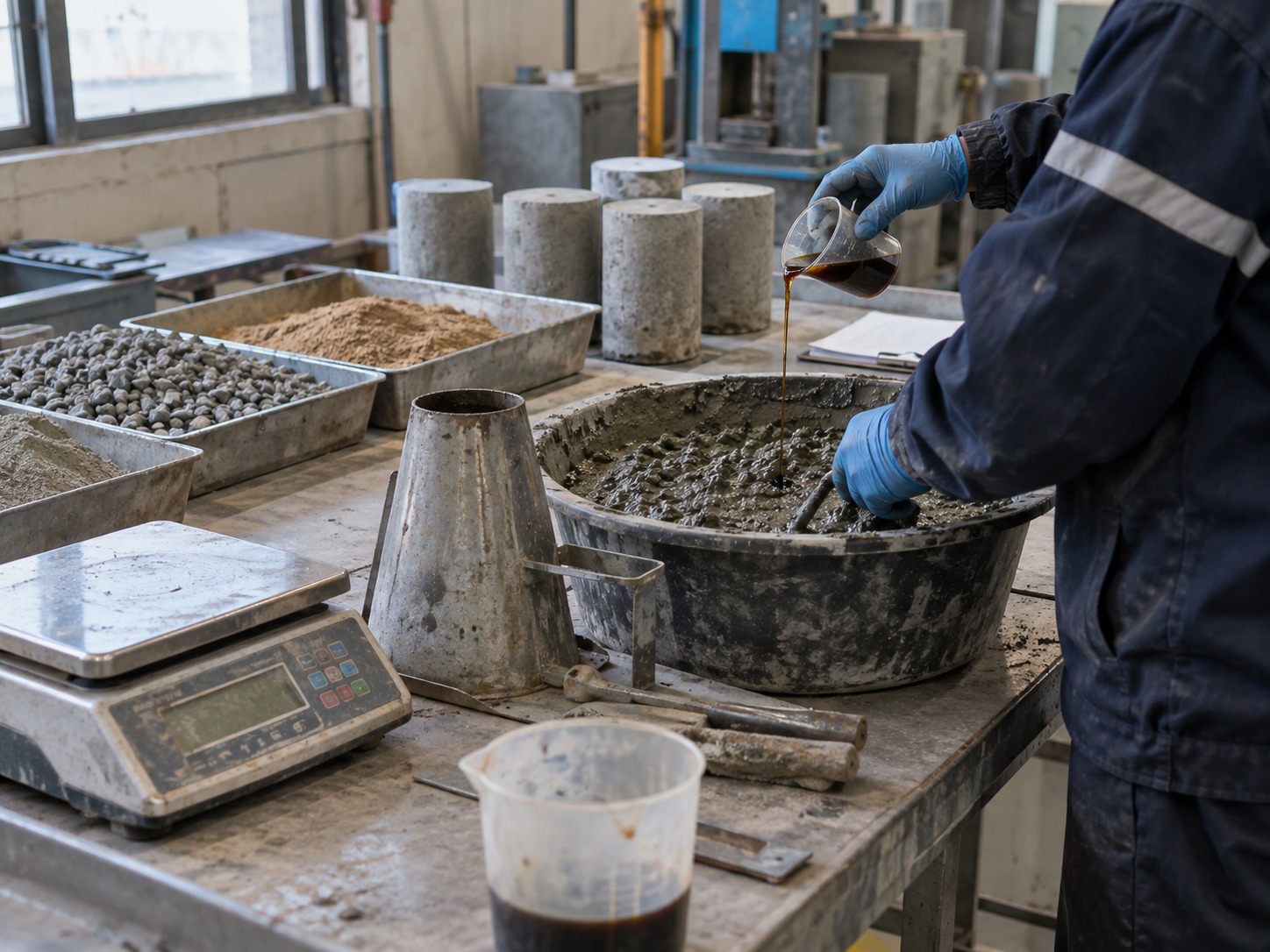
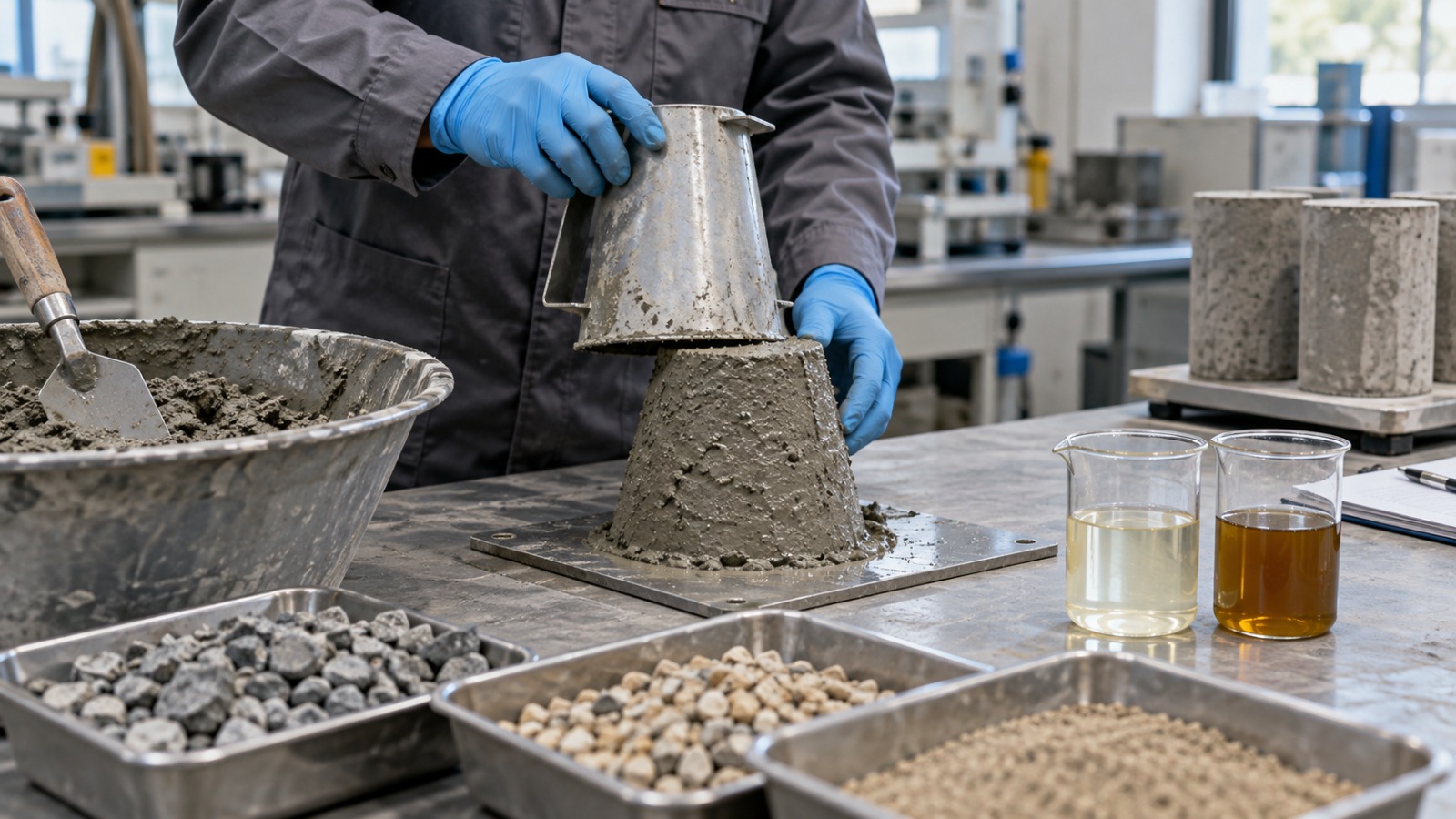
Laboratory trials and field tests should be conducted before full-scale production. These trials help verify material compatibility, determine optimum admixture dosage, assess slump retention, and evaluate early and final strength performance. A professionally developed mix design reduces uncertainty and supports reliable production.

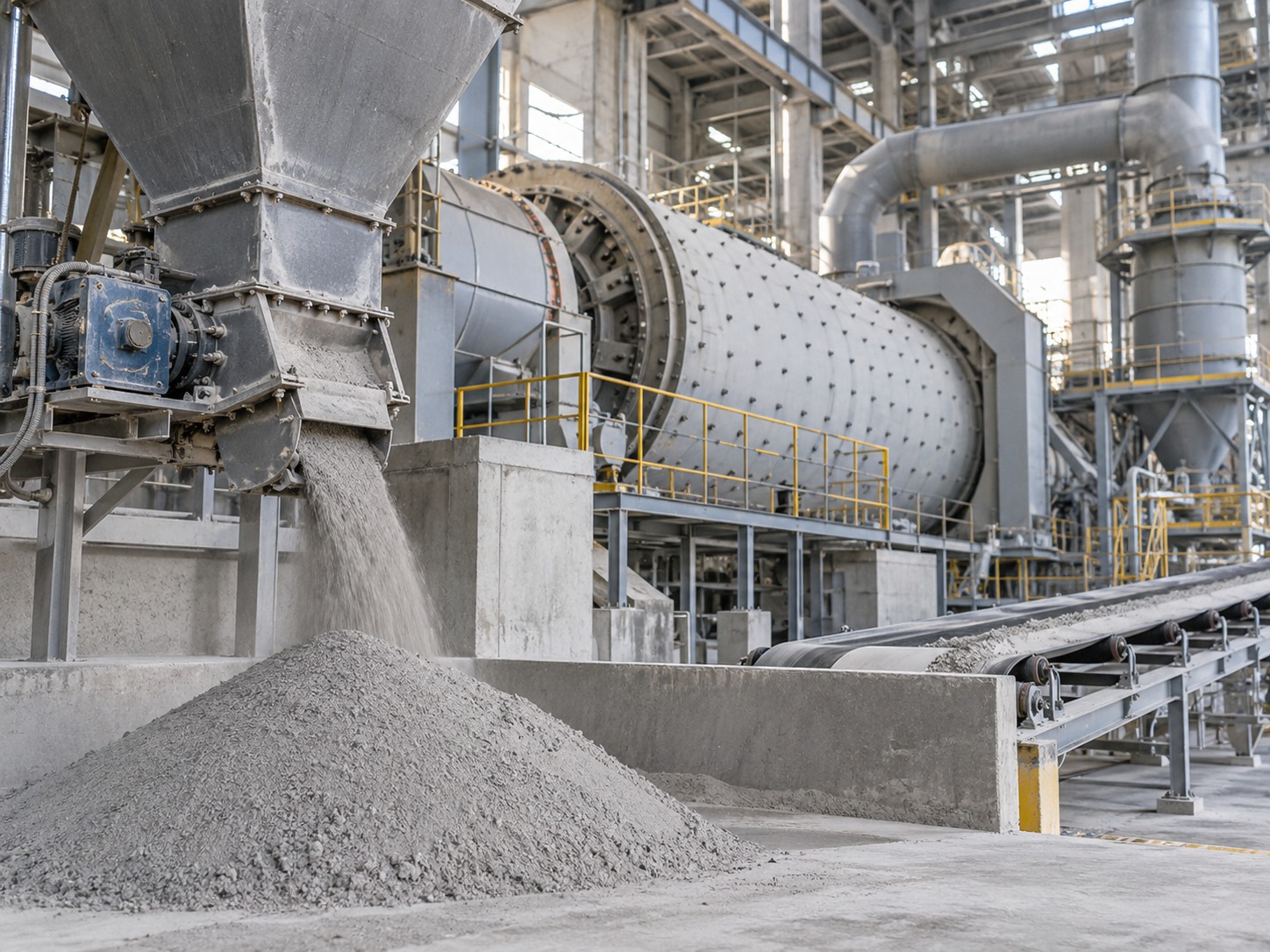
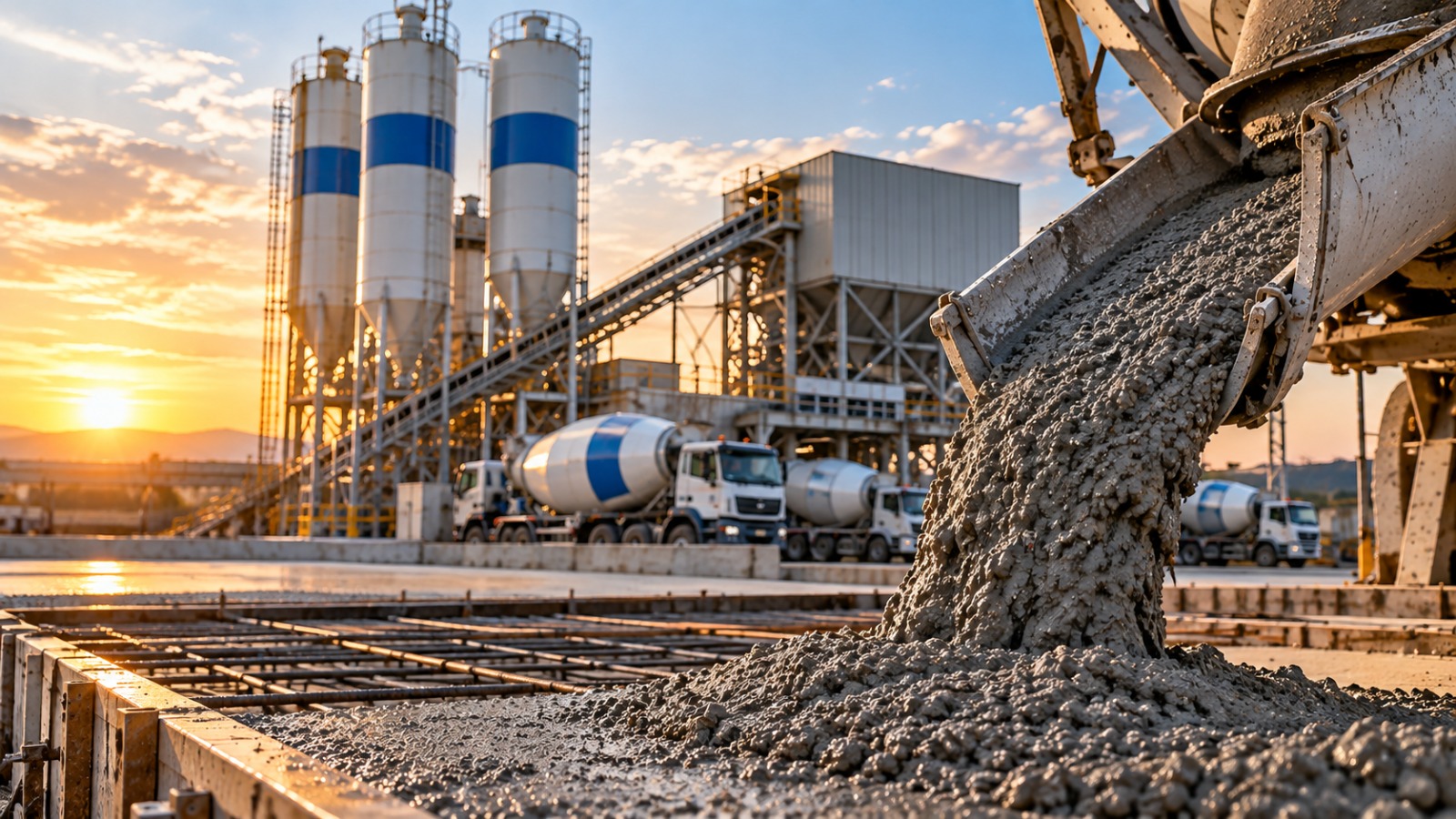
Precise batching and mixing control are also critical. Modern batching plants use automated systems to measure each component accurately and maintain repeatability between batches. Regular calibration of scales, water meters, admixture dispensers, and moisture sensors is necessary to prevent dosage errors.

Aggregate moisture correction must be performed continuously because changing moisture levels can alter the effective water content of the mix. Incorrect moisture data may cause variations in slump, strength, setting time, and consistency. Real-time monitoring helps maintain stable concrete performance.

Mixing sequence and mixing duration should also be optimized. Materials must be introduced in the correct order to ensure uniform distribution of cement, aggregates, water, and admixtures. Insufficient mixing can cause non-homogeneous concrete, while excessive mixing may lead to temperature increases or workability loss.

Quality control is an indispensable part of ready-mixed concrete production. Fresh concrete tests such as slump, temperature, density, air content, and unit weight provide immediate information about production consistency. These tests help identify problems before concrete is delivered or placed.

Hardened concrete tests, including compressive strength, flexural strength, permeability, water absorption, and durability assessments, provide essential information about long-term performance. Regular sampling and laboratory testing ensure that the concrete complies with technical specifications and required standards.

Production records should be carefully documented and analyzed. Batch data, raw material test results, admixture dosages, moisture values, fresh concrete test results, strength results, transportation times, and customer feedback can reveal production trends and support continuous improvement.

Transportation and delivery conditions also affect quality. Concrete must be delivered within the planned time while maintaining the required consistency and temperature. Excessive waiting times, uncontrolled water addition on site, and improper drum rotation can reduce concrete performance.

Communication between the batching plant, transport team, laboratory personnel, site team, and pump operator is essential. Effective coordination helps prevent delays, maintain placement continuity, and ensure that concrete is used under suitable conditions.

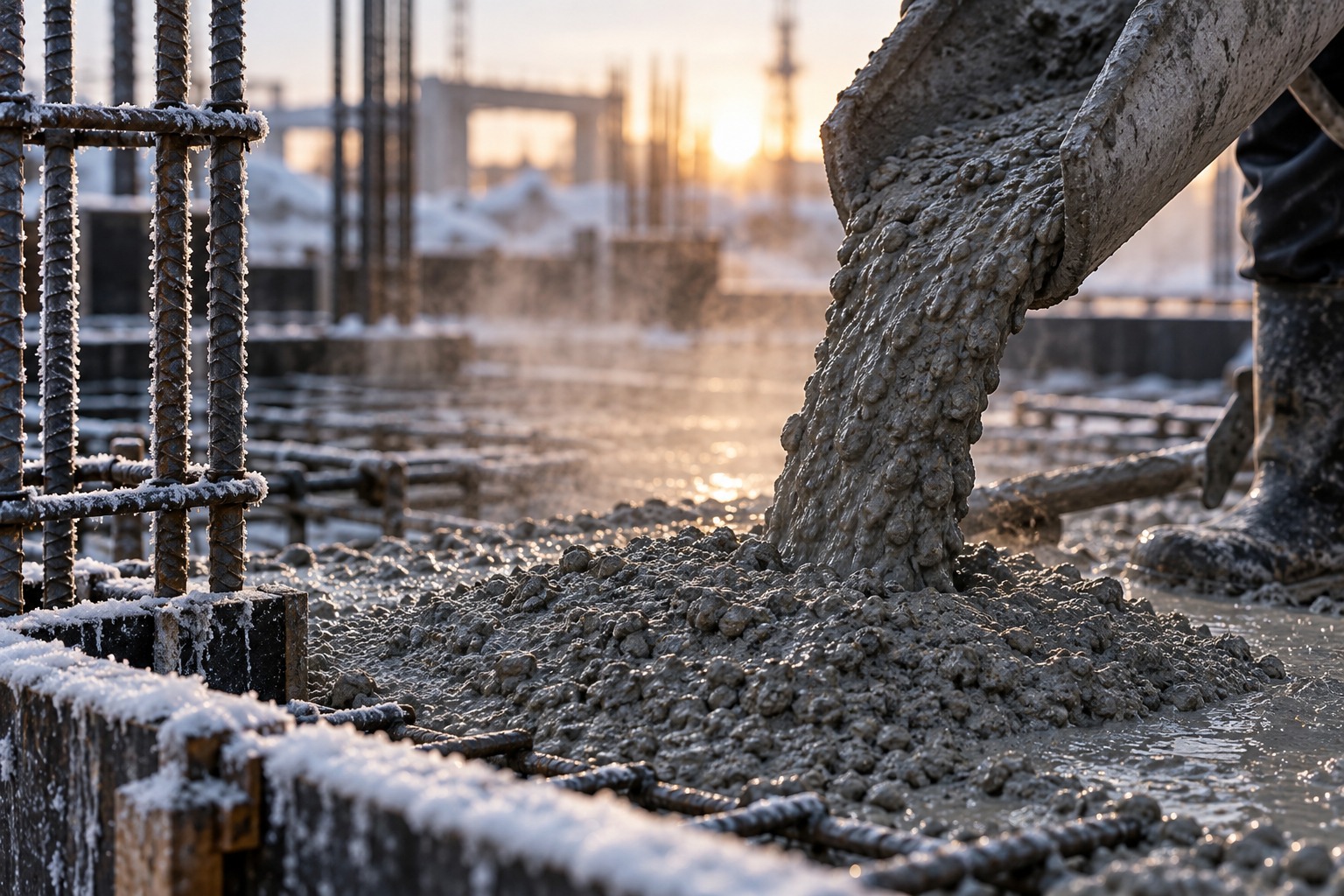
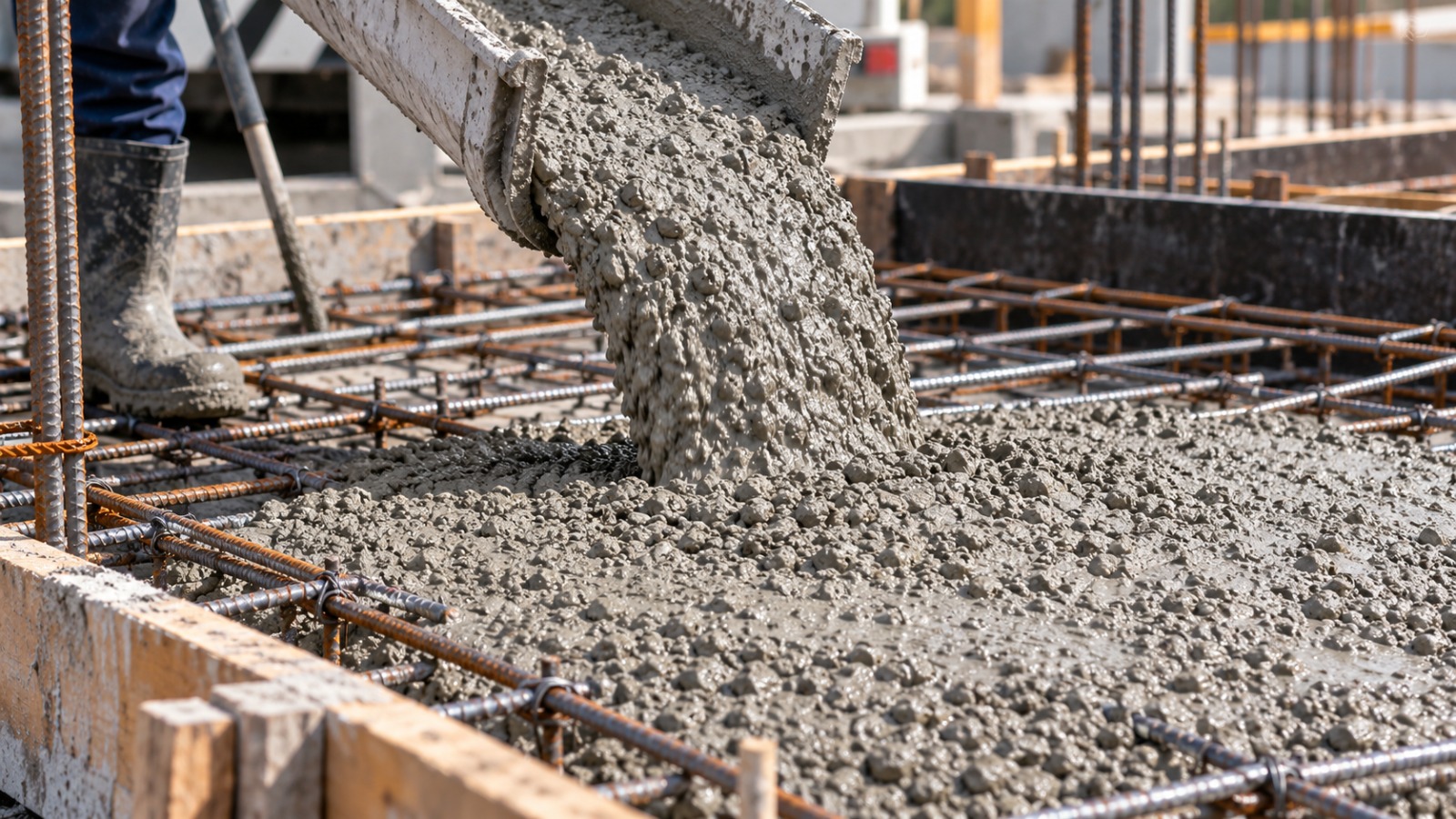
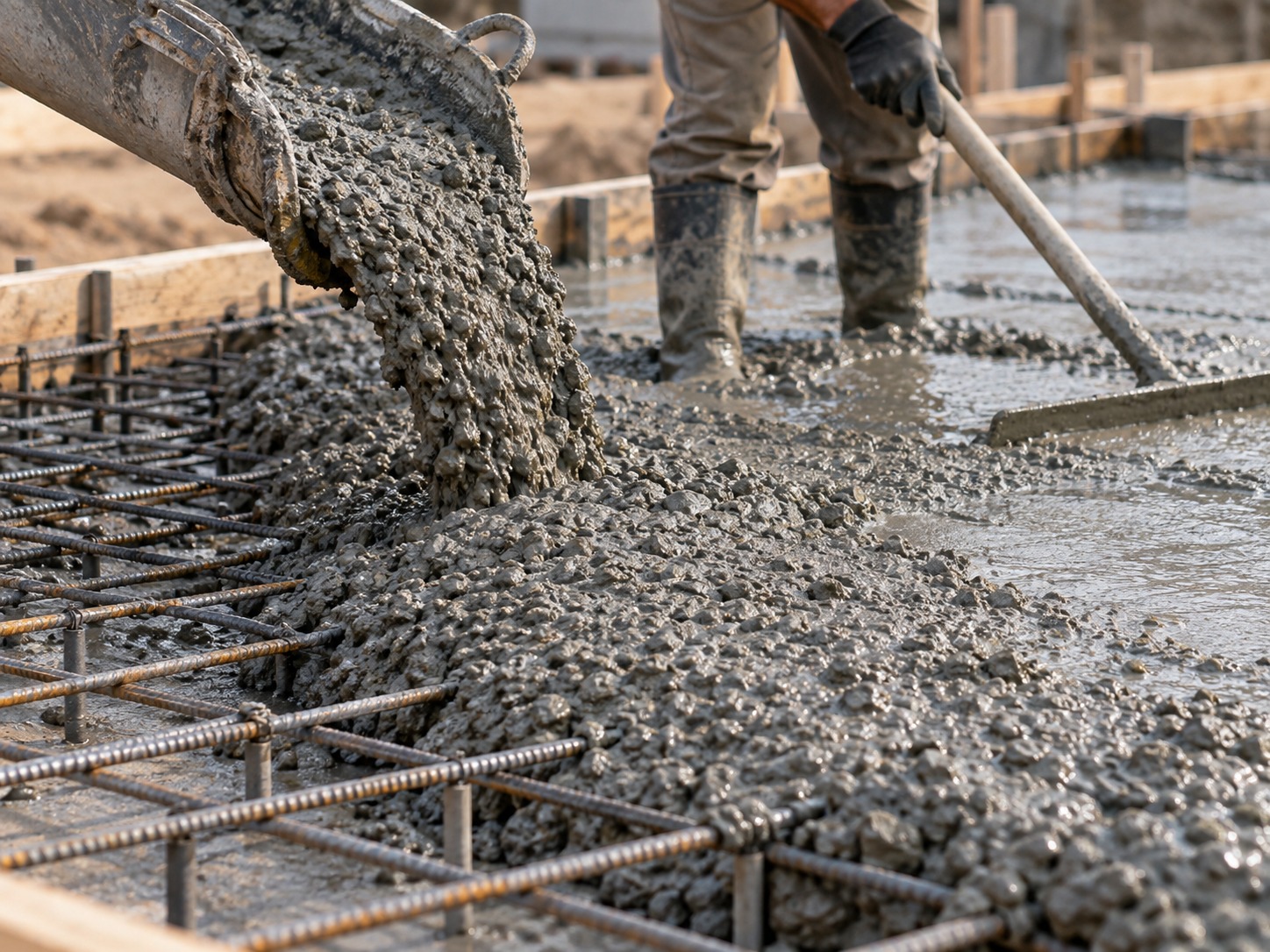
Proper placement, compaction, and curing are also necessary to preserve the quality achieved during production. Even well-designed concrete may fail to deliver the expected performance if it is incorrectly placed, insufficiently compacted, or inadequately cured.

Investing in high-performance concrete technologies provides an important competitive advantage in the ready-mixed concrete sector. Advanced admixtures, modern automation systems, calibrated production equipment, qualified personnel, and professional quality control practices make it possible to produce stronger, safer, more durable, and more consistent concrete.

Sustainable production should also be considered when improving quality. Efficient use of cement, water, aggregates, mineral additions, and chemical admixtures can reduce material consumption, production waste, and environmental impact. Durable concrete with a longer service life also lowers maintenance and repair requirements.

Ultimately, quality ready-mixed concrete production requires the coordinated management of raw materials, mix design, batching accuracy, admixture technology, quality control, logistics, application, and curing. When these factors are managed professionally, producers can achieve reliable performance, reduce production variations, improve customer satisfaction, and contribute to safer and longer-lasting structures.

Related News

Web Design & Software | COUR Media