English
×
All rights reserved. All content and images used on this website
belong to EMA Kimya and may not be used without permission.
cour
 EMA Kimya | Concrete Admixtures, Cement Additives, Construction Chemicals, Superplasticizers, High-Range Water Reducers, Concrete Performance Solutions, Ready-Mix and Precast Concrete Technologies, Infrastructure, Industrial Projects, Technical Support, Production and Cost Consulting  EMA Kimya | Concrete Admixtures, Cement Additives, Construction Chemicals, Superplasticizers, High-Range Water Reducers, Concrete Performance Solutions, Ready-Mix and Precast Concrete Technologies, Infrastructure, Industrial Projects, Technical Support, Production and Cost Consulting
EMA Kimya | Concrete Admixtures, Cement Additives, Construction Chemicals, Superplasticizers, High-Range Water Reducers, Concrete Performance Solutions, Ready-Mix and Precast Concrete Technologies, Infrastructure, Industrial Projects, Technical Support, Production and Cost Consulting

"Strength in Every Mix,
Quality in Every Drop"

×

Quality, reliability, and a commitment to sustainable production.

We provide professional solutions in concrete admixtures and construction chemicals.

Menu

Quality, reliability, and a commitment to sustainable production.

We provide professional solutions in concrete admixtures and construction chemicals.

09 October 2026

The long-term performance of reinforced concrete structures is not determined by compressive strength alone. Concrete resistance to environmental conditions plays an important role in structural service life and maintenance costs.

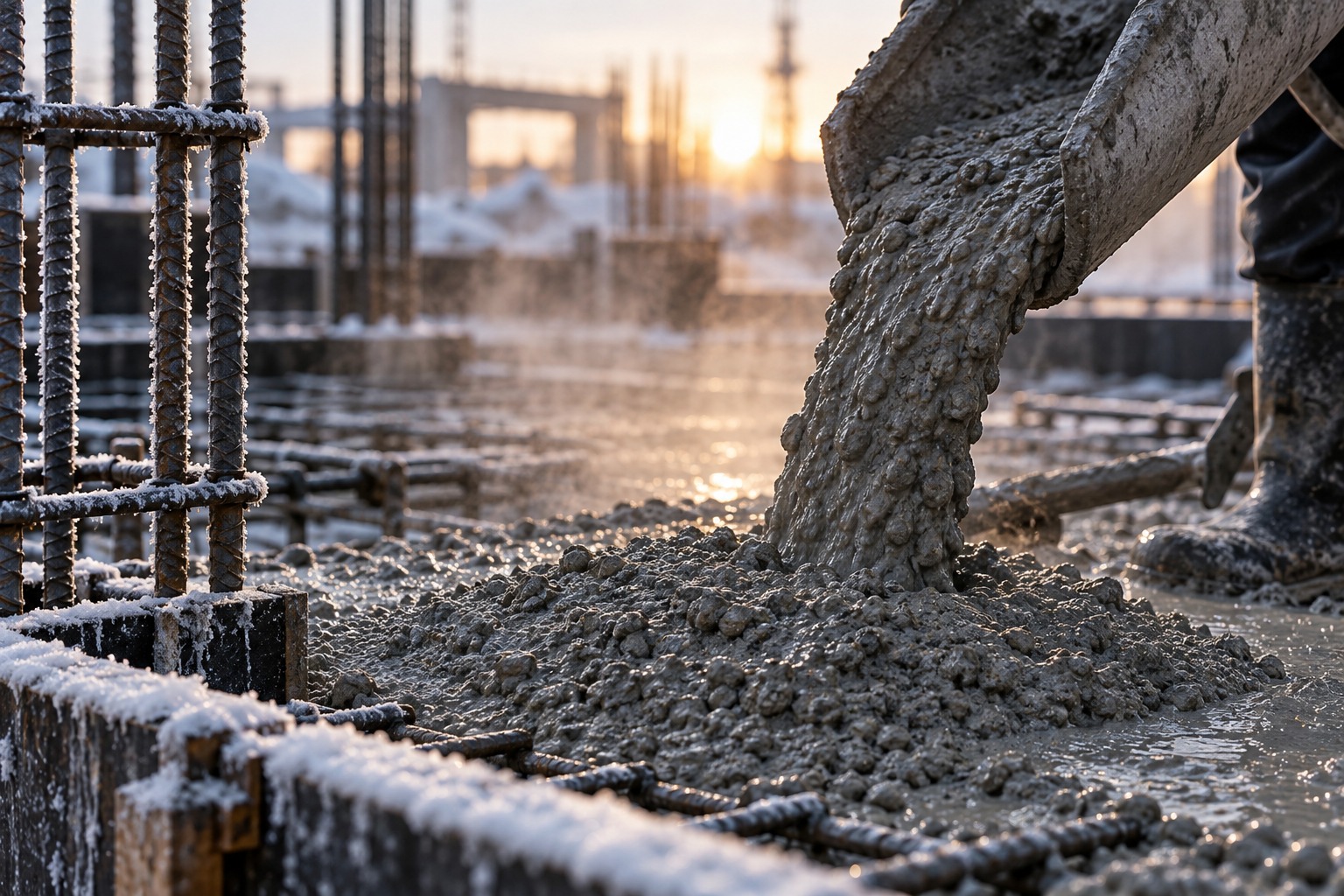
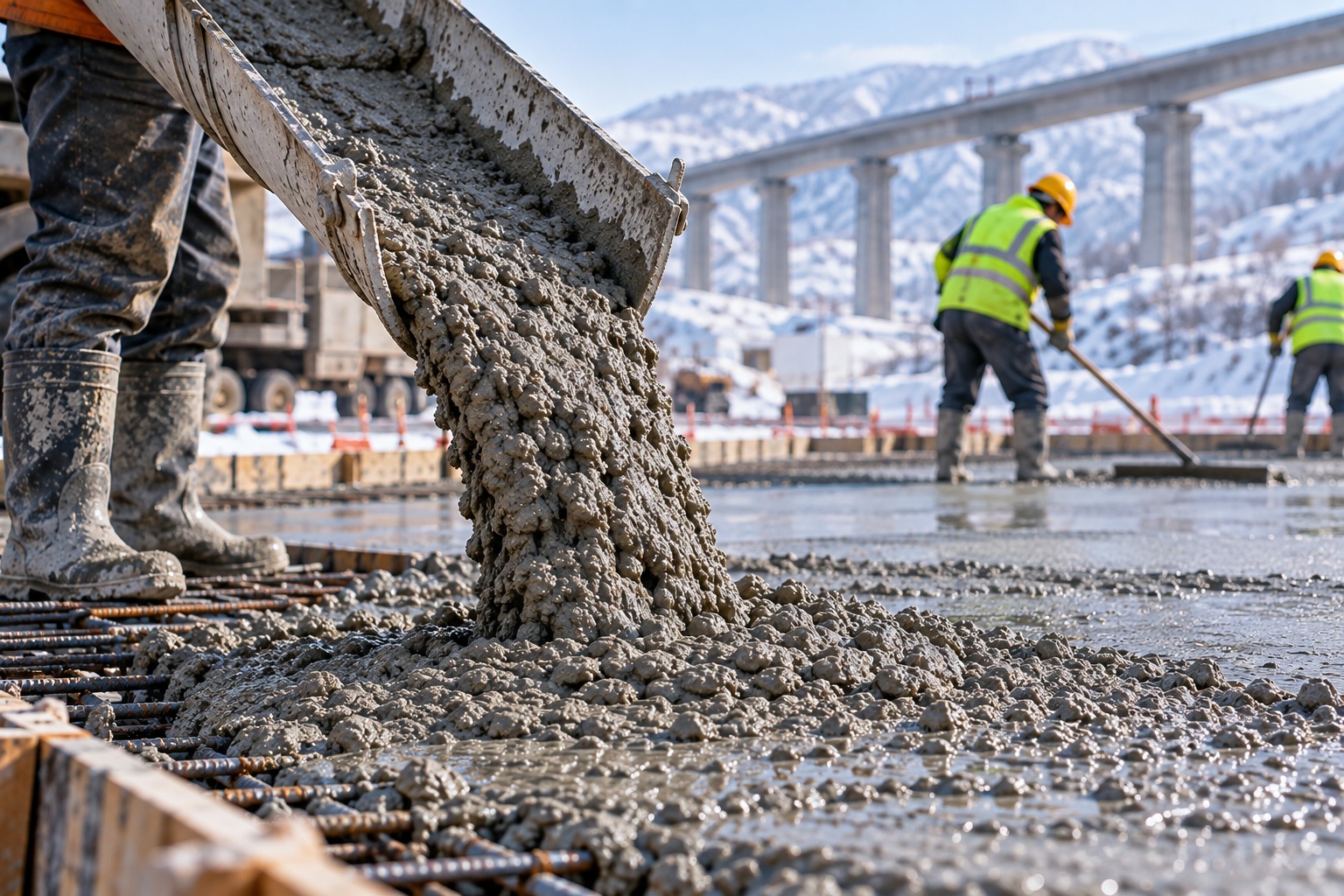
Particularly in regions where temperatures fall below freezing during winter, repeated freezing and thawing of water within concrete can gradually cause damage to its internal structure.

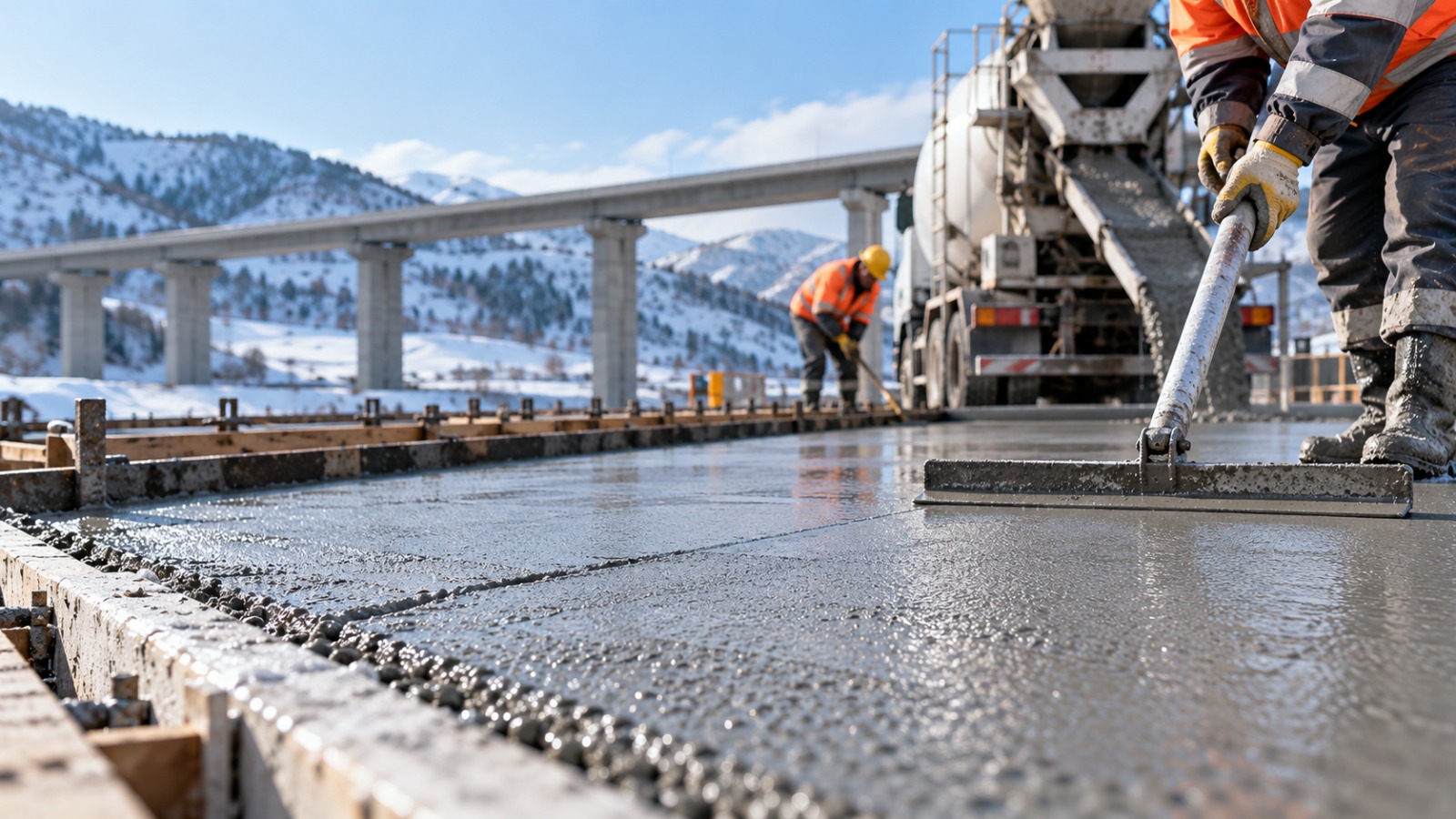
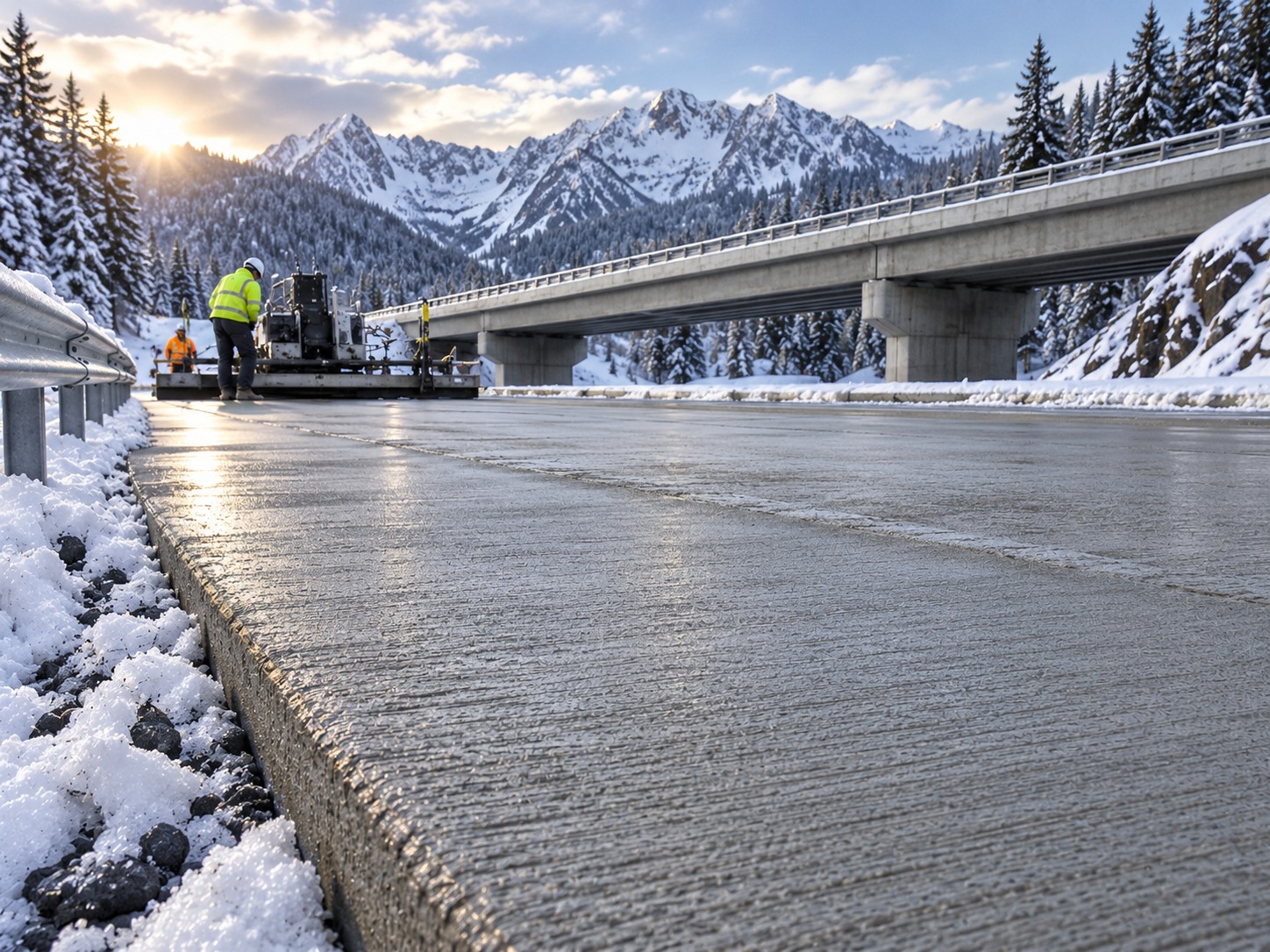
This is a significant durability concern for bridges, viaducts, concrete roads, outdoor parking areas, industrial floors and other exposed concrete structures.

Air-entraining concrete admixtures are used in such applications to create small, controlled air voids within the concrete, helping improve resistance to freeze-thaw damage.

However, the correct use of air-entraining admixtures involves more than simply introducing air into the concrete. Air void size, distribution, total air content and compatibility with the concrete mix design must all be evaluated together.

What Is an Air-Entraining Concrete Admixture?

Air-entraining concrete admixtures are chemical admixtures that promote the formation of very small, stable air bubbles within the cement paste during mixing.

These admixtures are primarily used to improve the durability of concrete exposed to freezing and thawing conditions.

The controlled air voids created within the concrete can help relieve internal pressures generated during freezing.

However, air-entraining admixtures are not used at the same dosage in every concrete application.

The required air content should be determined according to environmental exposure, raw materials and relevant technical specifications.

What Is Freeze-Thaw Action in Concrete?

Freeze-thaw action refers to the repeated freezing of water within concrete at low temperatures and its subsequent thawing as temperatures rise.

When water within concrete pores freezes, volume changes and hydraulic pressure effects may occur.

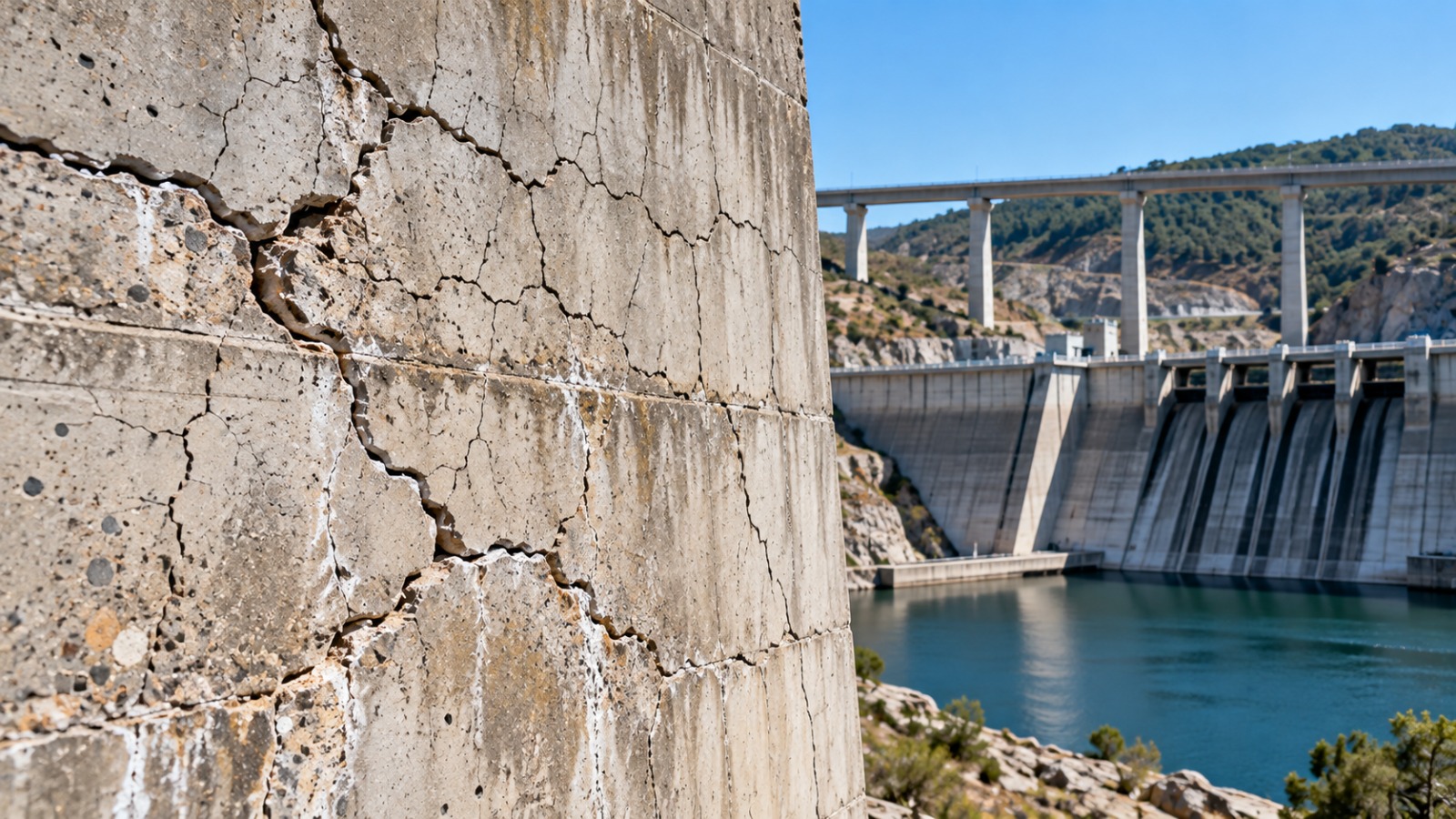
If the concrete reaches a sufficiently high degree of saturation, repeated freezing and thawing can cause microcracks to develop within its structure.

Over time, repeated freeze-thaw cycles may result in surface scaling, deterioration or reduced durability.

For this reason, concrete exposed to freezing and thawing should be evaluated not only for compressive strength but also for its resistance to environmental deterioration.

How Do Air-Entraining Admixtures Improve Freeze-Thaw Resistance?

Air-entraining admixtures create numerous small air voids within the concrete.

These voids provide spaces that help relieve pressures developing within the concrete pore system during freezing.

As a result, concrete resistance to repeated freeze-thaw cycles can be improved.

However, total air content is not the only important factor.

The air voids must also be sufficiently small and properly distributed throughout the concrete to provide effective protection.

Therefore, successful air entrainment depends on developing a controlled and well-distributed air-void system.

Are All Air Voids in Concrete Beneficial?

No.

Not all air voids in concrete have the same characteristics.

Large, uncontrolled air pockets trapped during mixing and placement may negatively affect concrete homogeneity and mechanical performance.

Small, stable air voids intentionally created through air-entraining admixtures, however, can improve durability under certain environmental conditions.

For this reason, uncontrolled entrapped air and intentionally entrained air must be evaluated differently.

The objective is not to increase air content without limitation, but to develop an air-void system suitable for the specific project requirements.

Where Are Air-Entraining Concrete Admixtures Used?

Air-entraining admixtures are particularly important in concrete applications exposed to freezing and thawing.

Bridge decks, viaducts, concrete roads, outdoor parking areas, airport concrete pavements, exterior stairways and certain precast concrete elements are examples of such applications.

However, not every outdoor concrete application requires the same air content.

Admixture selection should consider the degree of water saturation, climatic conditions, exposure to de-icing chemicals and the intended use of the concrete.

Air-Entraining Admixtures in Bridge and Viaduct Concrete

Bridges and viaducts are exposed to changing environmental conditions throughout the year.

During winter, freeze-thaw cycles and de-icing salts used in certain regions may create significant durability risks for concrete surfaces.

In these structures, a suitable air-entrainment system should be evaluated together with low-permeability concrete and proper curing practices.

Using an air-entraining admixture alone does not eliminate every environmental durability problem.

The binder system, water/cement ratio, surface quality and environmental exposure class must also be considered.

Freeze-Thaw Durability in Concrete Roads

Concrete roads are directly exposed to rain, snow, icing and temperature changes because of their extensive surface areas.

Water present on road surfaces or within the concrete may freeze and thaw repeatedly, potentially causing surface damage over time.

For this reason, suitable air-entraining admixtures, controlled water/cement ratios and proper curing conditions should be evaluated together in concrete pavement applications.

Appropriate surface drainage and water removal are also important for long-term durability.

How Do De-Icing Salts Affect Concrete Durability?

De-icing salts used on road and bridge surfaces during winter can change the environmental conditions to which concrete is exposed.

Concrete surfaces subjected to freeze-thaw cycles and de-icing chemicals may experience scaling and material loss.

In addition, chloride-containing salts may create a separate reinforcement corrosion risk if chlorides penetrate through the concrete and reach the steel reinforcement.

For this reason, concrete exposed to de-icing salts should be designed by considering air entrainment, low permeability, concrete cover and overall durability requirements together.

Do Air-Entraining Admixtures Affect Concrete Compressive Strength?

Yes.

Increasing the air content in concrete can reduce compressive strength when other conditions remain unchanged.

For this reason, uncontrolled use of air-entraining admixtures is not recommended.

However, in applications requiring freeze-thaw durability, a properly designed air-void system may be essential for long-term concrete performance.

Therefore, concrete mix design should establish the correct balance between target compressive strength and environmental durability requirements.

Concrete with the highest compressive strength is not necessarily the concrete with the greatest resistance to environmental exposure.

How Does the Water/Cement Ratio Affect Freeze-Thaw Resistance?

The water/cement ratio is one of the main parameters influencing concrete pore structure and permeability.

An excessively high water/cement ratio can result in more interconnected capillary pores within hardened concrete.

This may allow water to penetrate more easily and increase the risk of freeze-thaw damage under certain conditions.

Suitable water-reducing and superplasticizing concrete admixtures can help achieve the required workability with less mixing water.

However, a low water/cement ratio should not automatically be considered a complete substitute for air entrainment in applications where an adequate air-void system is required.

Can Superplasticizers and Air-Entraining Admixtures Be Used Together?

Yes.

Superplasticizing and air-entraining admixtures can be used together in certain concrete mix designs.

Superplasticizers help reduce water demand, while air-entraining systems support the formation of controlled air voids.

However, combining these admixtures may influence total air content and the characteristics of the air-void system.

Therefore, compatibility between the admixtures must be tested using the actual concrete raw materials.

Particularly when polycarboxylate-based admixtures are used, regular monitoring of air content and air stability is important.

How Is Air-Entraining Admixture Dosage Determined?

The optimum dosage of an air-entraining admixture depends on the chemical characteristics of the product and the concrete mix design.

Cement type, supplementary cementitious materials, aggregate grading, fine material content, concrete temperature and mixing conditions can all influence air-entrainment performance.

For this reason, a specific admixture dosage should not be expected to produce the same air content in every concrete class.

Different dosage levels should be compared through laboratory trials, evaluating the target air content, workability and strength characteristics together.

What Happens If Too Much Air-Entraining Admixture Is Used?

Excessive air-entraining admixture dosage may cause the air content to exceed the specified target.

This can negatively affect concrete compressive strength.

Fresh concrete behavior may also change.

Therefore, dosage control should be based not only on the amount of admixture added but also on the actual air content measured in the concrete.

The objective is not to generate as much air as possible, but to achieve a controlled air content that supports the required freeze-thaw performance.

Do Cement Characteristics Affect Air-Entrainment Performance?

Yes.

Cement fineness, chemical composition and other binder components can influence the performance of air-entraining admixtures.

Different cements may produce different air contents at the same admixture dosage.

For this reason, the existing admixture system should be reassessed when the cement source or cement type changes.

In high-performance concrete production, cement-admixture compatibility plays an important role in achieving consistent production results.

Do Mineral Admixtures and Fine Materials Affect Air Content?

Mineral components and fine materials within concrete can change air-entrainment performance.

The characteristics of certain supplementary cementitious materials may significantly affect the efficiency of air-entraining admixtures.

For example, unburned carbon present in certain types of fly ash may adsorb air-entraining admixture components, increasing admixture demand.

Fine material and clay content in aggregates may also affect the behavior of the system.

For this reason, ready-mixed concrete plants using different raw material sources should monitor air content regularly.

Does Concrete Mixing Time Affect Air Content?

Yes.

Mixing duration, mixer operating conditions and mixing energy can influence air-entrainment performance.

The air content achieved in a laboratory mixer may not be identical to the air content produced in a full-scale concrete batching plant.

For this reason, laboratory trials should be followed by actual plant trials.

Air content and workability can be measured at different stages of mixing to optimize the production system.

Can Long Transportation Times Change Concrete Air Content?

During transportation in a transit mixer, concrete consistency and air content may change.

Transportation duration, concrete temperature, transit mixer operating conditions and the admixture system can influence these changes.

For this reason, measuring air content only when concrete leaves the batching plant may not be sufficient for every application.

In concrete where freeze-thaw durability is critical, checking the air content upon arrival at the construction site is also important.

Can Concrete Pumping Affect Air Content?

Passing concrete through a pump line may alter its fresh concrete air-void system.

Pumping pressure, pipeline geometry, concrete consistency and the admixtures used can influence this process.

Therefore, in critical applications involving air-entraining admixtures, concrete performance may need to be evaluated both before and after pumping.

The required workability should be maintained while ensuring that the target air-void system and strength properties are achieved.

How Is Air Content Measured in Fresh Concrete?

Air content in fresh concrete can be measured using suitable testing equipment and standardized methods.

Pressure-based air meters are among the methods commonly used for appropriate concrete mixtures.

However, measured total air content alone does not reveal the size and distribution of air voids.

For projects where freeze-thaw durability is critical, additional evaluation of the hardened concrete air-void system may be required.

Quality-control methods should therefore be selected according to the technical requirements of the project.

Air-Entraining Admixtures in Precast Concrete Production

Precast and prefabricated concrete elements may require different durability characteristics depending on their intended service environment.

Controlled air entrainment may be considered for precast elements exposed to outdoor freeze-thaw conditions.

However, air-entraining admixtures are not necessarily required for every precast concrete product.

Environmental exposure, target concrete class, surface quality and production methods should all be evaluated together.

Particularly in precast production requiring high early strength, balancing air content and mechanical performance is important.

Do Air-Entraining Admixtures Affect Concrete Workability?

Controlled air entrainment may positively influence workability and cohesion in certain concrete mixtures.

Small air bubbles can modify the rheological behavior of fresh concrete.

However, the extent of this effect depends on the concrete mix design, air content and other admixtures used.

For this reason, air-entraining admixtures should not be selected solely to increase concrete flowability.

The primary objective is to achieve the air-void system and environmental durability required for the project.

Are Cold-Weather Concreting and Freeze-Thaw Resistance the Same?

No.

Cold-weather concreting concerns protecting fresh concrete against low temperatures during its early stages.

Freeze-thaw resistance refers to the ability of hardened concrete to withstand repeated freezing and thawing throughout its service life.

Air-entraining admixtures are used to improve the freeze-thaw durability of hardened concrete.

However, their use does not eliminate the need to protect fresh concrete against freezing.

Fresh concrete must still be maintained under suitable temperature conditions and allowed to develop sufficient early strength.

Does Concrete Curing Affect Freeze-Thaw Resistance?

Yes.

Proper curing helps cement hydration continue under suitable conditions.

Insufficient curing can result in a weaker and more permeable structure, particularly near the concrete surface.

This can influence water exposure and freeze-thaw behavior.

For this reason, suitable curing conditions must also be provided for air-entrained concrete.

Air entrainment and curing are complementary durability measures rather than alternatives to one another.

How Should Air-Entraining Concrete Admixture Prices Be Evaluated?

Concrete admixtures should not be compared only by their price per kilogram or ton.

Actual dosage, target air content, effects on compressive strength and environmental durability requirements should all be considered.

A product with a lower unit price may require a higher dosage or produce inconsistent air content during production, affecting the total cost.

Therefore, the economic performance of air-entraining admixtures should be evaluated according to admixture cost per cubic meter of concrete and the technical performance achieved.

Producing Freeze-Thaw-Resistant Concrete in Central Anatolia

Freezing and thawing conditions experienced during winter in Central Anatolia can increase durability requirements, particularly for exposed concrete structures.

Environmental exposure conditions may vary depending on the project in cities such as Konya, Ankara, Kayseri, Aksaray, Karaman, Niğde, Nevşehir, Kırşehir, Eskişehir, Sivas and Yozgat.

For this reason, selecting ready-mixed concrete admixtures in Central Anatolia should consider not only regional temperatures but also water exposure and actual service conditions.

Laboratory and batching-plant trials using local cement and aggregate sources can help determine the appropriate air-entraining admixture system.

Which Parameters Should Be Checked in Laboratory and Plant Trials?

When evaluating an air-entraining admixture, measuring only the initial air content may not be sufficient.

Initial air content, changes in air content over time, slump, concrete temperature, admixture dosage and compressive strength should all be monitored.

In projects where freeze-thaw durability is critical, additional durability and air-void system tests may be required according to relevant standards.

Laboratory results should be verified under actual batching-plant production conditions.

This approach helps determine whether the admixture system can provide the expected performance not only under controlled laboratory conditions but also during actual production.

EMA Kimya Air-Entraining Concrete Admixtures and High-Performance Concrete Solutions

EMA Kimya develops professional concrete admixture technologies for ready-mixed concrete plants, batching plants, precast and prefabricated concrete manufacturers, bridges, viaducts, concrete roads, airports and large-scale infrastructure projects.

Project-specific admixture systems can be optimized by evaluating cement type, aggregate characteristics, water/cement ratio, concrete temperature, target air content, concrete class and environmental durability requirements.

Air-entraining concrete admixtures, superplasticizers, high-range water reducers, water-reducing admixtures and auxiliary concrete admixtures can be evaluated together to support improvements in both fresh and hardened concrete performance.

EMA Kimya's technical approach focuses not only on concrete workability or compressive strength, but also on supporting controlled air content, freeze-thaw durability, low water/cement ratios, production consistency, cost optimization and long service life together.

Producing freeze-thaw-resistant concrete is not about introducing as much air as possible. It is about combining the correct air-void system, suitable concrete mix design and effective curing conditions to achieve reliable long-term durability.

Related News

What Is Alkali-Silica Reaction (ASR) in Concrete? How Can Internal Cracking and Long-Term Durability Loss Be Prevented?

Publication Date: 09 Ekim 2026

What Are Construction Chemicals and Where Are They Used?

Publication Date: 09 Ekim 2026

The Importance of Set-Retarding Concrete Admixtures in Hot Weather and Long Transportation Times

Publication Date: 09 Ekim 2026

High Flowability and Controlled Concrete Performance with Self-Compacting Concrete Admixtures

Publication Date: 09 Ekim 2026

The Importance of Set-Accelerating Admixtures in Cold Weather Concrete Applications

Publication Date: 09 Ekim 2026

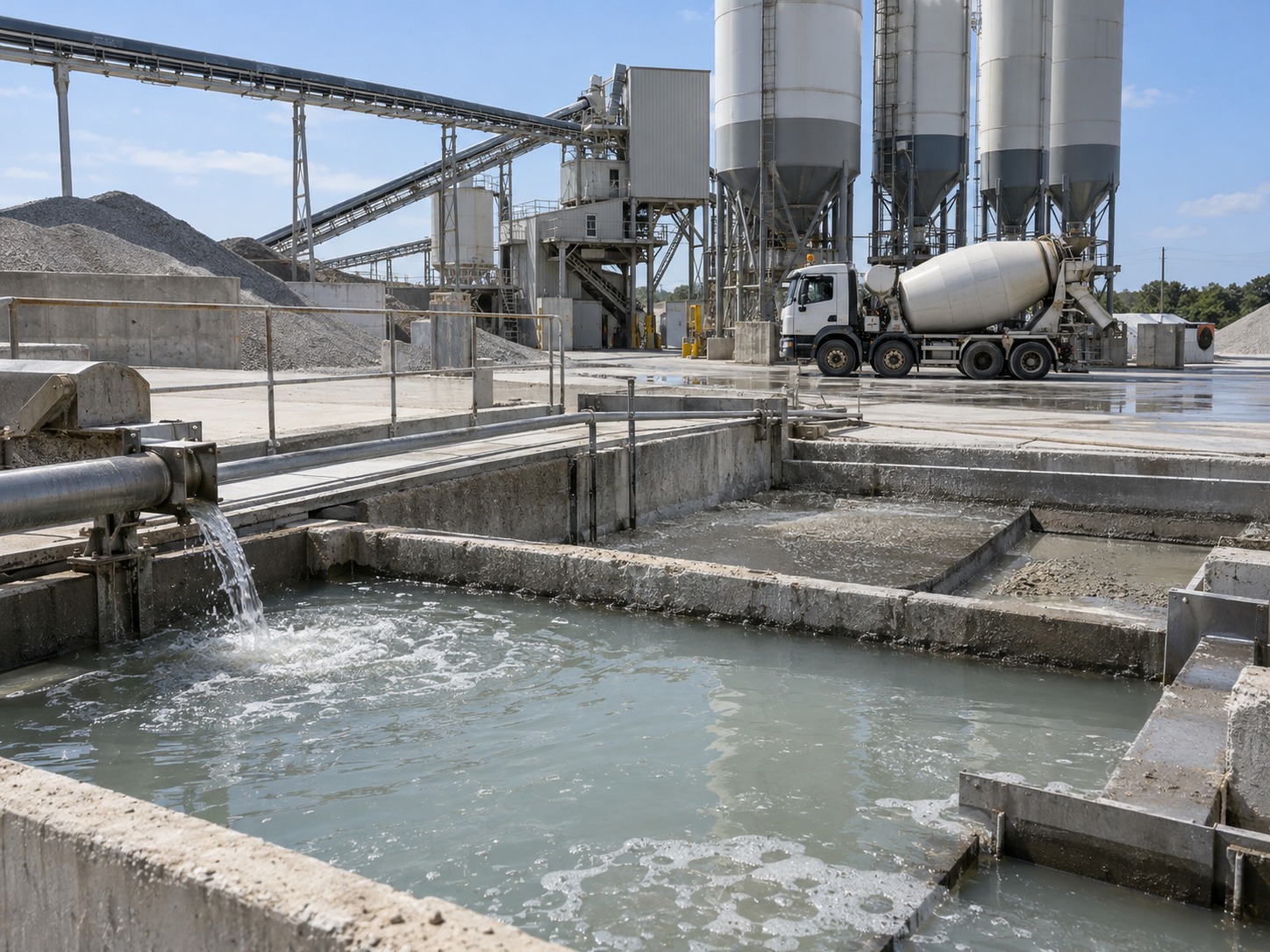
How Does the Use of Recycled Water in Ready-Mixed Concrete Production Affect Concrete Quality? Concrete Admixtures and Water Management

Publication Date: 09 Ekim 2026

What Is High-Performance Concrete? What Are Its Main Properties?

Publication Date: 09 Ekim 2026

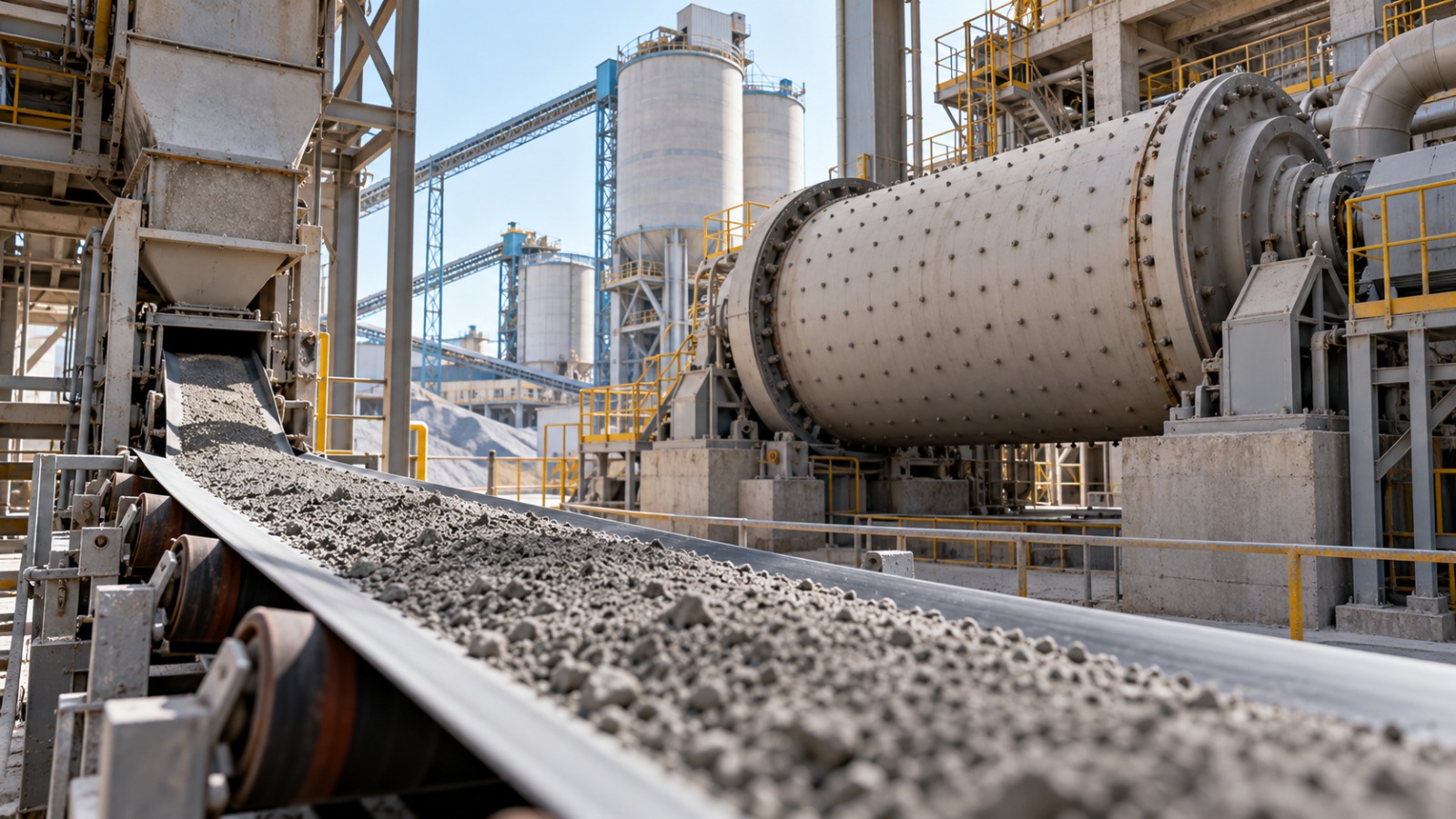
What Are Cement Grinding Aids? How Can Grinding Efficiency, Energy Savings and Cement Performance Be Improved in Cement Plants?

Publication Date: 09 Ekim 2026

More Durable Concrete Against Freeze-Thaw Cycles with Air-Entraining Admixtures

Publication Date: 09 Ekim 2026

How Can Ready-Mixed Concrete Production Costs Be Reduced? Mix Design and Cost Optimization with Concrete Admixtures

Publication Date: 09 Ekim 2026

What Are Concrete Admixtures? Types and Applications

Publication Date: 09 Ekim 2026

What Are Polycarboxylate-Based Concrete Admixtures? Next-Generation Superplasticizer Technology

Publication Date: 09 Ekim 2026

What Is an Air-Entraining Concrete Admixture? How Is Freeze-Thaw Resistant Concrete Produced?

Publication Date: 09 Ekim 2026

How to Improve Quality in Ready-Mixed Concrete Production

Publication Date: 09 Ekim 2026

What Causes Plastic Shrinkage Cracks in Concrete? How Can Early Surface Cracking Be Prevented?

Publication Date: 09 Ekim 2026

Web Design & Software | COUR Media