English
×
All rights reserved. All content and images used on this website
belong to EMA Kimya and may not be used without permission.
cour
 EMA Kimya | Beton Katkıları, Çimento Katkıları, Yapı Kimyasalları, Süper Akışkanlaştırıcılar, Yüksek Akışkanlaştırıcılar, Beton Yardımcı Katkıları, Beton Koruma Ürünleri, Püskürtme Beton Katkıları, Çimento Performans ve Öğütme Katkıları, Priz Hızlandırıcılar, Priz Geciktiriciler, Hava Sürükleyici Katkılar, Beton Dayanım Artırıcı Katkılar, Endüstriyel Yapı Kimyasalları, Hazır Beton Tesisleri, Prefabrik Beton Üretimi, Çimento Fabrikaları, Beton Santralleri, Köprü, Tünel, Baraj, Yol, Metro, Havalimanı, Viyadük ve Büyük Ölçekli Altyapı Projeleri İçin Yüksek Performanslı Beton ve Çimento Teknolojileri, Teknik Destek, Üretim ve Maliyet Danışmanlığı Hizmetleri  EMA Kimya | Beton Katkıları, Çimento Katkıları, Yapı Kimyasalları, Süper Akışkanlaştırıcılar, Yüksek Akışkanlaştırıcılar, Beton Yardımcı Katkıları, Beton Koruma Ürünleri, Püskürtme Beton Katkıları, Çimento Performans ve Öğütme Katkıları, Priz Hızlandırıcılar, Priz Geciktiriciler, Hava Sürükleyici Katkılar, Beton Dayanım Artırıcı Katkılar, Endüstriyel Yapı Kimyasalları, Hazır Beton Tesisleri, Prefabrik Beton Üretimi, Çimento Fabrikaları, Beton Santralleri, Köprü, Tünel, Baraj, Yol, Metro, Havalimanı, Viyadük ve Büyük Ölçekli Altyapı Projeleri İçin Yüksek Performanslı Beton ve Çimento Teknolojileri, Teknik Destek, Üretim ve Maliyet Danışmanlığı Hizmetleri
EMA Kimya | Beton Katkıları, Çimento Katkıları, Yapı Kimyasalları, Süper Akışkanlaştırıcılar, Yüksek Akışkanlaştırıcılar, Beton Yardımcı Katkıları, Beton Koruma Ürünleri, Püskürtme Beton Katkıları, Çimento Performans ve Öğütme Katkıları, Priz Hızlandırıcılar, Priz Geciktiriciler, Hava Sürükleyici Katkılar, Beton Dayanım Artırıcı Katkılar, Endüstriyel Yapı Kimyasalları, Hazır Beton Tesisleri, Prefabrik Beton Üretimi, Çimento Fabrikaları, Beton Santralleri, Köprü, Tünel, Baraj, Yol, Metro, Havalimanı, Viyadük ve Büyük Ölçekli Altyapı Projeleri İçin Yüksek Performanslı Beton ve Çimento Teknolojileri, Teknik Destek, Üretim ve Maliyet Danışmanlığı Hizmetleri

"Strength in Every Mix,
Quality in Every Drop"

×

Quality, reliability, and a commitment to sustainable production.

We provide professional solutions in concrete admixtures and construction chemicals.

Menu

Quality, reliability, and a commitment to sustainable production.

We provide professional solutions in concrete admixtures and construction chemicals.

16 Haziran 2026

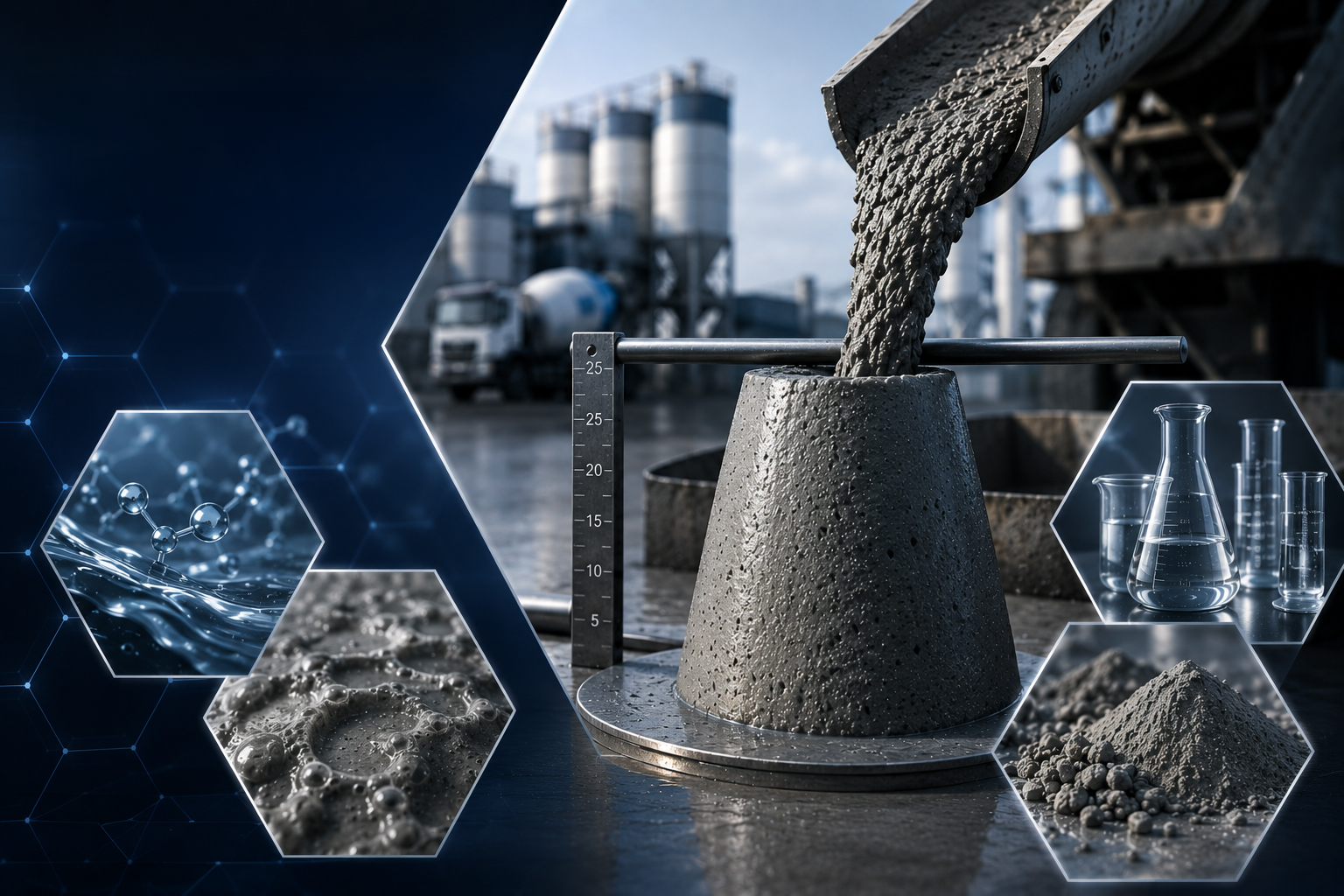
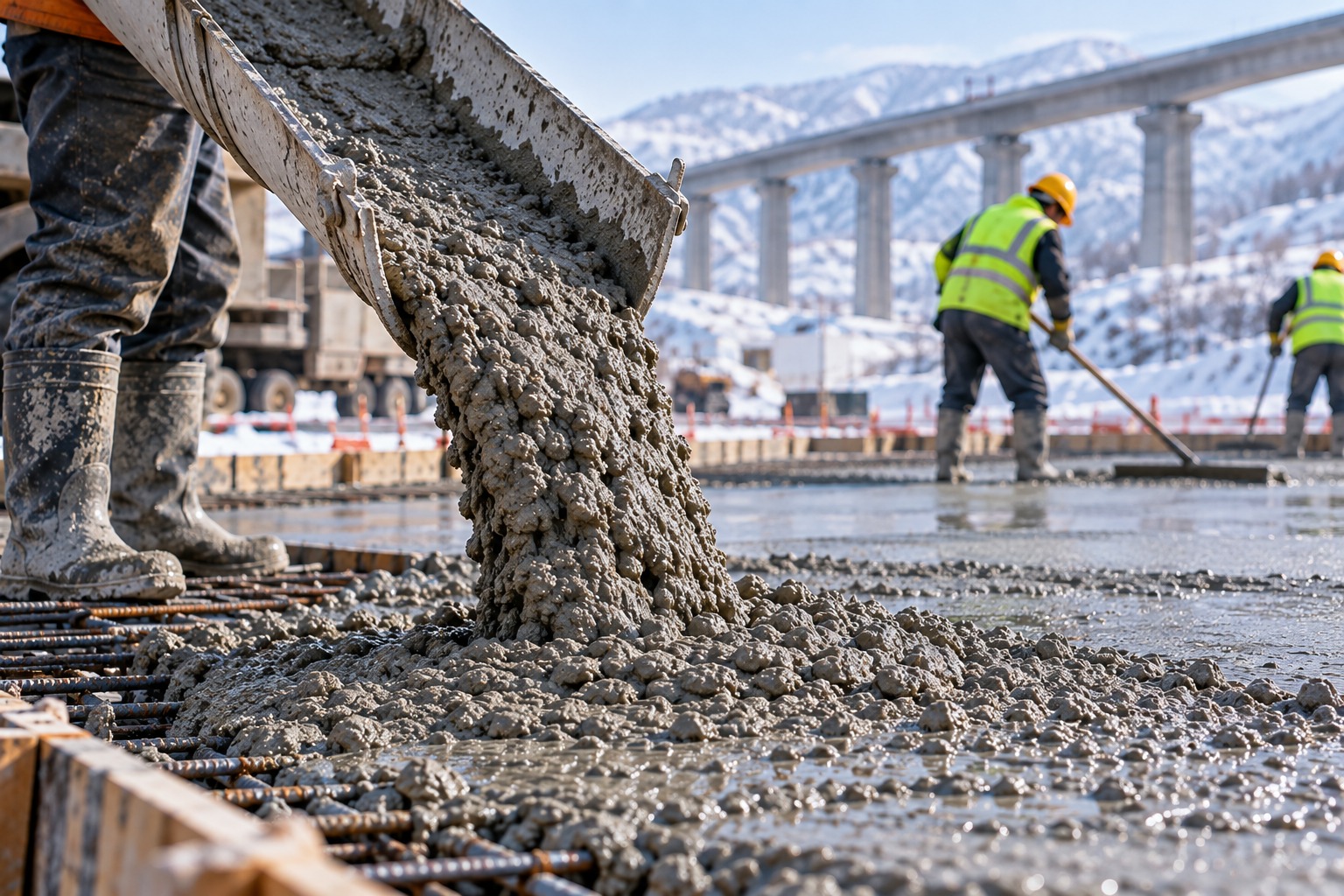
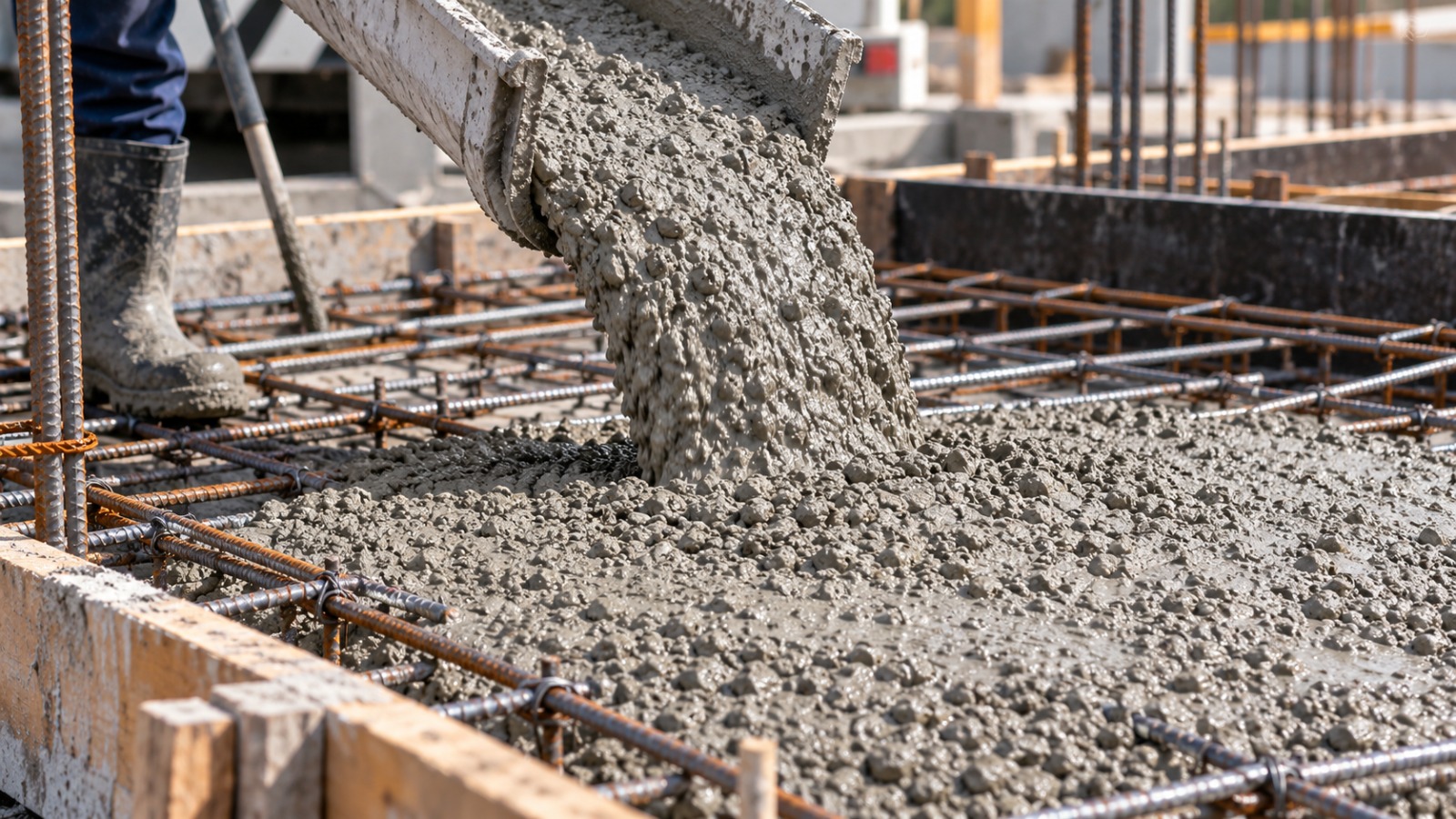
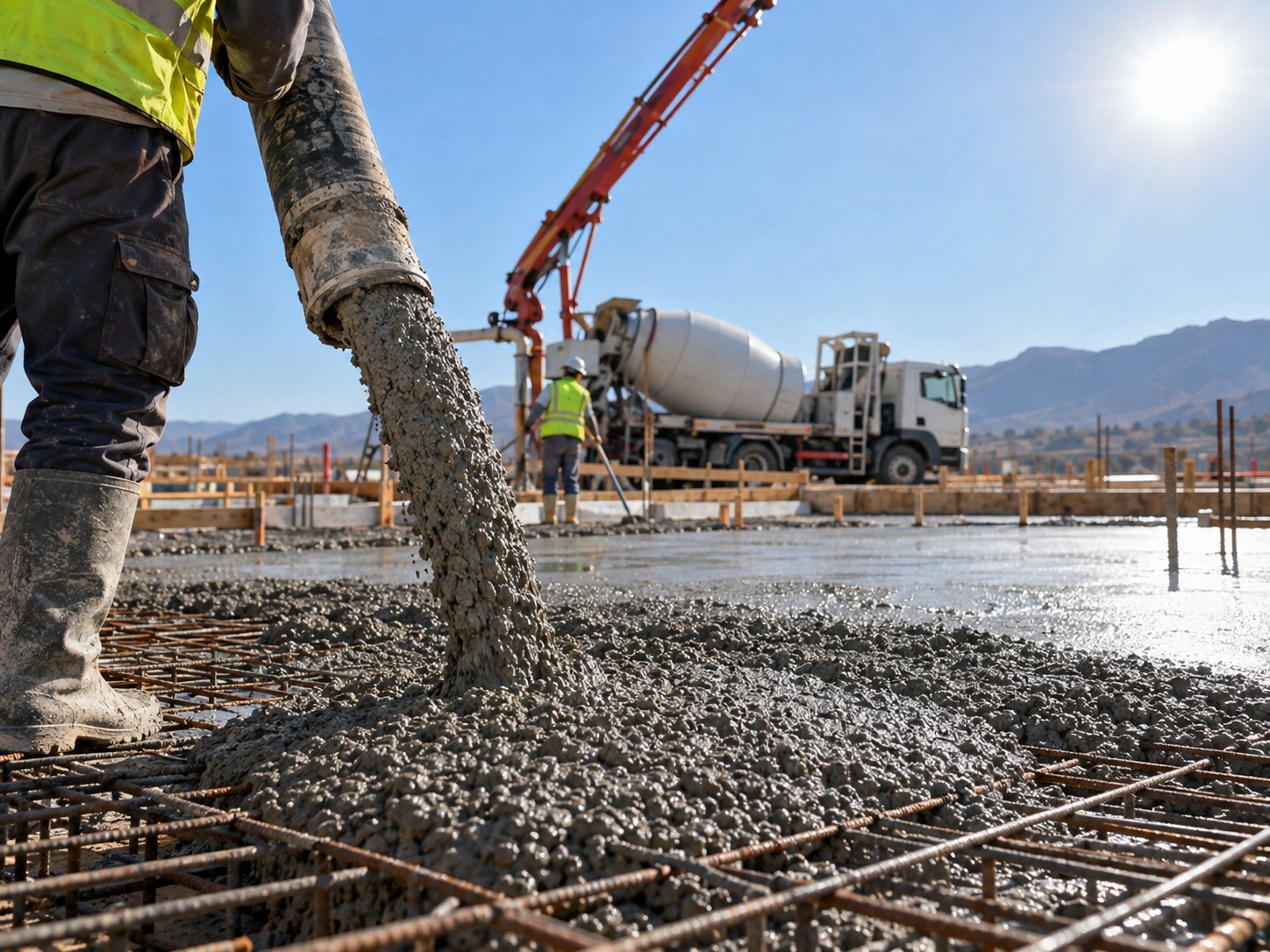
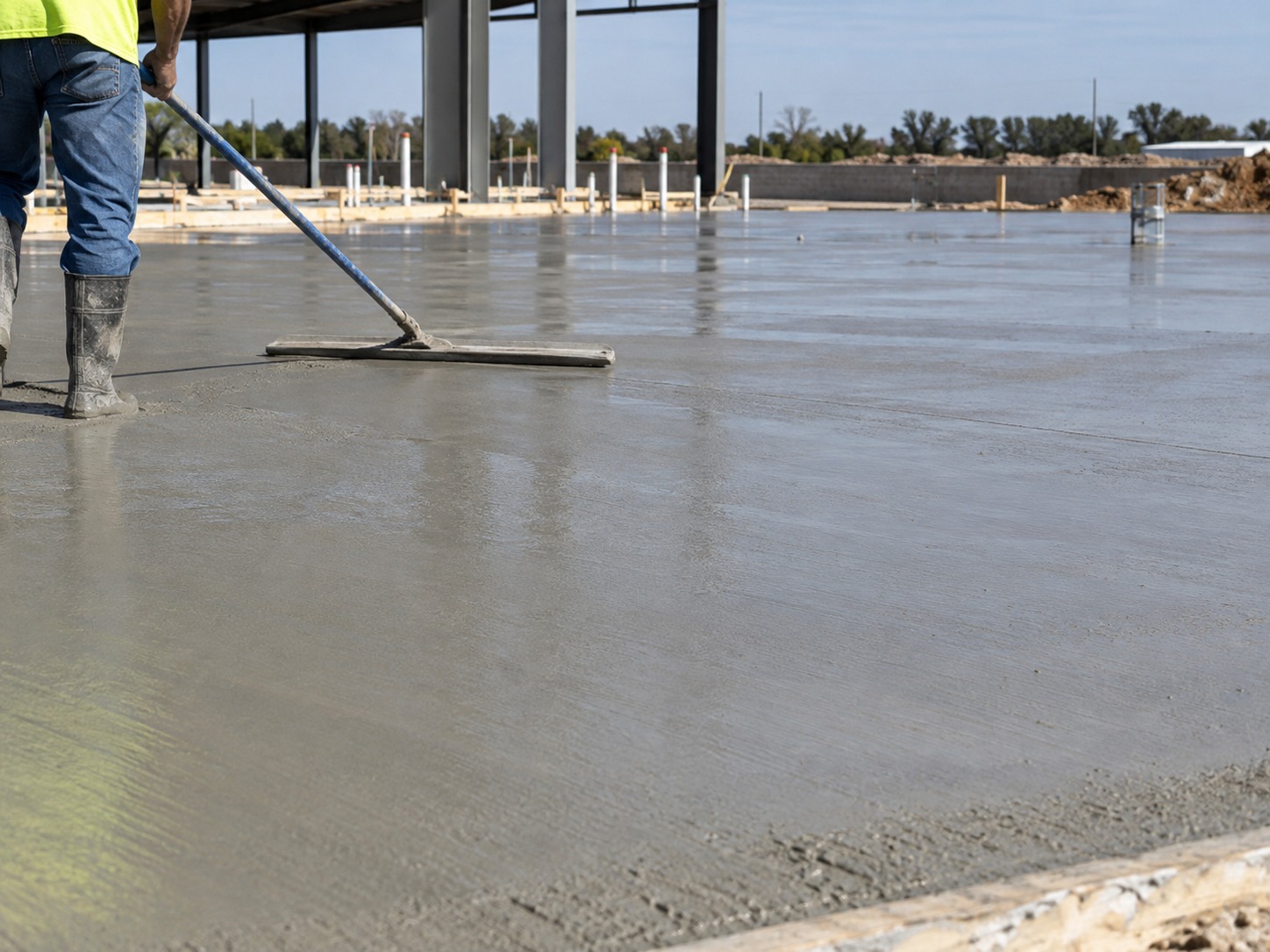
Concrete workability refers to the performance of fresh concrete during mixing, transportation, pumping, placement, and compaction. Highly workable concrete is easier to apply, flows more efficiently within formwork, and forms a more homogeneous structure. For this reason, concrete workability is critically important for both application quality and the final performance of the structure.

One of the most important factors affecting concrete workability is the amount of water in the mixture. In traditional applications, additional water may be introduced to increase workability; however, this can negatively affect concrete strength. Excess water increases the volume of voids within the hardened concrete, potentially causing strength loss, higher permeability, cracking, and long-term durability problems. Modern concrete technology therefore favors solutions that improve workability without unnecessarily increasing water content.

Superplasticizers and high-range water-reducing admixtures are among the most widely used solutions for improving concrete workability. These admixtures help disperse cement particles more uniformly throughout the mixture, increasing flowability and reducing internal friction. This makes it possible to achieve the desired consistency at a lower water-to-cement ratio while preserving or even improving strength and durability.

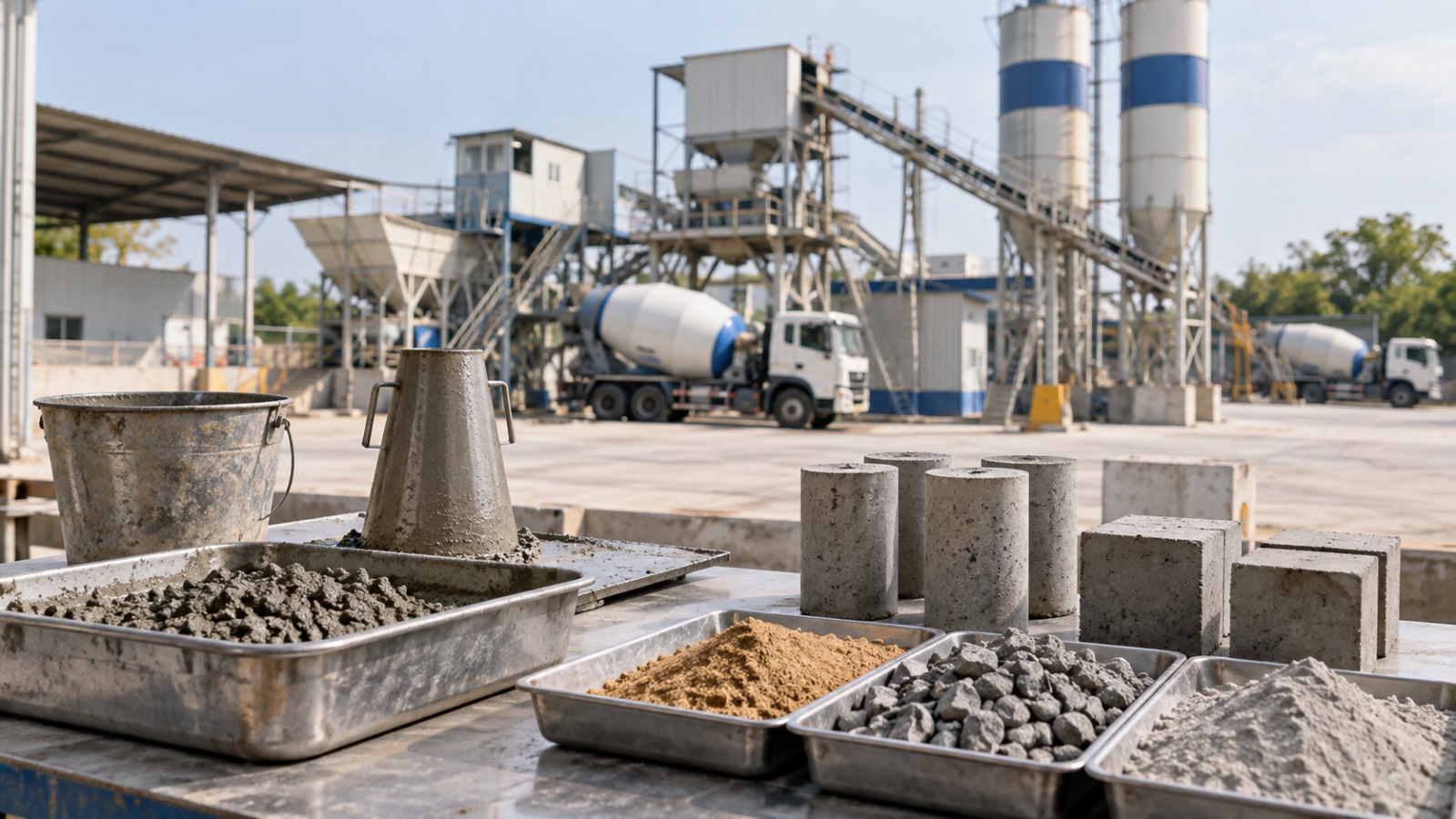
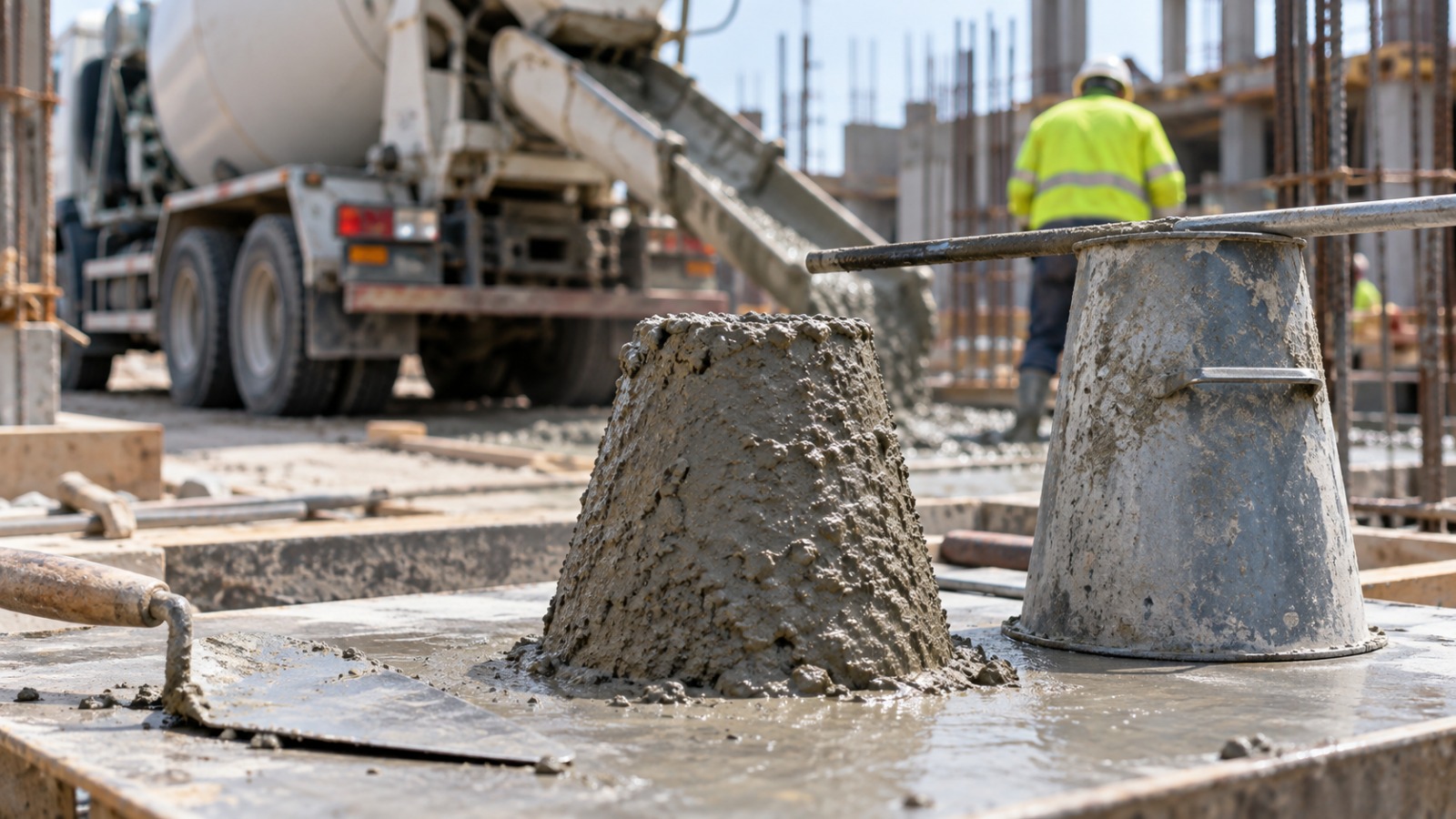
The correct dosage and compatibility of the selected concrete admixture are also essential. The admixture must be suitable for the cement type, supplementary cementitious materials, aggregate characteristics, ambient temperature, transportation time, and required application performance. Laboratory trials and site tests help determine the optimum dosage and reduce the risk of excessive retardation, rapid slump loss, segregation, or bleeding.

Aggregate selection and grading also have a direct effect on workability. Aggregates with a well-balanced particle size distribution help reduce internal voids, improve packing density, and allow the concrete to settle more easily. Properly graded aggregates also help lower segregation risk and reduce the amount of cement paste required to achieve the desired consistency.

The shape and surface texture of aggregates are equally important. Rounded aggregates generally provide better flowability than angular or highly textured materials because they create less internal friction within the mixture. Clean, durable, and high-quality aggregates also improve mixture homogeneity and support more consistent application performance.

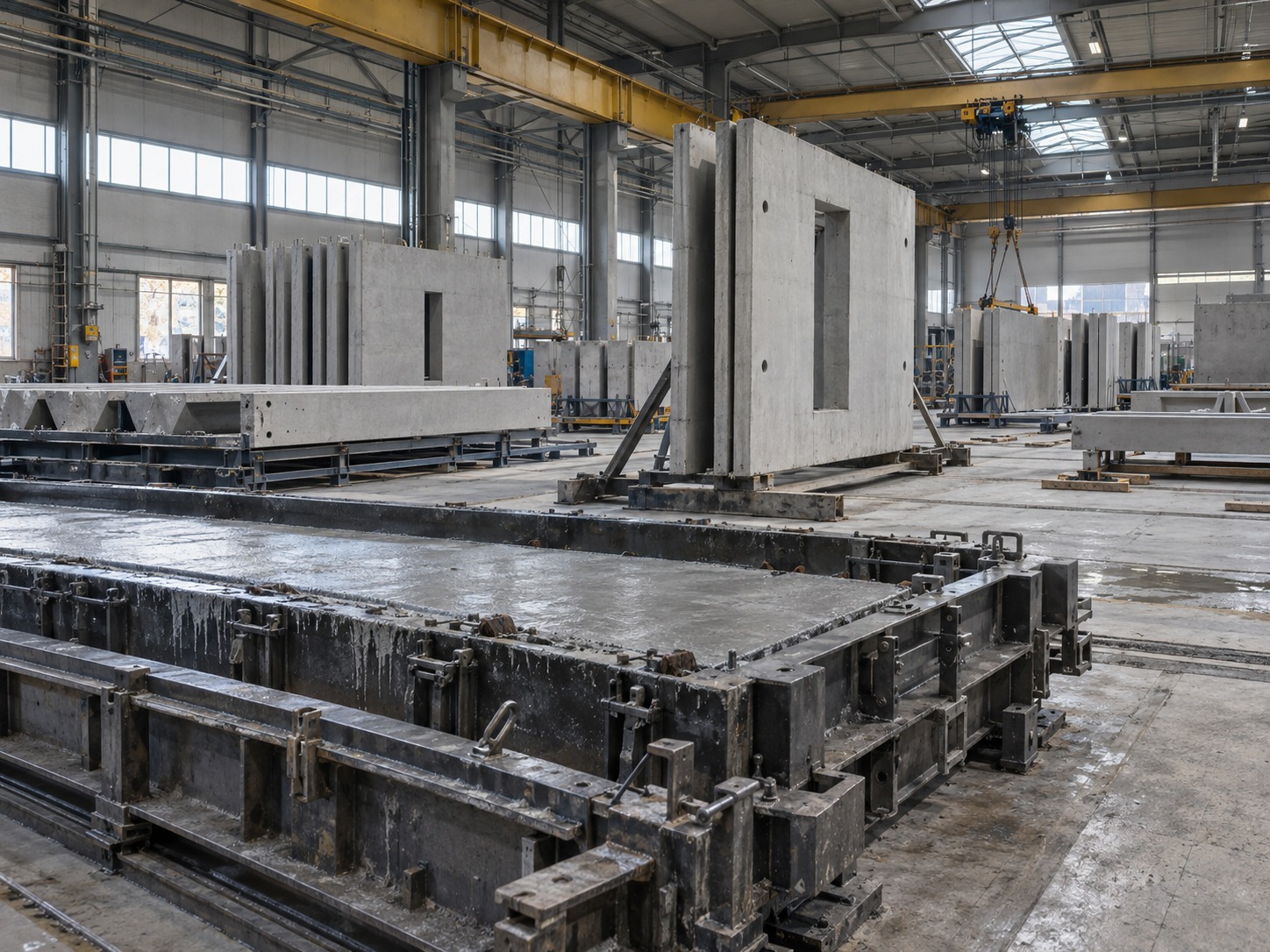
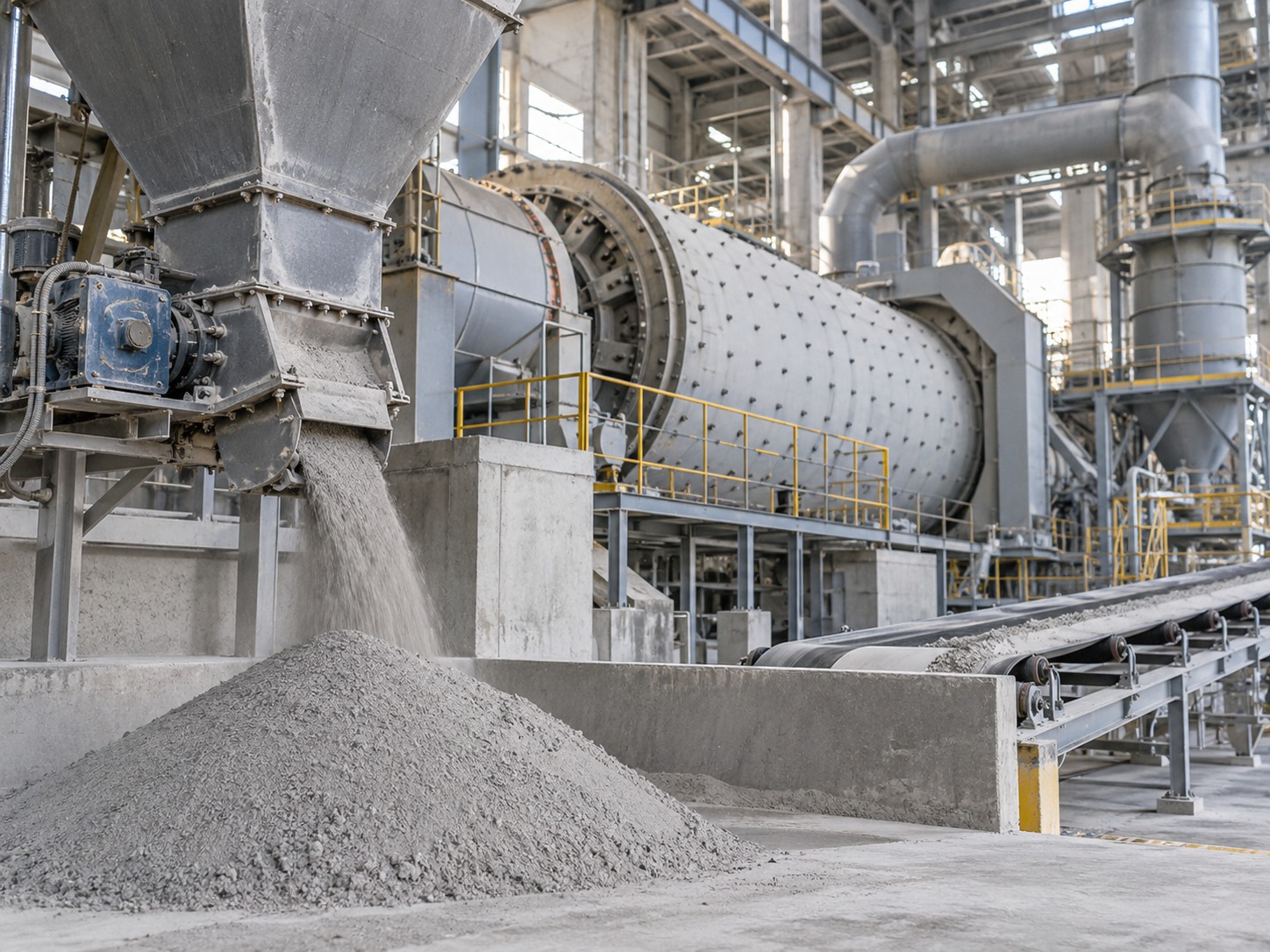
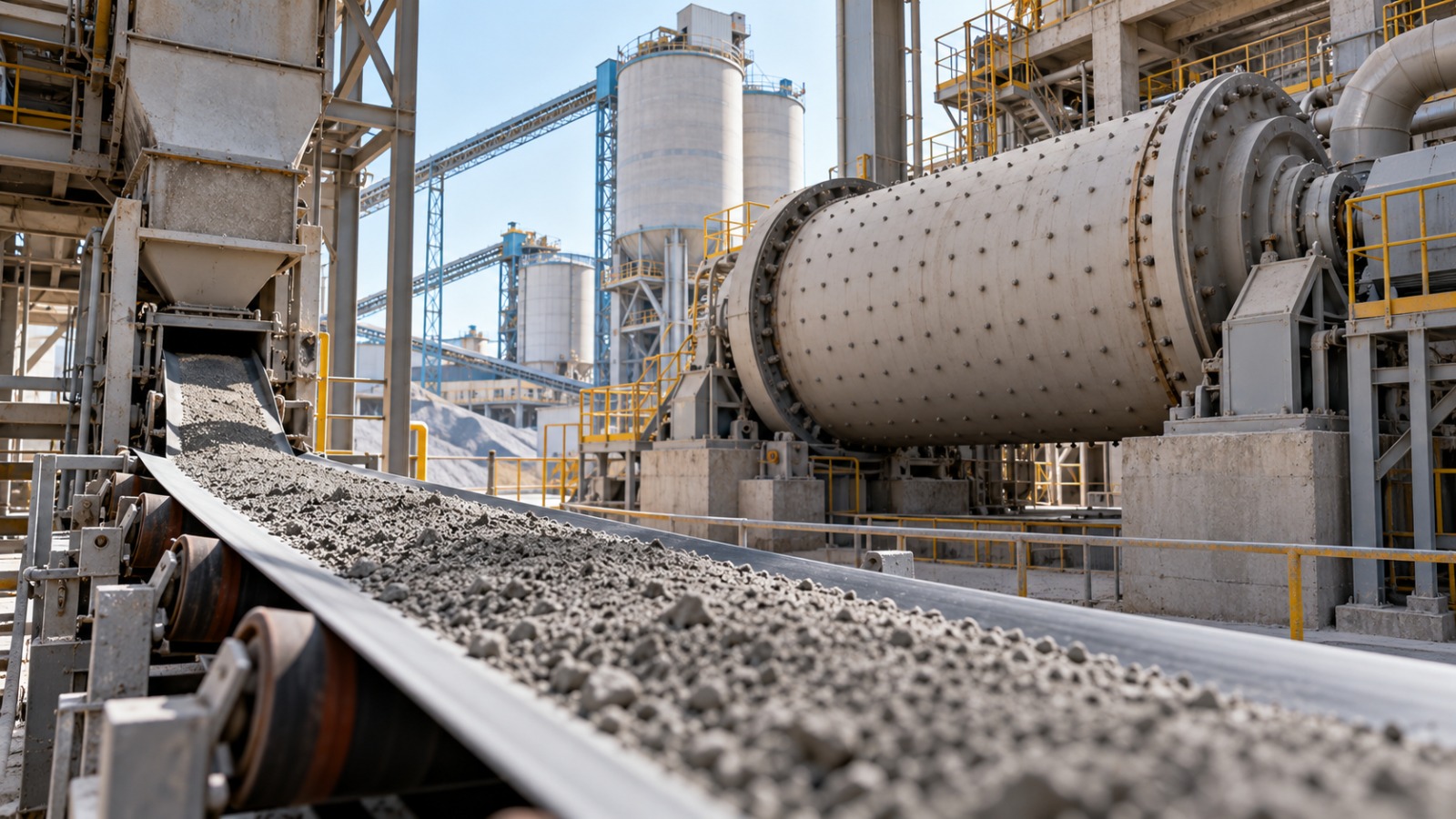
Cement content, paste volume, and overall mix design are other key factors affecting workability. A correctly designed concrete mix can optimize consistency, pumpability, cohesion, placement, and finishing properties without compromising mechanical performance. This is particularly important in ready-mixed concrete plants and precast production facilities, where stable quality must be maintained across repeated batches.

Moisture content in aggregates should be monitored carefully during production. Changes in aggregate moisture can alter the effective water content of the mix and cause variations in slump, strength, and consistency. Accurate moisture correction and controlled batching help maintain predictable fresh concrete performance.

Mixing time and mixing efficiency also influence workability. Insufficient mixing may prevent cement, water, aggregates, and admixtures from being distributed evenly, while excessive mixing can lead to unnecessary temperature increases or slump loss. Proper sequencing of materials and adequate mixing duration are therefore essential for obtaining a uniform concrete mixture.

Transportation and placement conditions should also be considered. Long transportation distances, high ambient temperatures, pumping pressure, waiting times, and site delays can reduce workability. Slump-retaining admixtures, controlled production planning, and suitable logistics help preserve concrete consistency until final placement.

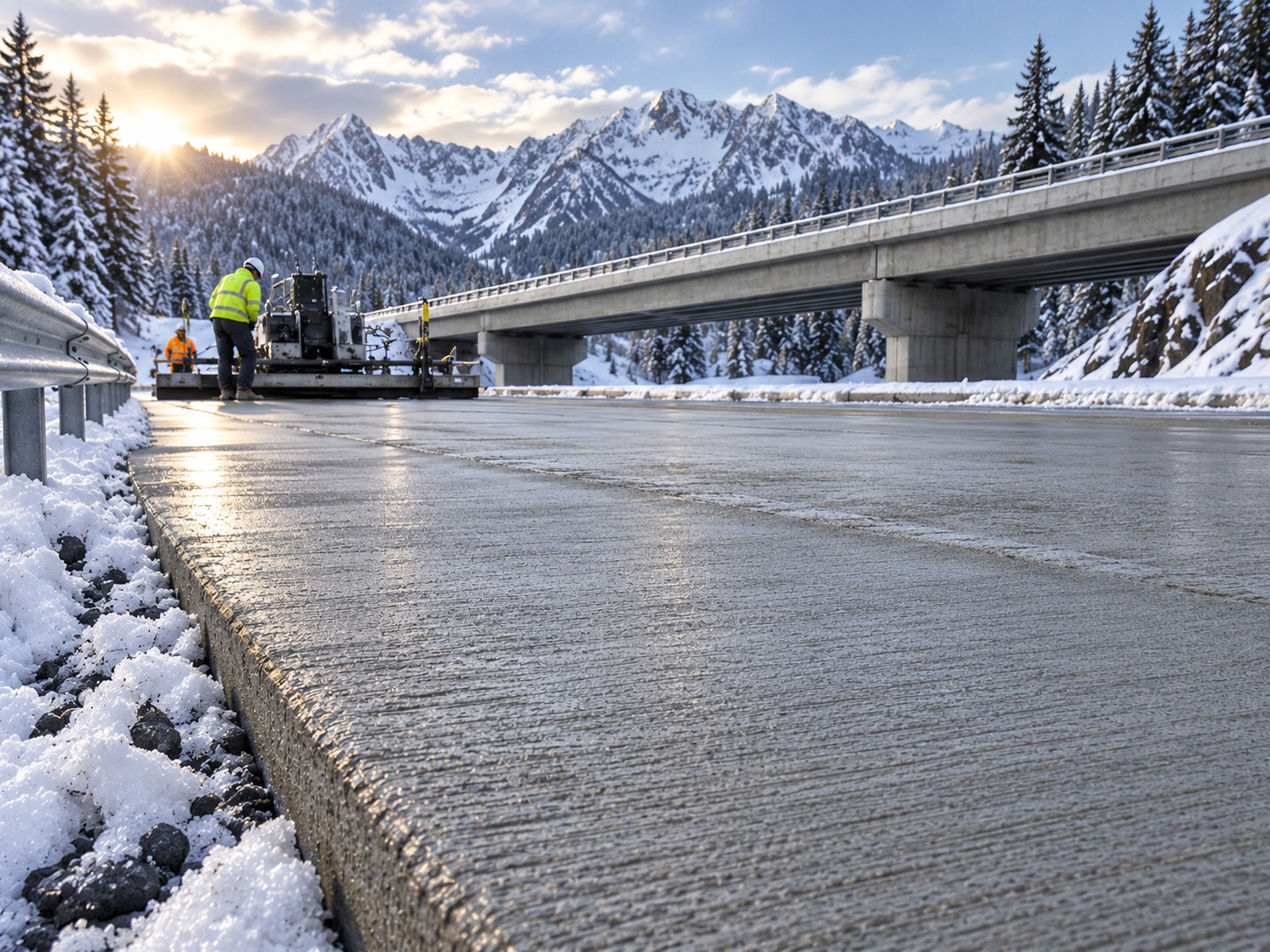
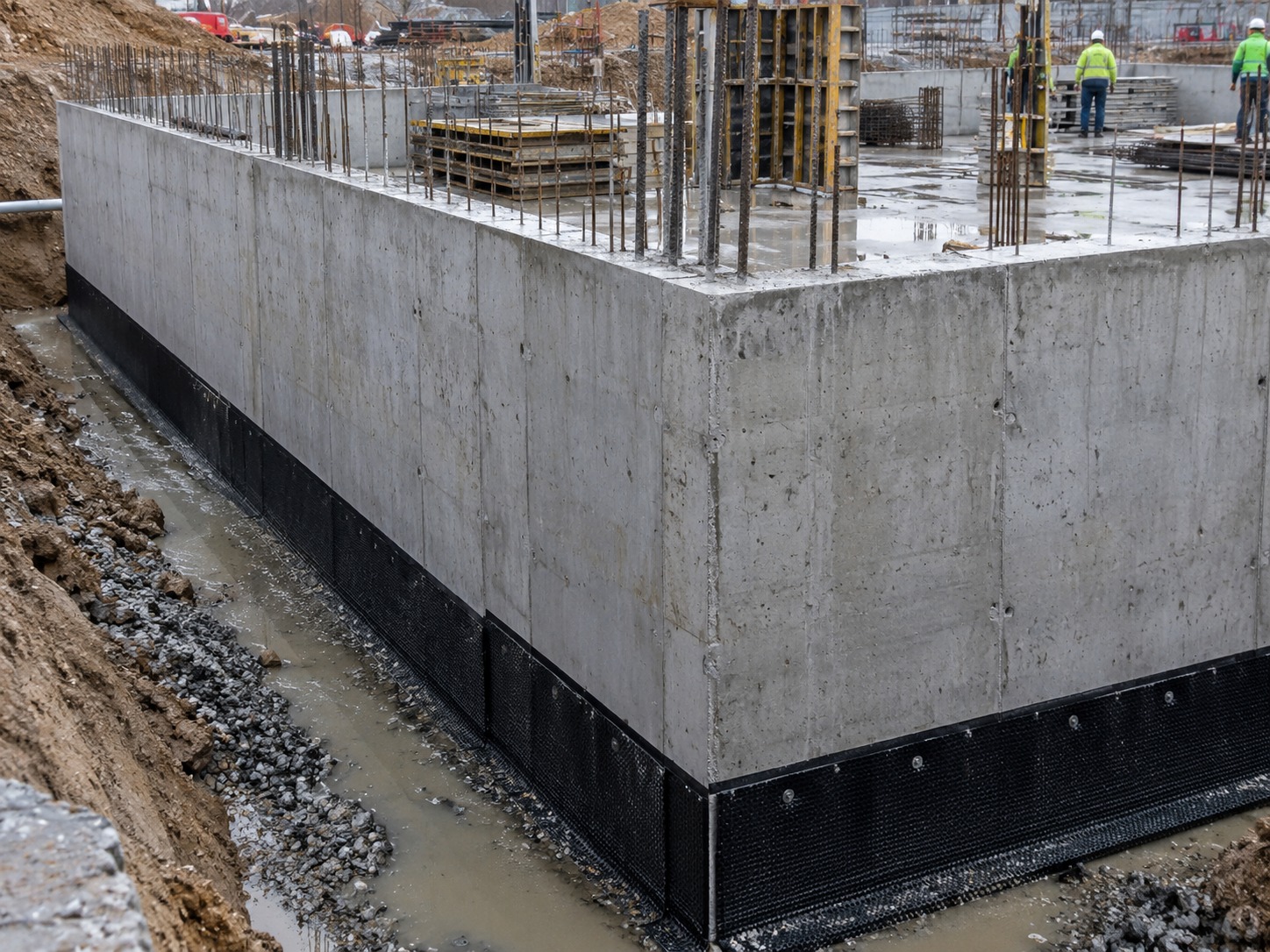
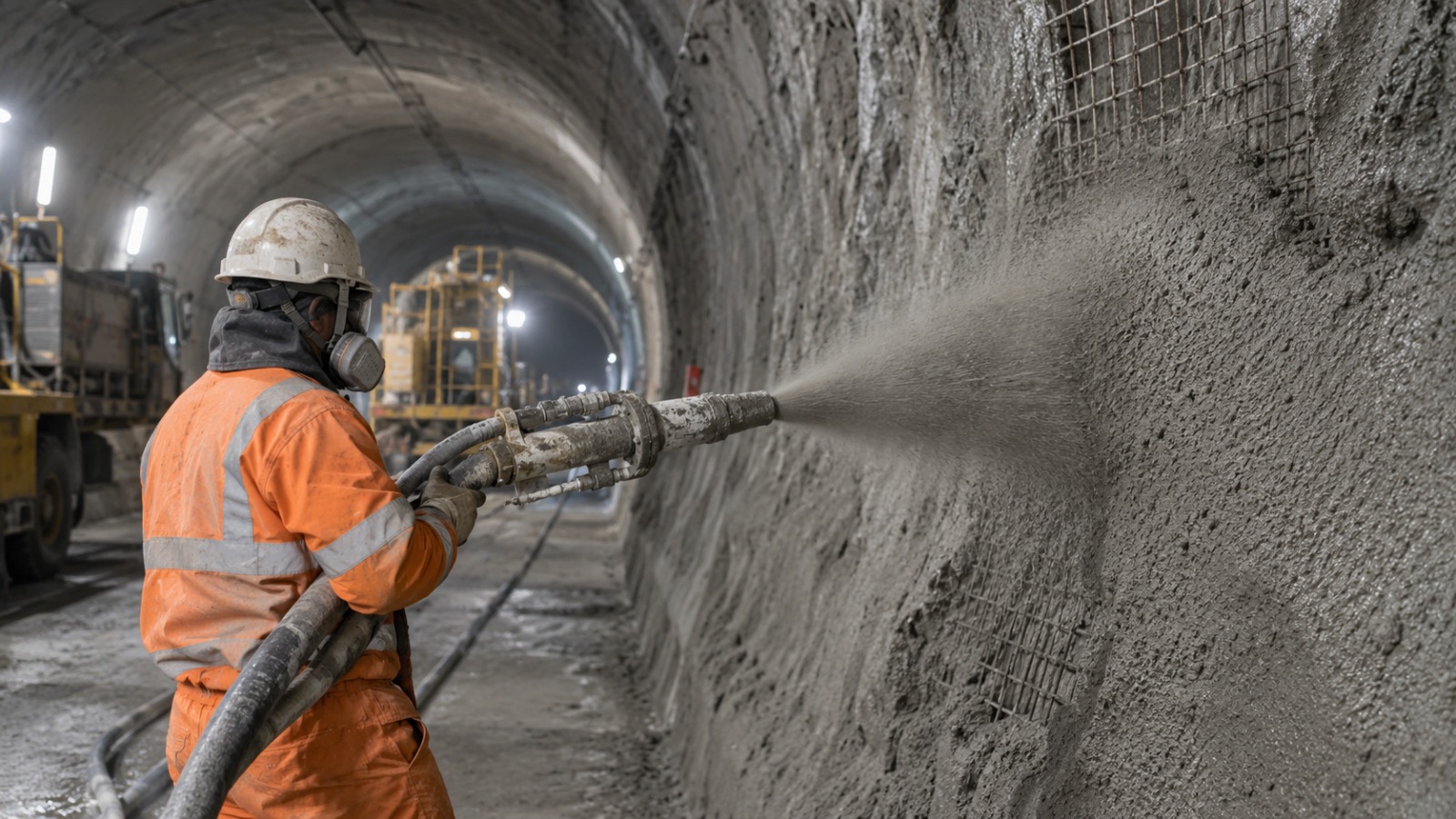
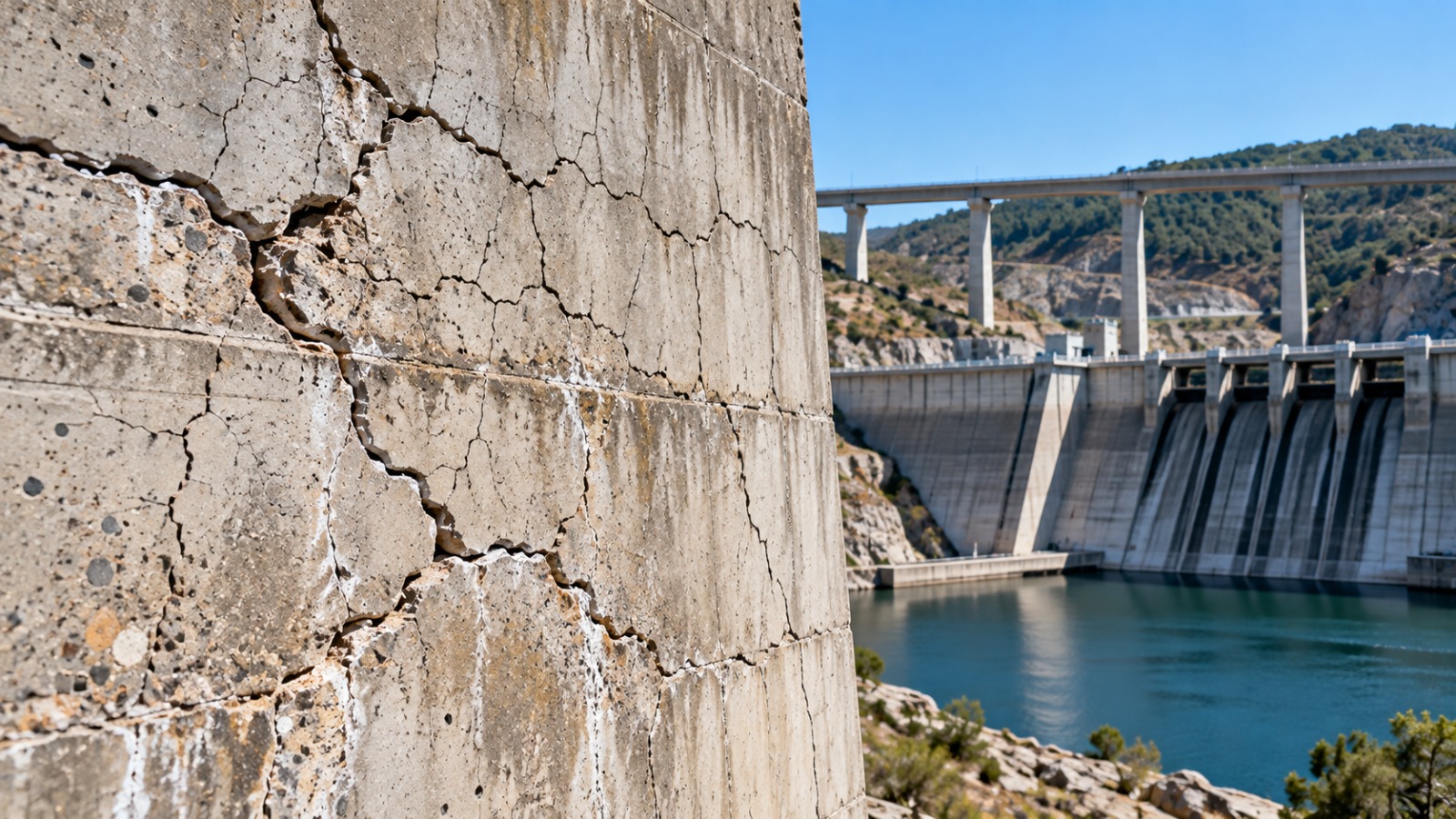
High workability offers major advantages in high-rise buildings, bridges, viaducts, tunnels, precast elements, heavily reinforced structures, and self-compacting concrete applications. Concrete that flows effectively through congested reinforcement and complex formwork can reduce voids, honeycombing, excessive vibration requirements, and labor-related application errors.

However, increasing workability does not simply mean making concrete more fluid. The mixture must maintain sufficient cohesion and stability to prevent segregation, bleeding, and aggregate settlement. The goal is to achieve balanced concrete that is easy to place while preserving strength, uniformity, and long-term durability.

Through the correct selection of concrete admixtures, optimized aggregate grading, precise water control, and a professionally designed mix, it is possible to produce concrete that is more workable, stronger, more durable, and more efficient to apply. For producers seeking high performance in modern construction projects, improving concrete workability is one of the most important factors in achieving consistent quality and successful project outcomes.

Related News

Web Design & Software | COUR Media