English
×
All rights reserved. All content and images used on this website
belong to EMA Kimya and may not be used without permission.
cour
 EMA Kimya | Beton Katkıları, Çimento Katkıları, Yapı Kimyasalları, Süper Akışkanlaştırıcılar, Yüksek Akışkanlaştırıcılar, Beton Yardımcı Katkıları, Beton Koruma Ürünleri, Püskürtme Beton Katkıları, Çimento Performans ve Öğütme Katkıları, Priz Hızlandırıcılar, Priz Geciktiriciler, Hava Sürükleyici Katkılar, Beton Dayanım Artırıcı Katkılar, Endüstriyel Yapı Kimyasalları, Hazır Beton Tesisleri, Prefabrik Beton Üretimi, Çimento Fabrikaları, Beton Santralleri, Köprü, Tünel, Baraj, Yol, Metro, Havalimanı, Viyadük ve Büyük Ölçekli Altyapı Projeleri İçin Yüksek Performanslı Beton ve Çimento Teknolojileri, Teknik Destek, Üretim ve Maliyet Danışmanlığı Hizmetleri  EMA Kimya | Beton Katkıları, Çimento Katkıları, Yapı Kimyasalları, Süper Akışkanlaştırıcılar, Yüksek Akışkanlaştırıcılar, Beton Yardımcı Katkıları, Beton Koruma Ürünleri, Püskürtme Beton Katkıları, Çimento Performans ve Öğütme Katkıları, Priz Hızlandırıcılar, Priz Geciktiriciler, Hava Sürükleyici Katkılar, Beton Dayanım Artırıcı Katkılar, Endüstriyel Yapı Kimyasalları, Hazır Beton Tesisleri, Prefabrik Beton Üretimi, Çimento Fabrikaları, Beton Santralleri, Köprü, Tünel, Baraj, Yol, Metro, Havalimanı, Viyadük ve Büyük Ölçekli Altyapı Projeleri İçin Yüksek Performanslı Beton ve Çimento Teknolojileri, Teknik Destek, Üretim ve Maliyet Danışmanlığı Hizmetleri
EMA Kimya | Beton Katkıları, Çimento Katkıları, Yapı Kimyasalları, Süper Akışkanlaştırıcılar, Yüksek Akışkanlaştırıcılar, Beton Yardımcı Katkıları, Beton Koruma Ürünleri, Püskürtme Beton Katkıları, Çimento Performans ve Öğütme Katkıları, Priz Hızlandırıcılar, Priz Geciktiriciler, Hava Sürükleyici Katkılar, Beton Dayanım Artırıcı Katkılar, Endüstriyel Yapı Kimyasalları, Hazır Beton Tesisleri, Prefabrik Beton Üretimi, Çimento Fabrikaları, Beton Santralleri, Köprü, Tünel, Baraj, Yol, Metro, Havalimanı, Viyadük ve Büyük Ölçekli Altyapı Projeleri İçin Yüksek Performanslı Beton ve Çimento Teknolojileri, Teknik Destek, Üretim ve Maliyet Danışmanlığı Hizmetleri

"Strength in Every Mix,
Quality in Every Drop"

×

Quality, reliability, and a commitment to sustainable production.

We provide professional solutions in concrete admixtures and construction chemicals.

Menu

Quality, reliability, and a commitment to sustainable production.

We provide professional solutions in concrete admixtures and construction chemicals.

16 Haziran 2026

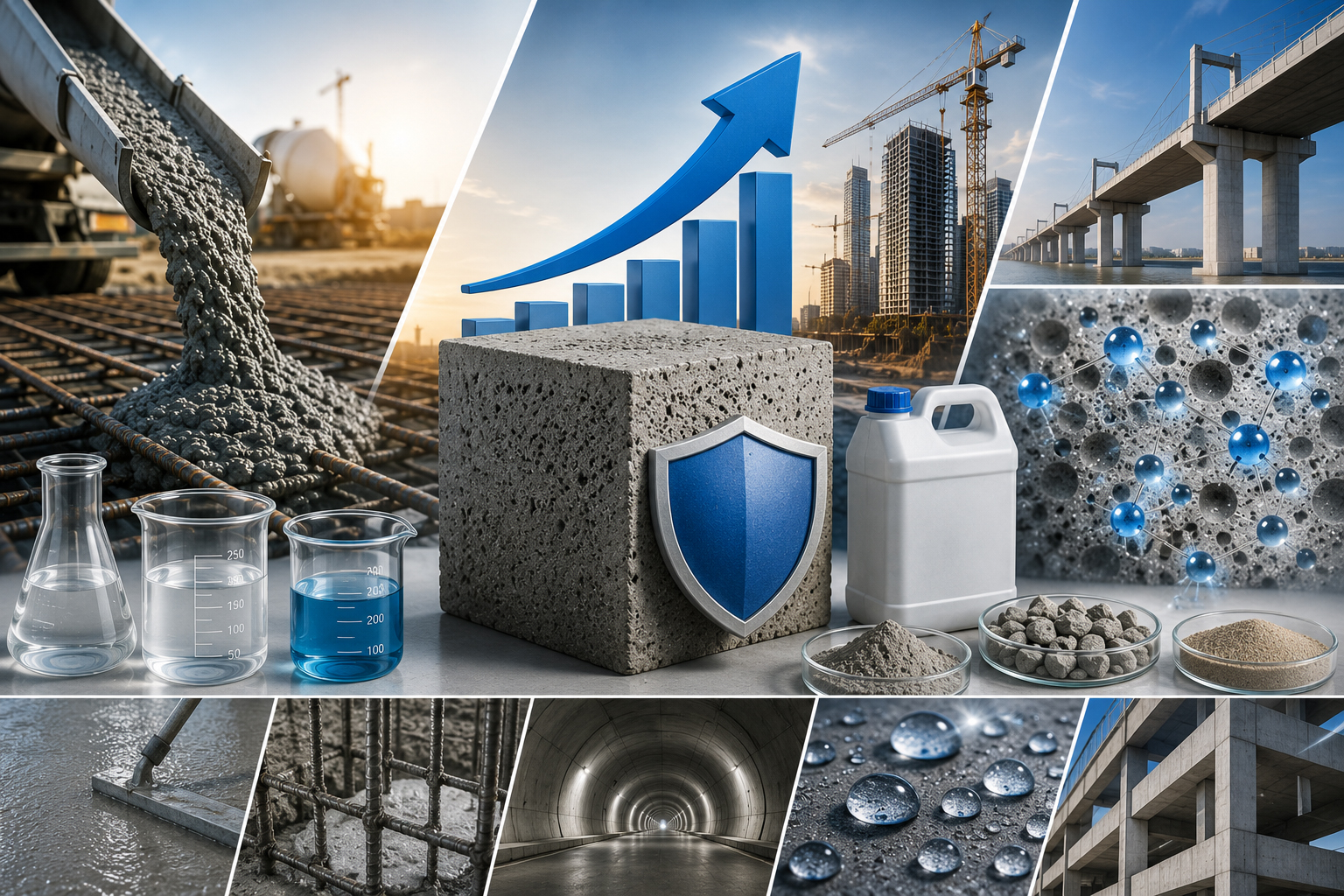
As the construction industry has advanced, concrete technology has undergone a major transformation. Today, conventional concrete mixtures consisting only of cement, water, and aggregates may not be sufficient to meet the technical and performance requirements of many modern projects. Concrete admixtures have therefore become essential construction chemicals that improve concrete performance and provide specific properties according to the intended application.

Concrete admixtures are chemical or mineral products added to the mixture during production to modify and improve the properties of concrete in both its fresh and hardened states. They can increase workability, improve strength, control setting time, reduce water demand, enhance durability, and protect concrete against environmental exposure.

The use of concrete admixtures has become indispensable in large-scale projects, high-rise buildings, bridges, tunnels, dams, industrial facilities, transportation structures, and major infrastructure developments. They allow concrete producers and engineers to design mixtures that meet demanding technical, operational, and environmental requirements.

What Do Concrete Admixtures Do?

Concrete admixtures are used to modify one or more properties of the concrete mixture. Depending on the product type and formulation, they may improve flowability, maintain slump, accelerate or delay setting, increase early or final strength, reduce permeability, control air content, improve cohesion, and enhance resistance to aggressive exposure conditions.

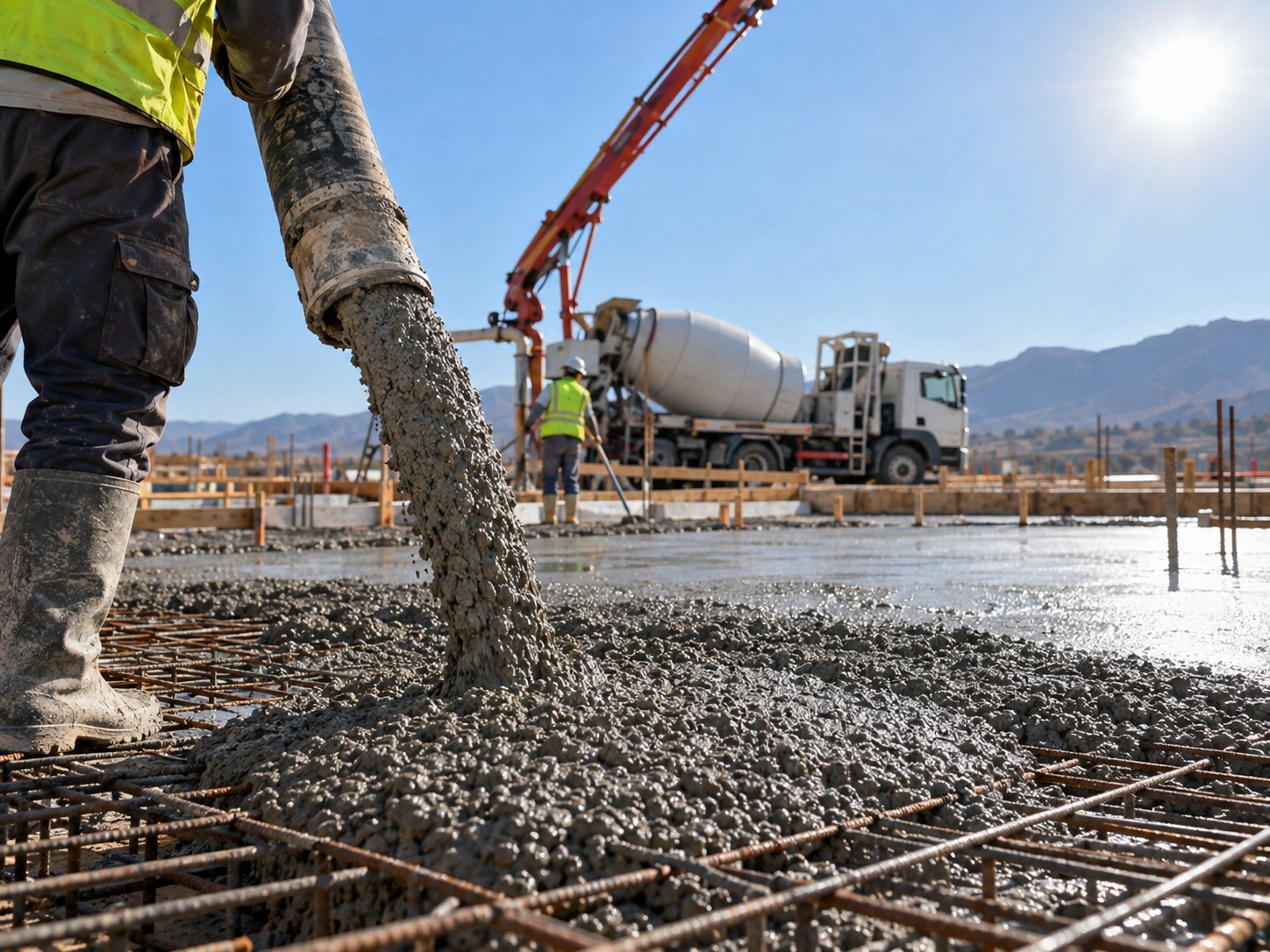
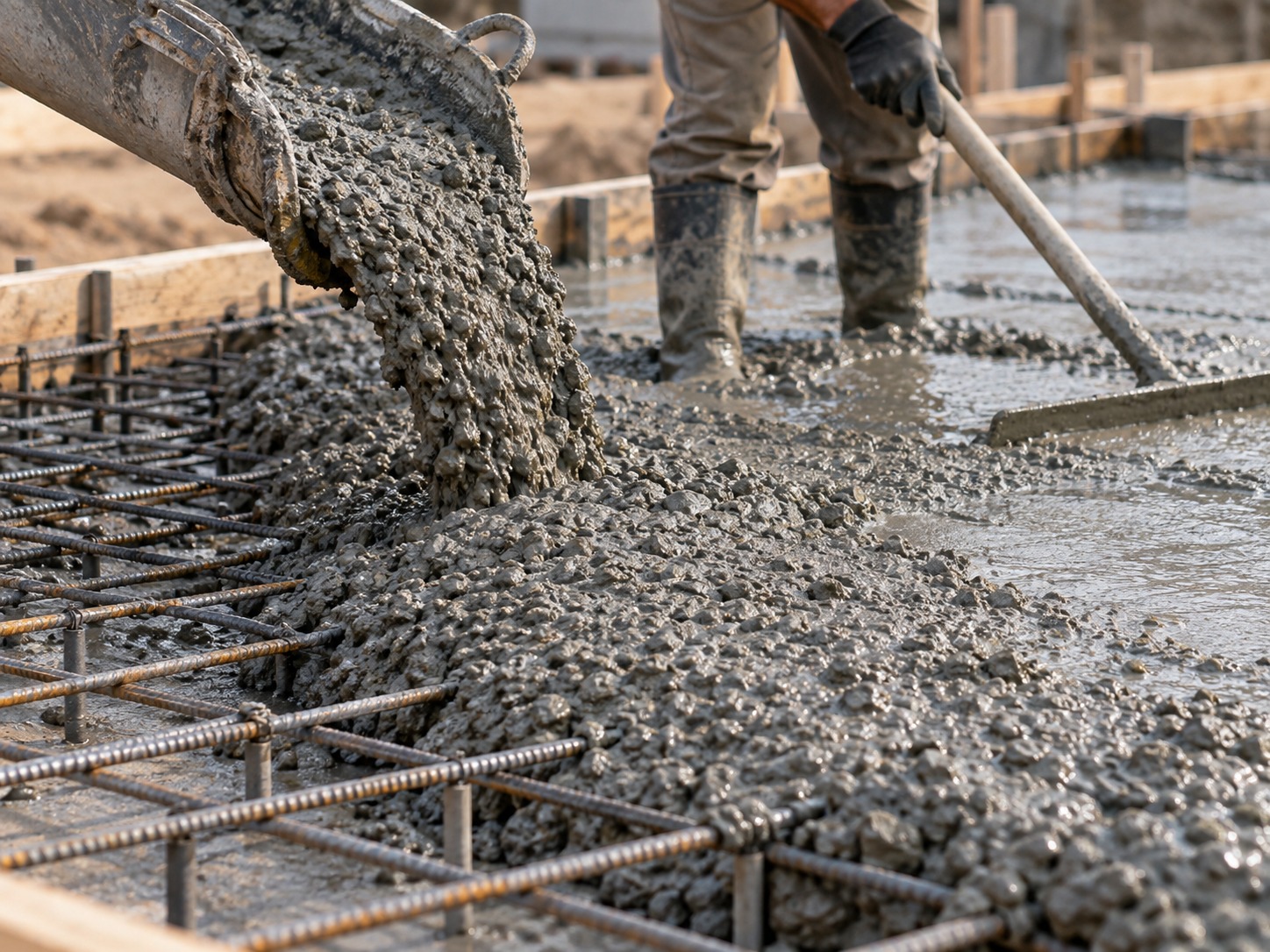
They also help improve production and application efficiency. Concrete that is easier to mix, transport, pump, place, compact, and finish can reduce labor requirements, shorten construction times, minimize application errors, and support more consistent quality.

The effectiveness of an admixture depends on correct product selection, dosage, cement compatibility, aggregate characteristics, water quality, ambient temperature, transportation time, and the overall concrete mix design.

Superplasticizers

Superplasticizers are among the most widely used high-performance concrete admixtures. They significantly increase flowability while reducing water demand, making it possible to produce highly workable concrete at a lower water-to-cement ratio.

A lower water-to-cement ratio contributes to increased compressive strength, reduced permeability, improved durability, and a denser concrete matrix. Superplasticizers also improve pumpability, placeability, and formwork filling performance.

They are commonly used in ready-mixed concrete, precast production, high-rise buildings, bridges, tunnels, heavily reinforced structures, complex formwork, high-strength concrete, and self-compacting concrete applications.

High-Range Water-Reducing Admixtures

High-range water-reducing admixtures provide substantial water reduction while preserving or improving workability. Although the term is often used in connection with superplasticizers, these products may be formulated for different performance targets such as high initial flow, extended slump retention, rapid early strength, or controlled setting behavior.

They are particularly valuable in concrete mixtures requiring low water content, high strength, excellent placement performance, and reliable durability. Their use supports efficient production and more consistent quality in demanding structural and infrastructure applications.

Set-Accelerating Admixtures

Set accelerators are used to shorten setting time and support faster early strength development. They are preferred in applications requiring rapid demolding, short production cycles, emergency repairs, cold-weather concreting, and faster project progress.

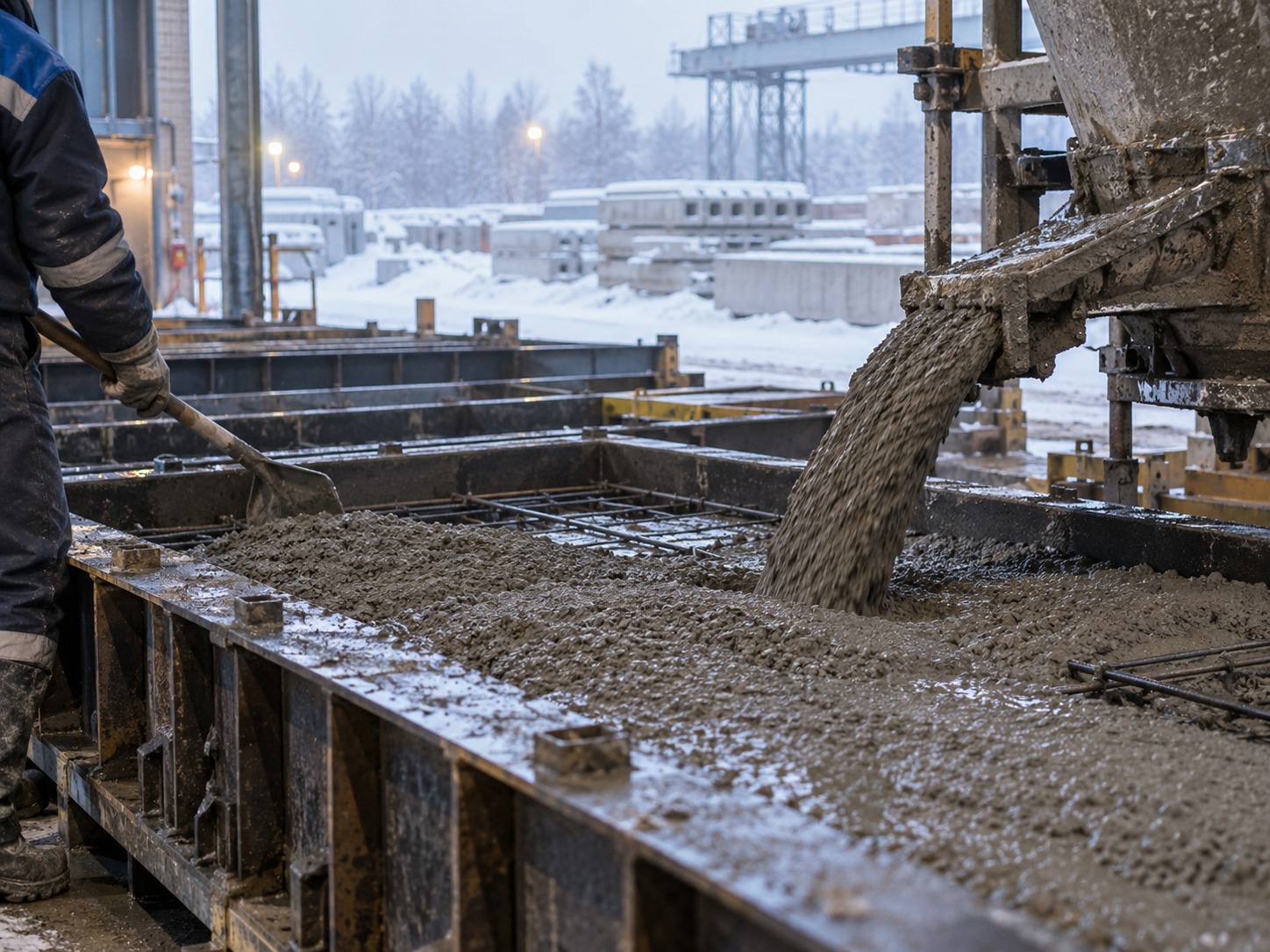
These admixtures are widely used in precast concrete facilities, ready-mixed concrete production, industrial repairs, infrastructure projects, tunnel works, and low-temperature applications. They help reduce waiting times and improve operational efficiency.

The correct dosage is essential because excessive acceleration may reduce workability or create placement difficulties. Laboratory and field trials should be conducted before full-scale use.

Set-Retarding Admixtures

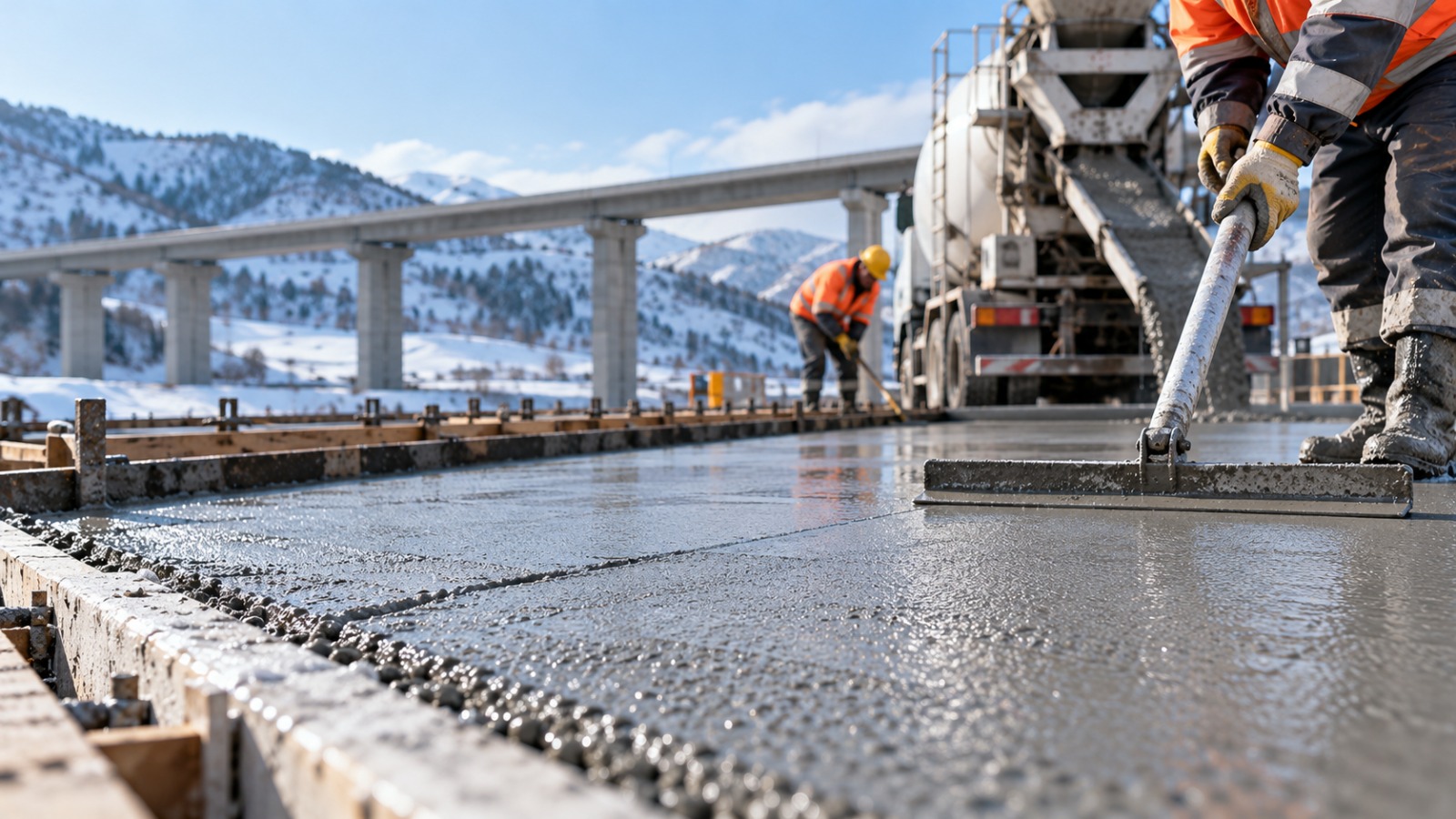
Set retarders delay the setting process in a controlled manner and help concrete remain workable for longer periods. They are commonly used in hot weather, long-distance transportation, mass concrete pours, large foundations, bridges, dams, and applications requiring extended pumping and placement times.

Retarding admixtures help reduce the risk of premature stiffening, rapid slump loss, cold joints, and application difficulties. They also provide greater flexibility in production and site planning.

Air-Entraining Admixtures

Air-entraining admixtures create uniformly distributed microscopic air voids within the concrete matrix. These voids help relieve internal pressure caused by freezing water and improve resistance to repeated freeze-thaw cycles.

They are especially important in roads, bridges, airport pavements, dams, outdoor structures, and concrete exposed to cold climates, moisture, and de-icing salts. Air entrainment can also improve workability and mixture cohesion.

Air content must be carefully controlled because excessive air may reduce compressive strength. The required level should be determined according to exposure conditions and project specifications.

Water-Reducing Admixtures

Water-reducing admixtures lower the amount of water required to achieve a specific consistency. They improve workability and strength while helping create a denser and less permeable concrete structure.

These products are widely used in general ready-mixed concrete, residential and commercial buildings, foundations, shear walls, precast elements, industrial structures, and infrastructure projects.

The amount of water reduction depends on the admixture technology, cement compatibility, dosage, and mix design.

Waterproofing and Permeability-Reducing Admixtures

Waterproofing and permeability-reducing admixtures are used to limit water absorption and penetration through concrete. They help improve resistance to moisture, hydrostatic pressure, aggressive liquids, and environmental exposure.

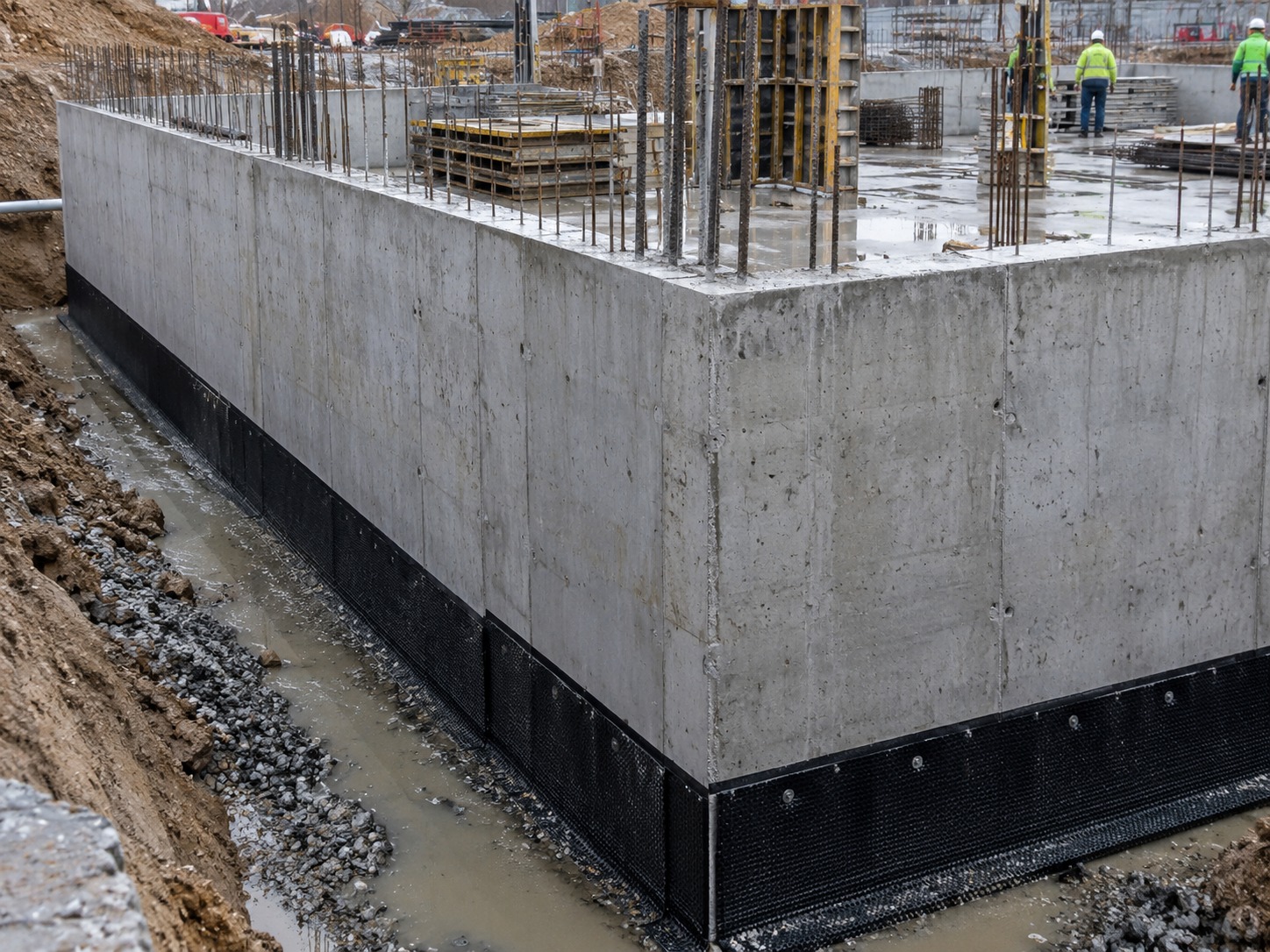
They are commonly used in foundations, basements, tunnels, water tanks, retaining walls, dams, swimming pools, underground structures, and wastewater facilities.

These admixtures should be used as part of a complete waterproofing strategy that may also include proper joint design, crack control, surface protection, and professional application.

Strength-Enhancing Admixtures

Strength-enhancing admixtures improve early-age, final, or overall mechanical performance. They may support more effective cement utilization, better particle dispersion, denser concrete structure, and lower permeability.

These products are used in high-strength concrete, high-rise construction, bridges, viaducts, industrial floors, precast elements, heavy-duty structures, and projects requiring high load-bearing capacity.

Workability-Retaining Admixtures

Workability-retaining admixtures help concrete preserve its consistency during long transportation periods, high temperatures, pumping operations, and delayed placement.

They are especially useful in ready-mixed concrete production, large urban projects, long-distance deliveries, hot-weather applications, and complex logistics. They reduce the need for uncontrolled water addition at the construction site.

Viscosity-Modifying and Cohesion-Enhancing Admixtures

Viscosity-modifying admixtures improve mixture stability, cohesion, and resistance to segregation and bleeding. They are often used in self-compacting concrete, pumped concrete, underwater concrete, grouts, and mixtures containing variable aggregate grading.

These products help concrete maintain uniformity while flowing through complex formwork and congested reinforcement. They can also improve surface quality and reduce void formation.

Mineral Admixtures

Mineral admixtures, also known as supplementary cementitious materials, include materials such as fly ash, silica fume, ground granulated blast-furnace slag, and natural pozzolans.

They can improve particle packing, later-age strength, durability, chemical resistance, and sustainability. Depending on their characteristics, they may also reduce permeability, hydration heat, and clinker consumption.

Mineral admixtures must be carefully selected and proportioned because they can affect setting time, workability, strength development, and admixture compatibility.

Main Application Areas

Concrete admixtures are used across a broad range of construction and production environments, including:

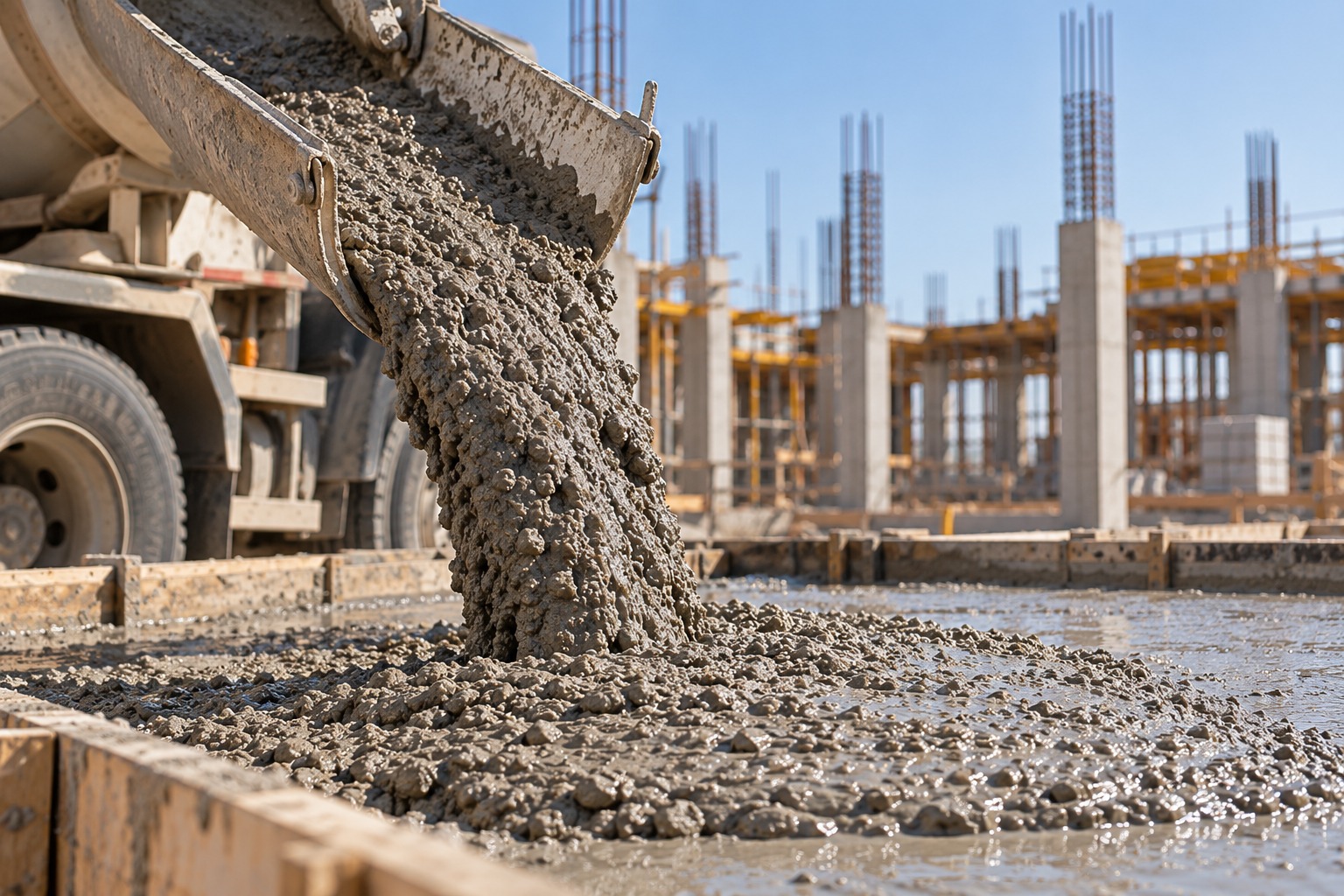
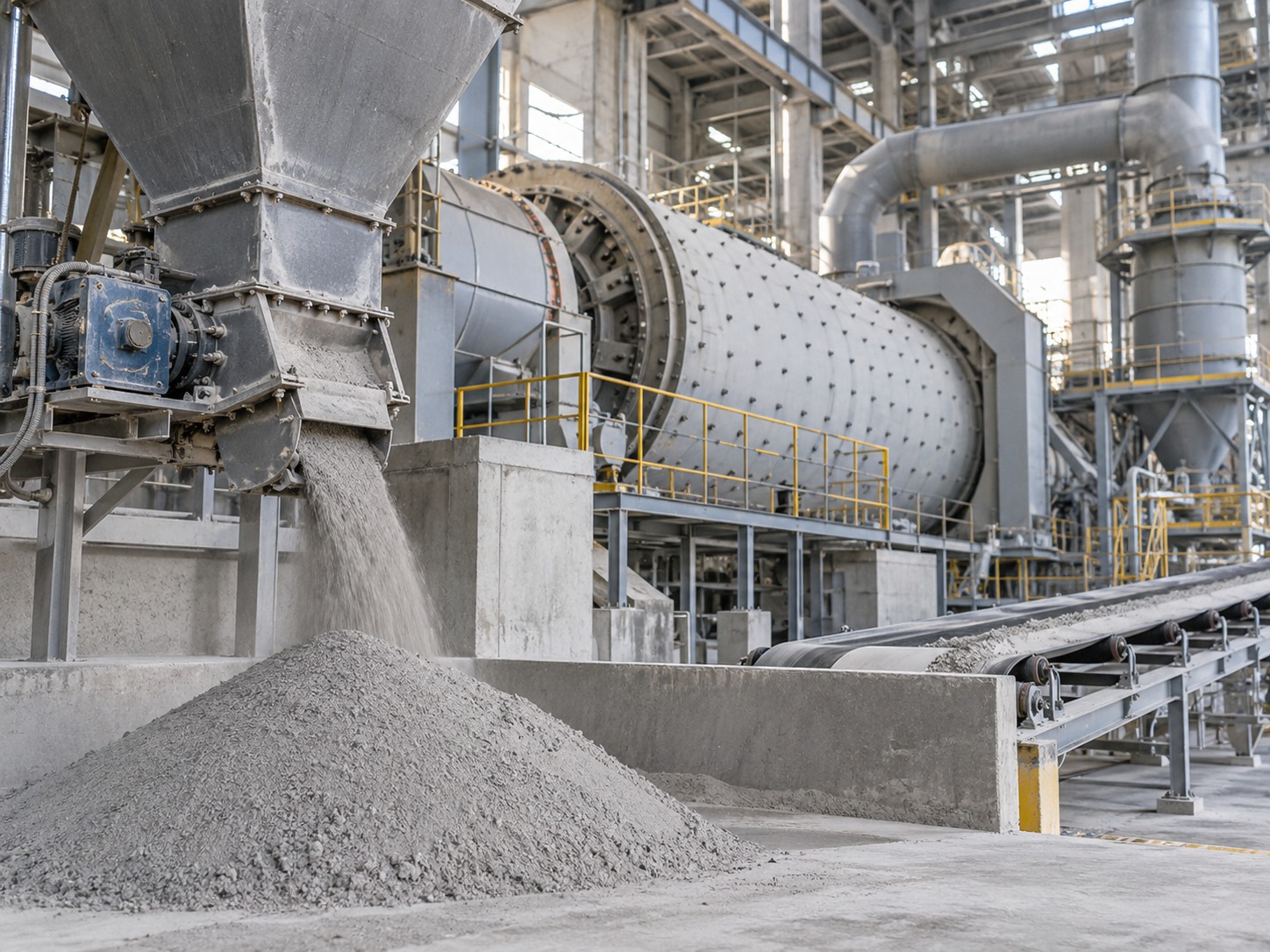
Ready-mixed concrete plants and precast production facilities use admixtures to improve production consistency, workability, strength, surface quality, and cycle times.

Residential and commercial projects use them in foundations, slabs, columns, beams, shear walls, façades, and general structural concrete.

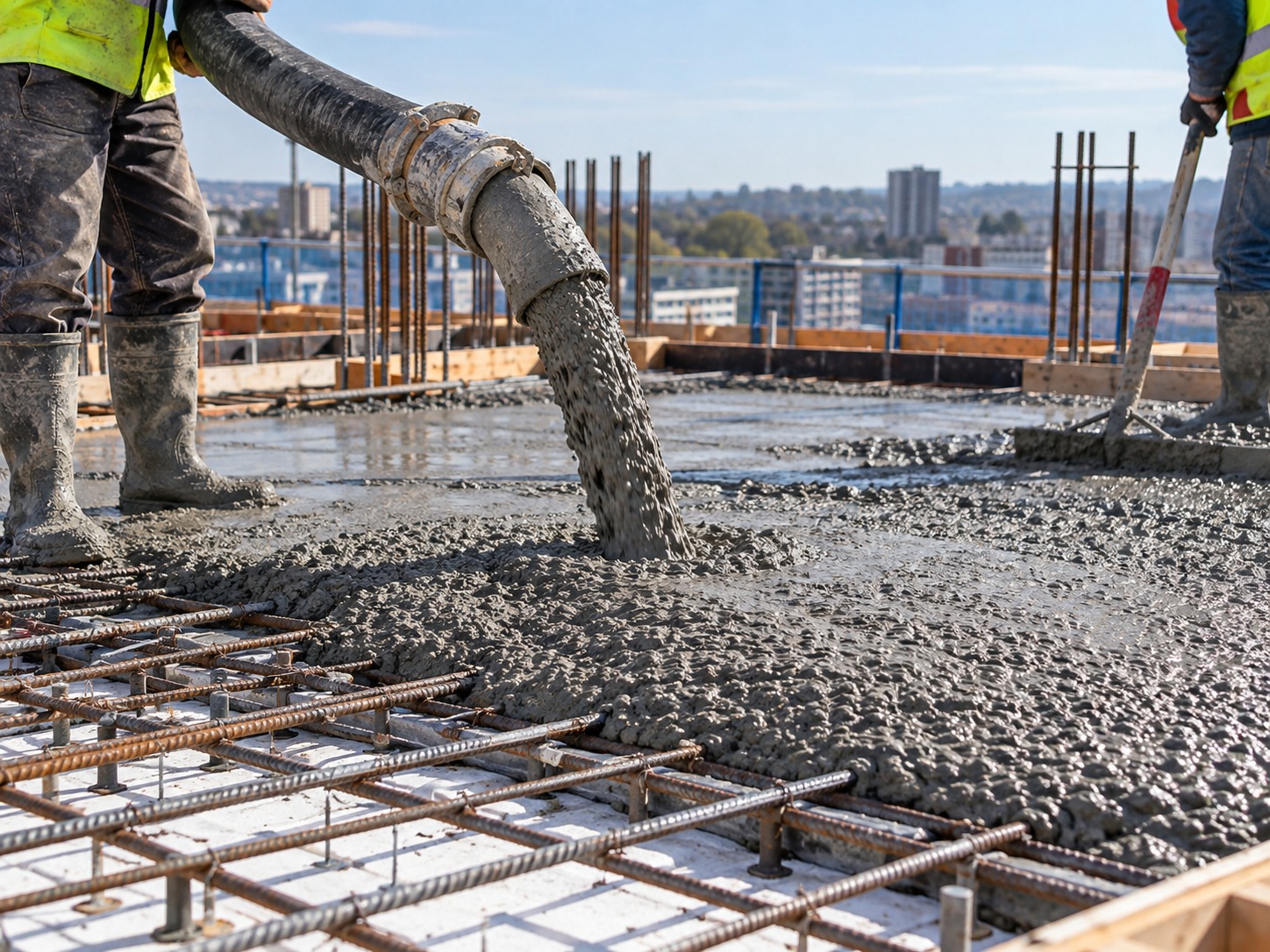
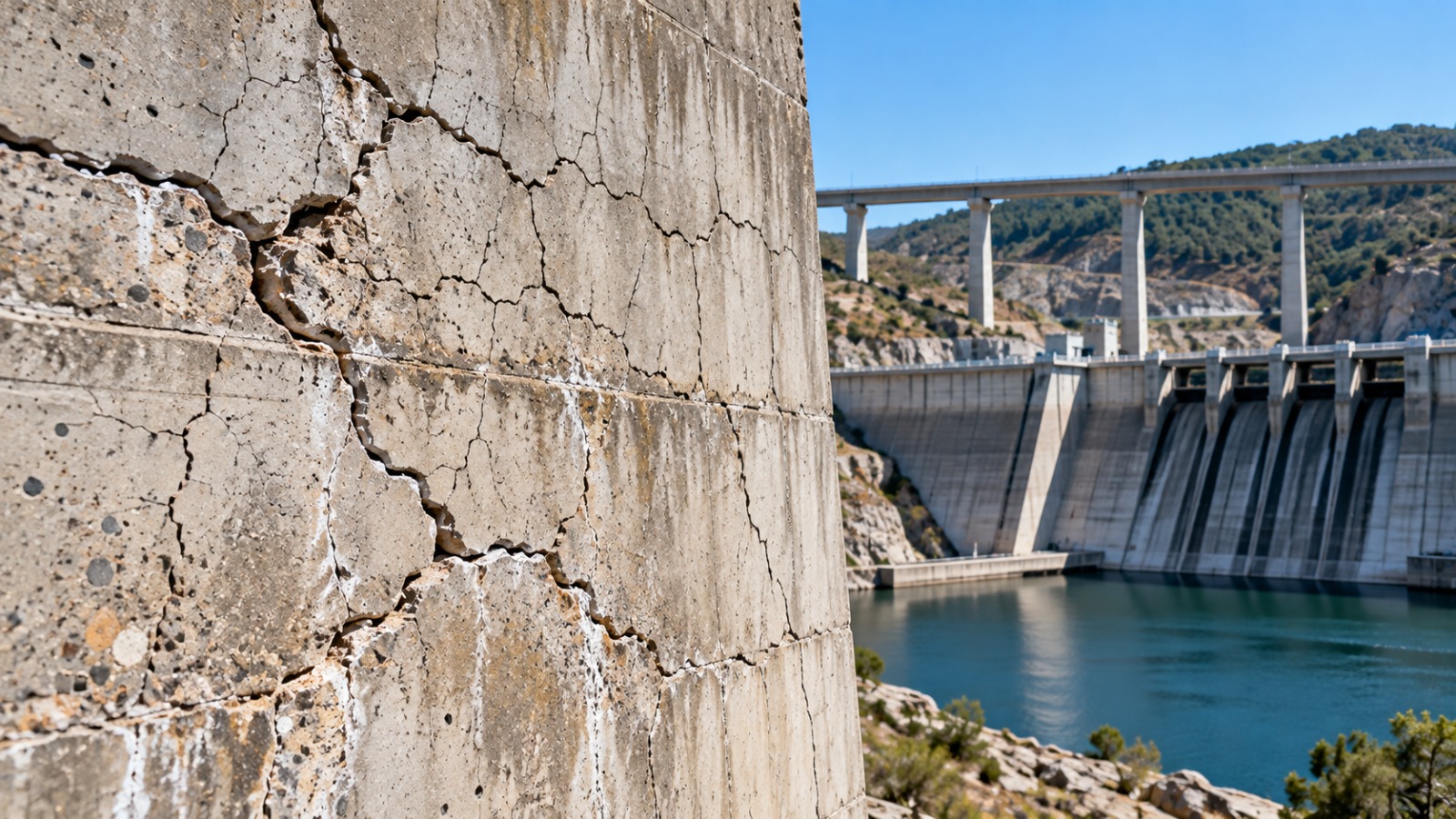
Infrastructure projects use admixtures in bridges, viaducts, tunnels, roads, railways, airports, ports, dams, metro systems, and underground structures.

Industrial facilities use them in factory floors, warehouses, logistics centers, heavy-duty foundations, production areas, and chemical exposure zones.

Special concrete technologies such as self-compacting concrete, high-strength concrete, high-performance concrete, shotcrete, underwater concrete, mass concrete, and fiber-reinforced concrete also depend heavily on suitable admixture systems.

How Is the Correct Admixture Selected?

The correct concrete admixture should be selected according to project requirements, material properties, production conditions, and environmental exposure.

Important factors include cement type, cement fineness, mineral additions, aggregate grading, aggregate moisture, water quality, ambient temperature, transportation distance, pumping requirements, setting time, required strength class, exposure conditions, and application method.

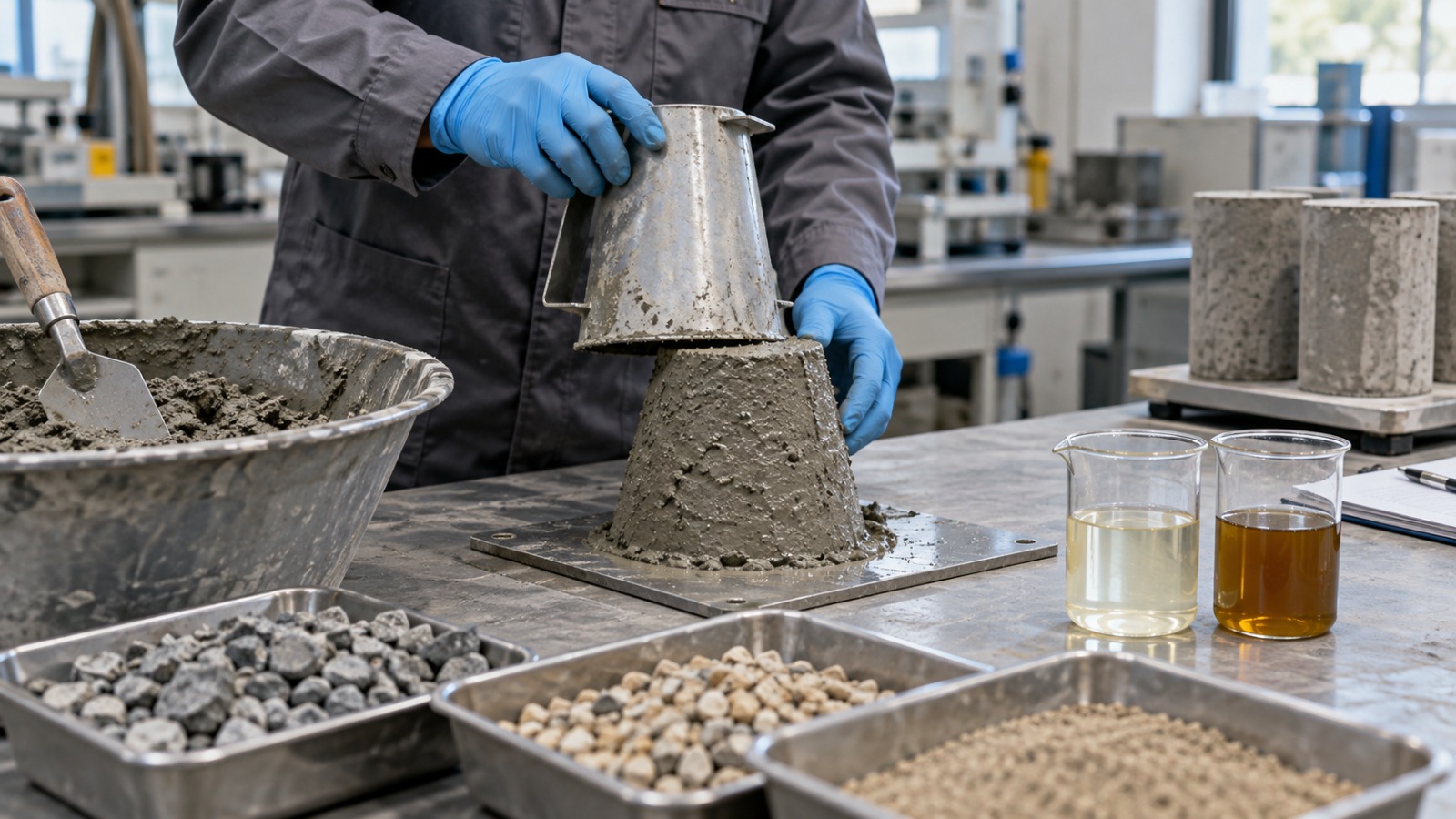
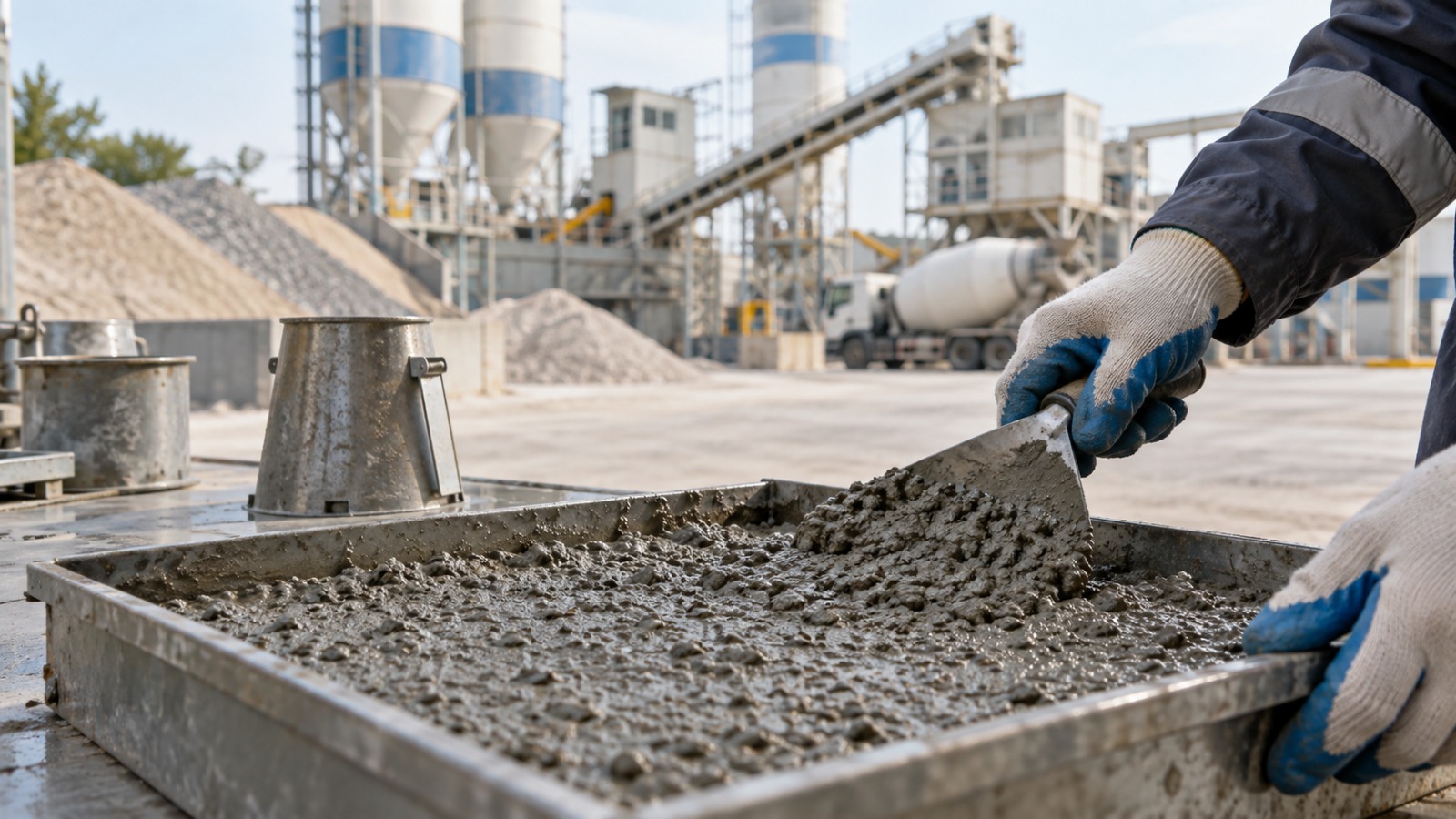
Laboratory trials, compatibility testing, production trials, and field evaluations are essential. The product should be assessed for initial workability, slump retention, setting behavior, air content, segregation resistance, early and final strength, surface quality, and durability.

Technical support from an experienced manufacturer or concrete specialist can help determine the most suitable product and dosage.

Sustainability Benefits of Concrete Admixtures

Concrete admixtures contribute not only to higher performance but also to more sustainable construction. By reducing water demand, improving cement efficiency, supporting the use of mineral additions, reducing production waste, and extending structural service life, they can help lower environmental impact.

Stronger and more durable concrete requires fewer repairs and replacements over time. Improved production efficiency can also reduce energy consumption, material losses, labor requirements, and project delays.

In some applications, high-performance admixtures may enable thinner structural sections and more efficient material use. These benefits contribute to lower lifecycle costs and reduced carbon impact.

Conclusion

Concrete admixtures are essential technologies that make it possible to produce concrete with improved workability, controlled setting, higher strength, better durability, lower permeability, and greater application efficiency.

Superplasticizers, water reducers, accelerators, retarders, air-entraining agents, waterproofing products, viscosity modifiers, strength enhancers, and mineral admixtures each serve different technical purposes.

The best results are achieved when the product is selected according to the complete mix design and project conditions. With correct material selection, technical testing, accurate dosage, and professional application, concrete admixtures contribute to stronger, safer, more efficient, and longer-lasting structures.

Related News

Web Design & Software | COUR Media