English
×
All rights reserved. All content and images used on this website
belong to EMA Kimya and may not be used without permission.
cour
 EMA Kimya | Beton Katkıları, Çimento Katkıları, Yapı Kimyasalları, Süper Akışkanlaştırıcılar, Yüksek Akışkanlaştırıcılar, Beton Yardımcı Katkıları, Beton Koruma Ürünleri, Püskürtme Beton Katkıları, Çimento Performans ve Öğütme Katkıları, Priz Hızlandırıcılar, Priz Geciktiriciler, Hava Sürükleyici Katkılar, Beton Dayanım Artırıcı Katkılar, Endüstriyel Yapı Kimyasalları, Hazır Beton Tesisleri, Prefabrik Beton Üretimi, Çimento Fabrikaları, Beton Santralleri, Köprü, Tünel, Baraj, Yol, Metro, Havalimanı, Viyadük ve Büyük Ölçekli Altyapı Projeleri İçin Yüksek Performanslı Beton ve Çimento Teknolojileri, Teknik Destek, Üretim ve Maliyet Danışmanlığı Hizmetleri  EMA Kimya | Beton Katkıları, Çimento Katkıları, Yapı Kimyasalları, Süper Akışkanlaştırıcılar, Yüksek Akışkanlaştırıcılar, Beton Yardımcı Katkıları, Beton Koruma Ürünleri, Püskürtme Beton Katkıları, Çimento Performans ve Öğütme Katkıları, Priz Hızlandırıcılar, Priz Geciktiriciler, Hava Sürükleyici Katkılar, Beton Dayanım Artırıcı Katkılar, Endüstriyel Yapı Kimyasalları, Hazır Beton Tesisleri, Prefabrik Beton Üretimi, Çimento Fabrikaları, Beton Santralleri, Köprü, Tünel, Baraj, Yol, Metro, Havalimanı, Viyadük ve Büyük Ölçekli Altyapı Projeleri İçin Yüksek Performanslı Beton ve Çimento Teknolojileri, Teknik Destek, Üretim ve Maliyet Danışmanlığı Hizmetleri
EMA Kimya | Beton Katkıları, Çimento Katkıları, Yapı Kimyasalları, Süper Akışkanlaştırıcılar, Yüksek Akışkanlaştırıcılar, Beton Yardımcı Katkıları, Beton Koruma Ürünleri, Püskürtme Beton Katkıları, Çimento Performans ve Öğütme Katkıları, Priz Hızlandırıcılar, Priz Geciktiriciler, Hava Sürükleyici Katkılar, Beton Dayanım Artırıcı Katkılar, Endüstriyel Yapı Kimyasalları, Hazır Beton Tesisleri, Prefabrik Beton Üretimi, Çimento Fabrikaları, Beton Santralleri, Köprü, Tünel, Baraj, Yol, Metro, Havalimanı, Viyadük ve Büyük Ölçekli Altyapı Projeleri İçin Yüksek Performanslı Beton ve Çimento Teknolojileri, Teknik Destek, Üretim ve Maliyet Danışmanlığı Hizmetleri

"Strength in Every Mix,
Quality in Every Drop"

×

Quality, reliability, and a commitment to sustainable production.

We provide professional solutions in concrete admixtures and construction chemicals.

Menu

Quality, reliability, and a commitment to sustainable production.

We provide professional solutions in concrete admixtures and construction chemicals.

16 Haziran 2026

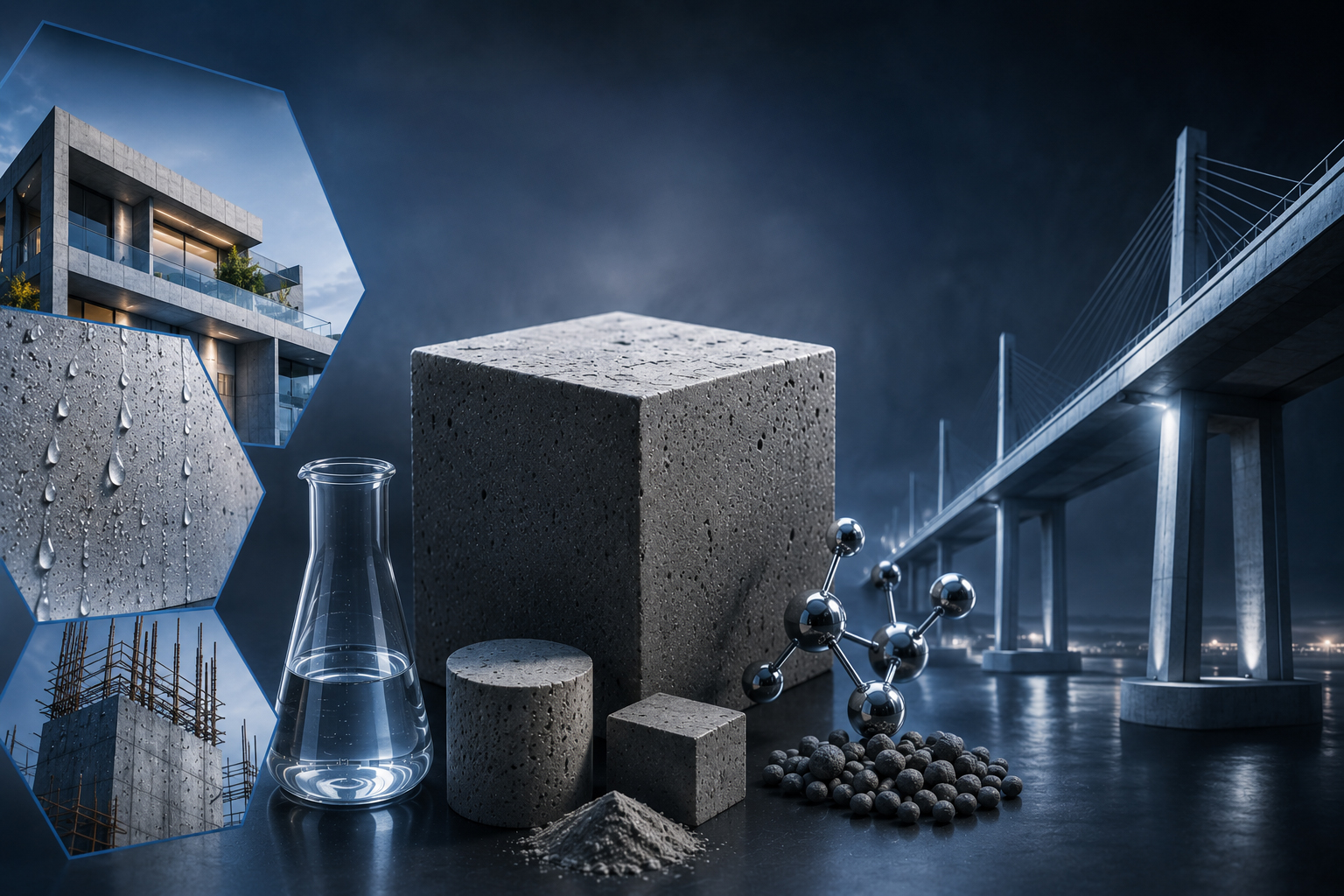
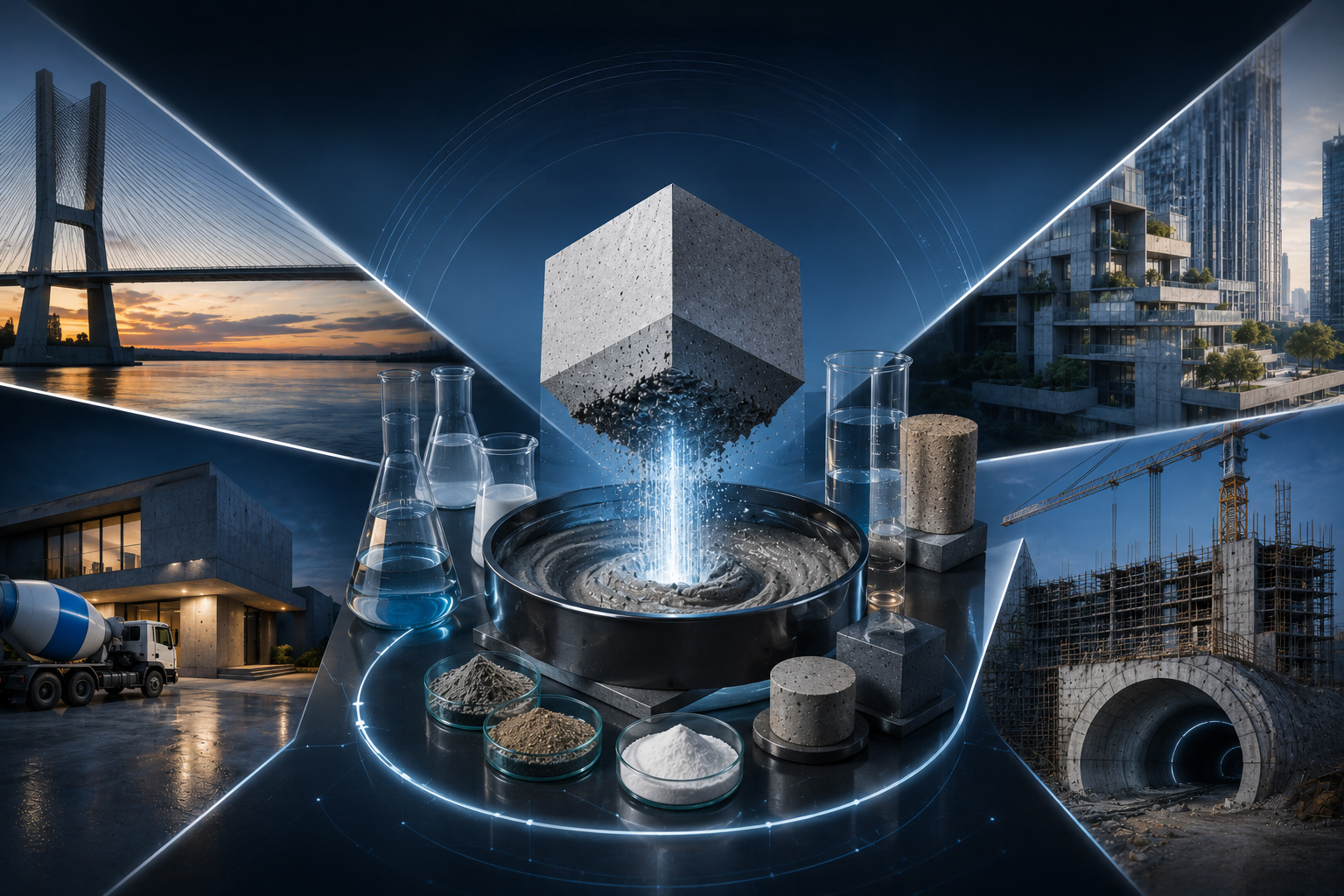
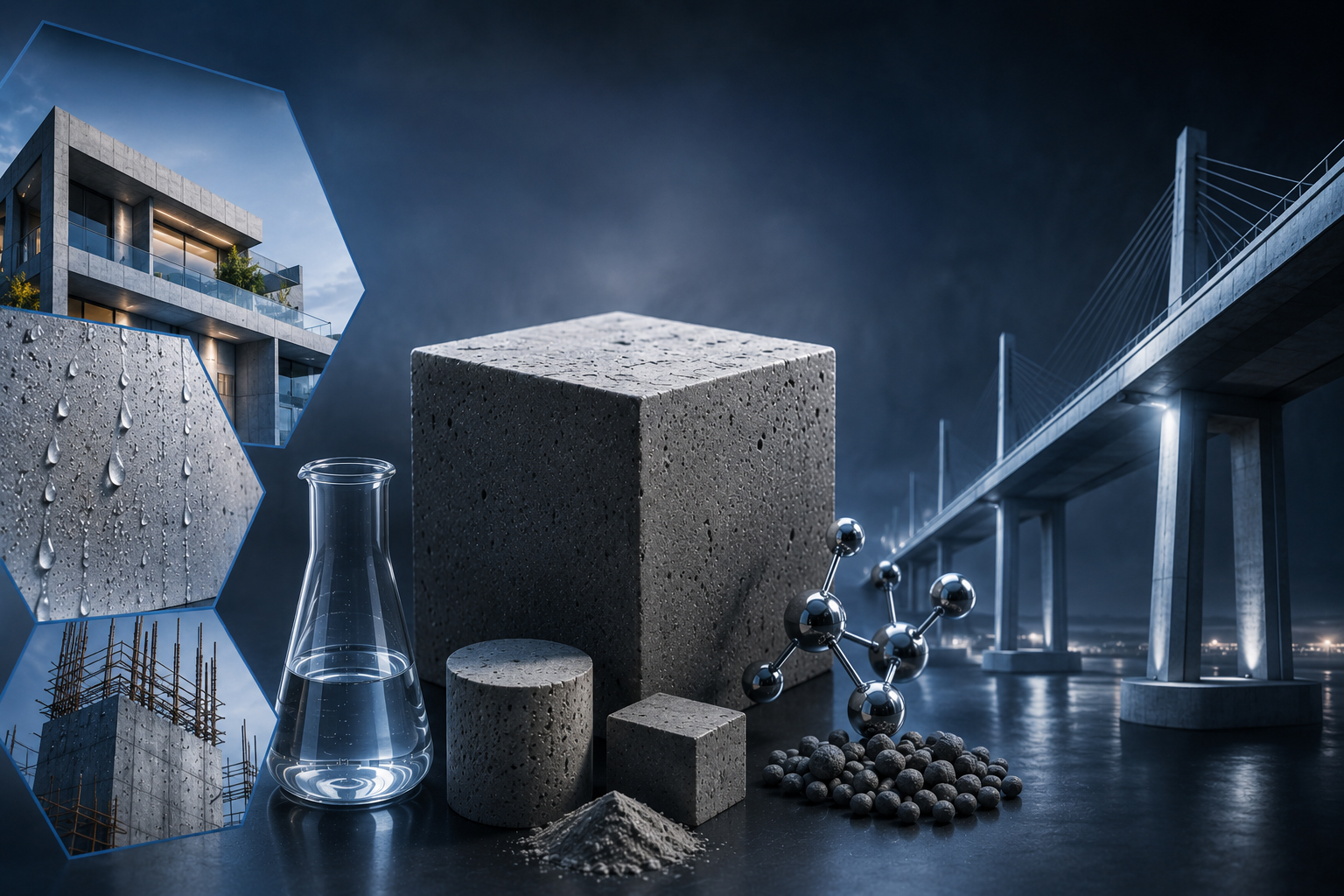
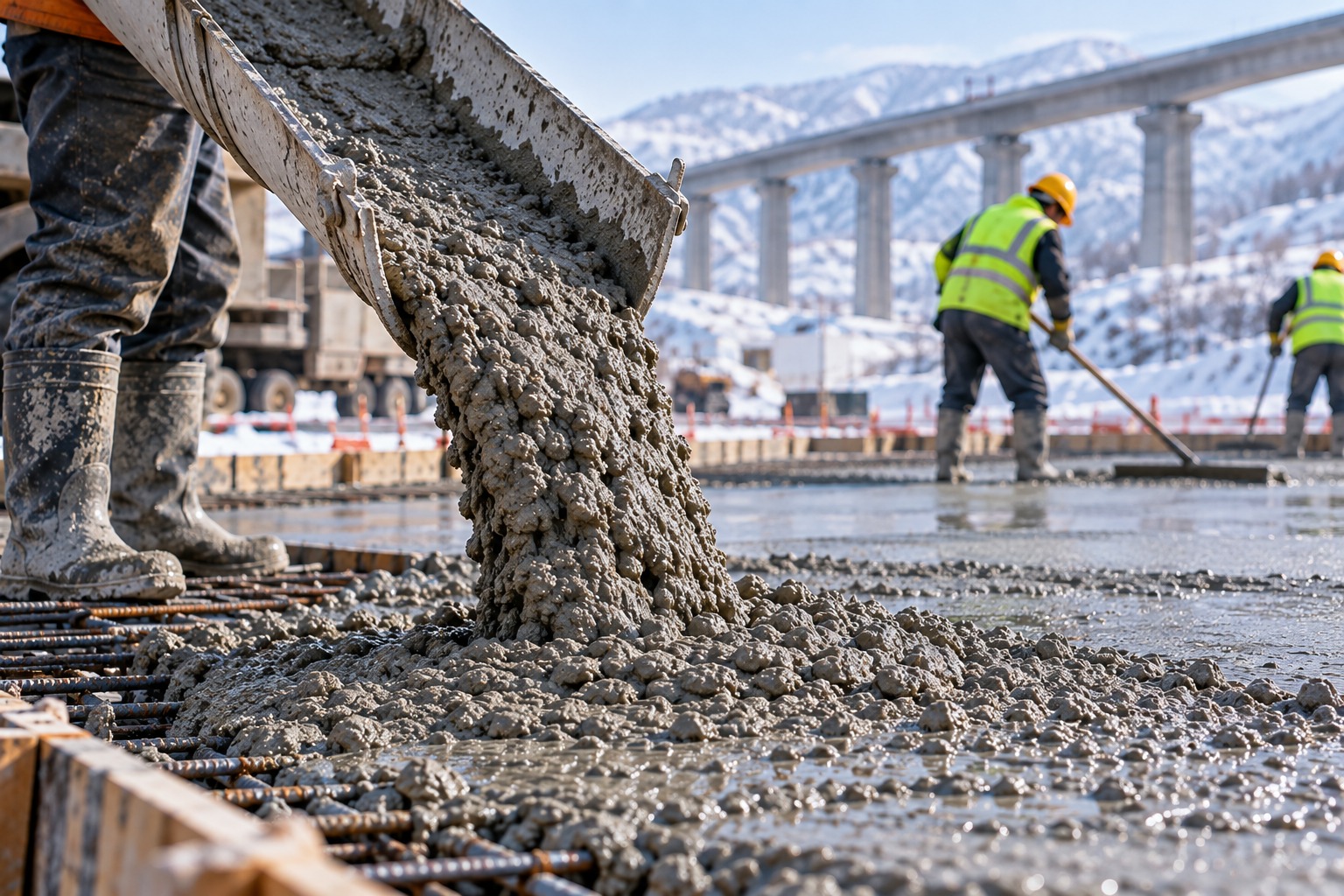
High-performance concrete (HPC) is a specially engineered type of concrete developed to provide greater strength, durability, service life, and overall performance than conventional concrete. With the advancement of modern construction technologies, it has become widely used in technically demanding projects such as bridges, skyscrapers, tunnels, viaducts, dams, industrial facilities, offshore structures, and major infrastructure developments.

High-performance concrete is distinguished not only by its high compressive strength, but also by its superior resistance to environmental exposure, mechanical stress, moisture penetration, and long-term deterioration. Its performance is determined through a combination of strength, durability, workability, dimensional stability, permeability, and project-specific engineering requirements.

One of the most important characteristics of high-performance concrete is its low water-to-cement ratio. Reduced water content allows the concrete to develop a denser and more compact internal structure with fewer capillary voids. As a result, compressive strength increases, water permeability decreases, and resistance to environmental effects improves significantly.

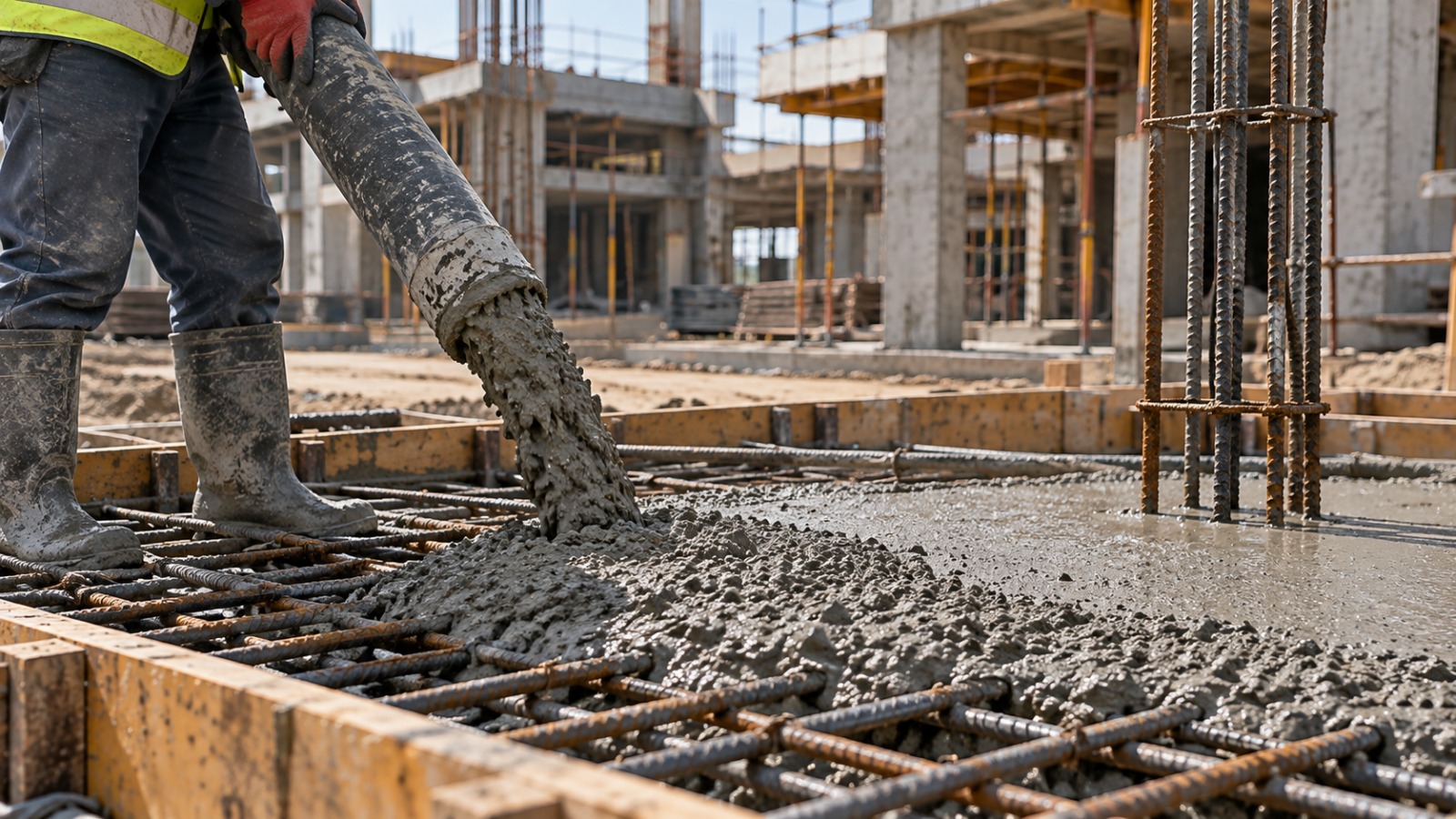
Although low water content would normally reduce workability, superplasticizers and high-range water-reducing admixtures make it possible to achieve excellent flowability and placement performance without increasing the water-to-cement ratio. These admixtures promote more effective dispersion of cement particles, reduce internal friction, and allow the concrete to be pumped, placed, compacted, and finished more efficiently.

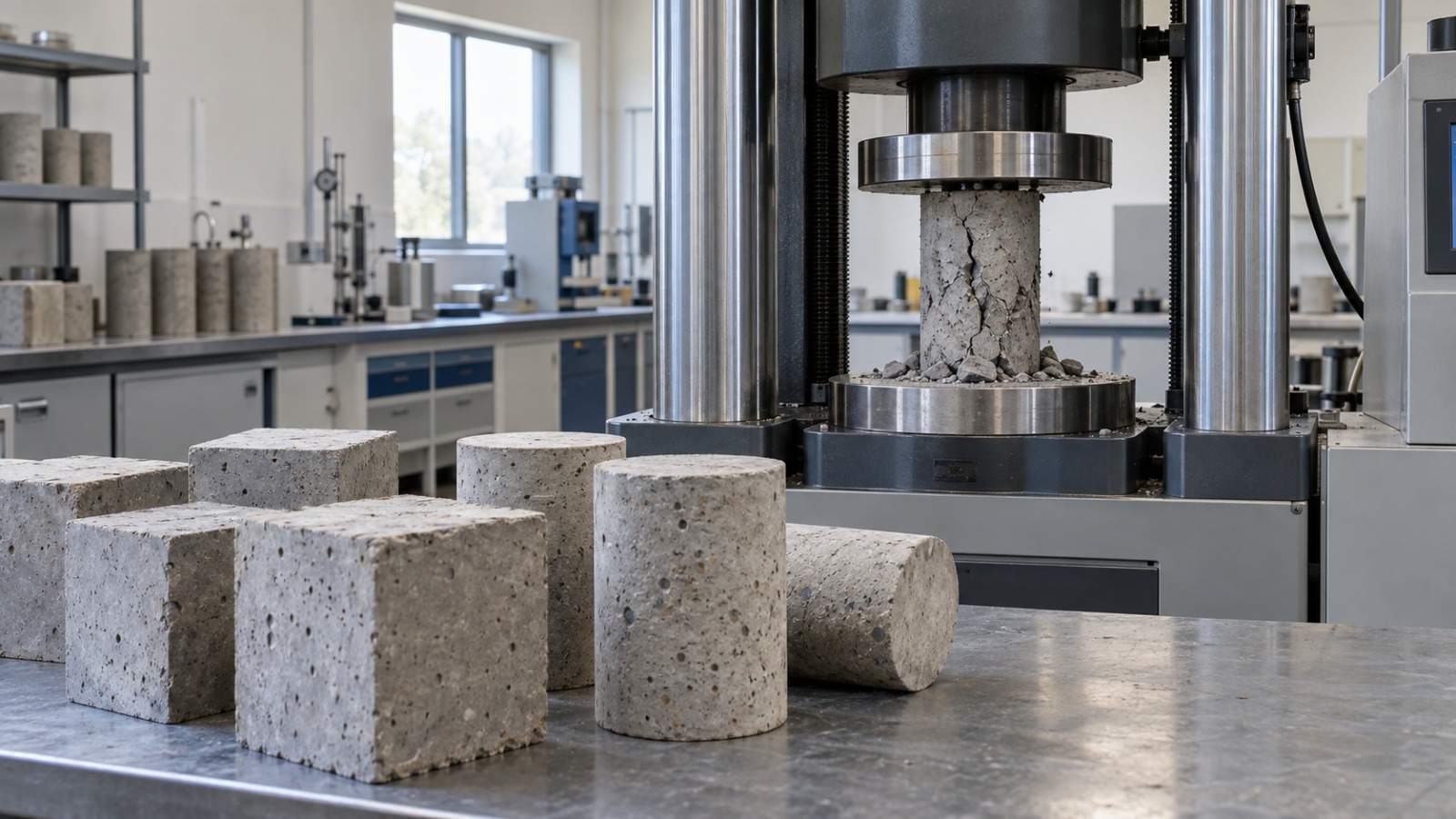
High-performance concrete can achieve substantially higher compressive strength than standard concrete. While conventional structural concrete commonly falls within strength classes such as C25/30 to C40/50, high-performance concrete can reach classes such as C60/75, C80/95, or even higher, depending on the mix design, materials, curing conditions, and project requirements.

This high strength provides important advantages in high-rise buildings, long-span bridges, heavy-load structures, industrial facilities, and complex engineering projects. Higher load-bearing capacity can enable the use of slimmer structural elements, reduce section dimensions, increase usable space, and support more efficient architectural and structural designs.

Another major advantage of high-performance concrete is its enhanced durability. It can provide greater resistance to freeze-thaw cycles, sulfate attack, chloride ion penetration, carbonation, chemical exposure, abrasion, and other aggressive environmental conditions.

Lower permeability plays a critical role in this durability. By limiting the penetration of water, chlorides, sulfates, and harmful substances, high-performance concrete helps protect reinforcement against corrosion and reduces the risk of premature structural deterioration.

These properties can significantly reduce maintenance and repair requirements throughout the service life of a structure. Although high-performance concrete may involve higher initial material and quality-control costs, its long-term durability and reduced maintenance needs can provide considerable lifecycle cost advantages.

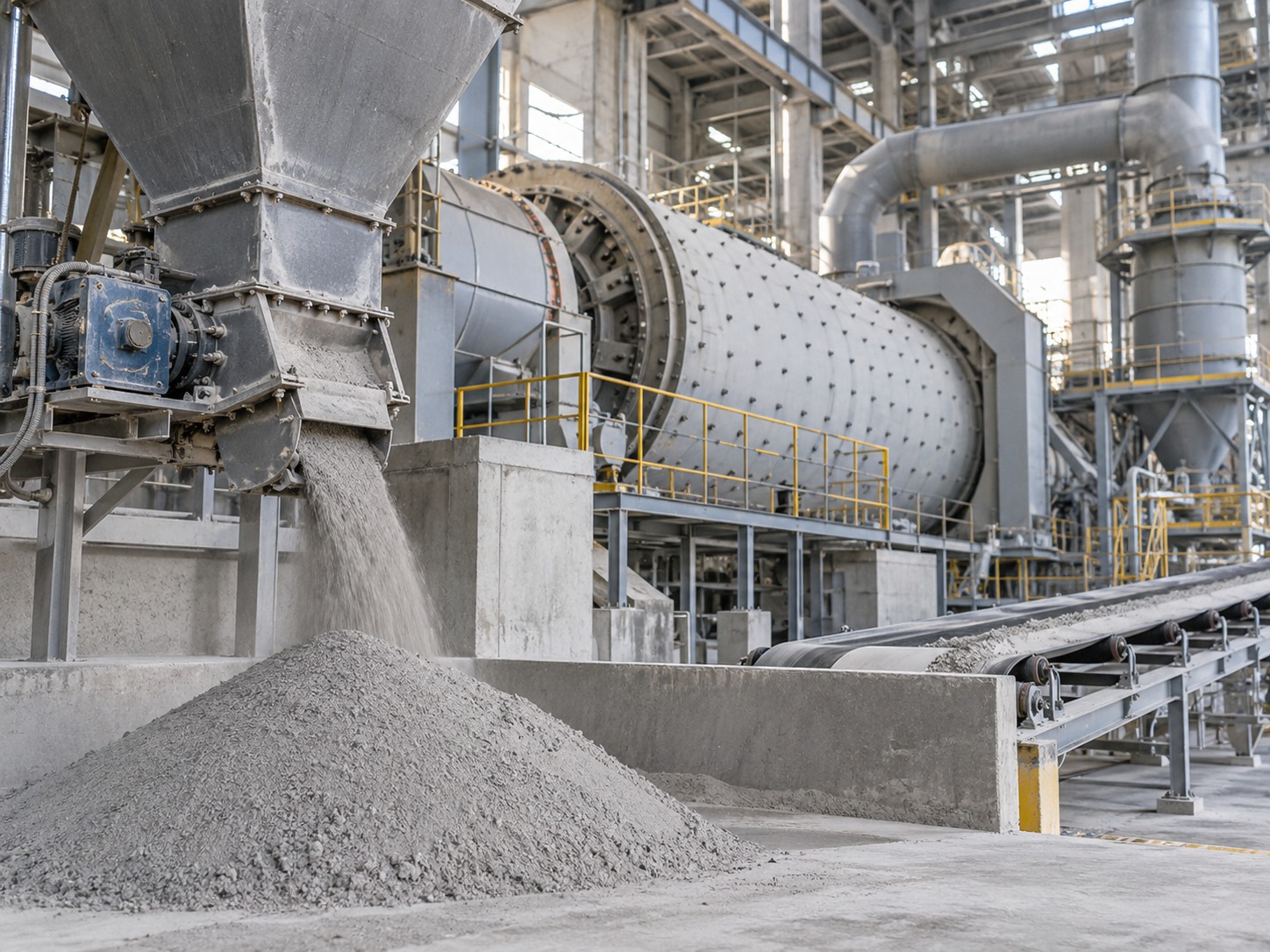
The production of high-performance concrete requires carefully selected and compatible materials. High-quality cement, supplementary cementitious materials, properly graded aggregates, controlled water content, and advanced chemical admixtures must be combined through a professionally designed concrete mix.

Mineral additions such as silica fume, fly ash, ground granulated blast-furnace slag, or other pozzolanic materials may be used to improve particle packing, reduce permeability, support strength development, and enhance resistance to aggressive exposure conditions. The suitability and dosage of these materials should always be determined according to the intended application and performance targets.

Superplasticizers, high-range water reducers, workability-retaining admixtures, air-entraining agents, accelerators, retarders, and other performance-enhancing chemicals can also play a critical role. Their selection depends on transportation time, ambient temperature, placement method, required setting profile, strength target, and exposure conditions.

Aggregate quality and particle-size distribution are equally important. Strong, clean, durable, and properly graded aggregates help create a compact concrete matrix, reduce void content, improve workability, and support consistent mechanical performance.

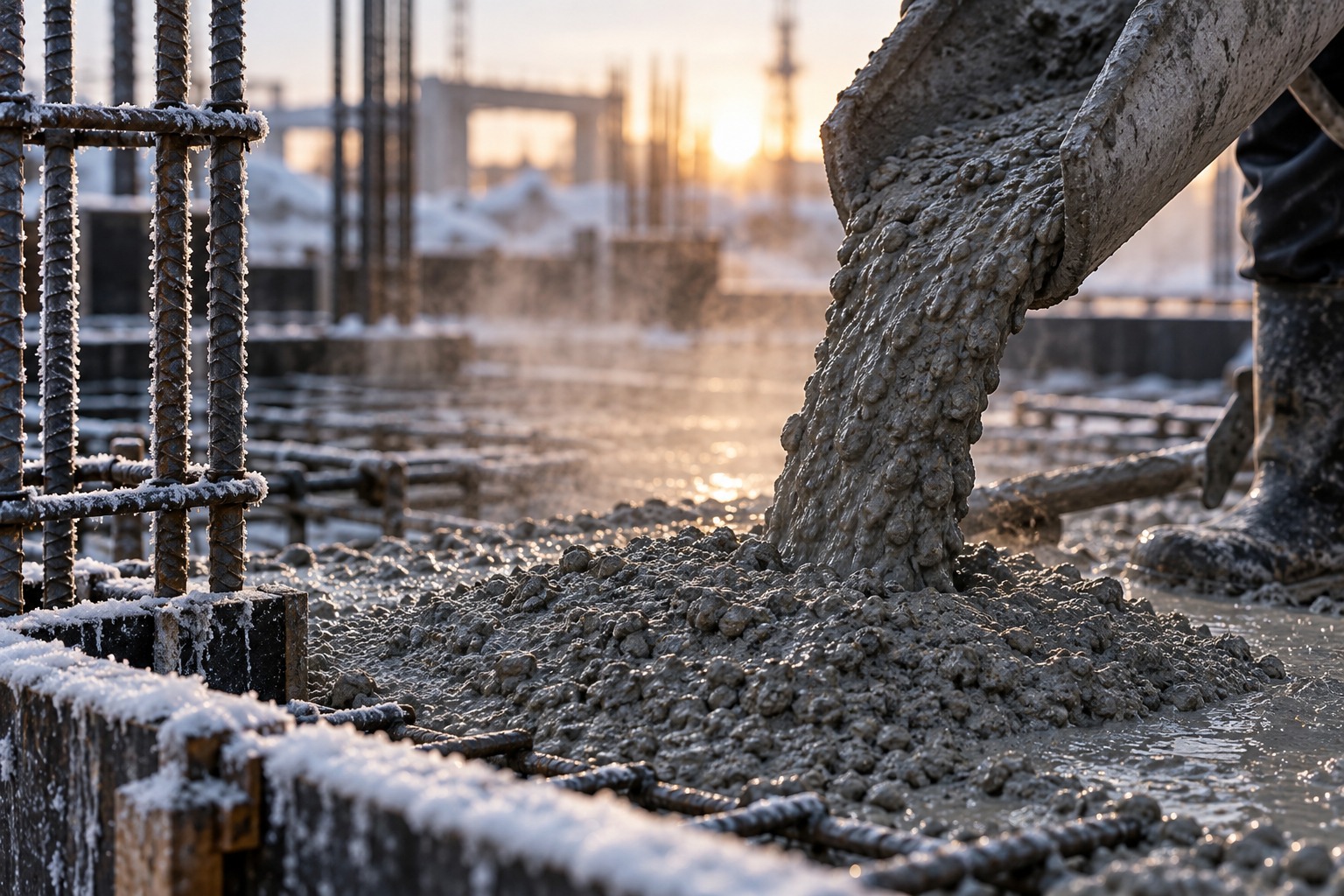
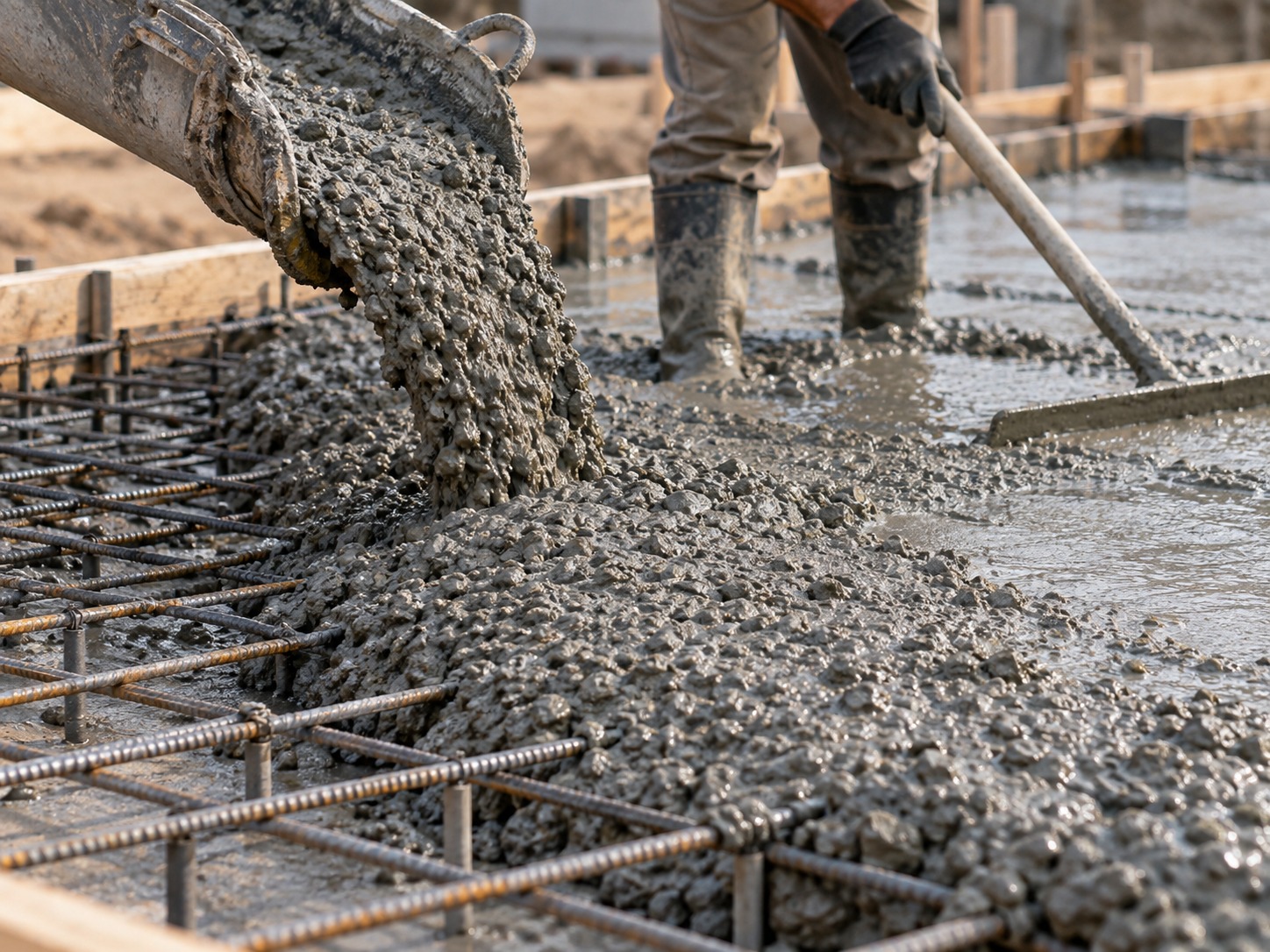
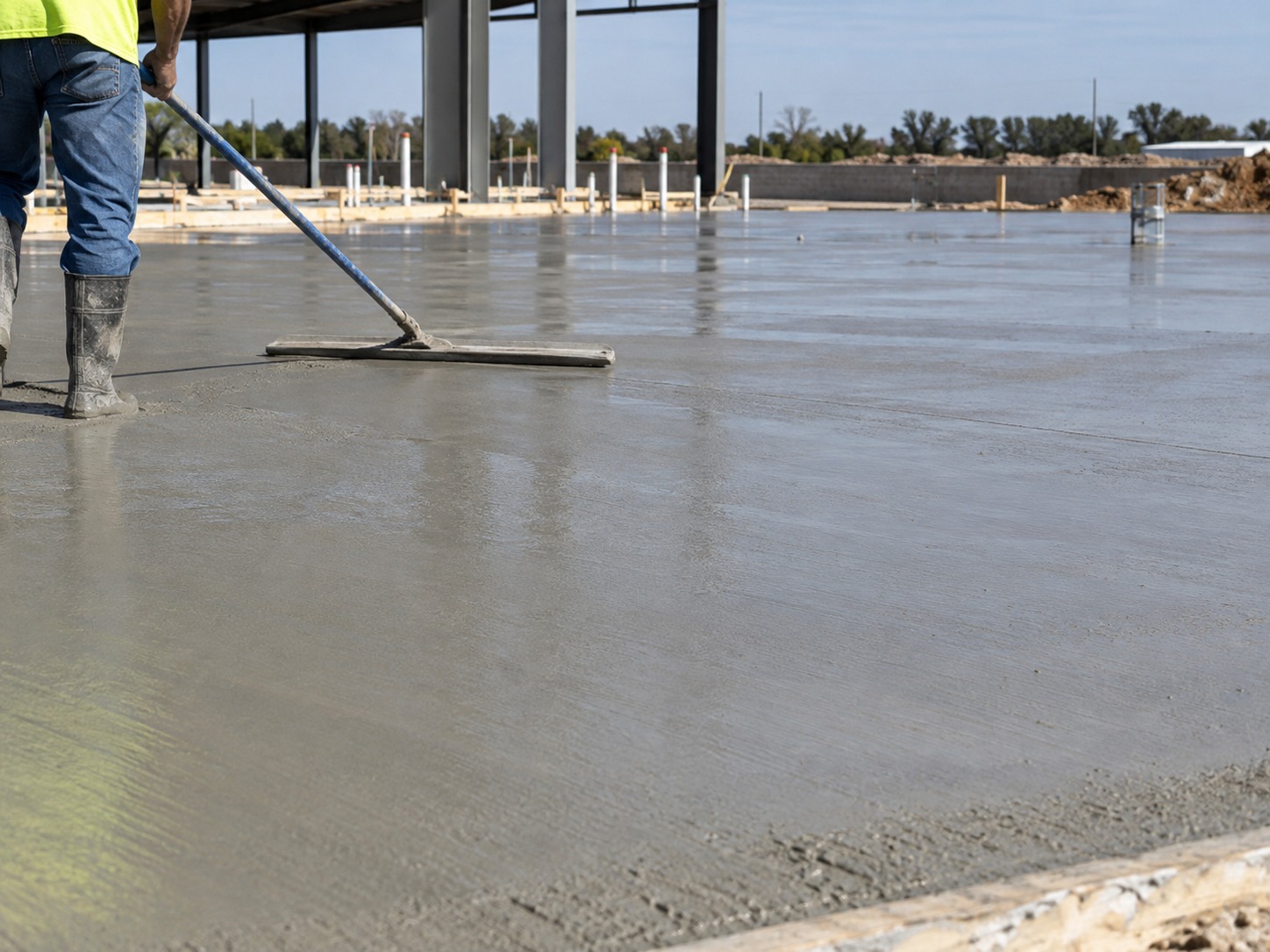
Accurate production control is essential for high-performance concrete. Moisture correction, batching precision, mixing sequence, mixing duration, fresh concrete temperature, transportation time, placement, compaction, and curing must all be carefully managed.

Proper curing is particularly important because high-performance concrete often contains a low water-to-cement ratio and can be more sensitive to early moisture loss. Effective curing helps support hydration, reduce shrinkage-related cracking, and achieve the intended strength and durability performance.

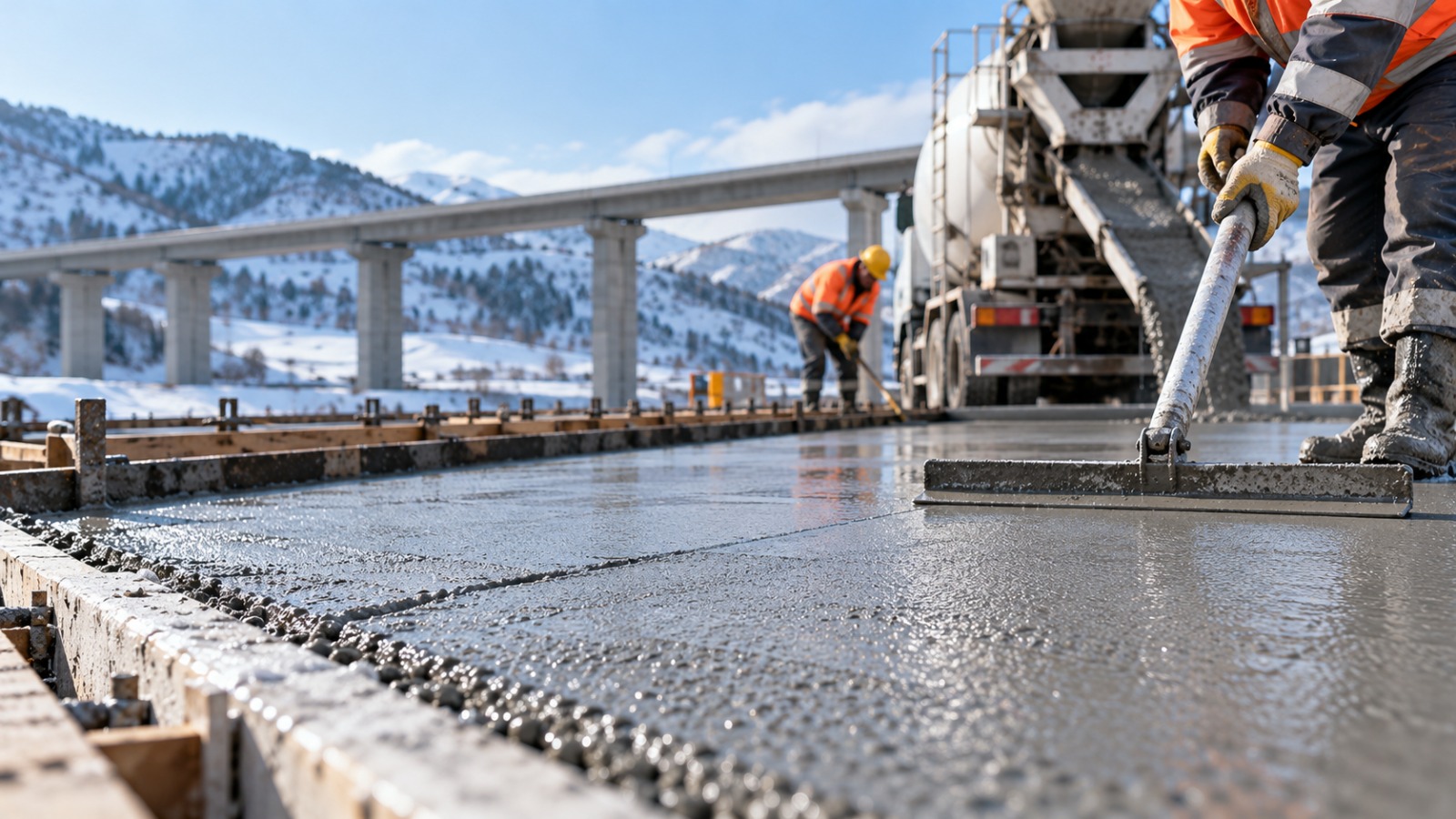
High-performance concrete is commonly used in skyscrapers, bridges, tunnels, viaducts, dams, airport structures, marine environments, industrial floors, precast elements, nuclear facilities, and infrastructure projects exposed to demanding service conditions.

It also offers important sustainability benefits. Because it can provide higher load capacity with smaller structural sections, it may reduce total material consumption in some applications. Its longer service life and lower maintenance requirements can also reduce resource use, repair materials, operational disruption, and environmental impact over the lifecycle of a structure.

However, high-performance concrete should not be defined solely by compressive strength. A concrete mixture with very high strength but poor workability, excessive shrinkage, insufficient durability, or inadequate curing cannot be considered truly high performing. The mix must be optimized according to the complete set of project requirements.

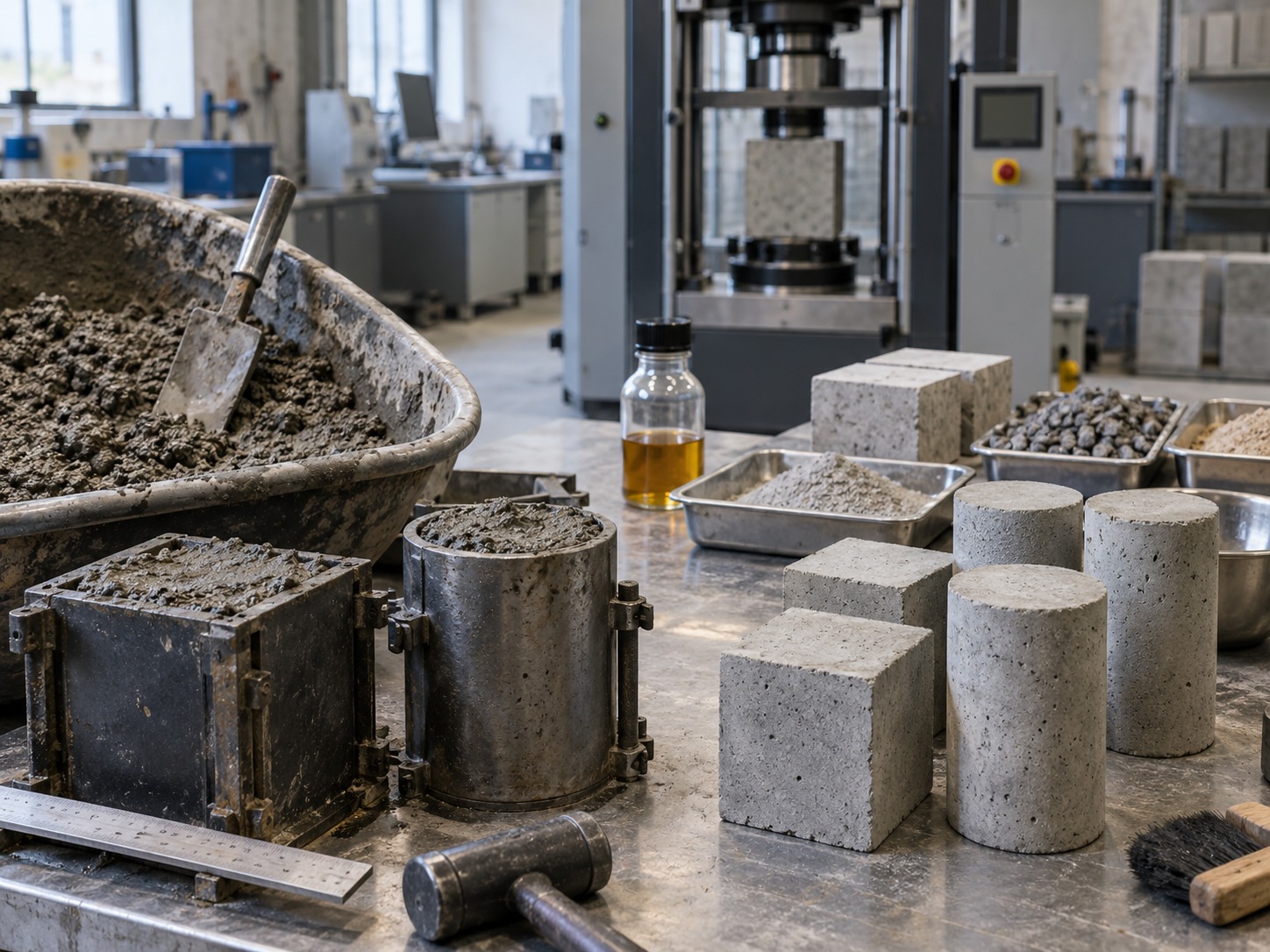
For this reason, successful high-performance concrete production requires appropriate material selection, advanced admixture technology, laboratory testing, field trials, strict quality control, and professional engineering support. When all these factors are managed correctly, high-performance concrete provides an essential solution for projects requiring safety, strength, durability, efficiency, and long service life.

Related News

Web Design & Software | COUR Media