English
×
All rights reserved. All content and images used on this website
belong to EMA Kimya and may not be used without permission.
cour
 EMA Kimya | Concrete Admixtures, Cement Additives, Construction Chemicals, Superplasticizers, High-Range Water Reducers, Concrete Performance Solutions, Ready-Mix and Precast Concrete Technologies, Infrastructure, Industrial Projects, Technical Support, Production and Cost Consulting  EMA Kimya | Concrete Admixtures, Cement Additives, Construction Chemicals, Superplasticizers, High-Range Water Reducers, Concrete Performance Solutions, Ready-Mix and Precast Concrete Technologies, Infrastructure, Industrial Projects, Technical Support, Production and Cost Consulting
EMA Kimya | Concrete Admixtures, Cement Additives, Construction Chemicals, Superplasticizers, High-Range Water Reducers, Concrete Performance Solutions, Ready-Mix and Precast Concrete Technologies, Infrastructure, Industrial Projects, Technical Support, Production and Cost Consulting

"Strength in Every Mix,
Quality in Every Drop"

×

Quality, reliability, and a commitment to sustainable production.

We provide professional solutions in concrete admixtures and construction chemicals.

Menu

Quality, reliability, and a commitment to sustainable production.

We provide professional solutions in concrete admixtures and construction chemicals.

18 September 2026

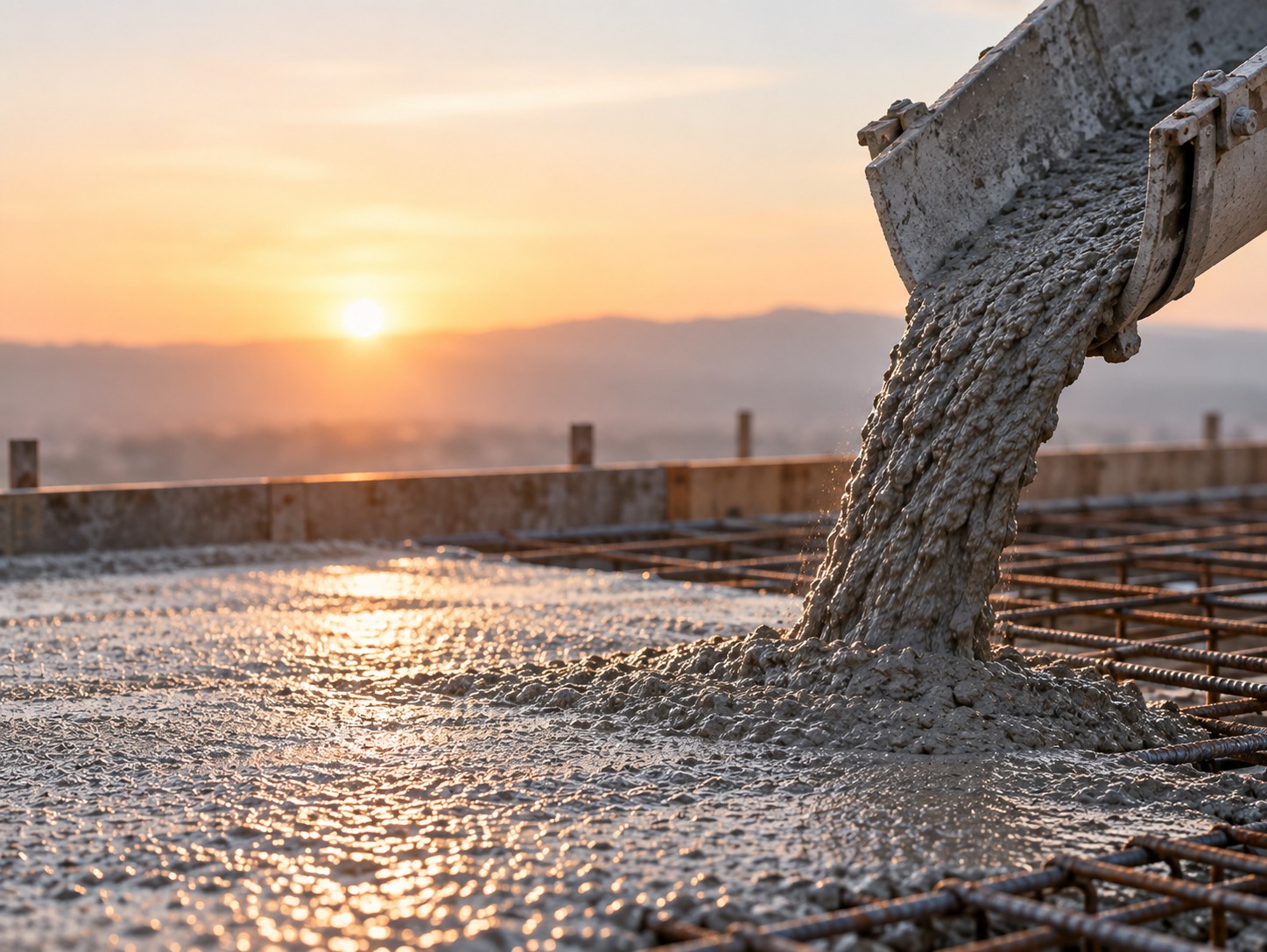
Concrete is one of the fundamental materials of modern construction thanks to its high compressive strength and long service life. However, volume changes that occur from production through the hardening process can lead to surface cracking and performance loss if they are not properly controlled.

Shrinkage behavior is particularly important in large concrete surfaces, industrial floors, precast elements and projects requiring high performance.

At this point, auxiliary concrete admixtures and shrinkage-control technologies can help concrete behave more consistently and support long-term durability.

What Is Concrete Shrinkage?

Shrinkage can be defined as the reduction in concrete volume and dimensions over time due to various physical and chemical processes.

Moisture loss, cement hydration and environmental conditions can all influence these dimensional changes.

When concrete is restrained from moving freely, tensile stresses may develop. If these stresses exceed the tensile capacity of the concrete, cracking can occur.

Although shrinkage cannot always be completely eliminated, its effects can be significantly controlled through an appropriate mix design, suitable admixture systems and proper application methods.

What Factors Affect Crack Formation in Concrete?

Concrete cracking does not occur for a single reason.

The water/cement ratio, cement content, aggregate characteristics, concrete temperature, ambient temperature, wind, relative humidity, placement thickness and curing conditions can all directly influence shrinkage behavior.

Excessive water in the concrete mixture may particularly increase dimensional changes after hardening.

For this reason, concrete design should consider not only initial workability but also the long-term behavior of hardened concrete.

Why Are Auxiliary Concrete Admixtures Important?

In modern concrete technology, it is not always possible to meet every performance requirement using only primary plasticizing admixtures.

Depending on the project, viscosity, setting time, water retention, air structure or shrinkage behavior may also need to be controlled.

Auxiliary concrete admixtures are used to complement the main admixture system and help manage specific concrete properties more precisely.

With the correct combination of products, more stable and repeatable concrete performance can be achieved throughout production and application.

More Controlled Concrete with a Lower Water/Cement Ratio

The amount of water in the mixture has an important influence on shrinkage and cracking behavior.

Adding uncontrolled amounts of water simply to increase workability can negatively affect the pore structure and dimensional stability of hardened concrete.

The combined use of high-performance plasticizers and auxiliary admixture systems can help achieve the required workability at lower water/cement ratios.

This approach supports improved concrete strength, homogeneity and long-term performance.

Crack Control in Industrial Flooring

Factory floors, logistics centers, warehouses and large-area concrete slabs are among the applications where shrinkage-related problems must be carefully managed.

Temperature and humidity differences across large concrete surfaces can create varying stresses in different areas of the slab.

In these projects, concrete mix design, joint design, curing application and admixture systems should be evaluated together.

Properly selected concrete admixtures can help improve application performance and contribute to a more homogeneous concrete structure.

Dimensional Stability in Precast Concrete Production

In precast concrete elements, dimensional stability is just as important as surface quality and high strength.

Uncontrolled volume changes can negatively affect product quality, particularly in precast elements with precise geometries.

Optimizing the concrete mix design and admixture system according to production conditions can support more balanced hardening behavior and more controlled manufacturing processes.

For this reason, cement, aggregates, water and chemical admixtures should be evaluated as a complete system in precast concrete production.

Proper Curing Is as Important as the Admixture System

Even when the right concrete admixtures are selected, poor curing conditions after placement can negatively affect performance.

Rapid moisture loss from the surface, particularly in hot and windy conditions, can increase the risk of plastic shrinkage cracking.

For this reason, concrete mix design, chemical admixtures and curing procedures should not be considered separately when controlling shrinkage and cracking.

A well-managed application process supports more controlled concrete development from an early age.

Can the Same Concrete Admixture Be Used for Every Project?

The performance of concrete admixtures can vary depending on raw materials and site conditions.

Cement type, aggregate grading, fine material content, water/cement ratio, temperature and application method are among the main parameters that influence admixture behavior.

For this reason, the same product and dosage should not be expected to deliver identical results in every concrete plant or project.

Laboratory testing and field trials provide important advantages in determining the most appropriate admixture combination for each application.

EMA Kimya Auxiliary Concrete Admixture Solutions

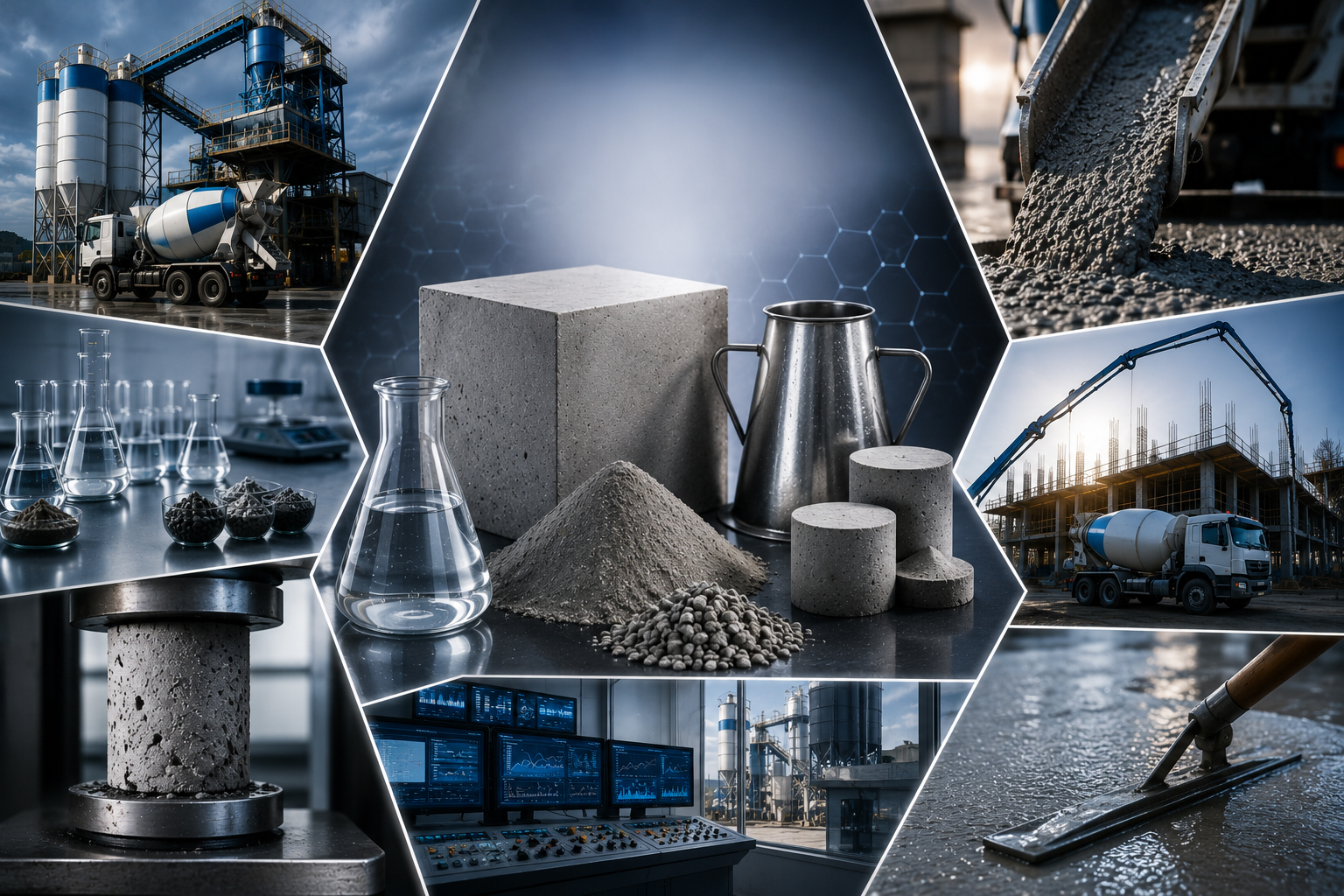
EMA Kimya develops professional concrete admixture solutions for ready-mixed concrete plants, precast manufacturers, industrial flooring applications and large-scale infrastructure projects.

Concrete mix design, cement and aggregate characteristics and application conditions are evaluated together to determine the most suitable primary and auxiliary admixture systems for each project.

EMA Kimya's technical approach focuses not only on supplying concrete admixtures, but also on achieving more stable and controlled concrete performance through laboratory studies, production trials and field evaluations.

The right concrete admixture technology plays an important role in controlling crack formation and supporting long-term concrete durability.

Related News

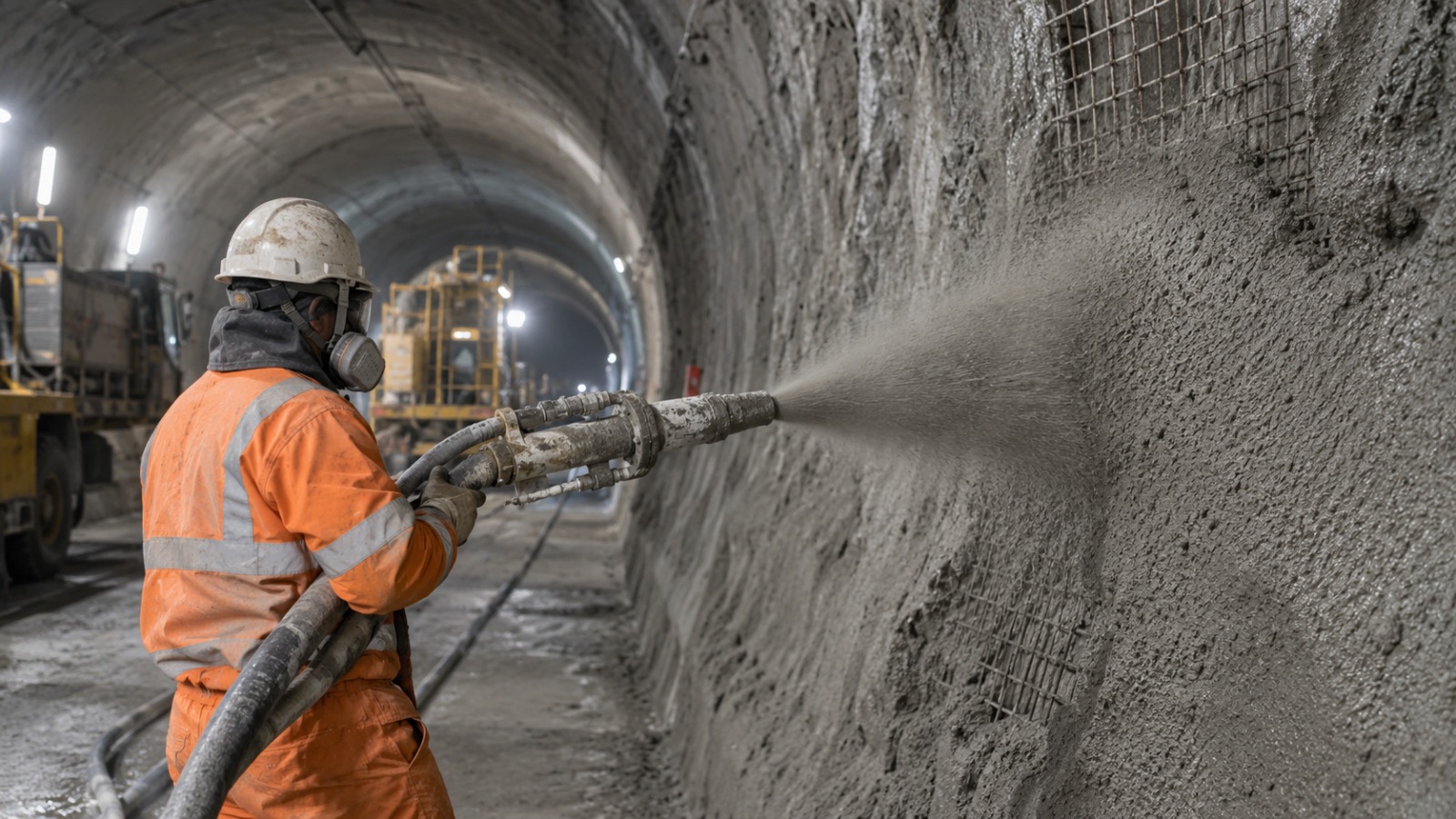
Shotcrete Admixtures for Fast and Controlled Application in Tunnel and Underground Projects

Publication Date: 18 Eylül 2026

What Are Construction Chemicals and Where Are They Used?

Publication Date: 18 Eylül 2026

How Can Concrete Strength Be Increased?

Publication Date: 18 Eylül 2026

More Durable Concrete Against Freeze-Thaw Cycles with Air-Entraining Admixtures

Publication Date: 18 Eylül 2026

What Is a Superplasticizer and What Does It Do?

Publication Date: 18 Eylül 2026

Higher Performance with Less Water Using High-Range Water-Reducing Concrete Admixtures

Publication Date: 18 Eylül 2026

How Can Concrete Workability Be Improved?

Publication Date: 18 Eylül 2026

What Are Concrete Admixtures? Types and Applications

Publication Date: 18 Eylül 2026

Concrete Protection Products and Their Advantages

Publication Date: 18 Eylül 2026

The Importance of Set-Retarding Concrete Admixtures in Hot Weather and Long Transportation Times

Publication Date: 18 Eylül 2026

The Importance of the Right Admixture Technology for Shrinkage and Crack Control in Concrete

Publication Date: 18 Eylül 2026

What Is High-Performance Concrete? What Are Its Main Properties?

Publication Date: 18 Eylül 2026

How to Improve Quality in Ready-Mixed Concrete Production

Publication Date: 18 Eylül 2026

Support Surface Strength and Long-Term Performance with Concrete Curing and Protection Products

Publication Date: 18 Eylül 2026

More Efficient Production and Balanced Cement Performance with Cement Grinding Aids

Publication Date: 18 Eylül 2026

Web Design & Software | COUR Media