English
×
All rights reserved. All content and images used on this website
belong to EMA Kimya and may not be used without permission.
cour
 EMA Kimya | Concrete Admixtures, Cement Additives, Construction Chemicals, Superplasticizers, High-Range Water Reducers, Concrete Performance Solutions, Ready-Mix and Precast Concrete Technologies, Infrastructure, Industrial Projects, Technical Support, Production and Cost Consulting  EMA Kimya | Concrete Admixtures, Cement Additives, Construction Chemicals, Superplasticizers, High-Range Water Reducers, Concrete Performance Solutions, Ready-Mix and Precast Concrete Technologies, Infrastructure, Industrial Projects, Technical Support, Production and Cost Consulting
EMA Kimya | Concrete Admixtures, Cement Additives, Construction Chemicals, Superplasticizers, High-Range Water Reducers, Concrete Performance Solutions, Ready-Mix and Precast Concrete Technologies, Infrastructure, Industrial Projects, Technical Support, Production and Cost Consulting

"Strength in Every Mix,
Quality in Every Drop"

×

Quality, reliability, and a commitment to sustainable production.

We provide professional solutions in concrete admixtures and construction chemicals.

Menu

Quality, reliability, and a commitment to sustainable production.

We provide professional solutions in concrete admixtures and construction chemicals.

23 September 2026

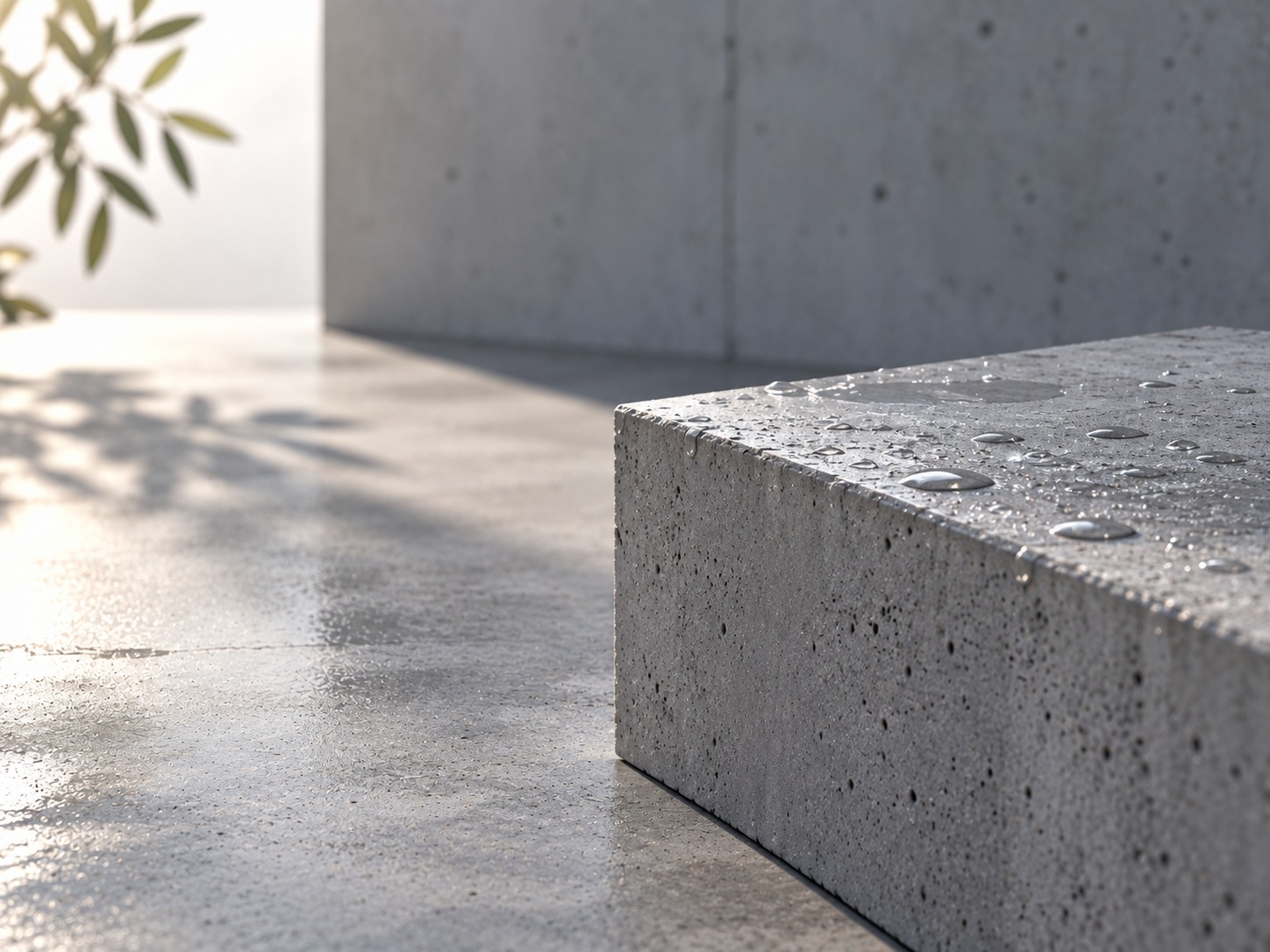
Although concrete is a durable construction material, its capillary pores, microcracks and internal pore structure can allow water penetration under certain conditions. In foundations, basements, water tanks, swimming pools, tunnels and underground structures, resistance to water penetration plays an important role in long-term durability and service life.

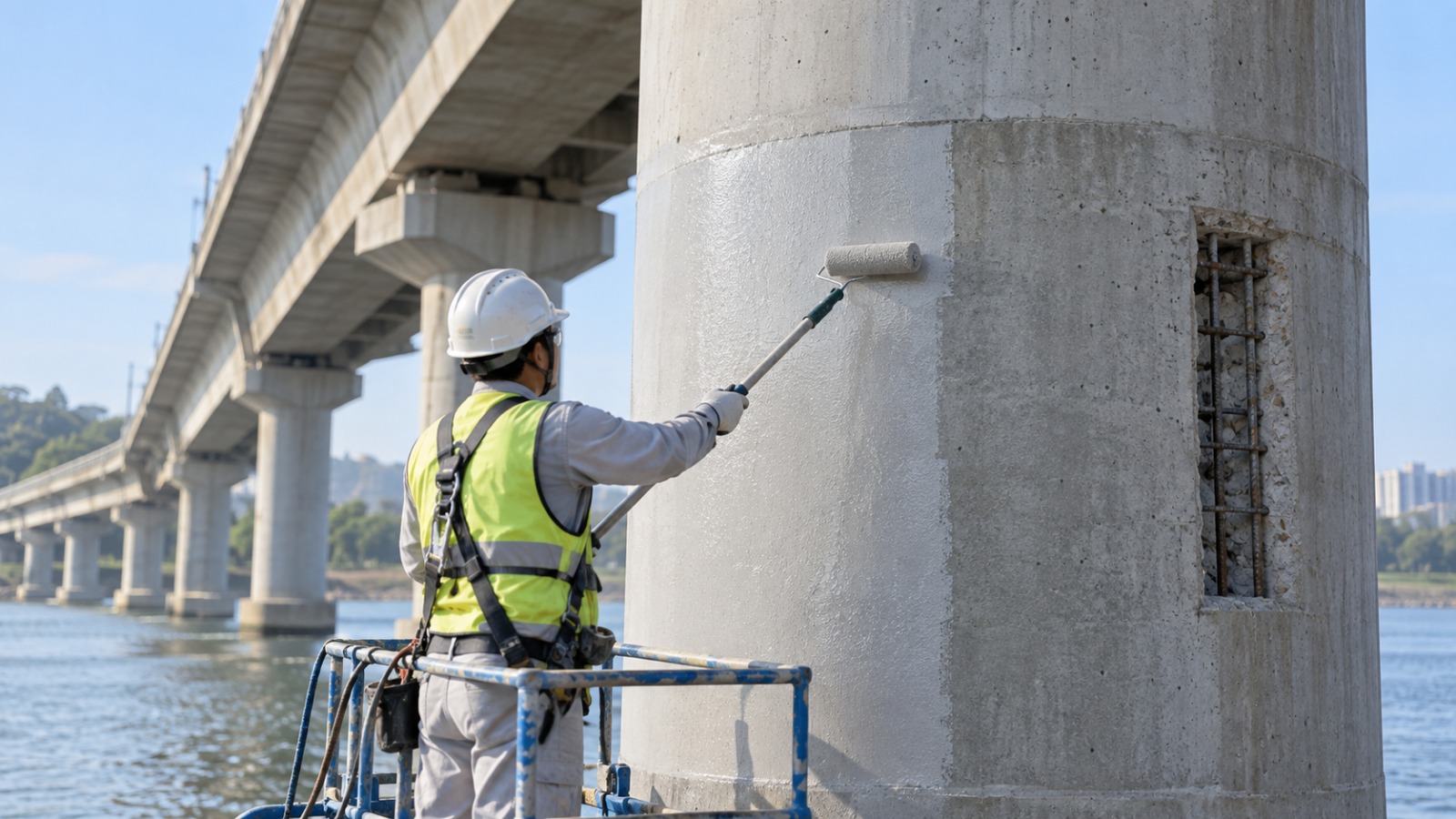
Improving water resistance in concrete does not depend only on surface-applied protection systems. Concrete mix design, water/cement ratio, placement quality, curing conditions and the use of suitable waterproofing and permeability-reducing concrete admixtures should all be evaluated together.

The right admixture technology can help reduce water movement through the concrete matrix and support the formation of a denser, more homogeneous and lower-permeability concrete structure.

Why Does Concrete Allow Water Penetration?

Although hardened concrete may appear solid and compact, it is not completely free of microscopic voids.

Excess mixing water, insufficient compaction, unsuitable aggregate grading and inadequate curing can create capillary pores within the concrete.

Over time, these pores may form pathways through which water can penetrate the concrete.

As concrete permeability increases, water can also carry potentially harmful substances into the structure more easily.

For this reason, low permeability is important not only for water resistance but also for long-term concrete durability.

How Does the Water/Cement Ratio Affect Water Resistance?

One of the most important parameters affecting concrete permeability is the water/cement ratio.

Adding excessive water may make fresh concrete easier to place, but unused water can leave capillary voids as the concrete hardens.

This can result in a more permeable concrete structure.

For low-permeability concrete, the amount of mixing water should therefore be carefully controlled.

High-range water-reducing and superplasticizing admixtures can help maintain the required workability while reducing the water/cement ratio.

What Do Waterproofing Concrete Admixtures Do?

Waterproofing and permeability-reducing concrete admixtures are specialized chemical systems designed to help reduce water movement through the internal structure of concrete.

Depending on the technology used, they may help reduce capillary water absorption, control pore structure or limit the movement of water through the concrete matrix.

However, a chemical admixture should not be expected to compensate for every problem in concrete design or workmanship.

The best performance is achieved when the correct mix design, suitable admixture system, proper placement and effective curing are used together.

What Is Capillary Water Absorption?

When a concrete surface comes into contact with water, fine capillary pores inside the material can draw water into the concrete.

This mechanism is especially important in elements exposed to rainfall, groundwater or continuous moisture.

Reducing capillary water absorption can help improve the concrete's resistance to water penetration.

For this reason, water-resistance performance should be evaluated not only by surface appearance but also by the internal pore structure of the concrete.

Water Resistance in Foundation and Basement Concrete

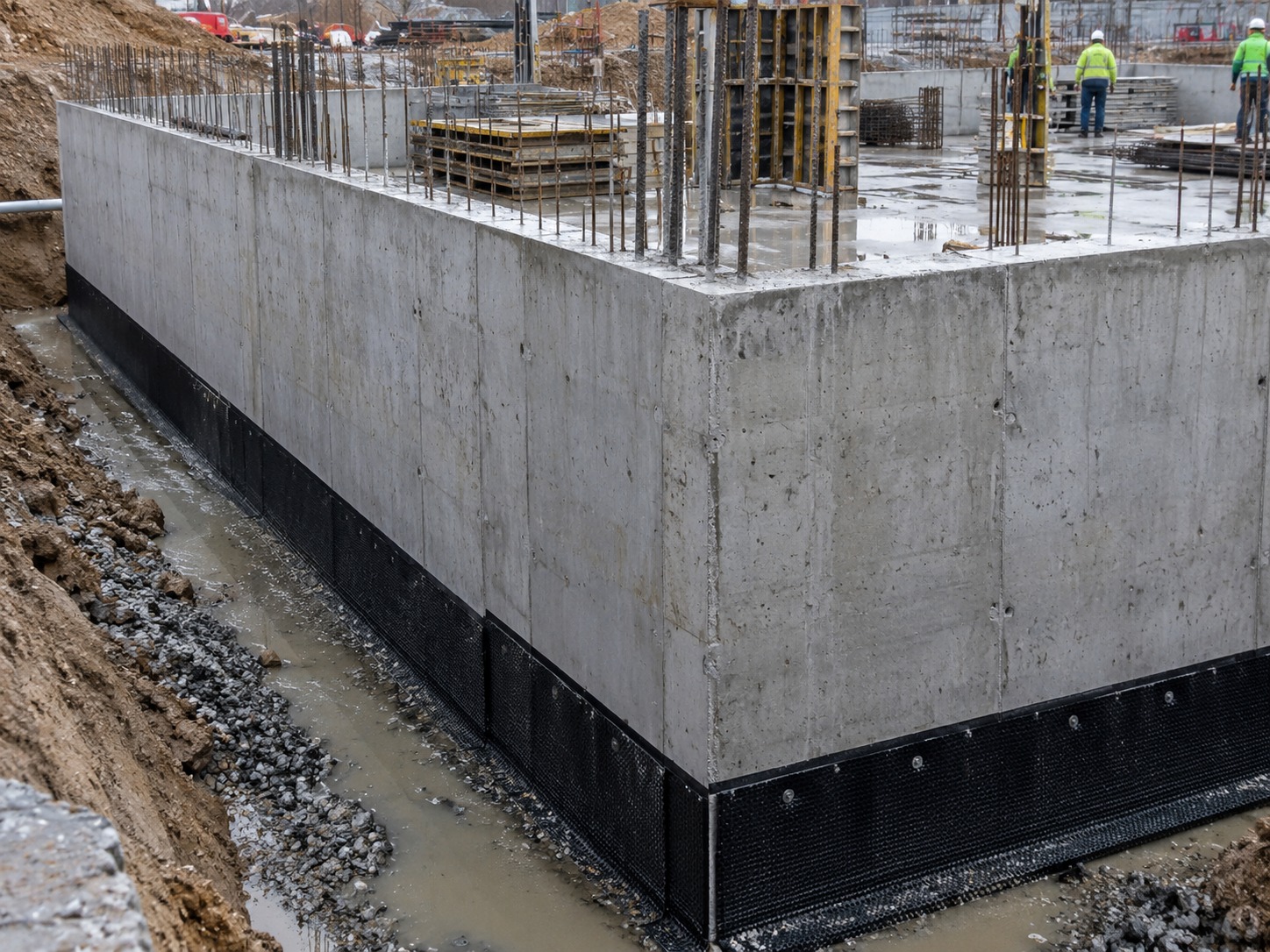
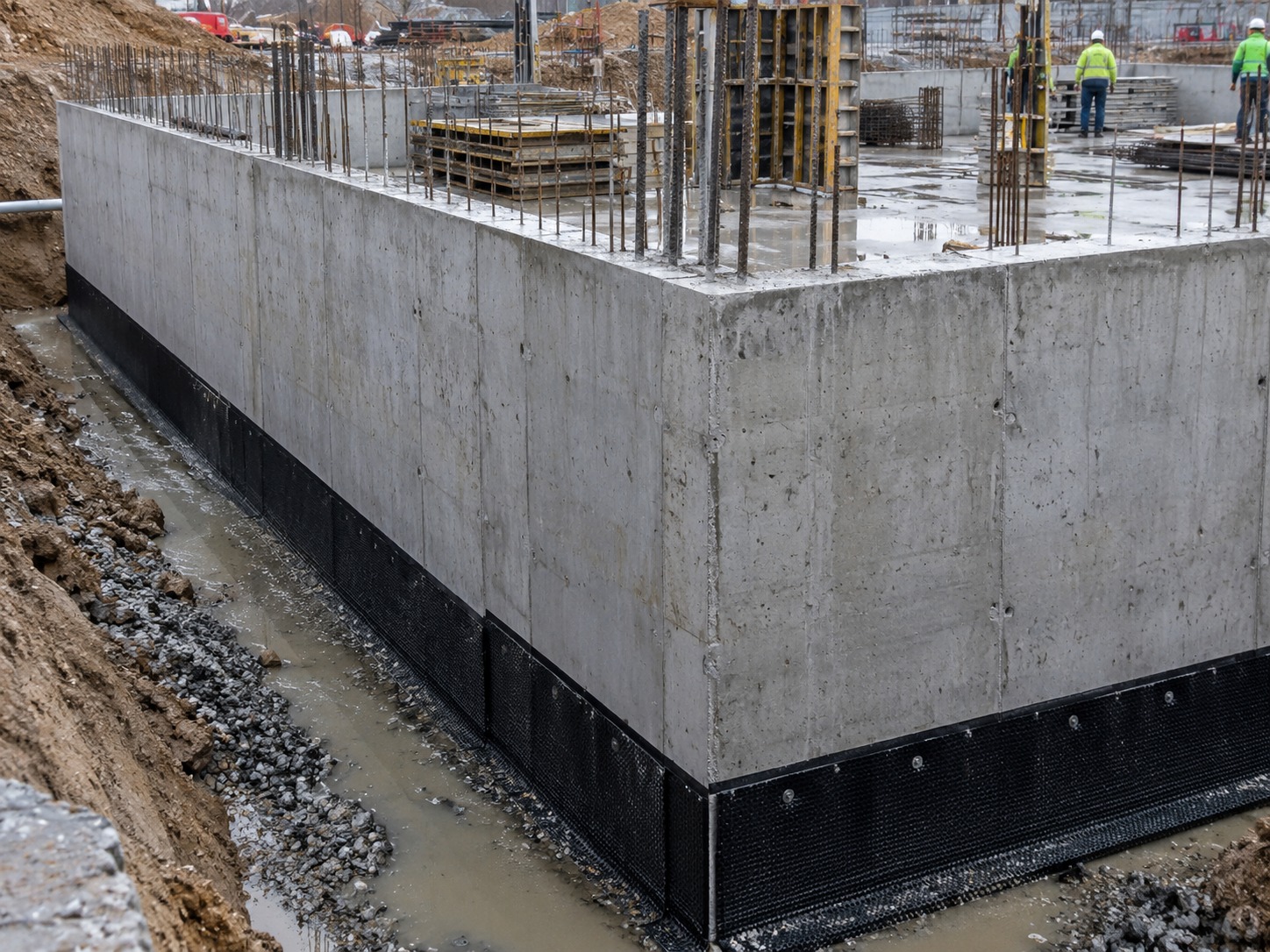
Foundations and basement structures may remain in contact with soil moisture and groundwater for long periods.

In these applications, low-permeability concrete can provide an important advantage for long-term structural protection.

Concrete class, water/cement ratio, crack control, joint detailing and chemical admixtures should all be considered together when designing water-resistant concrete.

Application quality is particularly important in foundation slabs and retaining or basement walls, as it can directly affect final permeability performance.

Use of Admixtures in Water Tanks and Swimming Pools

Water tanks and swimming pools may be exposed to continuous or long-term hydrostatic pressure.

In these applications, high compressive strength alone is not sufficient.

The concrete should be placed homogeneously, crack risk should be controlled and a low-permeability structure should be achieved.

Suitable concrete admixtures can help optimize the mix design and support the development of a denser concrete matrix.

Low-Permeability Concrete in Tunnels and Underground Structures

Tunnels, metro systems and other underground structures can be continuously exposed to groundwater and moisture.

Uncontrolled water penetration through concrete may lead to maintenance and operational problems over time.

For this reason, permeability, crack width and joint details should be considered from the design stage onward.

A project-specific concrete admixture system can play an important role in supporting the required low-permeability performance.

How Do Cracks Affect Concrete Water Resistance?

Producing low-permeability concrete is important, but cracks can create direct pathways for water penetration.

Shrinkage, temperature changes, structural movement or improper curing can lead to cracking and reduce the concrete's resistance to water.

For this reason, shrinkage and crack control should be treated as a separate but complementary part of water-resistant concrete design.

Proper mix design, suitable joint detailing and effective curing are key elements of this process.

The Effect of Curing on Water Resistance

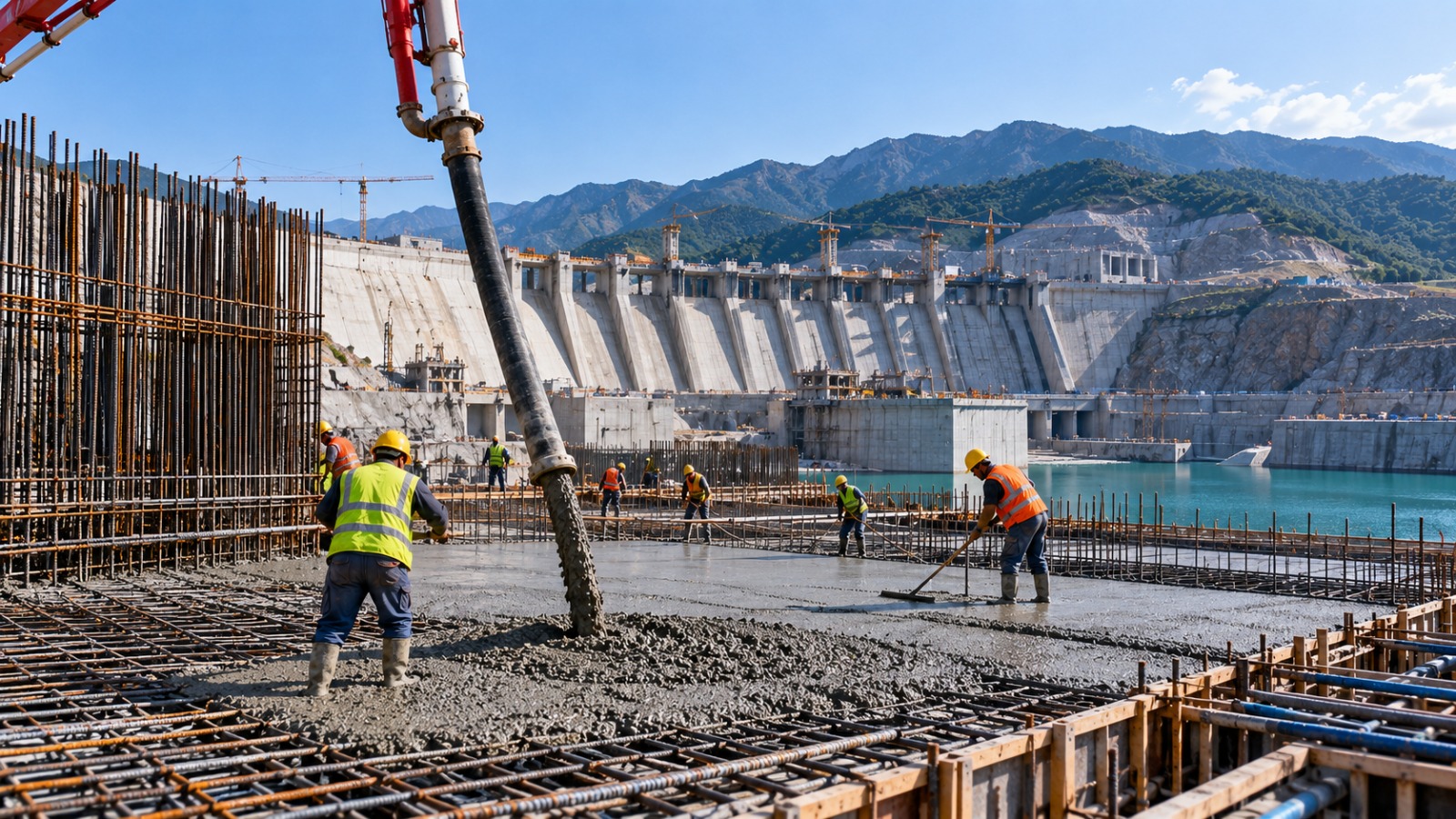
Protecting concrete under suitable moisture and temperature conditions after placement allows hydration to continue more effectively.

Inadequate curing can cause early surface drying, microcracking and a more permeable concrete structure.

This means water-resistance performance is influenced not only during mixing but also during the first days after placement.

Proper curing supports the development of a denser and more durable concrete structure.

Does High Compressive Strength Always Mean Waterproof Concrete?

No.

High compressive strength is an important concrete performance parameter, but it does not automatically guarantee water resistance.

Pore structure, water/cement ratio, cracking, placement quality and curing conditions all directly affect permeability.

For structures exposed to water, compressive strength should therefore be evaluated together with permeability and durability requirements.

What Should Be Considered When Choosing a Waterproofing Concrete Admixture?

Every concrete mix and project condition is different.

Cement type, aggregate properties, water/cement ratio, target concrete class, application area and expected water pressure should all be taken into account when selecting an admixture system.

Compatibility with other concrete admixtures is also important.

For this reason, laboratory trials and, when necessary, field tests under actual production conditions should be carried out before final product selection.

EMA Kimya Waterproofing and Concrete Protection Solutions

EMA Kimya develops professional concrete admixture technologies for ready-mixed concrete plants, foundations and basements, water tanks, swimming pools, tunnels, underground structures and large-scale infrastructure projects.

Admixture systems can be developed according to the cement type, aggregate characteristics, concrete mix design and water-resistance requirements of each project.

EMA Kimya's technical approach focuses not only on reducing water penetration, but also on improving low water/cement ratio performance, concrete homogeneity, workability, crack control and long-term durability.

Low permeability and long-term concrete durability are achieved by managing the right mix design, the right admixture technology and the right application method together.

Related News

How Can Reinforcement Corrosion Be Prevented in Reinforced Concrete Structures? The Importance of Concrete Protection Products

Publication Date: 23 Eylül 2026

How to Improve Water Resistance in Concrete? The Right Admixture Technology for Low-Permeability Concrete

Publication Date: 23 Eylül 2026

How Can Hydration Heat Be Controlled in Mass Concrete? The Right Admixture Technology for Dams and Large Concrete Pours

Publication Date: 23 Eylül 2026

The Importance of Concrete Admixtures in the Construction Industry

Publication Date: 23 Eylül 2026

What Is Cement-Admixture Incompatibility? How Can Rapid Slump Loss, Setting Problems and Admixture Performance Be Controlled in Ready-Mixed Concrete?

Publication Date: 23 Eylül 2026

More Efficient Production and Balanced Cement Performance with Cement Grinding Aids

Publication Date: 23 Eylül 2026

Why Does Concrete Lose Slump? How Can Workability Be Maintained in Ready-Mixed Concrete?

Publication Date: 23 Eylül 2026

What Are Concrete Strength-Enhancing Admixtures? How Can Concrete Compressive Strength Be Increased?

Publication Date: 23 Eylül 2026

What Causes Efflorescence in Concrete? How Can White Stains on Concrete Surfaces Be Prevented?

Publication Date: 23 Eylül 2026

What Should Be Considered When Choosing a Ready-Mixed Concrete Admixture? How Does the Right Admixture Affect Concrete Performance?

Publication Date: 23 Eylül 2026

What Are Concrete Admixture Dosing Errors? Correct Storage and Use in Ready-Mixed Concrete Plants

Publication Date: 23 Eylül 2026

How Is Low-Carbon Concrete Produced?

Publication Date: 23 Eylül 2026

Support Surface Strength and Long-Term Performance with Concrete Curing and Protection Products

Publication Date: 23 Eylül 2026

The Right Admixture Technology for Early Strength and Faster Demolding in Precast Concrete Production

Publication Date: 23 Eylül 2026

The Importance of Set-Accelerating Admixtures in Cold Weather Concrete Applications

Publication Date: 23 Eylül 2026

Web Design & Software | COUR Media